
You're thinking about winter camping in the UK. Good.
The British countryside transforms into something raw and beautiful when temperatures drop. But here's the thing: winter doesn't mess around. You need proper skills before heading out.
This isn't your summer camping adventure UK trip where you can wing it. Cold weather punishes mistakes fast.
Let's get you ready.
1. Master Fire Lighting in Wet Conditions
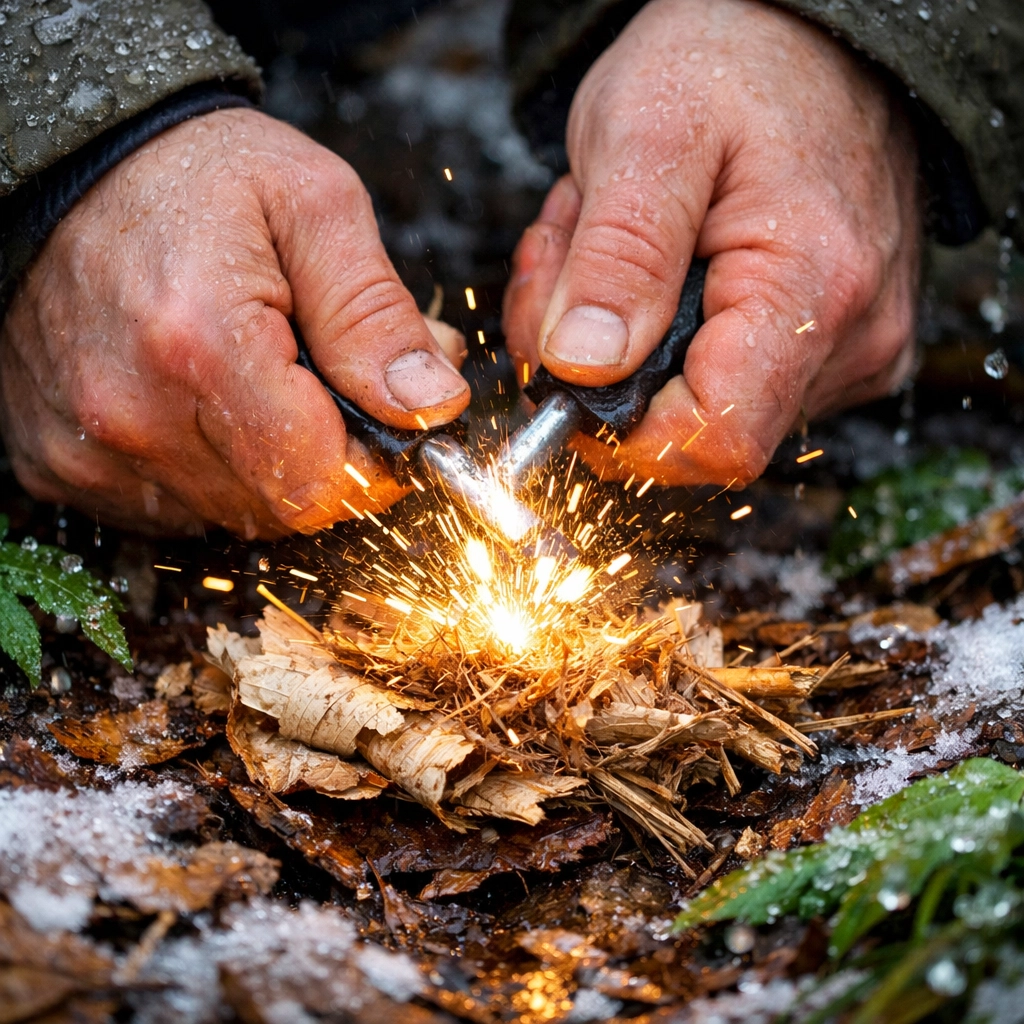
Fire becomes your best friend in winter. It's also ten times harder to start.
Everything's damp. Wood's wet. Your hands are cold and clumsy.
Practice starting fires in rain before you need this skill for real. Carry multiple fire-starting methods: waterproof matches, ferro rod, lighter. Keep tinder bone-dry in waterproof containers.
Look for standing deadwood. It's drier than anything on the ground. Birch bark works brilliantly even when damp.
Build a platform of dry sticks before starting your fire. This keeps your initial flames off wet ground.
Your fire provides warmth, dries clothes, and gives you light during those long winter evenings. Master this skill first.
2. Build Shelters That Work With Fire
Your shelter placement matters more in winter than summer.
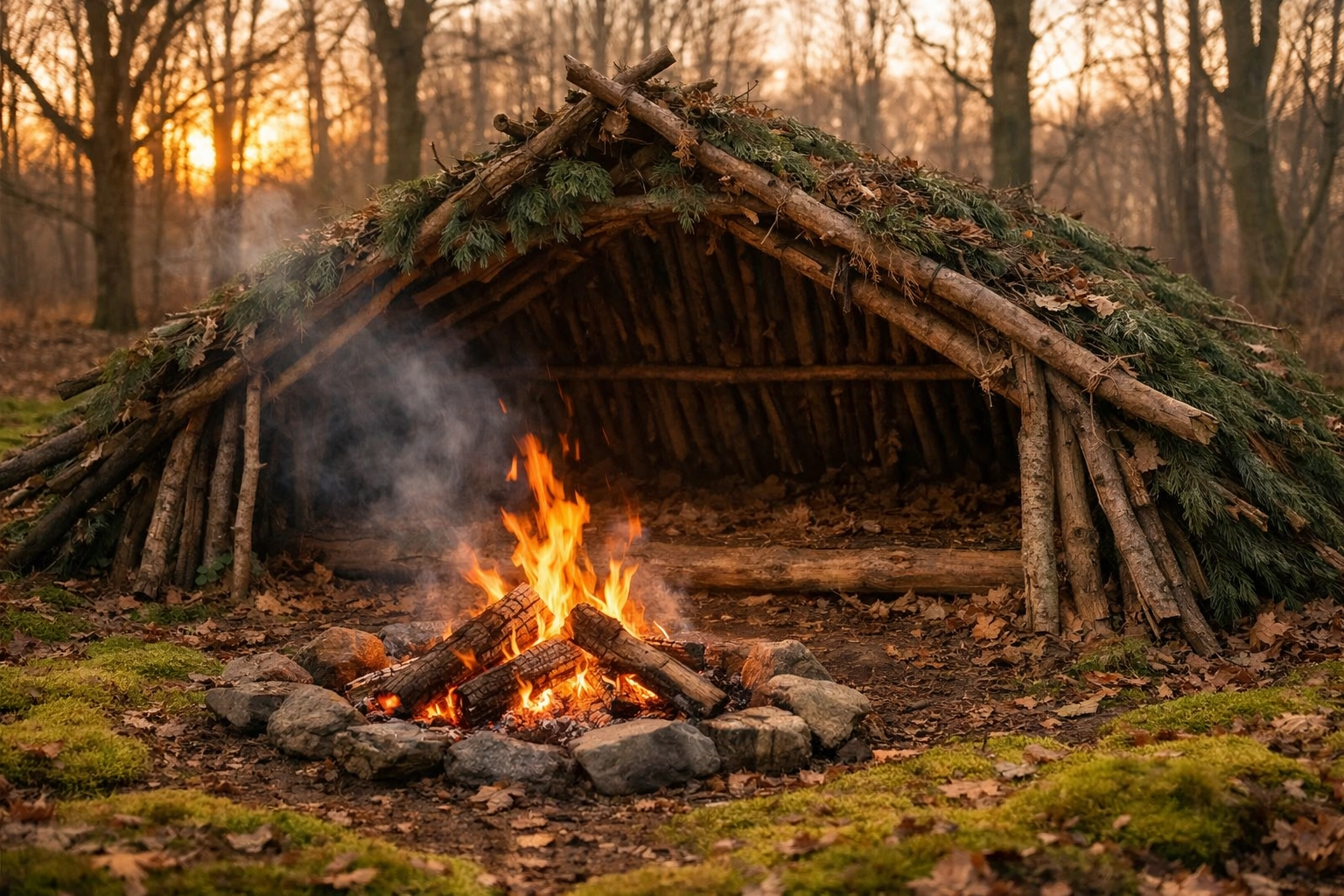
Build an open-fronted lean-to and position a long fire in front. This setup reflects heat directly at you through the night.
Keep the back of your shelter low and angled to bounce warmth toward your sleeping area. Use a reflector wall behind your fire: stacked logs or rocks work perfectly.
Space your shelter correctly. Too close and embers become dangerous. Too far and you freeze.
For wild camping guided UK experiences, instructors often teach this fire-shelter integration first. It's that important.
Test your setup before dark. Make adjustments while you can still see.
3. Learn Snow Shelter Construction
Snow becomes insulation when you know how to use it.
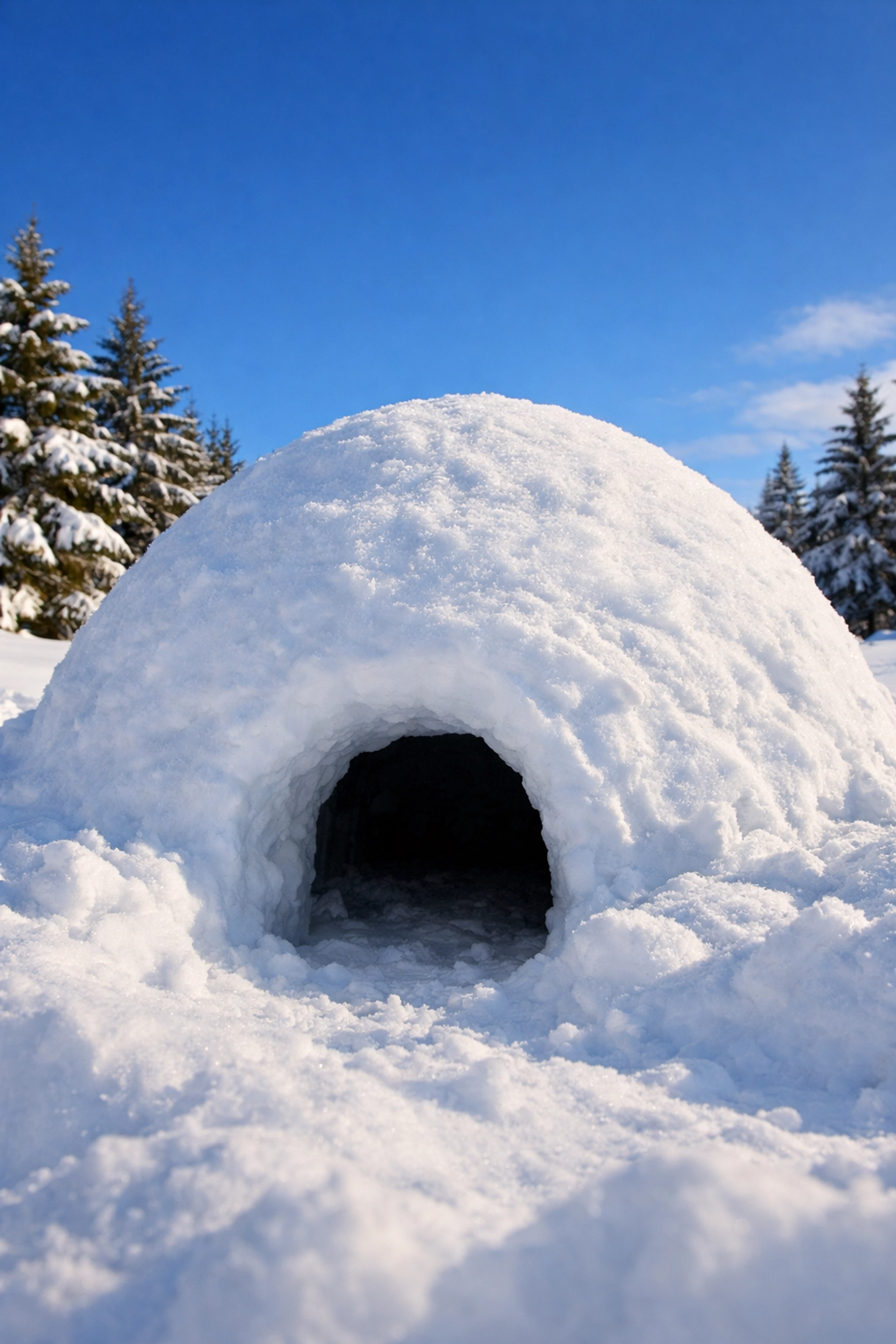
Build a quinzhee by piling snow into a large mound. Let it settle for an hour, then hollow out the center. Leave walls at least a foot thick.
Poke ventilation holes through the roof. Carbon monoxide kills silently.
The interior temperature stays surprisingly stable: often around freezing even when outside temps drop to -10°C or lower.
Natural snowdrifts work too. Dig horizontally into the drift, creating an upward-sloping entrance tunnel. Cold air sinks, keeping your sleeping platform warmer.
Snow shelters save lives when weather turns nasty fast.
4. Develop Serious Axe Skills
Winter demands more firewood than you think.
You'll burn through logs faster trying to stay warm. Short daylight hours mean more time spent around the fire.
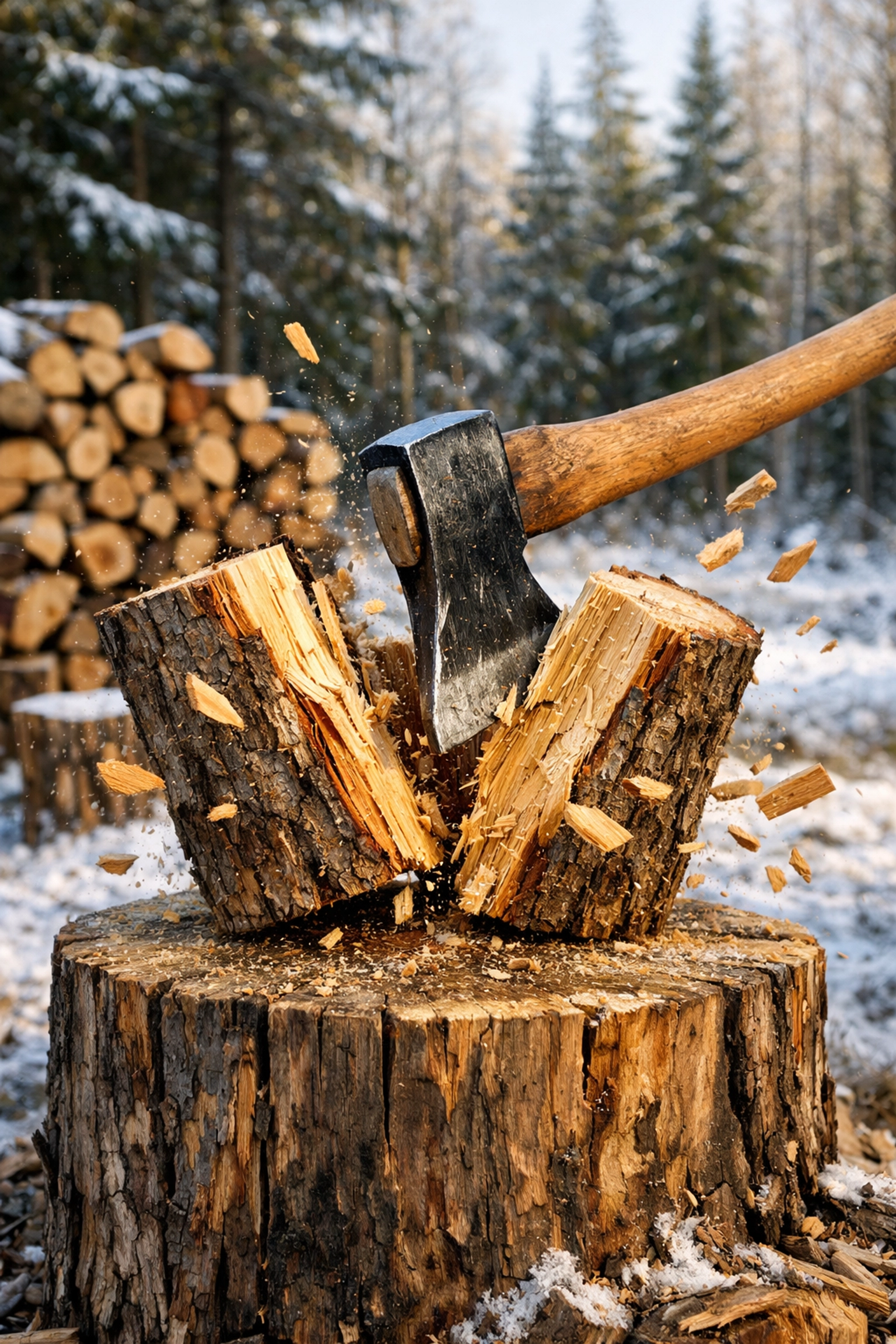
Learn proper axe technique before heading out. Bad form leads to injuries, and injuries in winter become emergencies quickly.
Split wood into various sizes. You need kindling, medium pieces for building up heat, and large logs for overnight burning.
Standing dead trees provide the best fuel. Live wood won't burn properly and creates excessive smoke.
Stack more wood than seems necessary. Then stack some more. Running out of fuel at 2 AM in freezing temperatures isn't fun.
5. Navigate in Complete Darkness
Winter days end early. Really early.
By 4 PM, you're working in twilight. By 5 PM, it's properly dark.
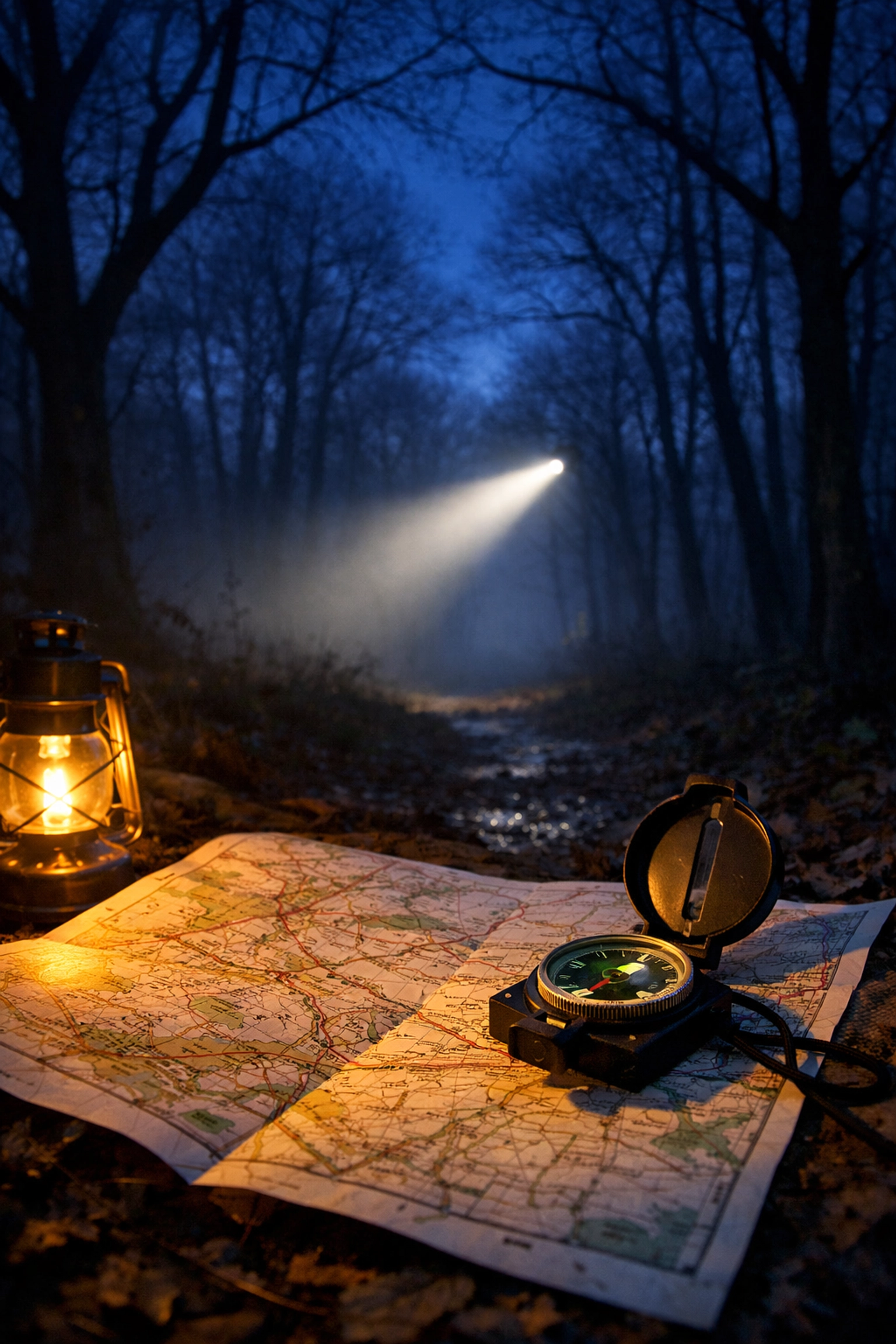
Practice navigation with just a headlamp before attempting winter camping adventure UK trips. Your perception changes completely after dark.
Learn to trust your compass and map reading skills when you can't see landmarks. Use your headlamp strategically: constant light drains batteries fast in cold conditions.
Carry backup lighting. Keep spare batteries inside your jacket where body heat keeps them working.
Mark your camp location clearly. Use reflective markers or a small light so you can find your way back from firewood gathering missions.
Night navigation confidence matters. Build it gradually.
6. Perfect Your Sleeping System Near Fire
Sleep near fire requires technique and respect.
Start with a sleeping mat, bivvy bag, and proper winter sleeping bag if you're new to this. Once confident, experiment with lighter setups.
Avoid camping under sweet chestnut or pine trees. They spit embers that will burn holes in your gear.
Build up your fire before sleeping. Large hardwood logs burn slowly and provide steady heat for hours.
Position yourself where radiant heat reaches you but flying sparks don't. Usually 2-3 meters works well.
Some winter campers sleep without bags entirely, using just the fire and a reflector wall. That's advanced stuff. Work up to it slowly.
7. Use Wool Blankets Properly
Modern gear isn't always better.
Army surplus wool blankets cost little and perform brilliantly. Two blankets keep you warm and relatively dry even in rain.
Wool retains warmth when wet: something synthetic bags struggle with. It's naturally fire-resistant too.
Wrap yourself burrito-style. Tuck edges underneath to prevent heat escape. Layer both blankets for maximum insulation.
Combine a wool blanket with a tarp for weather protection. This lightweight system weighs far less than heavy winter sleeping bags.
Old-school methods work. Try them.
8. Master Heat Reflection and Body Position
Positioning makes massive difference to warmth.
Build a reflector wall behind your fire using logs, rocks, or a space blanket on a frame. This bounces heat directly toward you.
Use a thick sleeping mat or natural materials like pine boughs underneath you. Ground sucks away heat faster than you'd believe.
Lie close enough to feel warmth but not discomfort. You'll adjust position throughout the night as the fire burns down.
Face the fire with your back to the reflector wall. This traps you in a warm pocket of air.
Physics works if you use it right.
9. Generate Body Heat Through Movement
Your body is a furnace. Stoke it.
When cold sets in deep, get moving. Run on the spot. Do squats. Engage large muscle groups.
This generates heat fast and gets blood flowing to extremities. Don't just sit there shivering.
Before sleeping, do a quick exercise routine. This warms you thoroughly and helps you sleep better.
Morning stiffness hits hard in winter. Move around before attempting complex tasks. Warm muscles work properly. Cold muscles get injured.
Keep moving until your fire's established. Then maintain a balance between activity and rest.
10. Maintain Your Equipment Daily
Moisture is the enemy in winter.
Your sleeping bag accumulates moisture from breath and body heat overnight. This reduces its insulation effectiveness dramatically.
Air everything out during daylight hours. Hang your bag in sun if possible. Even cloudy winter days help dry things.
Check your fire-making kit daily. Keep tinder dry. Test your lighter.
Inspect clothing for damage. Small tears become big problems when temperatures drop.
Store water bottles upside down. Ice forms at the top first, keeping the drinking spout accessible longer.
Clean maintenance prevents cold emergencies.
Your Next Steps
Winter camping adventure UK experiences transform you. They build confidence and capability unlike anything else.
Start with guided winter camping trips if this is new territory. Learn from experienced instructors who know British winter conditions intimately.
Check out other survival skills content on our site for more preparation ideas.
Practice these ten skills individually before combining them on a full winter expedition. Master fire first, then shelter, then move to advanced techniques.
The UK winter wilderness waits. Get your skills sharp and get out there.