
You've hiked solo for years. You know the trails. You pack light, move fast, stop when you want.
But something's changed.
Maybe you're curious about those groups you pass on the trail. Maybe you're tired of navigating alone. Maybe you want to push into new territory without the stress.
Here's what actually happens when you swap solo hiking for guided hiking tours UK.
Someone Else Handles the Hard Stuff
You don't plan routes anymore. You don't book accommodation. You don't carry maps or worry about getting lost.
Your guide does all of it.
They know the terrain. They know the weather patterns. They know which paths flood in February and which ones stay dry.
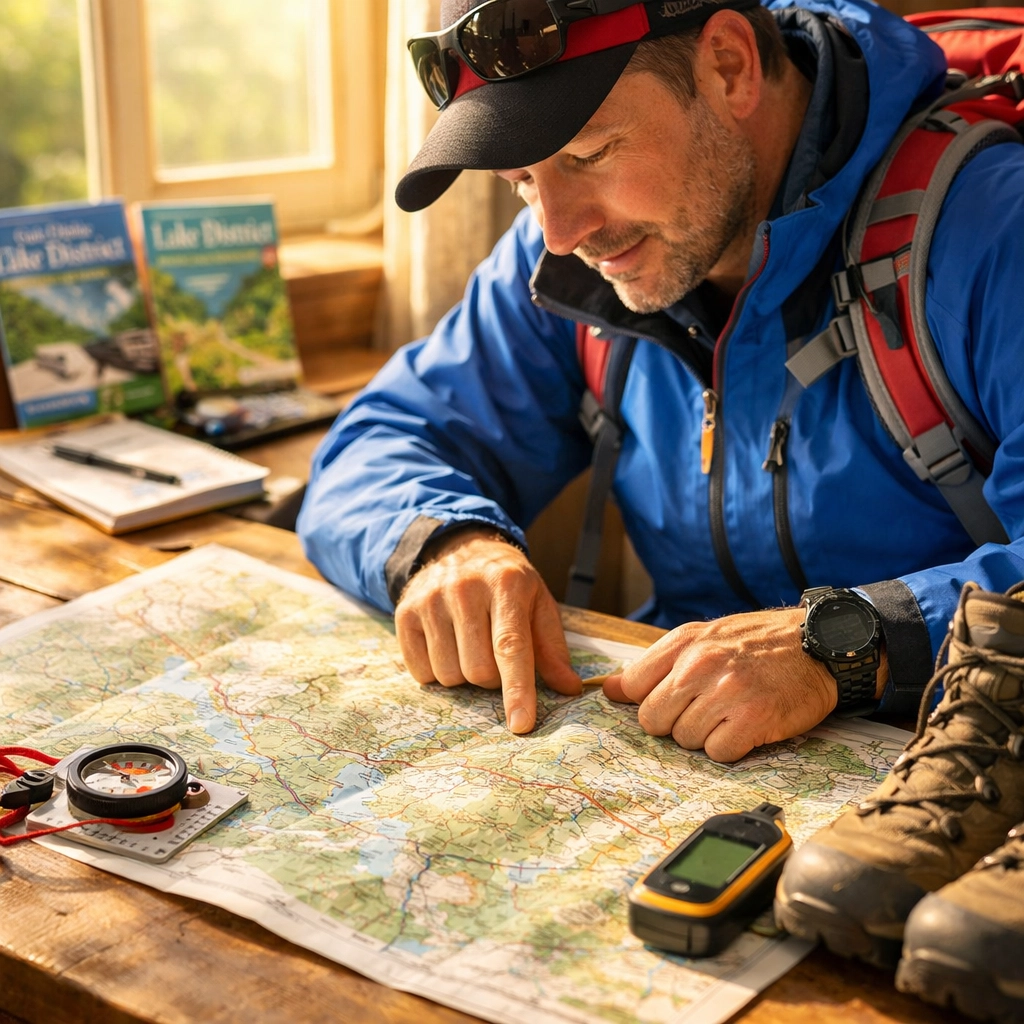
You show up. You walk. That's it.
This matters more than you think. Planning a multi-day hike takes hours. You research trails, check facilities, coordinate timing, pack backup routes.
Guided tours remove that entirely.
You get expert local knowledge without the research. Your guide shares stories about the landscape, points out wildlife, explains the geology beneath your feet.
You learn things you'd never find in a guidebook.
You Walk With People Who Get It
Solo hiking is quiet. Peaceful. Sometimes lonely.
Guided hiking tours UK bring you into a group. Not a random group: people who chose the same trail, the same challenge, the same adventure.
You share meals. You swap stories. You encourage each other up steep climbs.
Some hikers hate this. They want solitude, silence, personal reflection time.
But if you've ever wished for company on a long descent, or wanted someone to share the view with at the summit, guided tours deliver.
The social side surprises most solo hikers. You meet people from different backgrounds, different fitness levels, different parts of the country.
You walk together for days. You build something.
Many solo hikers who try guided walks Lake District tours once end up joining multiple trips. The connections matter.
You Move at a Group Pace
Here's the trade-off.
You don't control your speed anymore. The group moves together. If you're fast, you wait. If you're slow, you push.
Some days this frustrates you. You want to sprint ahead or linger at a viewpoint. The group schedule doesn't allow it.
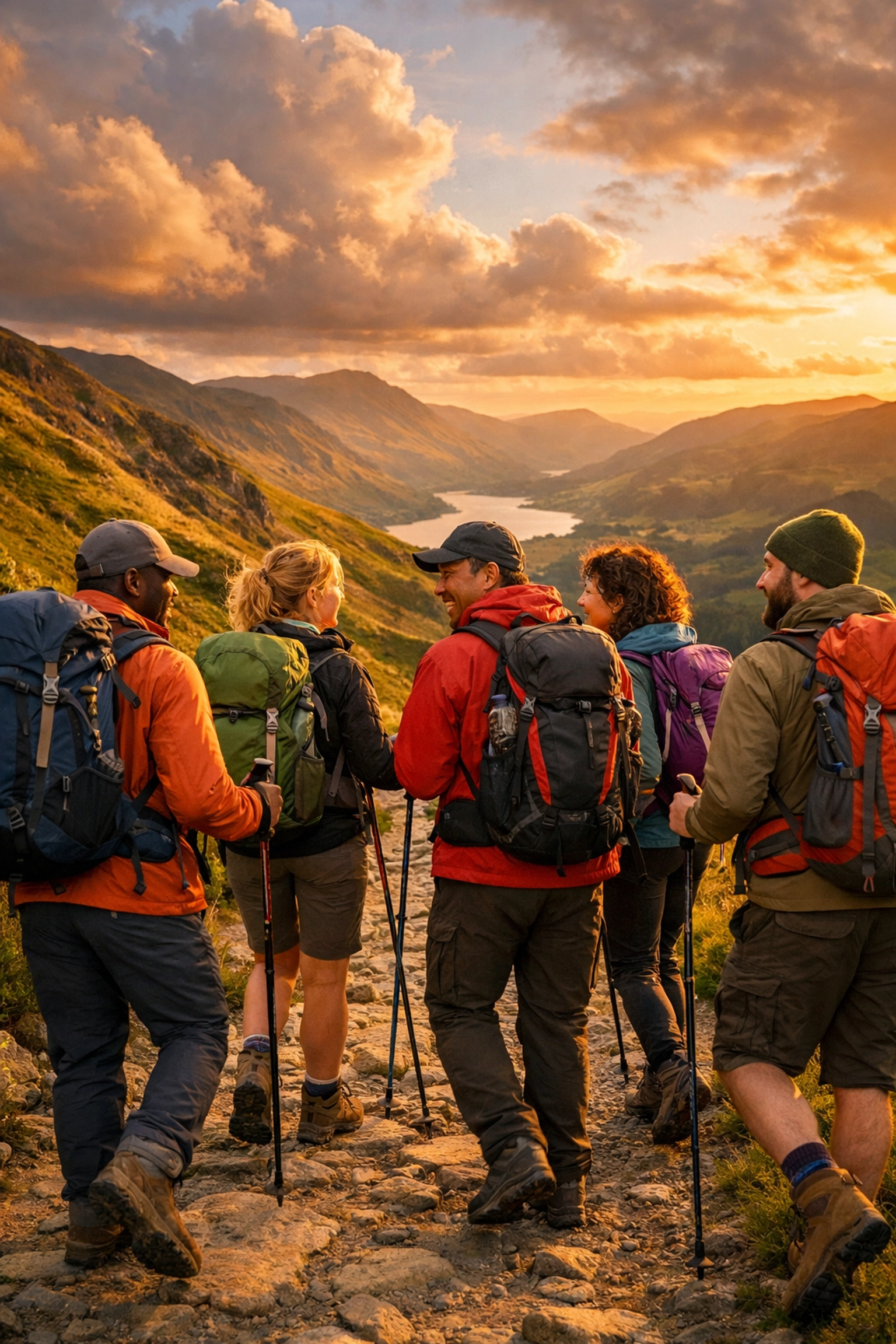
Your guide sets rest breaks. They decide when to stop for lunch. They determine the daily distance.
You give up autonomy for structure.
For experienced hikers with strong opinions about pace, this feels restrictive. You're used to making every decision yourself.
But for less confident hikers, or those tackling unfamiliar terrain, the structure provides comfort. You don't second-guess yourself. You follow someone who knows.
You Access Places You'd Skip Solo
Guides take you places you wouldn't find alone.
They know the hidden trails. The lesser-known viewpoints. The routes that don't appear on standard maps.
They have permissions for private land. They know the farmers. They understand access agreements.
You experience landscapes you'd walk right past on your own.
This applies especially in areas like the Lake District, where popular trails get crowded but parallel paths stay empty. Local guides know those alternatives.
They also push you further than you'd go solo. When the weather turns, when fatigue sets in, when doubt creeps up, your guide keeps you moving safely.
You complete walks you might have abandoned on your own.
Your Logistics Disappear
Your bag travels separately. You pack an overnight bag in the morning, and it appears at your next accommodation.
You walk with a daypack only. Water, snacks, layers, nothing more.
This changes everything.
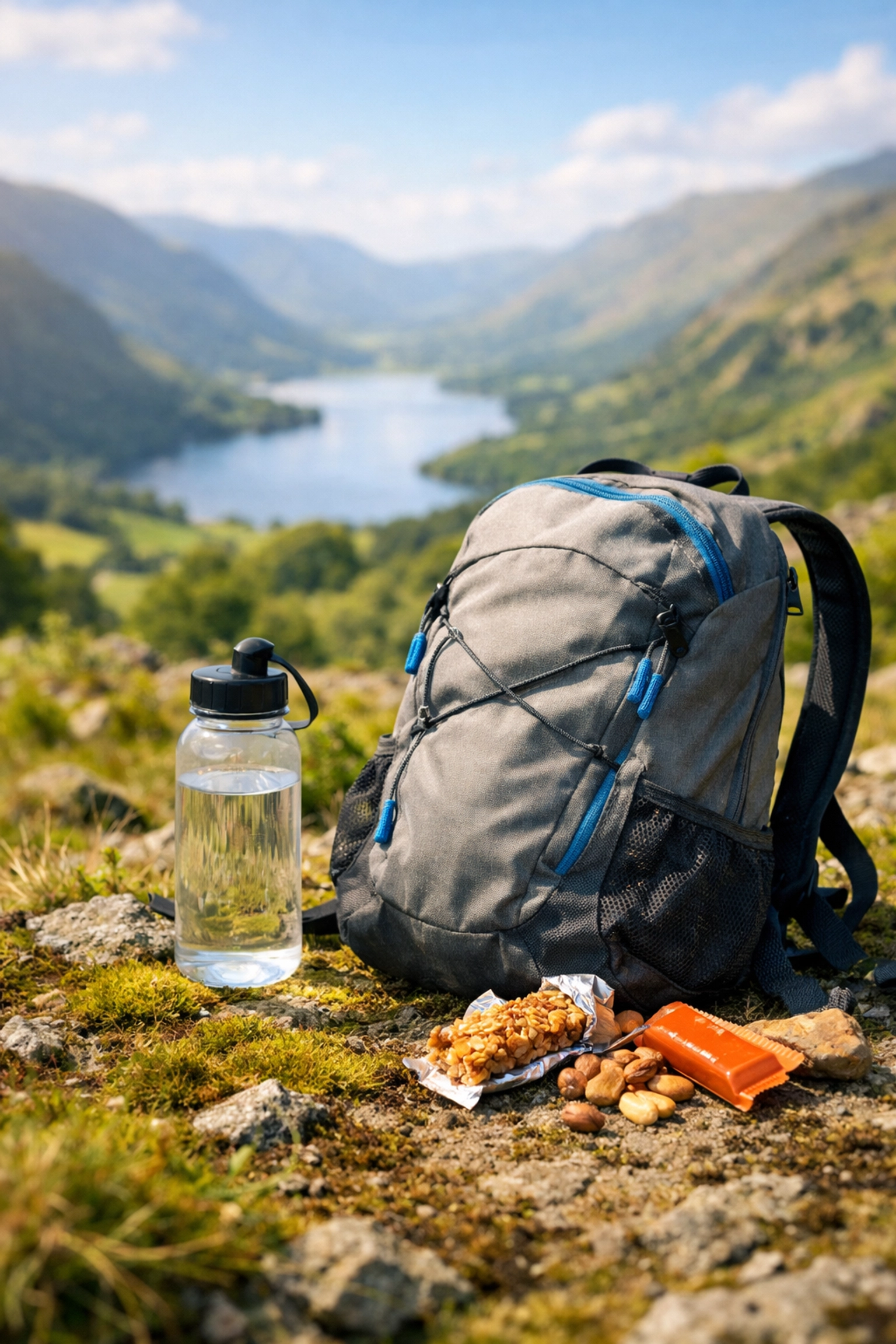
A light pack means you move faster, tire less, enjoy the walk more. You don't carry tent, sleeping bag, cooking gear, extra clothes.
Your accommodation is pre-booked at tested facilities. No gambling on whether that pub has rooms. No arriving exhausted to find everywhere full.
You eat prepared meals with your group. No cooking, no cleanup, no food planning.
For multi-day hikes, this logistical support matters enormously. You spend your energy on walking, not on survival.
You Pay More But Stress Less
Guided hiking tours UK cost more than solo hiking. Significantly more.
You're paying for expertise, logistics, accommodation, meals, transport, insurance, and guide wages.
A week-long self-guided hike might cost £300. The same week guided could run £800-1200.
The question is what you value.
Solo hiking saves money but demands time, research, and mental energy. You make every decision. You solve every problem.
Guided tours cost more but deliver peace of mind. You show up. Everything else happens.
For some hikers, that trade-off makes perfect sense. For others, it doesn't.
Consider your priorities. If you hike to escape logistics and connect with nature, paying to eliminate the planning makes sense.
If you hike for complete independence and self-reliance, stick to solo.
You Might Miss the Solitude
This is the big one.
Nature provides escape. Silence. Space to think without interruption.
Solo hiking delivers this completely. You're alone with the landscape. Your thoughts. Your pace.
Guided tours remove that solitude. You're with people constantly. Conversation fills the quiet. Group energy replaces personal reflection.
Some hikers need that alone time. They process life through solo movement. They find clarity in uninterrupted walking.
For them, guided tours feel wrong. Too social. Too structured. Too interrupted.
Know yourself here. If solitude matters deeply, guided tours won't satisfy you.
But if you're open to connection, to learning, to shared experience, they offer something different. Not better. Different.
Who Benefits Most From Guided Tours
You'll love guided hiking tours UK if you:
Want to explore new areas without extensive research. Prefer company and conversation on the trail. Value expert knowledge about local history, wildlife, and geology. Need accommodation and logistics handled completely. Lack confidence navigating unfamiliar terrain. Want to push your limits with experienced support.
You'll prefer solo hiking if you:
Crave complete solitude and silence. Want total control over pace and schedule. Enjoy the planning and preparation process. Prefer self-reliance and problem-solving. Need flexibility to change plans mid-route. Want to minimize costs.
Neither approach is wrong. They serve different needs.
Make Your Choice
Try one guided walk. Not a week-long commitment. Just a day-long guided walk in the Lake District or another region you know.
Experience the difference yourself. Notice how it feels to follow instead of lead. To walk with others instead of alone. To learn instead of navigate.
Then decide.
Some solo hikers try guided tours and never look back. Others confirm that solo hiking suits them better.
You won't know until you try.
Visit Open Sky Adventure to explore guided hiking tours UK that match your experience level and interests. Pick a day walk first. See what happens when you let someone else lead.