
Picture this: you're deep in the British countryside on your first camping adventure UK trip. The tent's pitched, the sun's setting, and then you hear rustling. Your heart races. Is it a deer? A badger? Something else?
Most UK wildlife won't bother you. But being unprepared can turn a magical outdoor experience into a nightmare. Here's what you need to know before your next wild camping guided UK adventure.
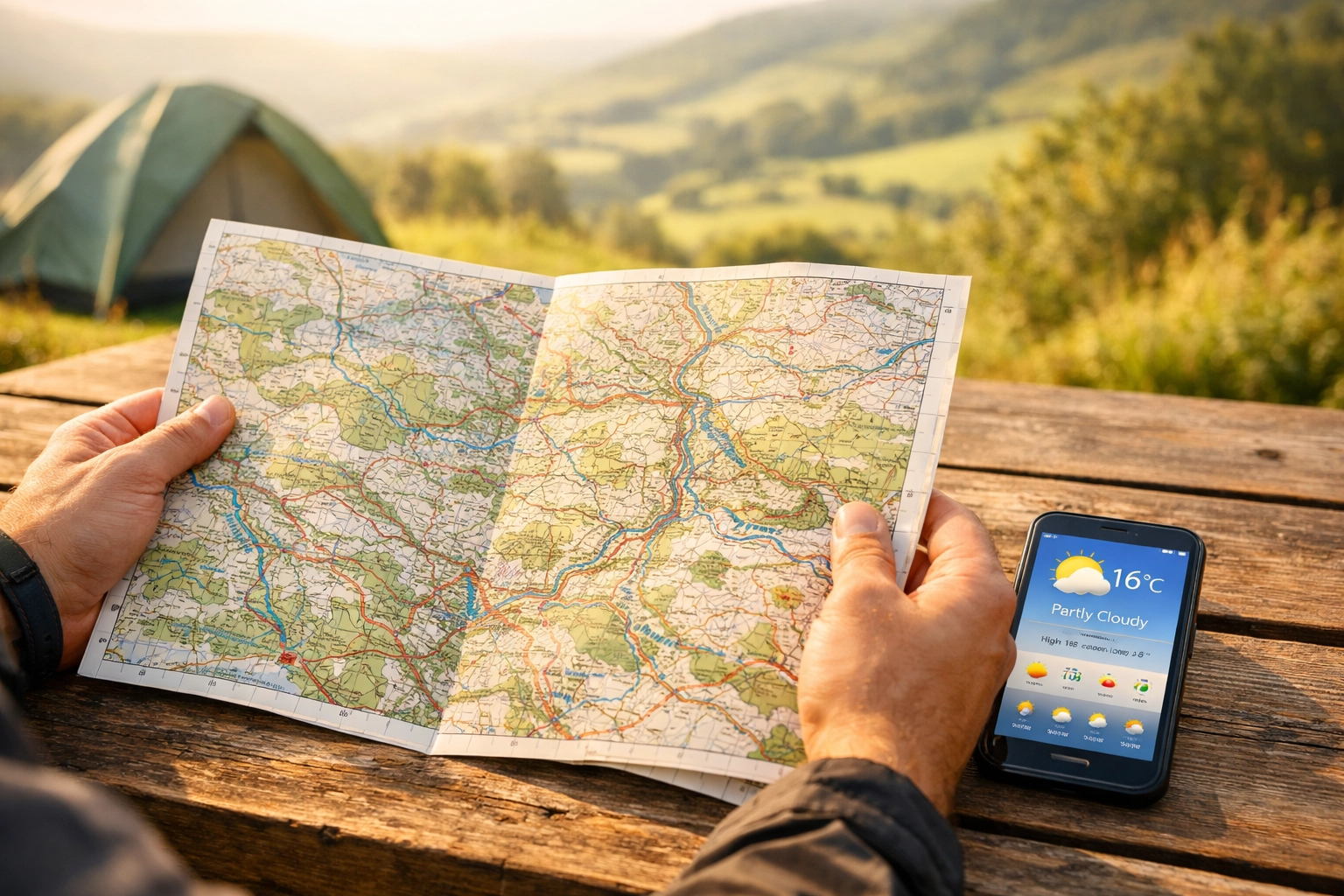
1. Research Your Destination Before You Go
Don't just show up and hope for the best.
Check what animals live in your camping area. Scotland has different wildlife than Cornwall. Know what you might encounter. Red deer, adders, wild boar, each requires different awareness.
Read local regulations too. Some areas restrict wild camping entirely. Scotland's more relaxed, but England, Wales, and Northern Ireland have tighter rules. You don't want rangers showing up at midnight telling you to leave.
Spend 30 minutes researching online. It could save your entire trip.
2. Stay Calm When You Meet Wildlife
Panic kills good decisions.
You spot an animal. Your instinct screams run. Don't. Sudden movements trigger chase responses in many creatures. Instead, breathe deeply. Ground yourself. Keep your voice steady.
Face the animal but avoid direct eye contact, most species see this as aggression. Back away slowly. Give the creature space to escape.
Wild animals usually want nothing to do with you. They're more scared than you are. Remember that when your pulse is pounding.
3. Know Your Bear Protocol (Yes, Really)
The UK doesn't have wild bears. But if you're planning camping adventures abroad or visiting wildlife parks, know the basics.
Stop. Don't run. Bears can hit 35 mph. You can't outrun them. Back away slowly while facing the bear. Make yourself look bigger: raise your arms, stand on a log.
If it charges, stand your ground. Most charges are bluffs. If contact happens, play dead with a brown bear, fight back with a black bear.
For UK camping, this knowledge transfers to aggressive dogs or livestock. The principles remain the same.
4. Respect Snake Territory
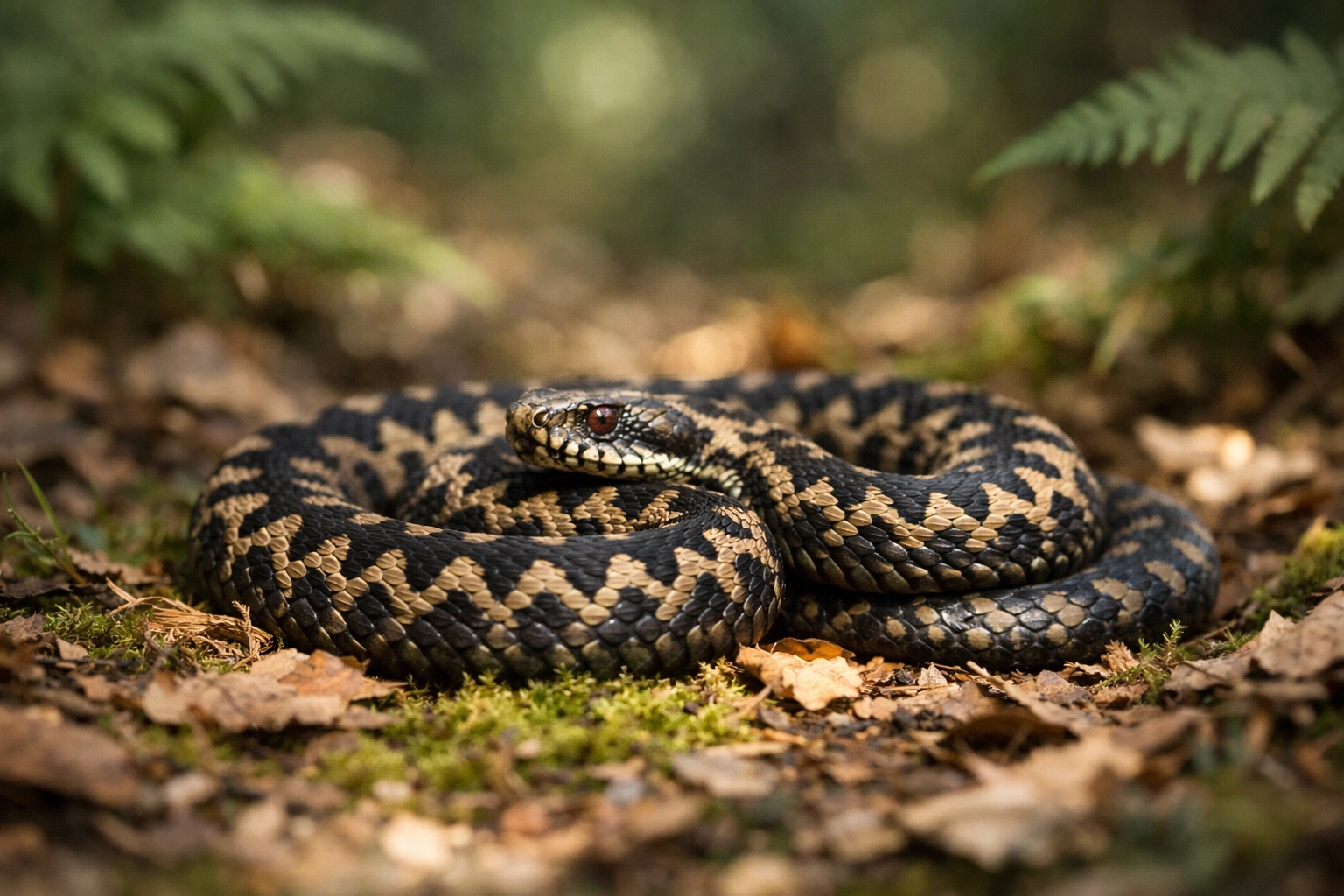
Britain has one venomous snake: the adder. They're shy, but bites happen.
Wear proper footwear. No flip-flops on trails. Avoid tall grass where you can't see the ground. Don't stick your hands under rocks or logs without checking first.
See a snake? Stop. Back away slowly. Never try to handle it, kill it, or get a closer look for photos. Give it several metres of space.
Adder bites are rarely fatal but incredibly painful. Keep your distance. Simple.
5. Store Food Like Your Trip Depends On It
Because it does.
Food attracts every creature within smelling distance. Foxes, badgers, even curious deer will investigate your camp if they smell dinner.
Keep all food in sealed containers. Never store it in your tent. Hang food bags from trees if possible, or use a car boot. Dispose of rubbish properly: pack it out if bins aren't available.
Clean up immediately after cooking. Wipe surfaces. Burn nothing (we'll get to that). Make your campsite boring to animals.
A fox tearing through your tent at 3am because you left crisps inside? Not fun.
6. Pack Essential Safety Gear
Your kit makes the difference between adventure and disaster.
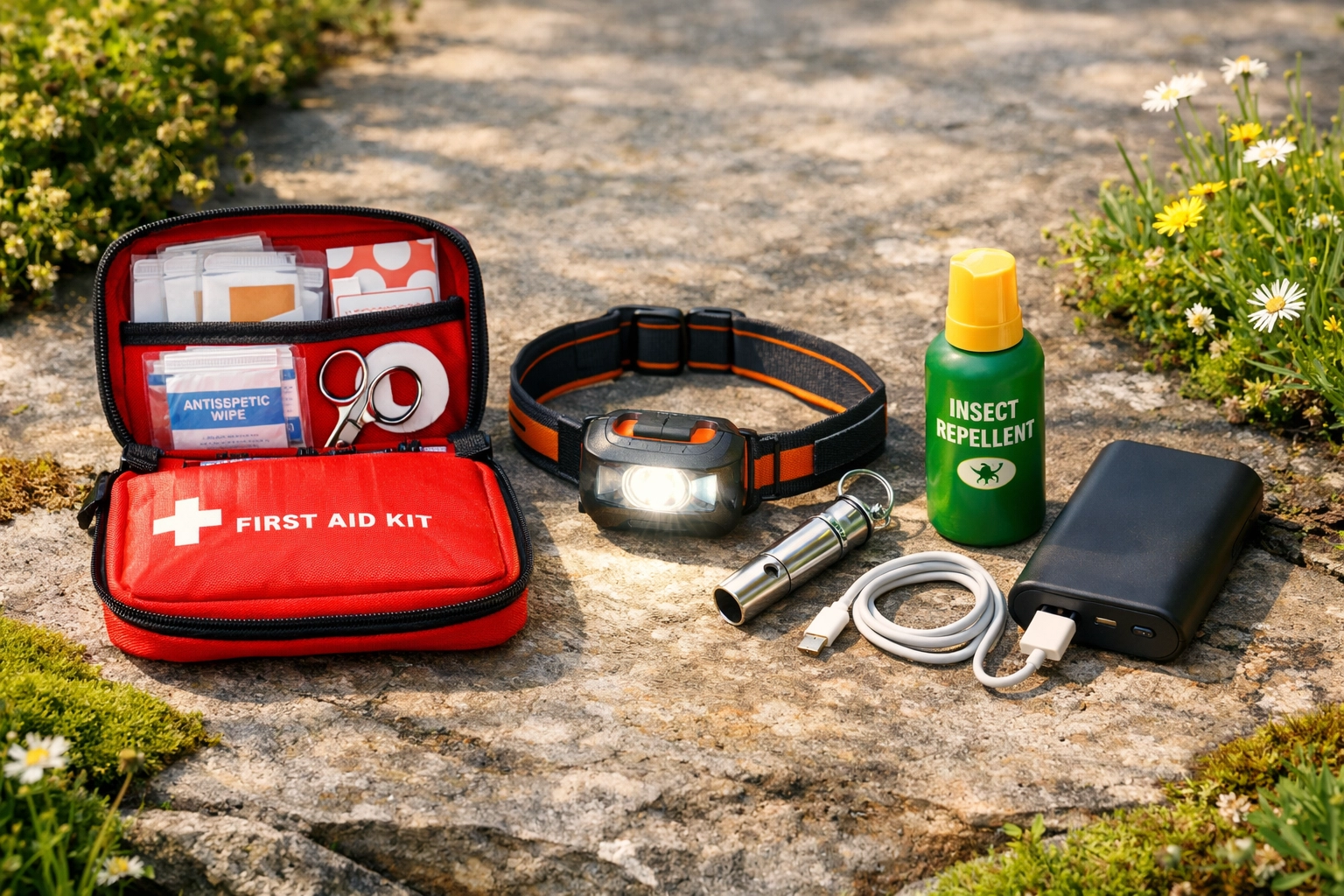
Bring a comprehensive first aid kit. Not just plasters: include antihistamines for stings, antiseptic, bandages, pain relief. Add a head torch with fresh batteries. Carry insect repellent and a quality waterproof tent.
Pack a whistle. Three short blasts signals distress. Keep your phone charged with a backup power bank.
Don't skimp on gear quality for your camping adventure UK trips. Cheap equipment fails when you need it most.
7. Choose Your Campsite Strategically
Location matters more than you think.
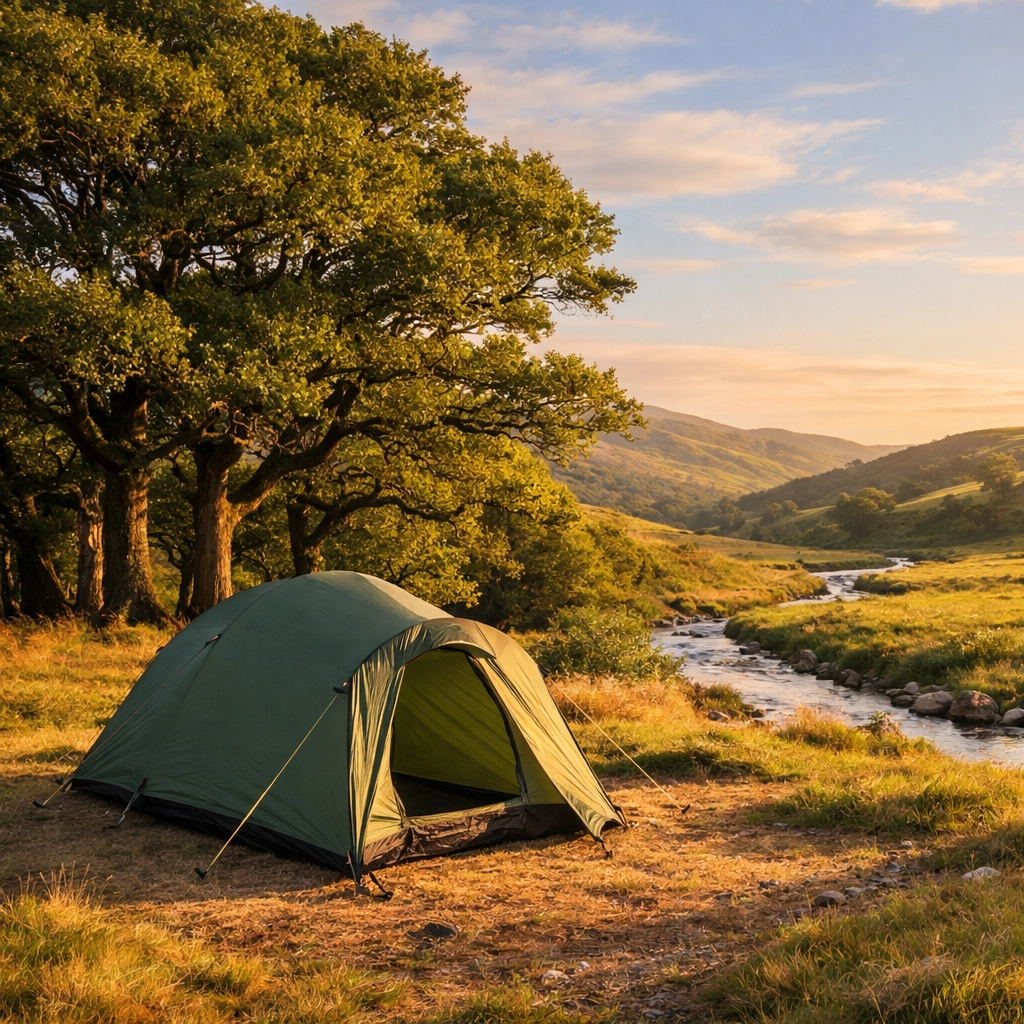
Pitch at least 60 metres from water sources. Animals drink at dawn and dusk: give them space. Find flat, dry ground. Check for rocks, branches, ant nests.
Avoid valleys where cold air and water collect. Look for natural windbreaks: trees, hillsides, large rocks. Stay away from footpaths and trails. You want solitude, not hikers stumbling through at 7am.
Spend 20 minutes finding the right spot. It beats spending all night uncomfortable and unsafe.
8. Follow Leave No Trace Principles
When you leave, the site should look untouched.
Pack out every piece of rubbish. Every wrapper, every apple core, everything. Don't dig fire pits. Don't light fires at all: they scar the ground and risk wildfires, especially in dry conditions.
Use a camping stove for cooking. Go to the toilet at least 50 metres from water and bury waste properly. Use biodegradable soap sparingly.
This isn't just ethics. It's safety. Human traces attract animals and damage ecosystems that protect you.
The countryside deserves respect. Give it.
9. Establish a Solid Communication Plan
Someone needs to know where you are.
Tell a friend or family member your exact location. Share map coordinates if you have them. Provide your expected return time.
Know how to signal for help. Torch flashes, whistle blasts, phone emergency services if you have signal. Download offline maps before you lose reception.
Solo wild camping guided UK adventures sound romantic until something goes wrong. Communication saves lives.
Check in when you're back. People worry.
10. Check Weather and Dress Appropriately
British weather changes faster than you can pack your tent.
Check forecasts before leaving. Check again the morning you depart. Pack warm layers even in summer. Bring waterproofs regardless of the forecast.
Hypothermia kills in temperatures above freezing. Wet clothing accelerates heat loss. Layer your clothing: base, insulation, waterproof shell.
Pack extra socks. Dry feet keep morale high. Bring sufficient food and a reliable camping stove. You need calories to maintain body heat.
Weather turns mild camping adventure UK trips into survival situations. Prepare for the worst.
Your Next Steps
You've got the knowledge. Now use it.
Book your first wild camping guided UK experience if you want expert support. Or tackle it solo with confidence. Either way, prepare properly.
Download offline maps tonight. Buy that first aid kit tomorrow. Research your destination this weekend. Then get out there.
The British wilderness is waiting. You're ready for whatever you meet.