
Meta description: Learn how pubs, hotels, farmers and landowners can use Class BC and Class BA permitted development rights to run legal temporary campsites in 2026.
Hello, pub owner, hotel operator, farmer or landowner. Your outdoor space may support a campsite.
Use a beer garden, paddock, field or hotel ground. Follow the correct planning route. Check the limits before you advertise.
Open Sky Adventure helps simplify the process.
Can your outdoor space become a campsite?
You may have land that sits unused for part of the year.
A campsite can add income. It can bring guests to your pub or hotel. It can support farm diversification.
You could offer:
- Tent pitches
- Motorhome pitches
- Campervan pitches
- Guided walking weekends
- Wildlife camping
- Corporate outdoor stays
- Food and camping packages
- Adventure activities
Start with the legal route.
Planning permission and campsite licensing are separate. Permitted development rights do not remove other duties.
Check both.
England: use Class BC permitted development rights
Class BC sits in Part 4 of the General Permitted Development Order.
It allows temporary recreational campsites in England.
You can use the land for:
- Up to 60 days per calendar year
- No more than 50 pitches
- Moveable structures needed for the campsite
The 60-day limit applies to the whole site.
It is not 60 days per pitch. It is not 60 days per event.
Split the days across the year if you want. Keep a clear operating calendar.
Count every day when the campsite is in use.
What can you host?
Class BC can cover:
- Tents
- Motorhomes
- Campervans
It does not normally cover traditional towed caravans.
Do not add static caravans or permanent cabins under this right.
Use moveable structures only. This can include temporary toilets and waste facilities.
Check the exact position with your local planning authority.

Provide toilets and waste facilities
This is a condition of Class BC.
You must provide on-site toilet and waste disposal facilities for campsite users.
Do this before opening.
Do not take bookings first and solve the facilities later.
Plan the location of:
- Toilets
- Waste storage
- Wastewater arrangements
- Emergency access
- Vehicle access
- Guest pitches
- Staff areas
Keep waste facilities away from food preparation areas and watercourses.
Set a collection routine. Record each inspection.
Use a site plan that matches the layout on the ground.
Notify the LPA before the first use
You must notify the local planning authority in writing before starting the campsite in each calendar year.
Send the notice before the first use.
Include:
- A site plan
- Toilet locations
- Waste disposal locations
- Pitch locations
- Site boundaries
- Exact operating dates
Use specific dates.
Do not write, “Any weekend in July.”
List the dates you plan to operate.
Keep:
- A copy of the notification
- Proof of delivery
- The submitted site plan
- Your operating calendar
- Facility inspection records
- Fire and emergency procedures
The LPA must pass the notification to the relevant fire and rescue authority where required.
Notification is not the same as prior approval.
For most Class BC sites, notification is the main planning step. Flood Zone 2 and 3 sites need more.
Flood Zone 2 or 3: apply for prior approval
Check the flood status before choosing your pitches.
Use the GOV.UK long-term flood risk service.
If the land is in Flood Zone 2 or 3, Class BC requires prior approval from the LPA.
Apply before starting the campsite in that calendar year.
Prepare:
- A site-specific flood risk assessment
- Flood warning arrangements
- An evacuation plan
- A site plan
- Proposed operating dates
- The required fee
The LPA may consult the Environment Agency.
Allow up to 56 days for the process.
Do not open while you wait.
Start only when the approval position allows you to do so. Ask the LPA how it wants the application submitted.

Check whether Class BC applies to your land
Class BC does not apply everywhere.
Check whether your site includes or affects:
- A scheduled monument
- A Site of Special Scientific Interest
- A listed building site
- A safety hazard area
- Military explosives storage land
Local restrictions may also apply.
Check for Article 4 Directions. Check planning conditions. Check the planning history.
Do this before buying equipment or accepting bookings.
Use the Open Sky Adventure legal information as a starting point. Then confirm the position with your LPA.
Use your pub garden or hotel grounds well
Pubs and hotels have a practical advantage.
You may already have:
- Toilets
- Food service
- Staff
- Parking
- Water
- Waste collection
- Customer facilities
Connect the campsite to the main business.
Offer breakfast. Offer packed lunches. Provide local walking information. Add guided outdoor activities.
Control the operation.
Set:
- Arrival times
- Quiet hours
- Parking areas
- Fire rules
- Waste rules
- Dog rules
- Emergency contacts
Keep campers away from busy service areas.
Separate guest movement from deliveries.
Protect the normal pub or hotel operation.
A small site can work well. Start with fewer pitches. Test demand. Review the calendar before adding dates.
Make farm diversification practical
A paddock can support temporary camping. So can a field beside an existing rural business.
Start with a site assessment.
Check:
- The legal land boundary.
- Flood zone status.
- Protected designations.
- Nearby homes.
- Road access.
- Drainage.
- Ground conditions.
- Waste collection access.
- Emergency access.
- The 60-day calendar.
- Insurance.
- Licensing.
Do not treat a field as ready because it looks suitable.
Plan for wet ground. Plan for vehicle movements. Plan for late arrivals.
Keep a compliance file.
Put planning documents, insurance, risk assessments, licence information and inspection records in one place.
Wales: Class BA rules apply in 2026
Do not use the England Class BC checklist in Wales.
Wales uses Class BA for temporary recreational campsites under the Town and Country Planning (General Permitted Development) (Amendment) (Wales) Order 2026.
From 1 September 2026, ordinary non-festival camping should not rely on the old Welsh Class B 28-day route.
Class BA applies instead.
Outside National Parks, National Landscapes and World Heritage Sites, the allowance can be up to 60 days per calendar year.
In those protected landscapes, the limit can be 28 days per calendar year.
Check the designation before planning your dates.
Respect the 100-metre protected dwelling buffer
Class BA cannot be used on land within 100 metres of a protected dwelling.
A protected dwelling can include:
- A dwellinghouse
- A flat
- A home occupied by someone other than the campsite owner or operator
Measure the distance carefully.
A nearby neighbour’s home may affect the whole proposal.
If the buffer prevents Class BA, you may need a full planning application.
Apply to the LPA each year
Class BA requires an annual application to the LPA for a prior approval determination.
The application must cover:
- Toilets
- Wastewater management
- Waste disposal
- Highway access
Include a site plan showing:
- Site boundaries
- Pitch locations
- Amenity locations
- Toilets
- Wastewater facilities
- Waste storage
- Highway access
- Operating dates
Pay the required fee.
If the LPA says prior approval is required, submit the further application.
Do not open until approval is granted.
If the LPA does not respond within 28 days, deemed approval may apply under the statutory process, provided the application is valid and the legal conditions are met.
Keep proof of submission and the date received.
Check for local Article 4 Directions. These can remove permitted development rights.
Planning permission is not a campsite licence
PDR deals with planning use.
It does not automatically remove licensing requirements.
Check the Caravan Sites and Control of Development Act 1960.
Ask your council whether you need a campsite licence.
Also check:
- Public liability insurance
- Fire safety
- Electrical safety
- Drinking water
- Food safety
- Environmental health
- Wastewater disposal
- Traffic management
- Business rates
- Noise control
Get advice before opening.
Your 2026 compliance checklist
Follow this order.
- Confirm whether the land is in England or Wales.
- Identify the correct permitted development class.
- Check flood zones and protected designations.
- Check the 100-metre buffer in Wales.
- Set the pitch limit.
- Set the annual operating dates.
- Plan toilets and waste facilities.
- Prepare the site plan.
- Apply for prior approval where required.
- Notify the LPA in England before first use.
- Complete the annual Welsh Class BA process.
- Check campsite licensing.
- Arrange insurance and safety controls.
- Keep a compliance file.
- Open only when the requirements are met.
Do not assume the old 28-day rule still covers your plan.
Do not advertise dates before checking the legal route.
Do not exceed the annual limit.
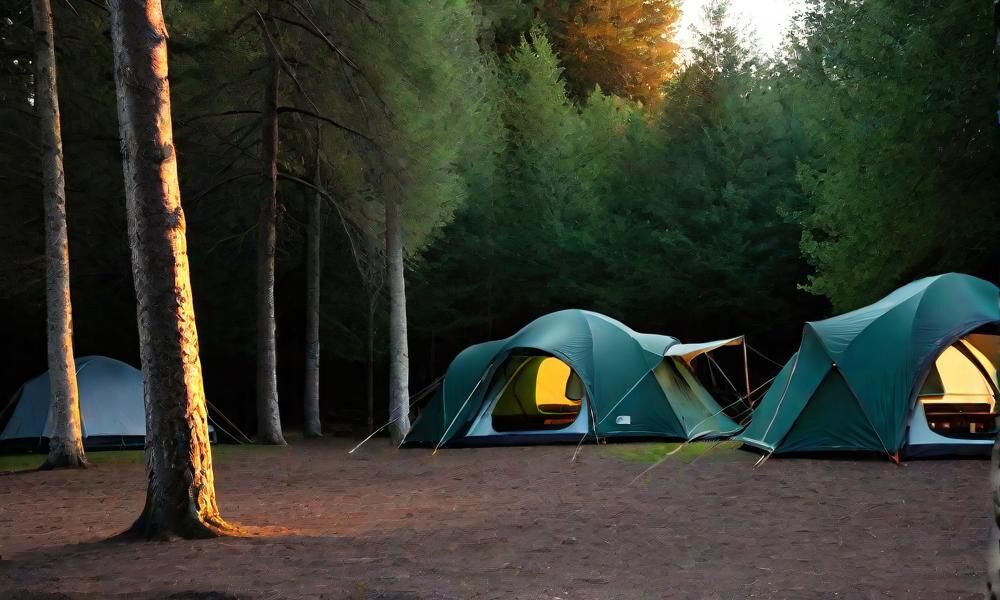
Turn outdoor space into a managed adventure
Class BC can help English pubs, hotels, farmers and landowners create a temporary campsite.
Class BA can provide a route in Wales, subject to different limits and prior approval rules.
The process needs care.
Open Sky Adventure helps landowners understand the steps, prepare their site and plan a compliant licensed camping operation.
Visit Unlock Your Land and Potential to discuss your site.
Join the Open Sky Adventure group and sign up on our website.
We will happily help you, signup live now if you have an interest in joining our license agreement.
This article provides general information about UK camping legislation in 2026. It is not legal or planning advice. Confirm your proposal with the relevant local planning authority before operating.