
Ready to sleep under the stars? Wild camping in the UK is one of the most rewarding experiences you'll ever have. But here's the thing. You need skills.
Whether you're booking a wild camping guided UK experience or heading out solo, these 10 survival skills will keep you safe, comfortable, and coming back for more.
Let's get into it.
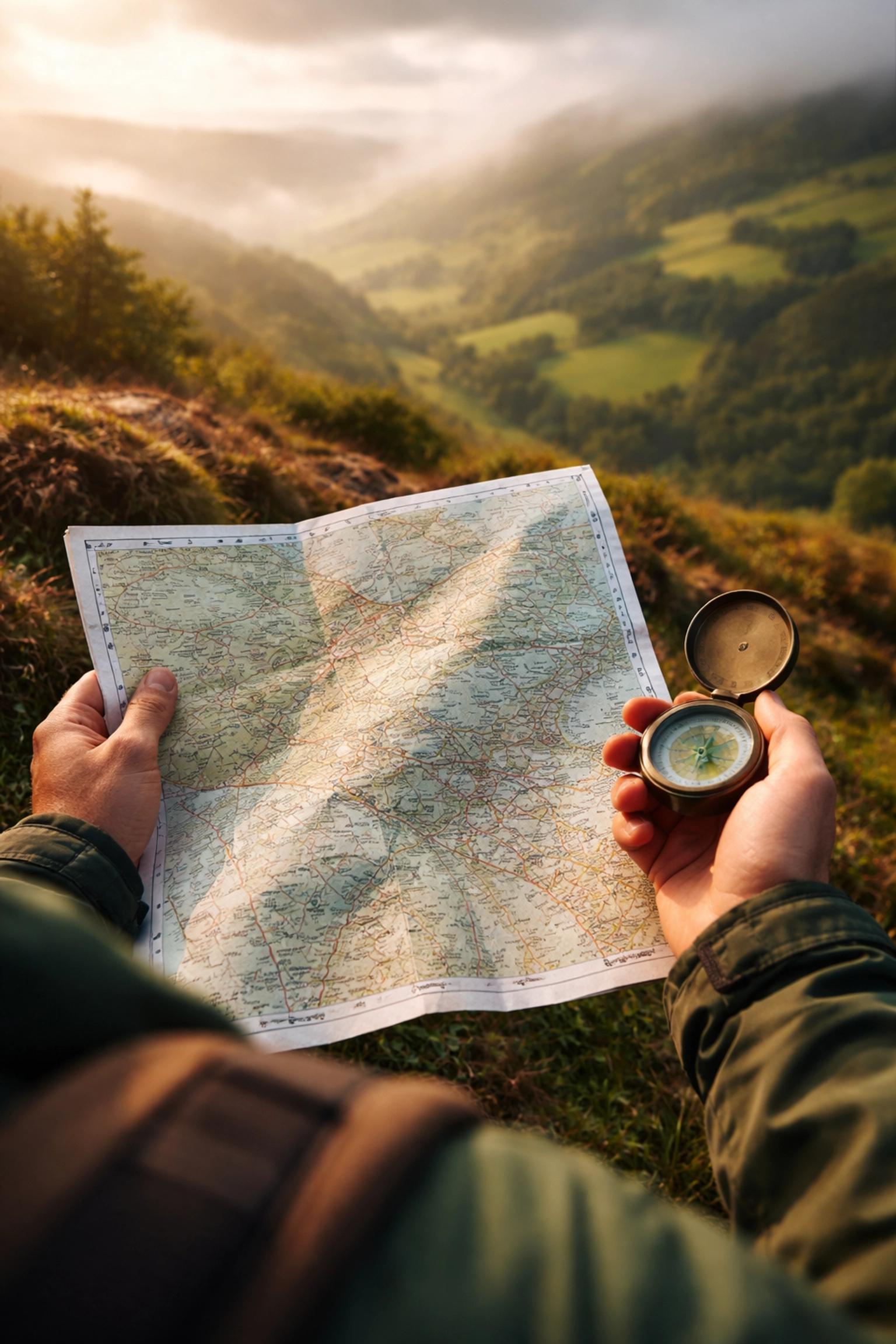
1. Navigation with Map and Compass
Your phone battery will die. GPS signals fail. Mountains don't care.
Learn to read a topographic map. Understand contour lines. They tell you where the hills are, where the valleys dip, and where you might find shelter.
Get a quality compass. Practice taking bearings at home first. Plot your position on a map before you need to do it in the rain.
Here's your action step: Head to your local park with a map. Walk a route using only the compass. No phone allowed.
Traditional navigation isn't just a backup plan. It's your lifeline when technology lets you down.
2. Fire Making and Management
Fire means warmth. It means hot food. It means survival.
Don't rely on one method. Learn several. Carry waterproof matches, a ferrocerium rod, and a lighter. Know how to use all three.
Understand fire construction. Start small with dry tinder. Add kindling. Build up slowly. Rushing kills fires before they start.
Wet weather changes everything. Collect wood from standing dead trees, not the ground. The inside of dead wood stays dry even after days of rain.
Important: Many UK areas restrict fires. Woodlands, forests, and places like Dartmoor have high fire risks. Always check local rules. When in doubt, use a camping stove instead.
3. Shelter Setup and Building
Your shelter keeps you alive. Get this wrong and you're in trouble.
Start simple. Learn to pitch your tent perfectly. Do it at home. Do it in your garden. Do it until you can set it up in the dark.
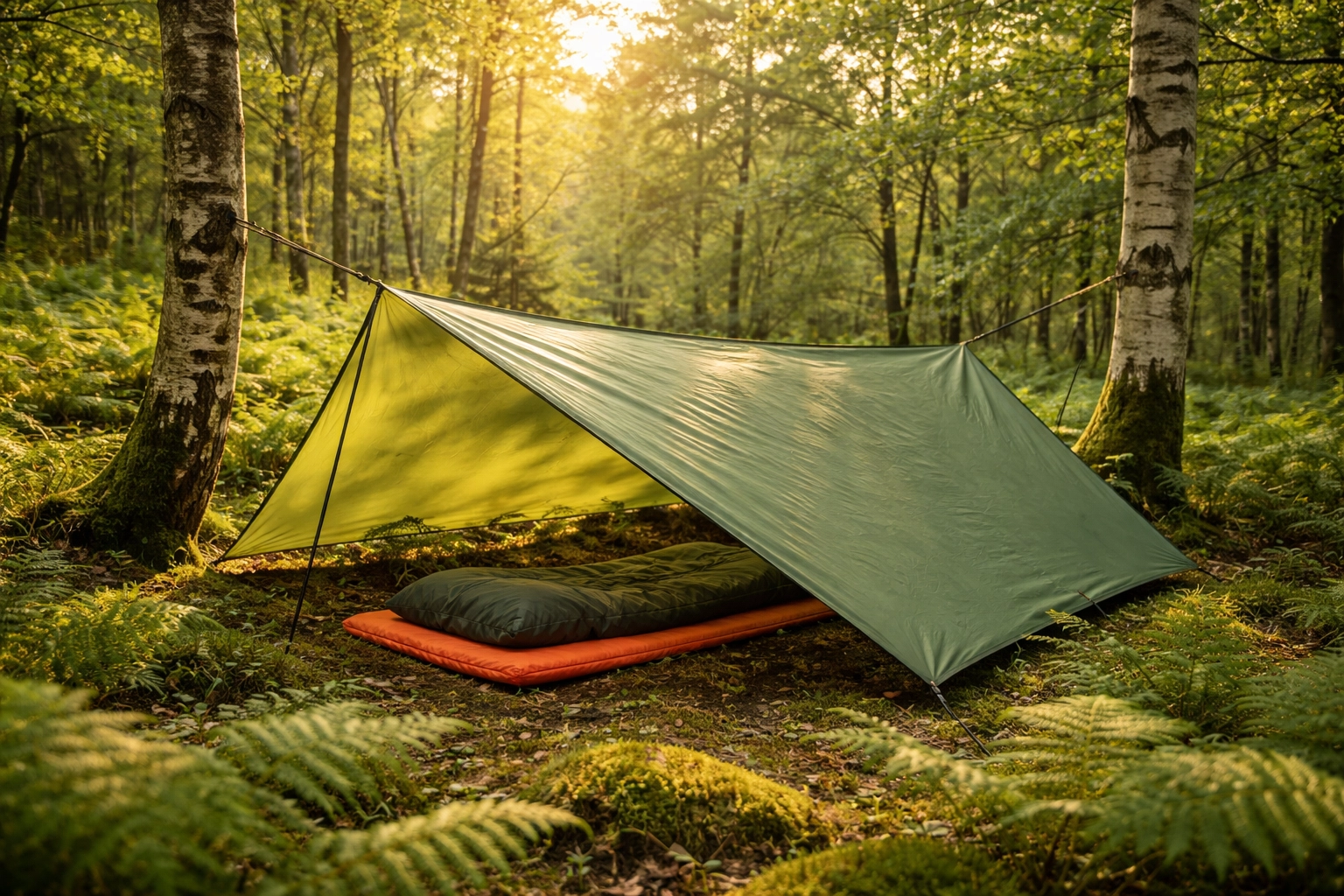
Next level: sleep under a tarp. It's lighter, more versatile, and teaches you to work with the landscape.
Advanced skills include building improvised shelters from natural materials. But master the basics first. Your bivvy, sleeping mat, and sleeping bag are your foundation.
Test everything close to home before your camping adventure UK takes you somewhere remote.
4. First Aid and Injury Management
Things go wrong. Blisters happen. Cuts happen. Twisted ankles happen.
Pack a first aid kit. Customise it for your needs. Include:
- Bandages and plasters
- Antiseptic wipes
- Blister treatment (this is essential)
- Pain relief tablets
- Tweezers for splinters and ticks
- Emergency blanket
Know how to use everything in your kit. A first aid kit you can't use is just extra weight.
Learn basic procedures. How do you treat a blister mid-hike? What's the protocol for a suspected sprain? When do you call for help?
Take a wilderness first aid course if you're serious about wild camping guided UK adventures. It's worth every penny.
5. Foraging for Wild Foods
The UK countryside is full of food. You just need to know what you're looking at.
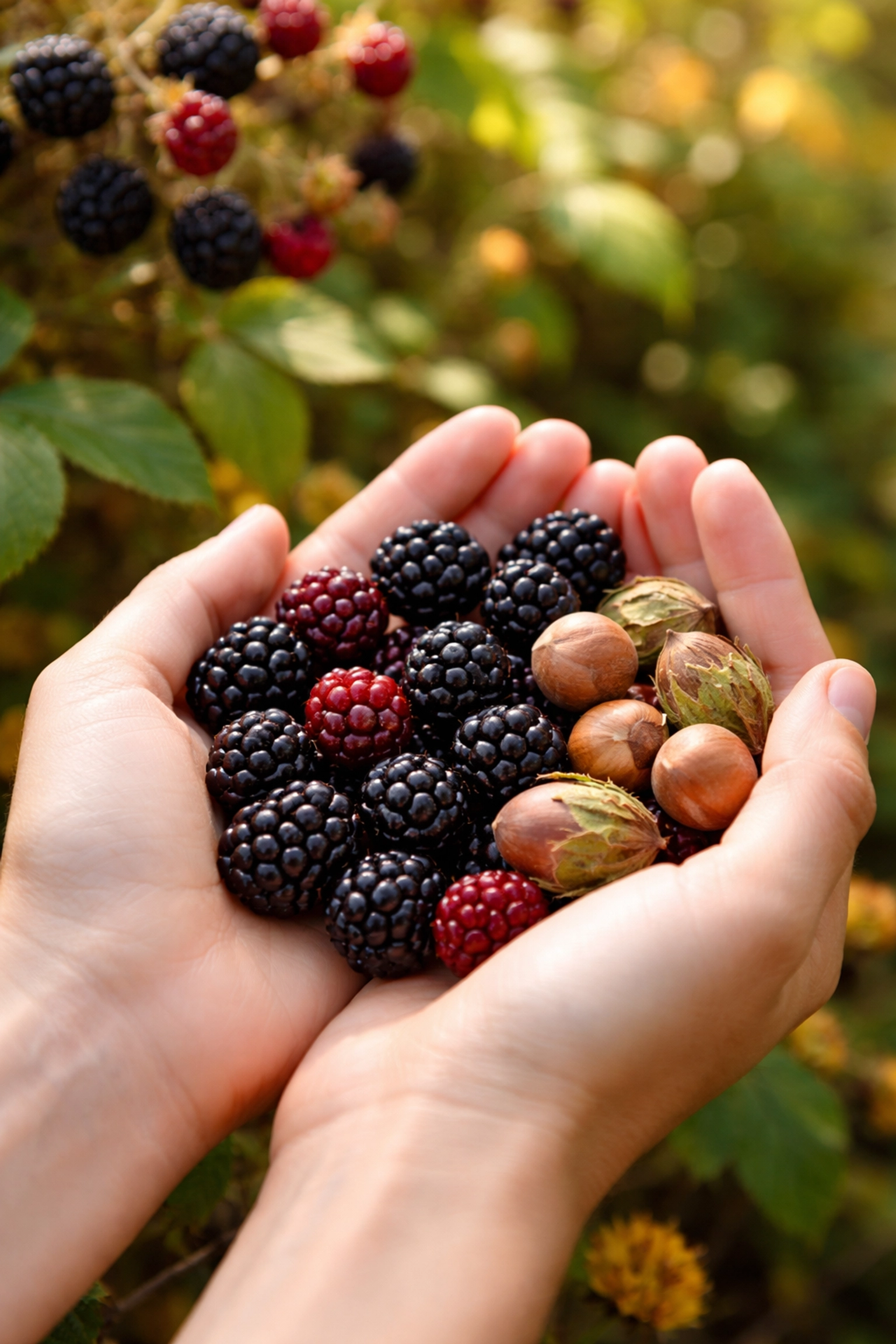
Start with easy wins. Blackberries in late summer. Wild garlic in spring. Hazelnuts in autumn. These are hard to misidentify.
Learn to recognise common edible plants: nettles, dandelions, wood sorrel, and chickweed.
Critical rule: Never eat anything you can't identify with 100% certainty. Some plants will make you very sick. Some will kill you.
Fungi are risky for beginners. Leave mushroom foraging until you've had proper training.
Foraging supplements your food supply. It doesn't replace it. Always pack enough provisions for your trip.
6. Cooking Methods and Food Preparation
You've got food. Now cook it.
A camping stove is your best friend. It's reliable, fast, and safe for sensitive environments. Learn to use it efficiently. Conserve fuel.
When fires are permitted, expand your skills:
- Direct cooking: Hold food over flames on a stick or spit
- Grilling: Use a grate or flat stones heated by fire
- Flat bread cooking: Make simple dough and cook it on hot rocks
Plan your meals before you leave. Pre-chop ingredients at home. Minimise waste.
Keep food stored properly. Animals smell everything. Hang your food bag from a tree branch overnight.
7. Knife and Saw Use
A good knife is the most versatile tool you'll carry.
Learn basic knife skills:
- Safe cutting techniques (always cut away from your body)
- Carving and whittling
- Batoning wood for kindling
- Food preparation
A folding saw handles bigger jobs. Processing firewood. Clearing branches for shelter. Making camp furniture.
Keep your tools sharp. A dull knife is more dangerous than a sharp one. It slips. Sharp blades cut clean.
Practice at home. Carve a spoon. Process some kindling. Build muscle memory before you need these skills in the field.
8. Leave No Trace Principles
Wild camping works because most people respect the land. Be one of those people.
The rules are simple:
- Pack out everything. Every wrapper. Every scrap. Every bit of rubbish goes home with you.
- Bury human waste properly. Dig a trench at least 15cm deep. Keep it 50 metres from water sources.
- Don't damage vegetation. Avoid trampling plants. Don't cut live trees.
- Keep fires small and contained. Better yet, use a stove.
- Leave your campsite better than you found it.
Wild camping is tolerated in most of the UK, not legally permitted. That tolerance depends on campers acting responsibly.
Mess it up and access gets restricted for everyone. Don't be that person.
9. Signalling for Help and Emergency Response
Sometimes things go seriously wrong. Know what to do.
Carry a whistle. The international distress signal is six blasts, pause, repeat. Three blasts means "message received."
Know the emergency number: 999 (or 112). If you're in a remote area, ask for Mountain Rescue.
Download the What3Words app. It gives emergency services your exact location in three words. This saves lives.
Carry a fully charged power bank. Your phone is your emergency beacon. Treat battery life seriously.
Tell someone your plans before you leave. Where you're going. When you'll be back. What to do if you don't check in.
10. Gear Testing and Camp Spot Selection
Your first wild camping guided UK trip isn't the time to discover problems with your kit.
Test everything first. Pitch your tent in the garden. Sleep in your sleeping bag at home. Cook a meal on your stove.
Find any issues before you're 10 miles from the nearest road.
Choosing your campsite matters:
- Stay hidden. Pick spots away from footpaths and busy areas.
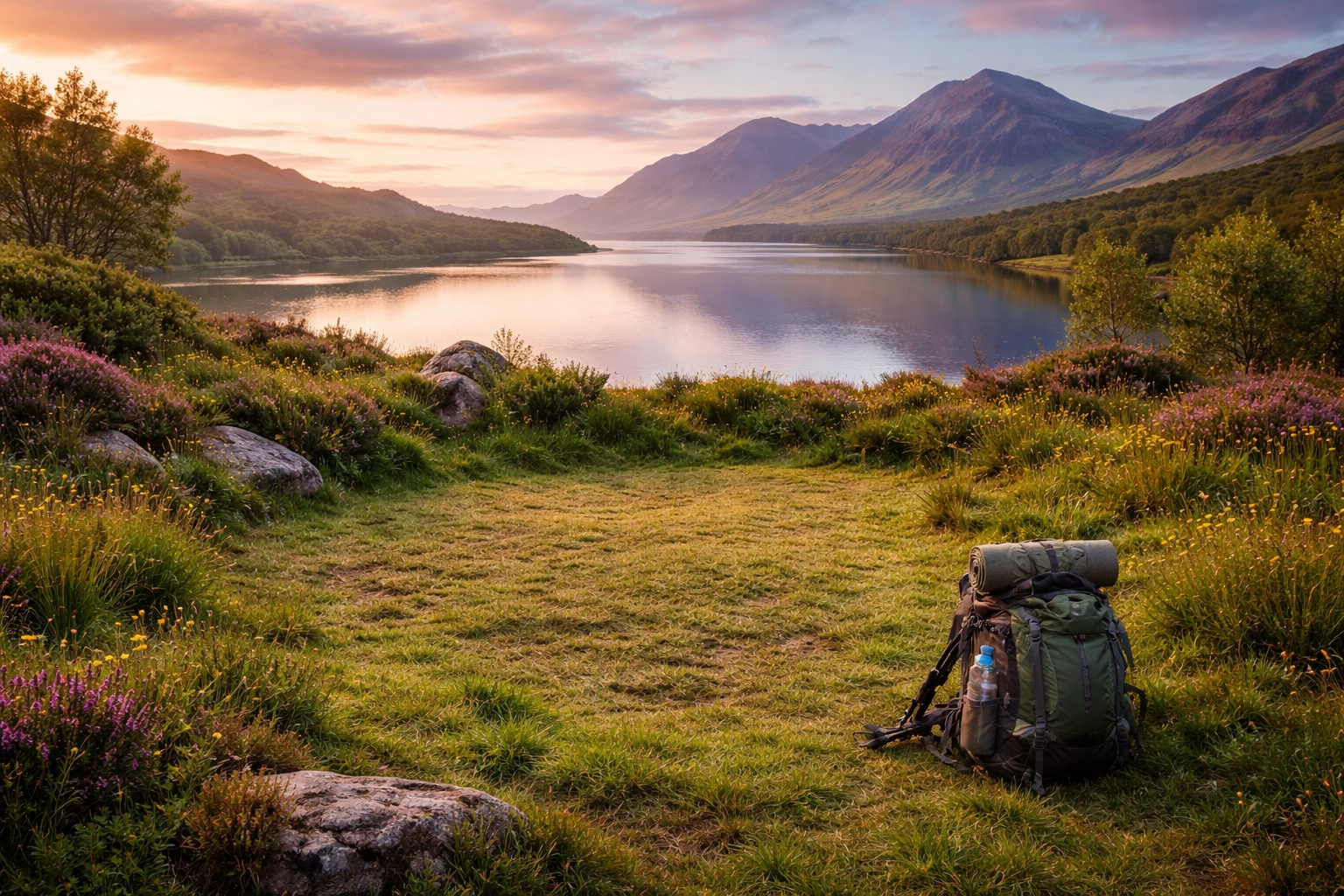
- Find natural shelter. Trees block wind. Low ground protects from exposure.
- Check the ground. Flat and dry beats scenic and soggy.
- Consider water access. Near a stream is convenient. In a flood plain is dangerous.
Arrive before dark. Give yourself time to set up properly.
Start Your Camping Adventure UK Today
These 10 skills form the foundation of every successful wild camping trip. You don't need to master them all before your first night out. But you need to start somewhere.
Practice close to home first. Camp in your garden. Try an overnight trip within 10km of your house. Build confidence gradually.
Ready to take the next step? Check out our guided adventures at Open Sky Adventure and let us help you build these skills in the field.
The wild is waiting. Go find it.