
Hey, you. Ready to get serious about your camping adventure UK style?
Wild camping in the UK is raw. It's real. It's just you and the land. But heading into the wilderness without the right skills? That's a recipe for trouble.
These 15 survival skills will keep you safe. They'll boost your confidence. Master them, and you'll unlock a whole new level of outdoor freedom.
Let's get into it.
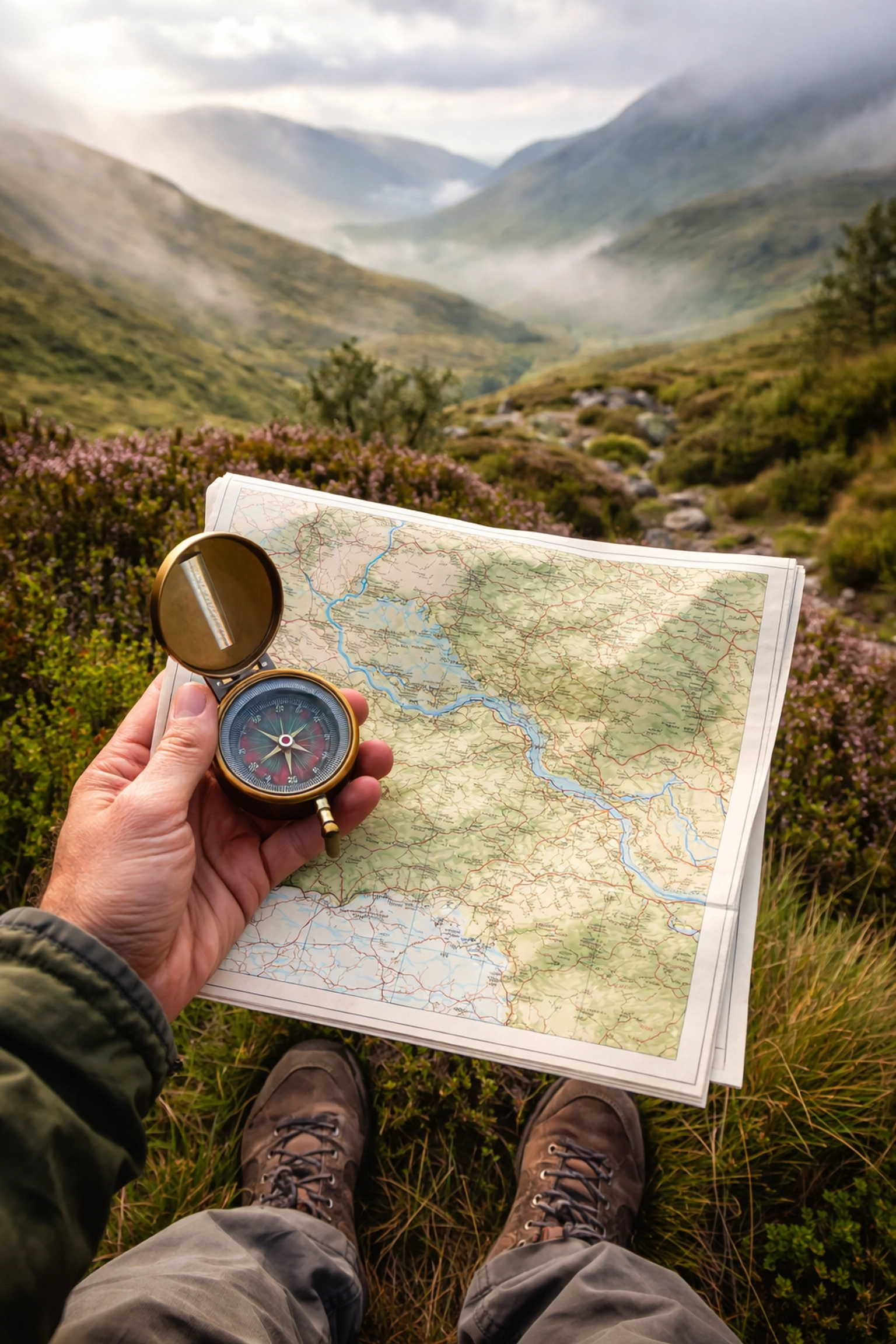
1. Navigation with Map and Compass
Your phone battery dies. GPS signal vanishes. Now what?
Learn to read a map. Understand contour lines. Take bearings with a compass. Plot your position accurately.
Practice at home first. Then test yourself on familiar trails. Build that muscle memory before you need it.
Navigation is the foundation of every camping adventure UK enthusiasts should master.
2. Finding and Purifying Water
You need water. Your body demands it.
Know how to spot clean sources. Running water from streams and rivers beats stagnant ponds every time. Stagnant water harbours bacteria. Avoid it.
Carry a water filter or purification tablets. Boiling works too. Never assume water is safe just because it looks clear.
3. Fire Starting
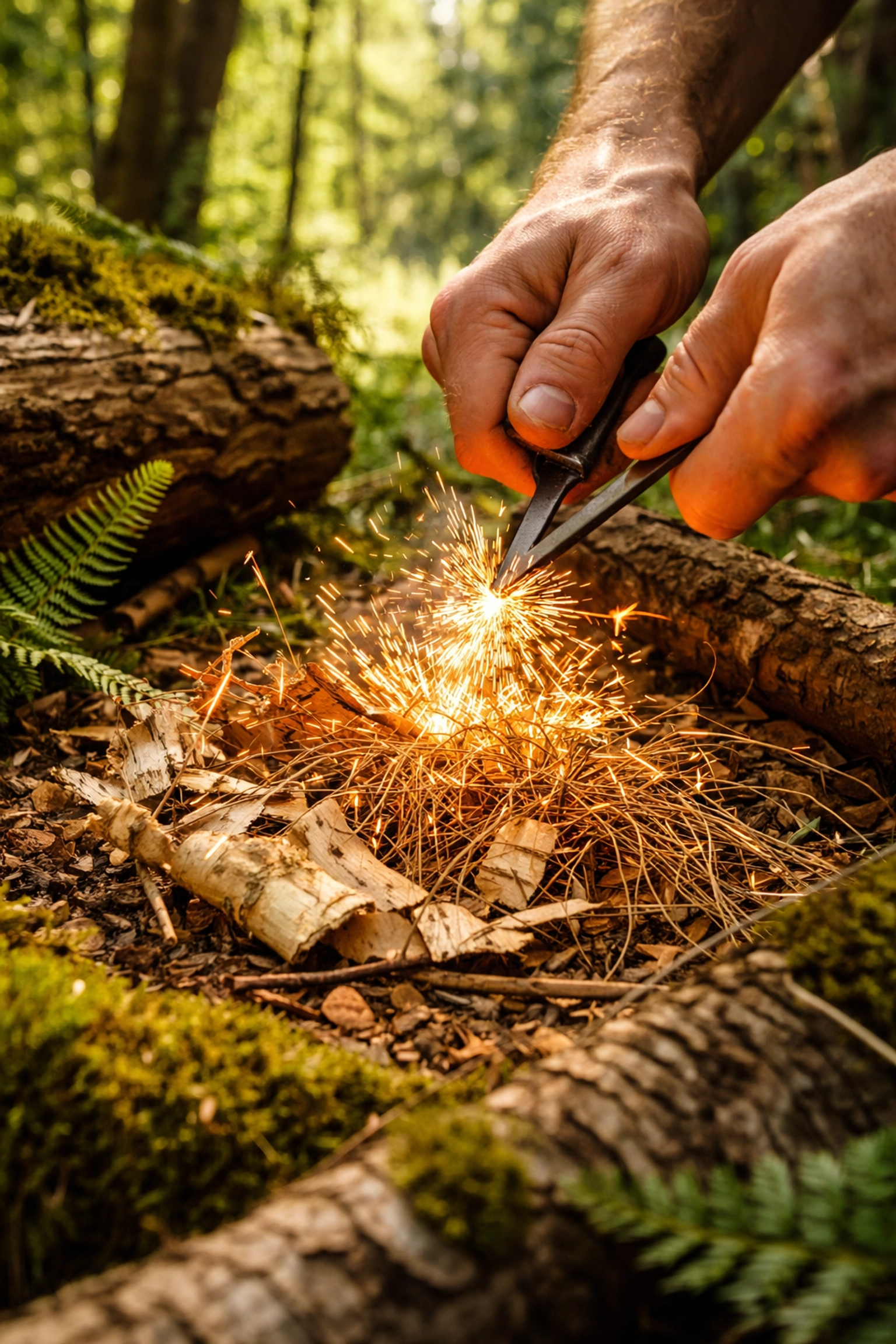
Fire means warmth. It means cooked food. It means survival.
Learn multiple methods. Waterproof matches. Ferrocerium rods. Fire steels. Know how to prepare tinder and kindling in wet conditions.
The UK is damp. Accept it. Adapt to it. Carry dry tinder in a waterproof bag. Birch bark and dry grass work brilliantly.
Practice in your garden before you're shivering on a Scottish hillside.
4. Shelter Building and Tent Setup
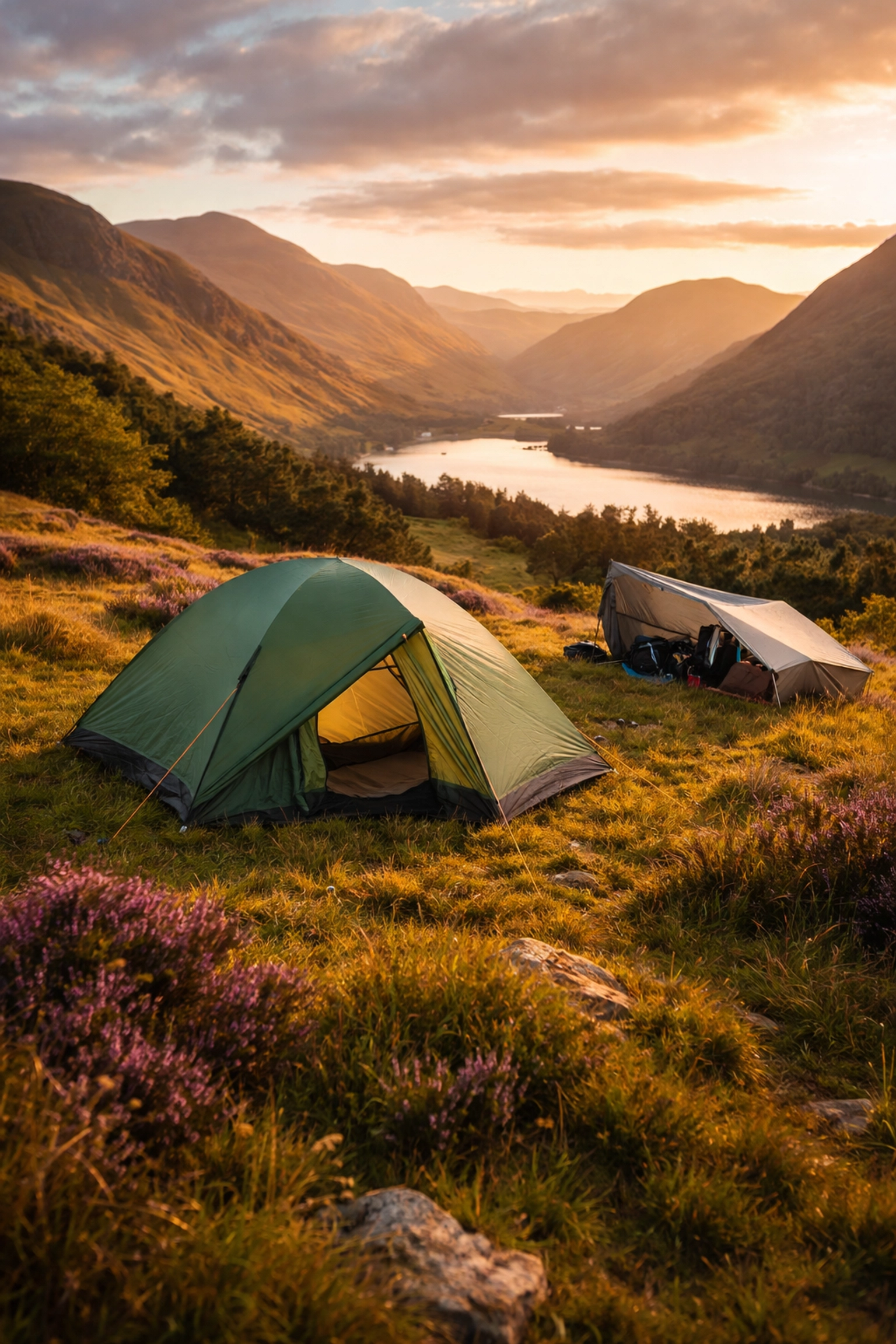
Your tent is your fortress. Know it inside out.
Set it up at home. Do it in daylight. Then do it in the dark. Understand every pole, every guy line, every peg.
Learn emergency shelter techniques too. A tarp and some cordage can save your life if your tent fails. Know how to create a basic bivouac from natural materials.
5. Weather Reading
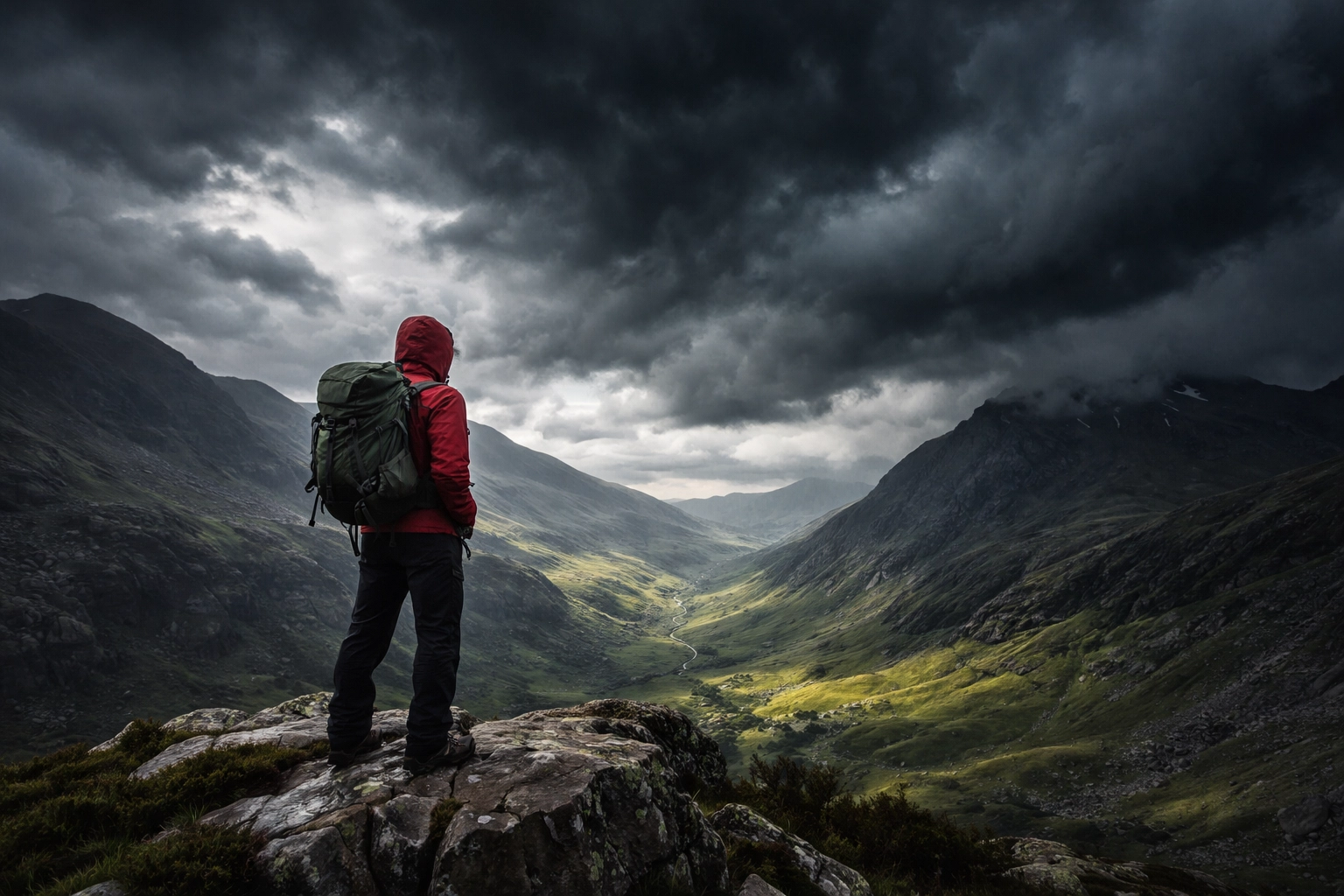
The UK weather changes fast. One minute sunshine. Next minute sideways rain.
Check forecasts before you leave. But also learn to read the sky. Dark clouds on the horizon? Wind picking up? Temperature dropping suddenly?
Recognise the signs. React early. Don't wait until you're soaked and hypothermic.
6. Basic First Aid
Accidents happen. Blisters form. Cuts sting. Ankles twist.
Carry a proper first aid kit. Know how to use everything in it. Learn to treat common injuries: sprains, burns, insect bites, hypothermia symptoms.
Take a wilderness first aid course. It's worth every penny. When you're miles from help, you become your own medic.
7. Knot Tying
Knots hold your world together out there.
Learn the essentials: bowline, taut-line hitch, clove hitch, figure-eight. Each one has a purpose. Each one could save your gear or your life.
Practice until you can tie them in the dark. Cold fingers. Tired brain. Still nail the knot.
8. Foraging Basics
The UK countryside offers free food. You just need to recognise it.
Start simple. Wild garlic. Blackberries. Nettles. Know what's safe. Know what's deadly.
Never eat anything you can't identify with 100% certainty. Get a proper guidebook. Join a foraging walk. Build knowledge slowly.
9. Leave No Trace Principles
This isn't just about survival. It's about respect.
Pack out everything you pack in. Bury human waste properly. Don't damage vegetation. Keep fires small or skip them entirely.
Wild camping guided UK experts always emphasise this. The wilderness stays wild because people like you protect it.
10. Wildlife Awareness
The UK has no bears. No wolves. But nature still demands respect.
Know your local wildlife. Understand how to store food safely. Keep distance from deer during rutting season. Watch for adders in sunny spots.
Most wildlife wants nothing to do with you. Keep it that way. Observe. Appreciate. Move on.
11. Signalling for Help
Things go wrong sometimes. Know how to call for help.
Carry a whistle. Six blasts means distress. Learn basic ground-to-air signals. Consider a personal locator beacon for remote trips.
Your phone might work. It might not. Have backup options ready.
12. Cold Weather Survival
Hypothermia kills. It creeps up quietly.
Recognise the signs: uncontrollable shivering, confusion, slurred speech, drowsiness. Know how to respond. Get dry. Get warm. Get help.
Layer your clothing. Stay dry from sweat and rain. Eat calorie-dense food. Keep moving when you need warmth.
13. Route Planning
Don't just wander. Plan smart.
Study your route beforehand. Identify water sources. Mark potential campsites. Note escape routes if weather turns nasty.
Share your plans with someone at home. Tell them where you're going. Tell them when you'll return. Check in when you can.
14. Knife Skills
A good knife is essential. Knowing how to use it is more essential.
Learn safe handling. Cut away from your body. Keep it sharp: dull blades slip. Use it for food prep, shelter building, fire starting.
Maintain your blade. Clean it. Dry it. Store it safely. A neglected knife becomes useless fast.
15. Mental Resilience
This one matters most.
Wild camping tests you. Rain hammers down. Plans fall apart. Exhaustion kicks in. Your mind wants to quit.
Don't let it.
Stay calm. Problem-solve. Break big challenges into small steps. Celebrate small wins. Keep perspective.
The wilderness rewards those who persist. Build mental toughness, and you'll handle whatever the UK landscape throws at you.
Put These Skills Into Practice
Reading about survival skills helps. Practising them transforms you.
Start small. Try one or two skills on your next trip. Build gradually. Each outing makes you stronger, smarter, more capable.
Want to fast-track your learning? Consider joining a wild camping guided UK experience. Learn from experts. Pick up techniques that take years to develop alone. Build confidence in a supported environment.
Check out Open Sky Adventure for guided trips that'll sharpen your skills and show you the UK's wildest corners.
Your Next Step
Pick one skill from this list. Practice it this week.
Then pick another. Keep building. Keep growing.
The wilderness is waiting. Go meet it prepared.