
Hello. You are ready to explore. You want to sleep under the stars. You want to see the UK wilderness. A wild camping guided UK trip is the best way to start. It is safe. It is fun. It is educational.
You should not go empty-handed. You need knowledge. You need a base. Your guide will help you. But you must help yourself first. Master these ten skills. They will keep you safe. They will keep you dry. They will make your adventure better.
Read these. Learn these. Practice these.
1. Master Map and Compass Navigation
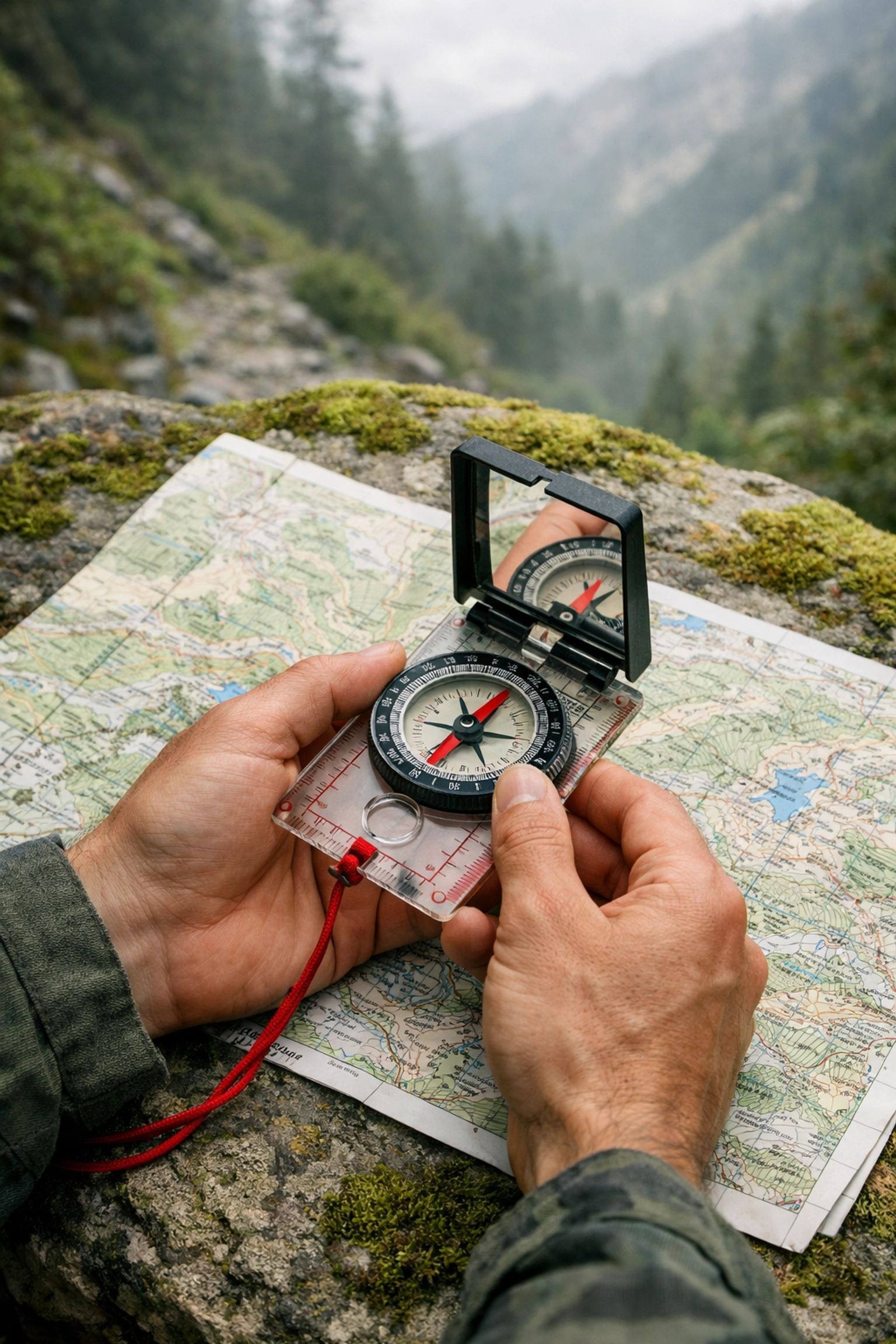
Do not rely on your phone. Batteries die. Screens smash. Signals vanish in the valleys. Buy an Ordnance Survey map. Get a baseplate compass. Learn what the lines mean.
Orient your map. Make it match the ground. Identify peaks. Identify rivers. Follow your progress. Do not wait until you are lost. Check your position often. Look at the map every ten minutes. Compare the paper to the hills.
Learn to take a bearing. It is a simple skill. It saves lives in the mist. Practice in your local park. Walk a square. End where you started. You are now ready for the moors.
2. Identify the Perfect Campsite
Location is everything. Do not just stop because you are tired. Look for high ground. Avoid the bottom of the hill. Water pools there. Cold air sits there. You will get wet. You will get cold.
Find flat ground. Check for rocks. Check for roots. Look up. Avoid dead trees. Branches fall in the wind. These are called widow-makers. Stay away.
Seek shelter from the wind. Use a stone wall. Use a small ridge. Do not pitch on the summit. The wind will destroy your tent. Find the balance. Stay dry, stay safe, and stay warm. For more tips, check out this beginner's guide to survival skills.
3. Pitch Your Tent in Bad Weather
Practice at home. Pitch your tent in your garden. Do it in the dark. Do it in the rain. Do it with gloves on. You need to know your gear. You need to know it well.
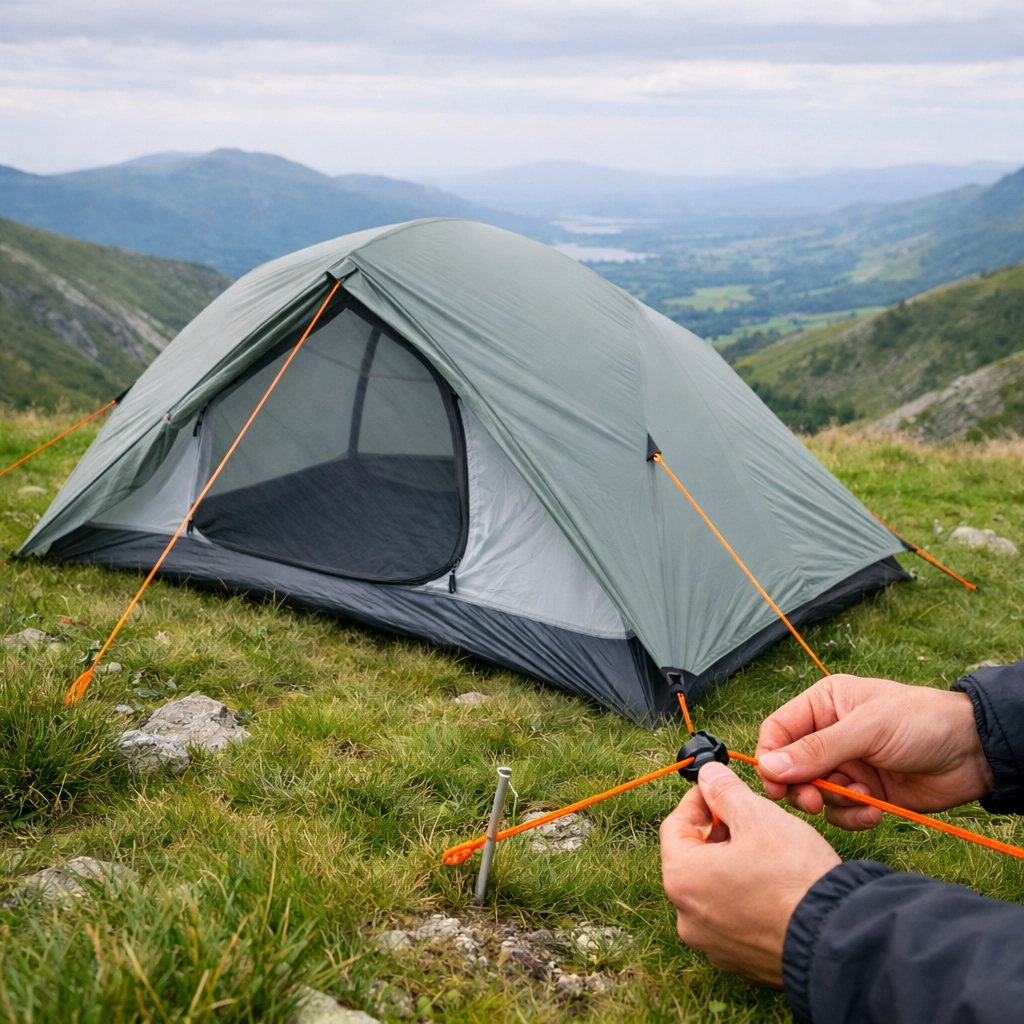
Keep the inside dry. Pitch the outer layer first if you can. Use every peg. Use every guy line. Tension the fabric. A flapping tent is a weak tent. The wind will rip it.
Face the door away from the wind. This keeps the rain out. This keeps the heat in. Secure your gear inside immediately. Weigh down the corners. Your tent is your home. Treat it with respect.
4. Understand Leave No Trace Principles
The UK wild is fragile. Protect it. Take nothing but pictures. Leave nothing but footprints. This is the law of the wild camper.
Carry all trash out. Every scrap. Every wrapper. Even fruit peels. They take years to rot. Do not burn your rubbish. It leaves a mess. It attracts animals.
Use a trowel. Walk 50 meters from water. Dig a deep hole. Bury your waste. Pack out your paper. Keep the water clean for everyone. Stay invisible. Leave the spot better than you found it.
5. Source and Purify Water
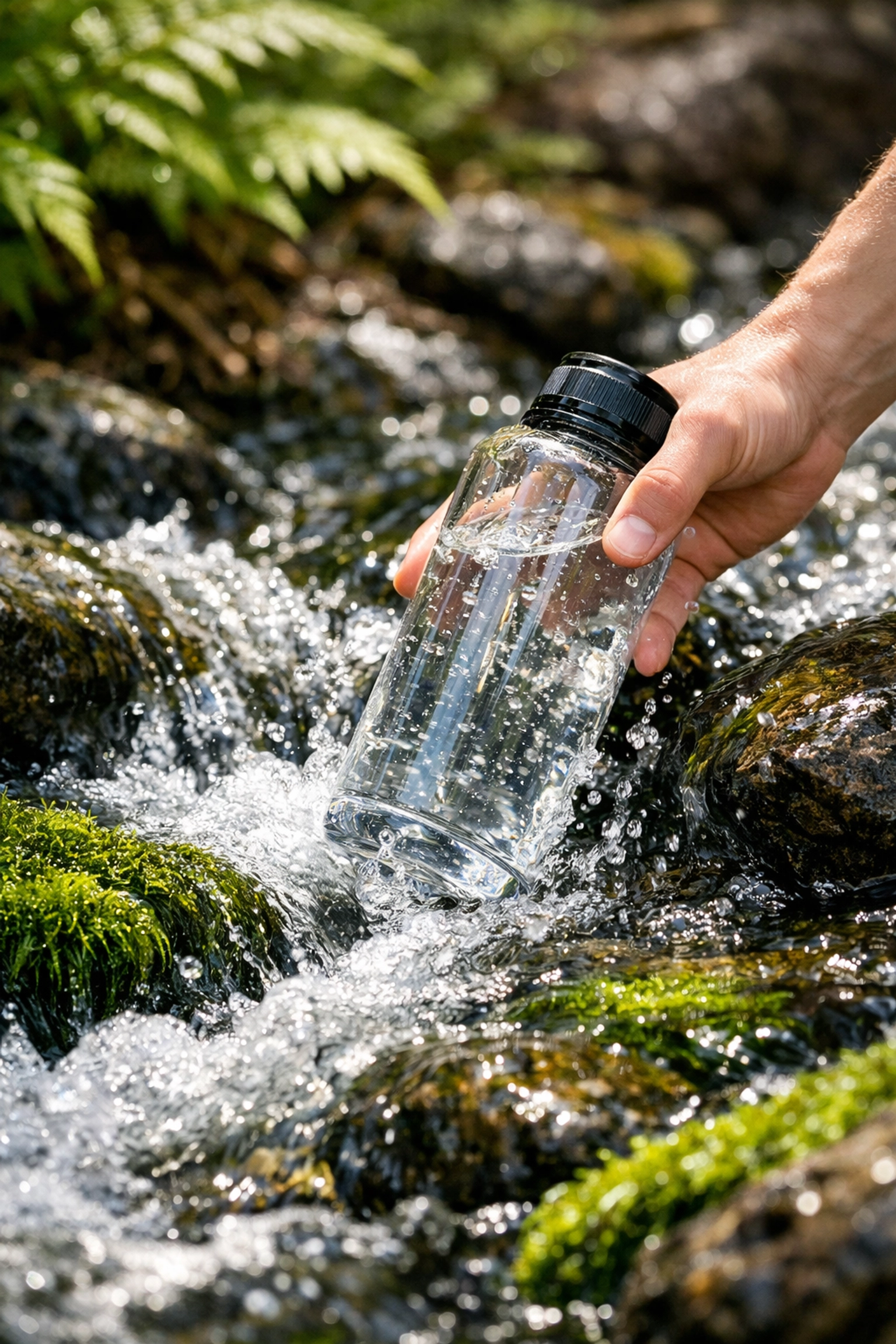
You cannot carry all your water. It is too heavy. You must find it. Look for moving water. Avoid stagnant ponds. Avoid water near livestock. Sheep carry parasites.
Always purify. Use a filter. Use tablets. Boil it for one minute. Do not skip this. Stomach bugs ruin trips. They are dangerous in the wild.
Fill your bottles at every chance. You do not know when the next stream appears. Drink often. Stay hydrated. Dehydration leads to bad decisions. Bad decisions lead to accidents.
6. Manage Your Stove and Fuel
Fire is rare in wild camping. It scars the ground. Most guides forbid it. Use a stove. Learn how it works. Check the seals. Check the fuel levels.
Place it on a stable surface. Use a stove board or a flat rock. Do not cook inside your tent. Carbon monoxide kills. Fires melt fabric. Cook in the porch. Keep the door open.
Shield the flame from the wind. Use a windshield. It saves fuel. It speeds up boiling. Keep your fuel away from the flame. Store it upright. Eat hot food. It boosts morale.
7. Read the UK Weather
The weather changes fast. One minute is sun. The next is a storm. Watch the sky. Look at the clouds. Dark, heavy clouds mean rain. High, wispy clouds mean a change is coming.
Feel the wind. A sudden drop in temperature means a front is hitting. Check the forecast before you lose signal. Use the Met Office. Use MWIS.
Carry layers. Put on your waterproofs before it rains. Do not wait. Once you are wet, you stay wet. Moisture saps heat. Keep your dry clothes in a waterproof bag. For more advice, see these essential survival skills.
8. Basic First Aid and Foot Care
Your feet are your transport. Look after them. Stop if you feel a hot spot. Apply tape immediately. Do not wait for a blister. A blister is a failure.
Carry a small kit. Include bandages. Include antiseptic. Include painkillers. Know how to use them. Learn to clean a wound in the wind.
Stay warm to stay healthy. Eat calories. Your body needs fuel to generate heat. Watch your partners. Look for signs of fatigue. Look for signs of cold. Help each other.
9. Emergency Signaling and Communication
Know your location at all times. Use a six-figure grid reference. Write it down. If you need help, you must be precise.
Carry a whistle. Six blasts is the UK emergency signal. Pause for one minute. Repeat. Use a torch at night. Six flashes.
Tell someone your plan. Give them your route. Give them your return time. Tell them who to call if you are late. This is your safety net. Do not forget it.
10. Efficient Packing and Load Carrying
Weight is the enemy. Every gram counts. Pack the heavy items close to your back. Put them in the middle of the pack. This keeps your balance.
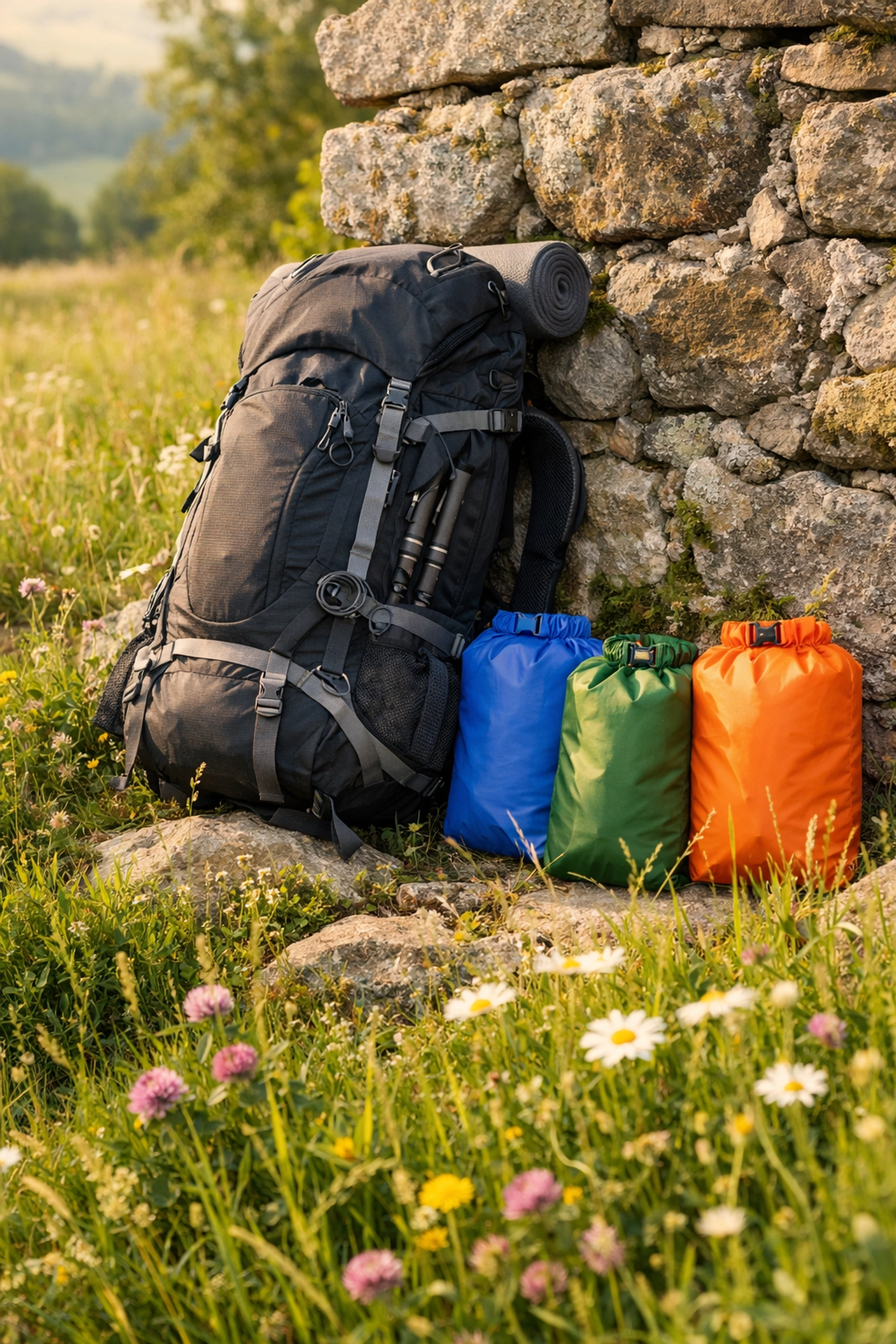
Use dry bags. Color code them. Food in red. Clothes in blue. Tools in green. You will find things faster. You will keep things drier.
Adjust your straps. Use the hip belt. The weight should be on your legs, not your shoulders. Tighten the load lifters. Walk tall. Take short steps on hills. Save your energy.
Master these skills now to prepare for your next adventure. Proceed to find your gear and test it this weekend.