
Hey there, future adventurer! Ready to take on your first camping adventure UK style? Good. The British wilderness is calling. But before you head out, you need some skills in your back pocket.
Wild camping in the UK is incredible. It's also unforgiving if you're unprepared. Don't worry. We've got you covered.
Here are the 10 essential survival skills that'll keep you safe, warm, and smiling under the stars.
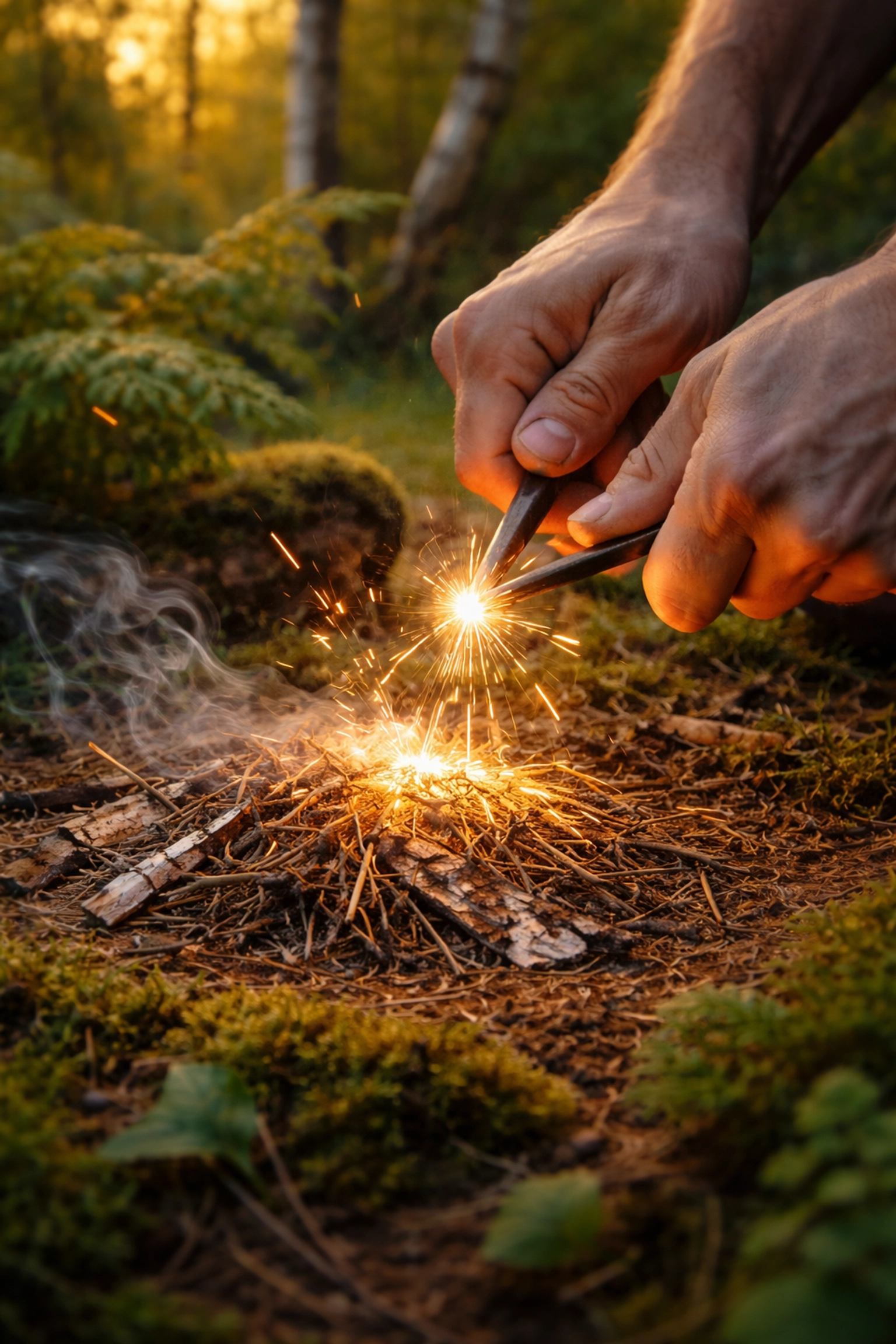
1. Fire Making and Management
Fire is everything. It keeps you warm. It cooks your food. It lifts your spirits when the rain won't stop.
Learn multiple methods. Start with a ferrocerium rod. It's reliable and works when wet. Then try flint and steel. Eventually, challenge yourself with a bow drill.
Practice at home first. Then practice in different weather. Wind, drizzle, damp wood: get comfortable with all of it.
Quick tip: Always carry dry tinder in a waterproof bag. Cotton balls soaked in petroleum jelly work brilliantly.
2. Shelter Building and Setup
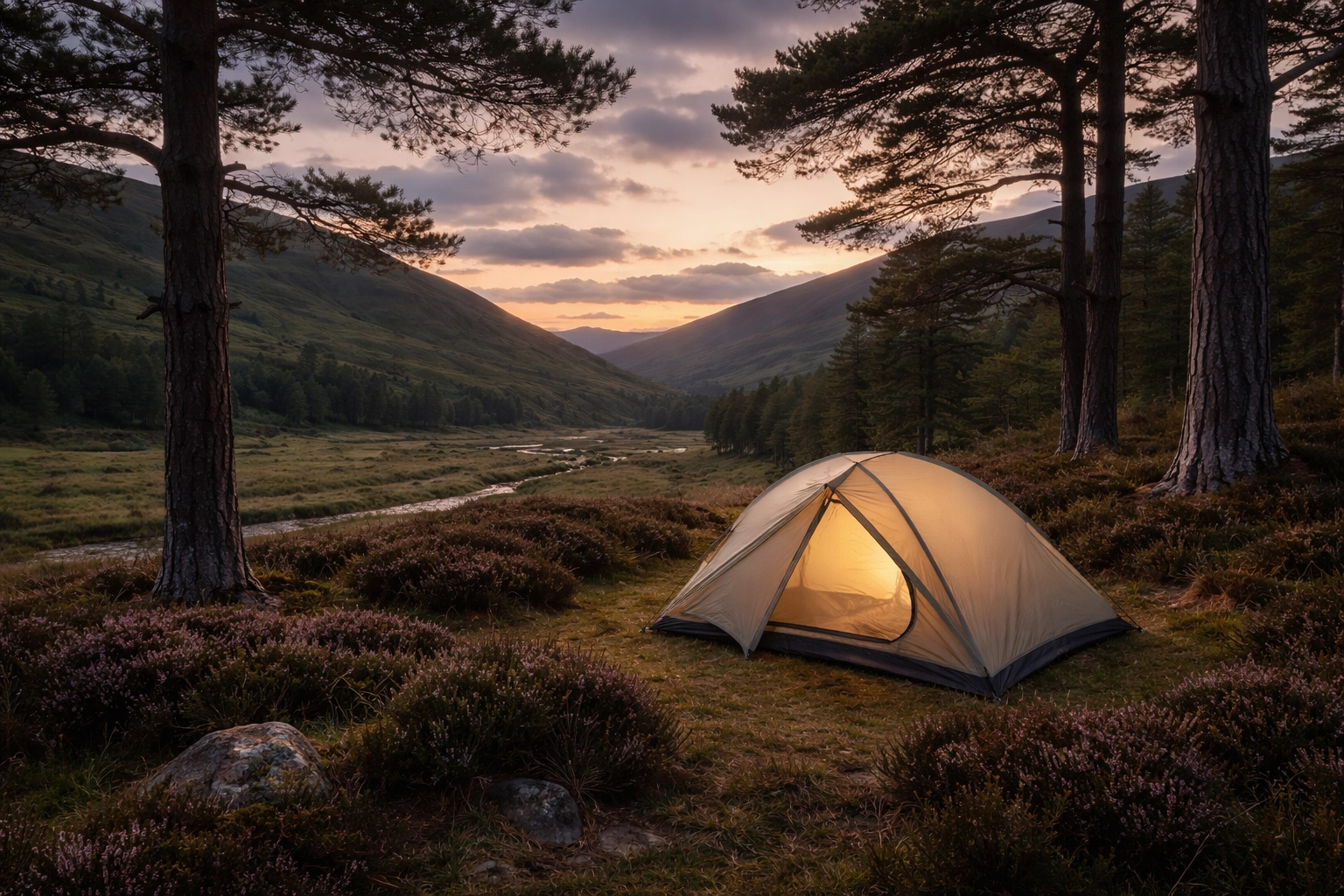
Your shelter is your home out there. Get it wrong and you're in for a miserable night.
Start simple. Use a lightweight tent or tarp for your first trips. Learn to pitch it fast and secure it properly. Then progress to improvised shelters as your confidence grows.
Location matters more than you think. Look for:
- Level, dry ground
- Natural windbreaks like trees
- Distance from water sources (flash floods are real)
- Spots away from footpaths
Golden rule: Pitch late, leave early. Arrive with daylight. Set up comfortably. Leave no trace.
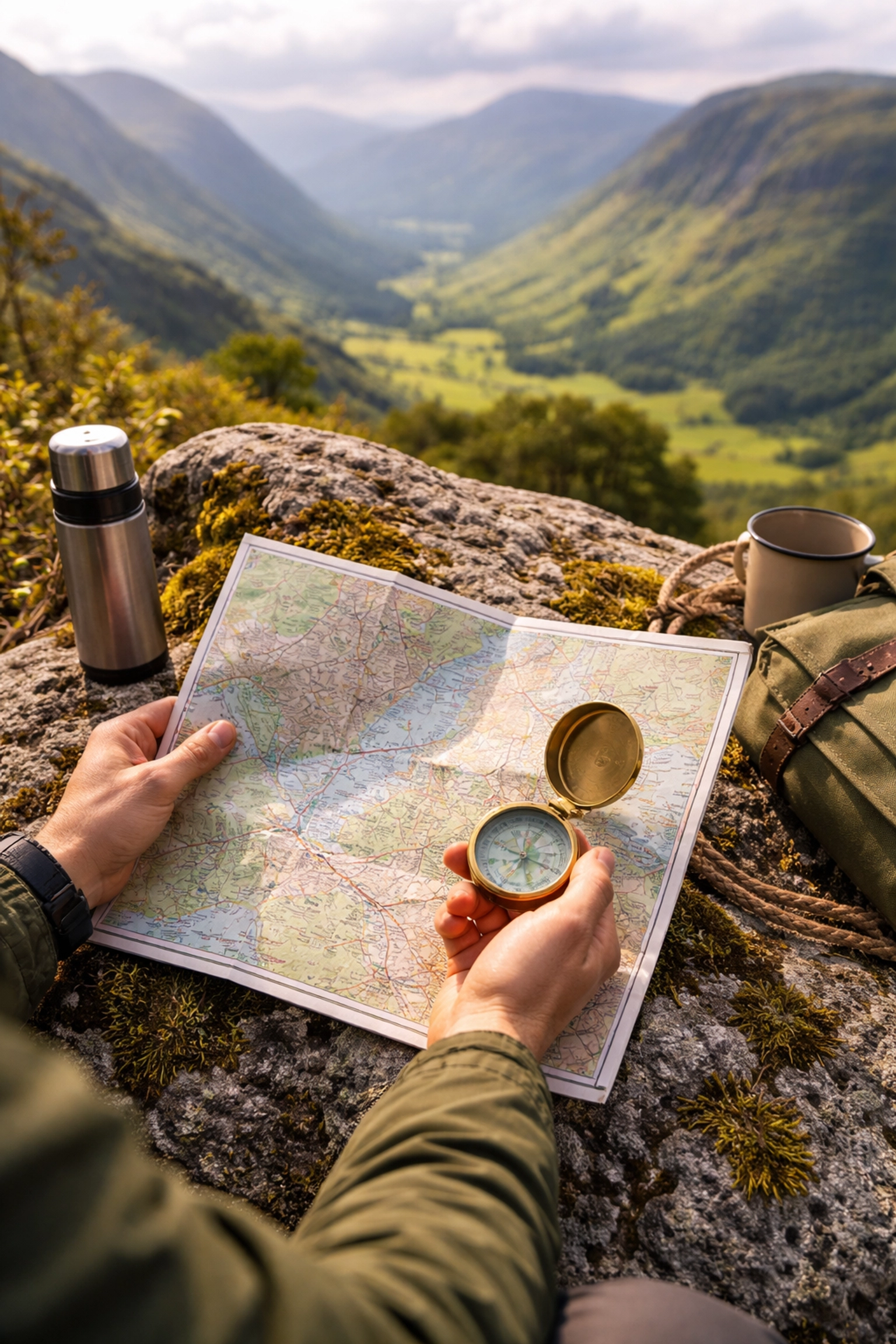
3. Navigation with Map and Compass
Your phone battery will die. GPS signals fail. That's when a map and compass save the day.
Carry a detailed topographic map of your area. Learn to read contour lines. Understand how to take a bearing. Plot your position before you need to.
This skill takes practice. Start on familiar trails. Build up to more remote locations. Don't rely solely on technology for your camping adventure UK trip.
Pro tip: Download offline maps to your phone as a backup. But always carry physical navigation tools.
4. Water Sourcing and Purification
You can survive weeks without food. Only days without water. Finding and treating water is non-negotiable.
Learn to spot water sources. Streams, rivers, and springs are your friends. Standing water is risky.
Purify everything. Boiling is the most reliable method. Bring water to a rolling boil for at least one minute. Purification tablets work too. Keep them in your kit.
Important: Camp away from water sources. It protects the environment and keeps your camp hygienic.
5. First Aid Knowledge
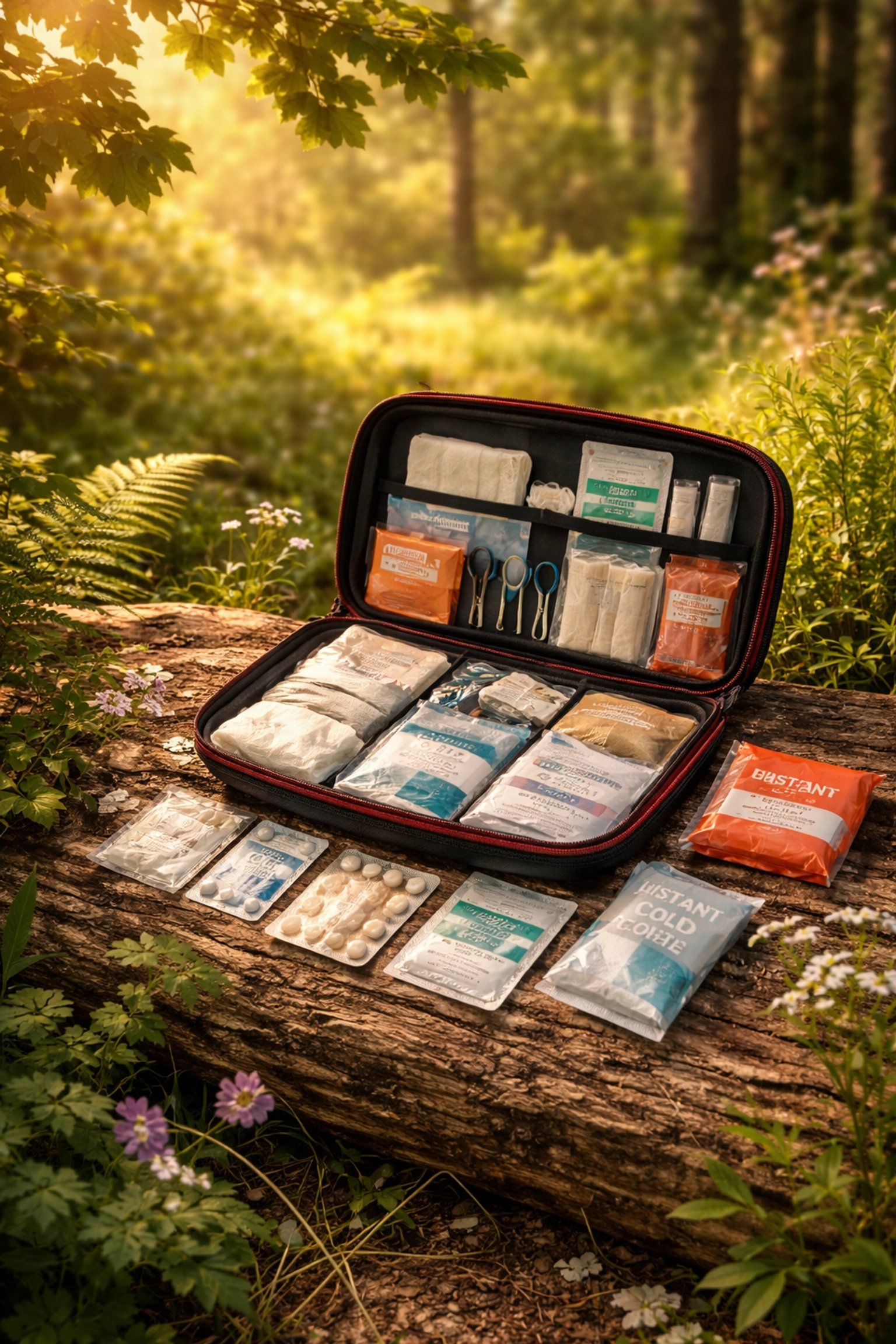
Things go wrong outdoors. Blisters happen. Sprains happen. Cuts happen. Be ready.
Build a customised first aid kit. Include:
- Bandages and plasters
- Antiseptic wipes
- Blister treatment
- Pain relief
- Personal medications
- Tweezers
- Emergency blanket
Learn basic first aid before you go. Know how to treat common injuries. Take a wilderness first aid course if you're serious about this.
Remember: In emergencies, dial 999 for mountain rescue in the UK.
6. Camp Setup and Site Selection
A good camp starts with a good spot. Choose wisely.
Arrive with plenty of daylight. Scout the area. Check the ground. Is it level? Is it dry? Is it sheltered from wind?
Avoid pitching near:
- Cliff edges
- Dead trees (widow makers)
- Low ground that collects water
- Animal trails
Set up your shelter first. Then organise your cooking area downwind. Keep food storage away from your sleeping area.
If you're new to wild camping guided UK experiences can teach you these skills hands-on. Consider joining a group for your first outing.
7. Knife Skills and Tool Usage
A good knife is your most versatile tool. Learn to use it safely.
Choose a fixed blade knife with a 4-5 inch blade. It's sturdy and reliable. Folding knives have their place but fixed blades are better for bushcraft.
Master the basics:
- Safe grip techniques
- Cutting away from your body
- Batoning wood
- Carving
- Food preparation
Keep your knife sharp. A dull blade is more dangerous than a sharp one. Carry a sharpening stone.
8. Knot Tying and Cordage Skills
Knots hold your world together out there. Literally.
Start with these essential knots:
- Bowline – creates a fixed loop that won't slip
- Taut-line hitch – adjustable tension for guy lines
- Clove hitch – quick attachment to poles or trees
- Figure-eight – strong stopper knot
Practice until they're muscle memory. You'll need to tie them in the dark, in the rain, with cold fingers.
Carry paracord. It's lightweight, strong, and endlessly useful.
9. Appropriate Clothing and Temperature Regulation
Cotton kills. Seriously. It holds moisture and drains your body heat.
Layer smart:
- Base layer: Merino wool or synthetic. Wicks moisture away.
- Mid layer: Fleece or down. Traps warmth.
- Outer layer: Waterproof and windproof. Keeps the elements out.
Pack extras. Socks especially. Wet feet ruin everything.
Don't forget:
- Warm hat (you lose massive heat through your head)
- Insulated waterproof gloves
- Neck gaiter or buff
Check the weather before you go. But prepare for worse. British weather changes fast.
10. Emergency Communication and Risk Management
Hope for the best. Plan for the worst.
Tell someone your plans. Where you're going. When you'll be back. Stick to that plan.
Keep your phone charged. Carry a power bank. But don't rely on it entirely.
Consider a personal locator beacon for remote trips. It's an investment that could save your life.
Key principles:
- Don't take unnecessary risks
- Know your limits
- Turn back if conditions change
- Trust your instincts
Before You Go: Test Your Setup
Here's a secret. Test everything at home first.
Pitch your tent in the garden. Sleep in it overnight. Cook a meal on your stove. Check your kit. Did you forget the tent pegs? The matches? Now you know.
Create a packing checklist. Use it every time. Tick things off as they go in the bag.
Charge everything. Head torch. Power bank. GPS device. Leave nothing to chance.
Your first camping adventure UK trip should be exciting, not stressful. These 10 skills give you the foundation to explore with confidence.
Start small. Build experience. Push your boundaries gradually.
The wilderness rewards the prepared. So get practicing. Get packing. Get out there.
Ready to take the next step? Check out Open Sky Adventure for wild camping guided UK experiences that'll fast-track your skills and connect you with fellow outdoor enthusiasts.
See you under the open sky.