
Let's cut through the noise.
You've seen the survival course ads. You've watched the bushcraft videos. Now you're wondering if you need formal training before your first wild camping adventure uk trip.
Here's the truth: it depends on where you're going and what you already know.
The Reality of UK Wild Camping
Wild camping in the UK isn't Bear Grylls territory.
You're not dropped into the Amazon with a knife and a camera crew. You're pitching a tent in the Scottish Highlands or the Lake District. You've got gear, a mobile phone, and civilization within hiking distance.
Most UK camping adventure scenarios don't require advanced survival skills. They require common sense, preparation, and a handful of core competencies.
The Skills That Actually Matter
Focus on these fundamentals first.
Weather Reading and Shelter Setup
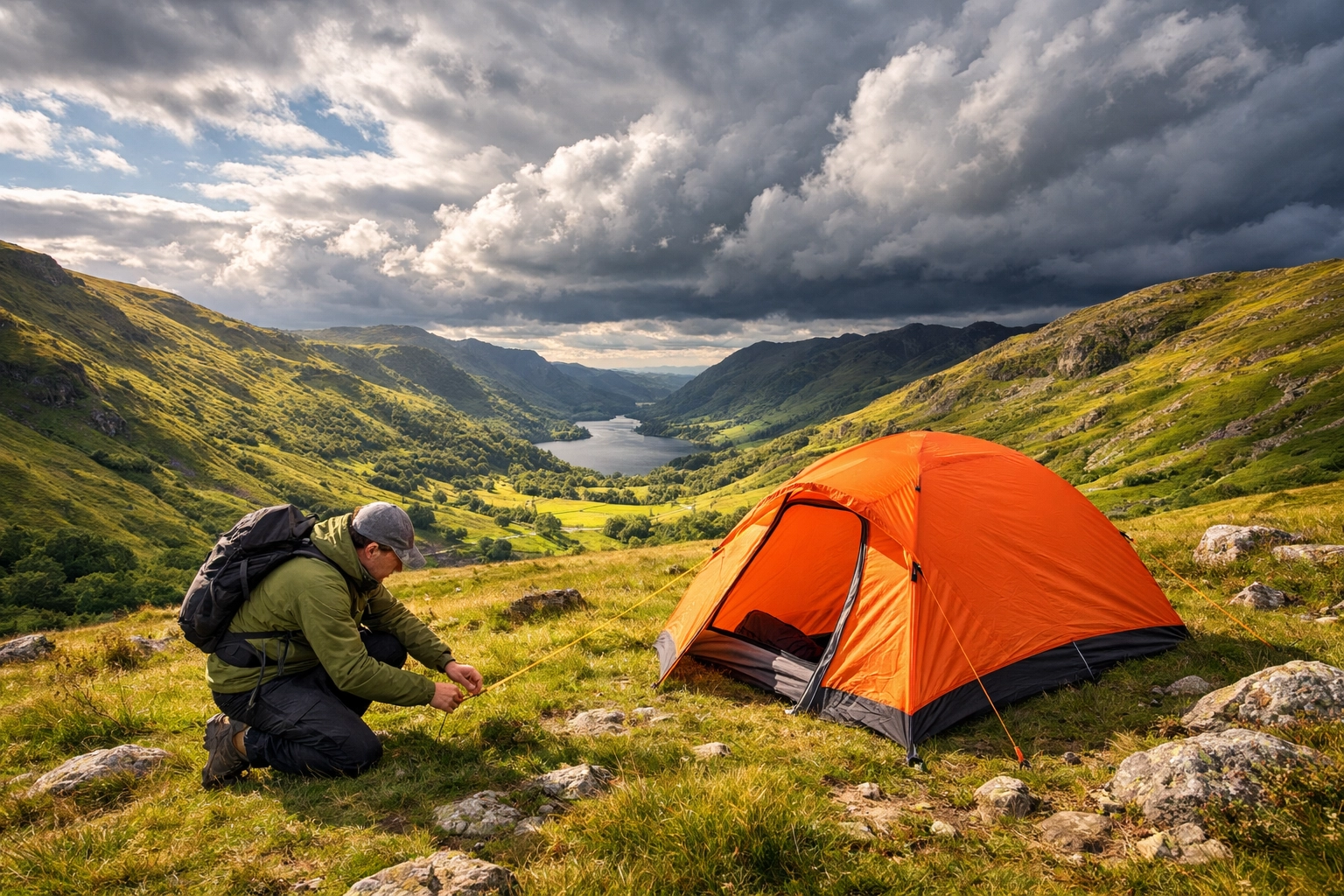
You need to pitch your tent before the weather turns. Read the sky, check forecasts, and know how to secure your shelter in wind. This matters more than building a debris hut from scratch.
Navigation Without Technology
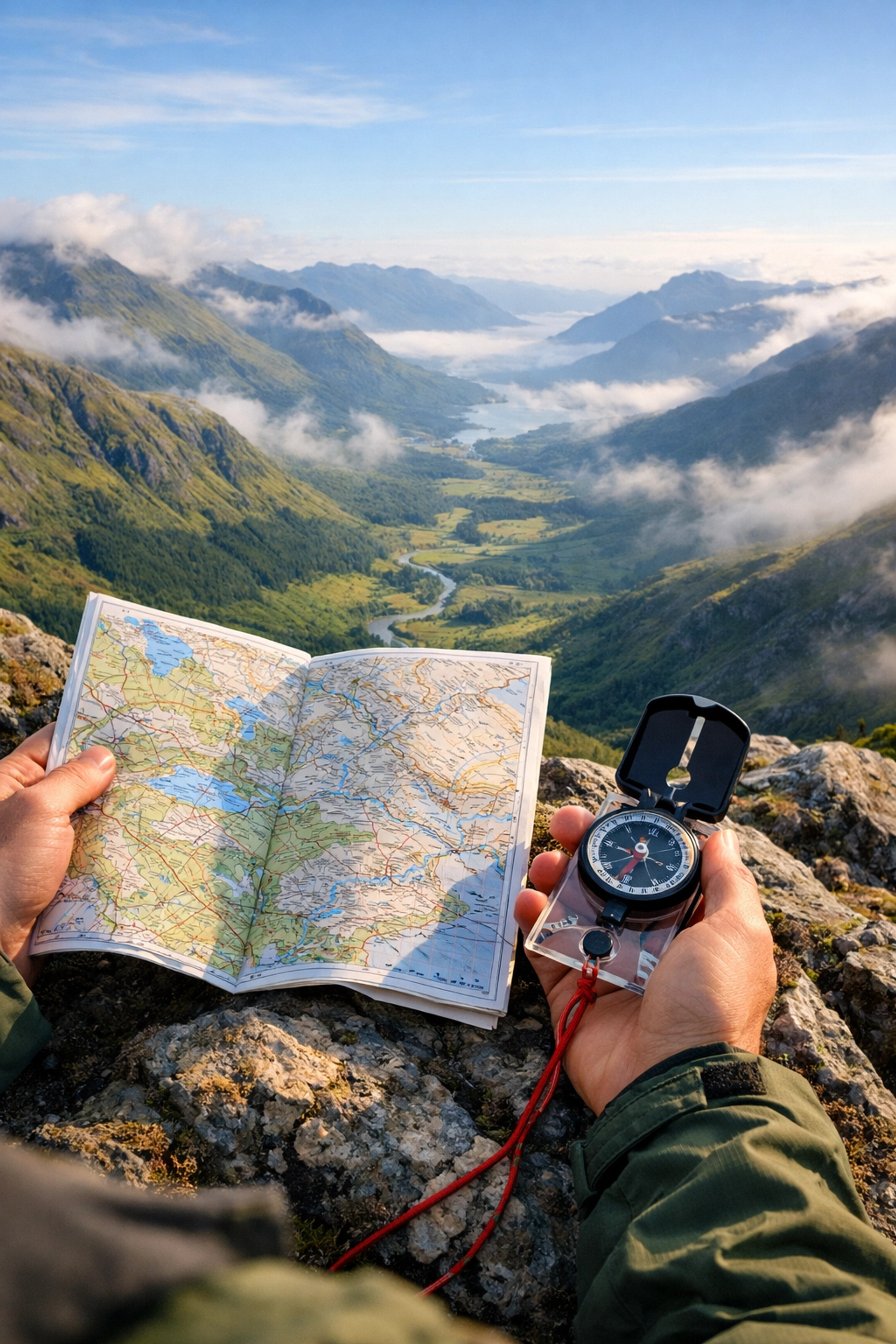
Your phone dies. Your GPS fails. Can you read a map and use a compass? This skill keeps you safe when batteries run out. Learn it before you go.
Fire Starting in Wet Conditions
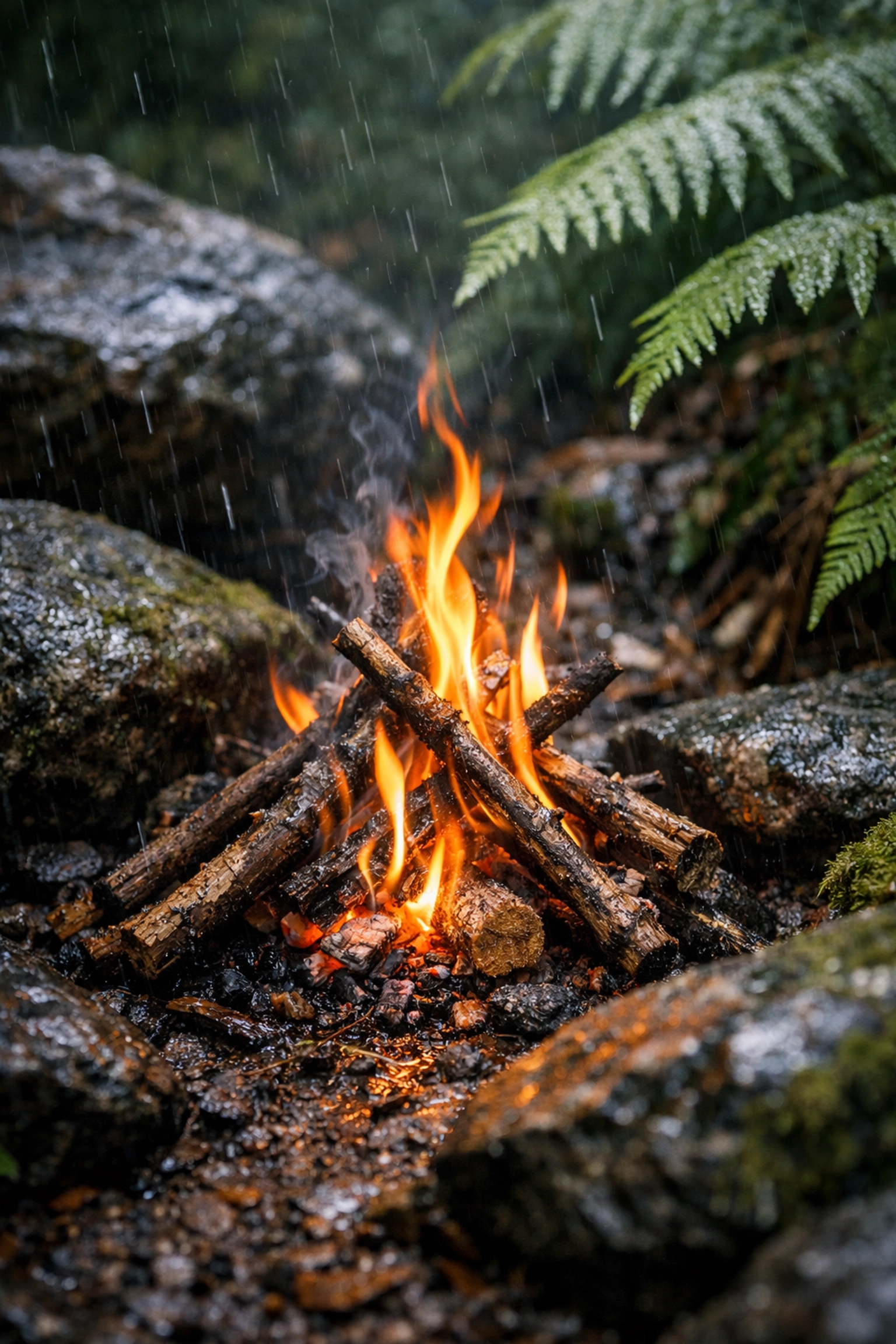
UK weather means rain. You need fire for warmth and morale. Practice with matches, lighters, and fire starters until you can get a flame going in drizzle.
Water Safety
Know where to find water sources. Carry purification tablets or a filter. Don't drink from streams without treatment, even in remote areas.
Basic First Aid
Blisters, cuts, sprains, hypothermia. These are your real risks. Take a first aid course or refresh your knowledge before heading out.
When You Don't Need a Survival Course
Skip the formal training if you're starting small.
Planning a weekend trip to a designated camping area? You'll be fine with basic research and proper gear. Watch YouTube tutorials, read guides, and practice in your garden.
Going with experienced friends on a wild camping guided uk trip? Learn from them. Ask questions, help with setup, and absorb their knowledge.
Camping near facilities with clear trails and mobile signal? Your biggest challenge is remembering the tent poles, not wilderness survival.
When a Course Makes Sense
Consider formal training in these situations.
You're Going Remote
Planning multi-day treks in the Scottish wilderness? A course gives you confidence for serious isolation. You'll learn risk assessment, emergency protocols, and self-rescue techniques.
You Want to Lead Groups
Taking friends or family into the wild? You're responsible for their safety. Proper training teaches you how to manage group risks and handle emergencies.
You're Building Long-Term Skills
Passionate about outdoor adventures and want to grow? Courses accelerate your learning. You'll avoid dangerous mistakes and build a solid foundation.
Winter Camping Is Your Goal
Cold weather camping requires different skills. Snow shelters, frost protection, and hypothermia management need hands-on instruction.
The Rule of 3s for UK Camping
Survival instructors teach this framework. Apply it to your trip planning.
Three minutes without oxygen. Not relevant for most camping, but know CPR basics.
Three hours without shelter in harsh conditions. This matters. Get your tent up fast when weather changes.
Three days without water. Carry enough water and know how to purify more. Dehydration kills your trip before anything else.
Three weeks without food. You'll be fine. Pack enough calories but don't stress about foraging skills for a weekend trip.
Skills You Can Learn Without a Course
Self-teaching works for these basics.
Tent Setup and Maintenance
Practice at home. Set up your tent in daylight, then try it in the dark. Learn to fix broken poles and patch tears.
Cooking Outdoors
Master your camping stove before you leave. Know how to cook efficiently and store food safely from wildlife.
Leave No Trace Principles
Research proper waste disposal, campfire protocols, and environmental protection. This knowledge is free online.
Knot Tying
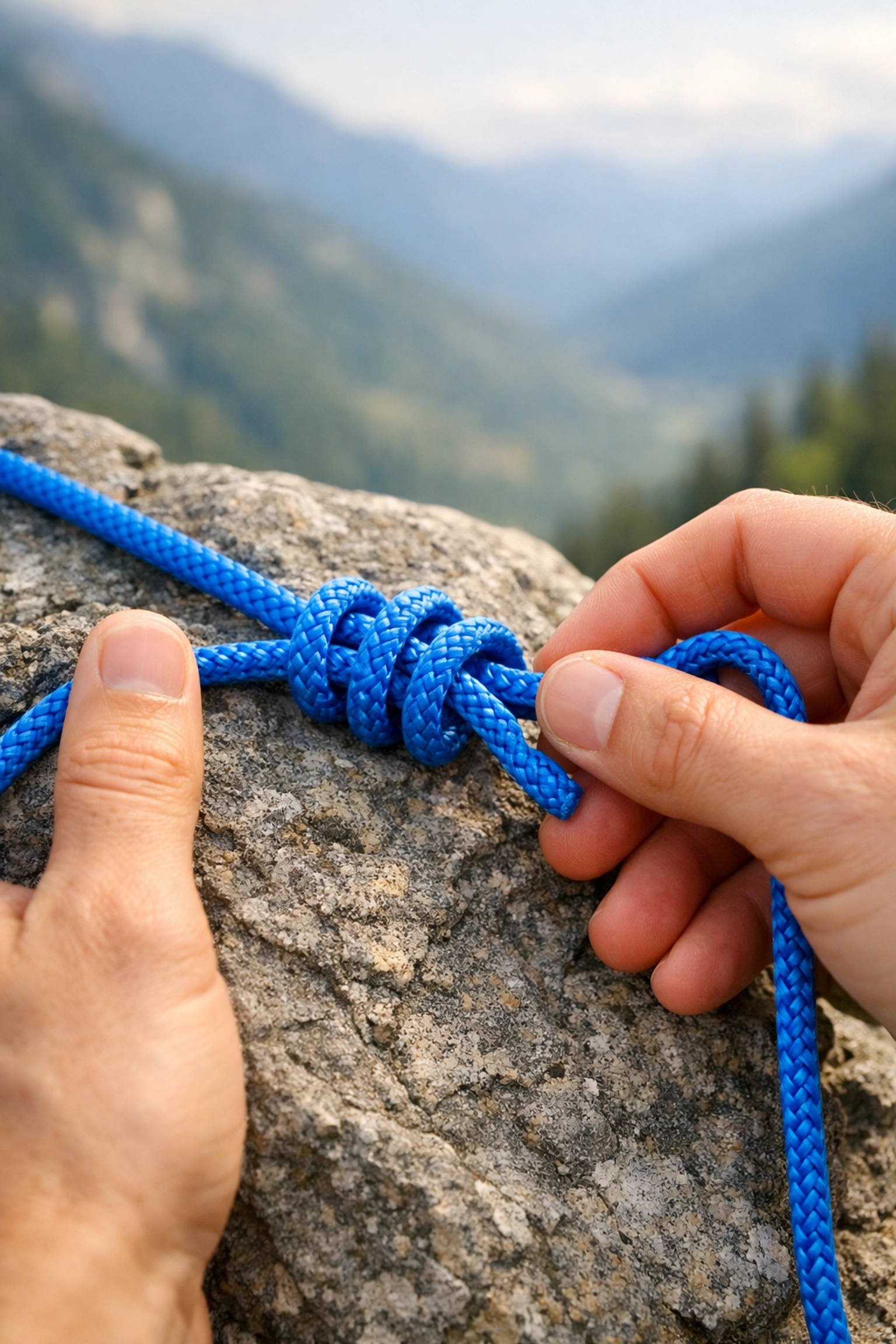
Learn five essential knots. Guy line tension, securing gear, and emergency repairs all need basic rope skills.
What Courses Actually Teach
Know what you're paying for before signing up.
Most UK survival courses cover fire lighting techniques, shelter building options, knife safety and usage, water sourcing and purification, navigation with map and compass, and plant identification basics.
These are taught hands-on over one to three days. You practice in controlled environments with instructor feedback.
The value isn't just the skills. It's the confidence to handle problems and the ability to assess risks properly.
Building Skills Gradually
Start easy and progress slowly.
Trip One: Campsite With Facilities
Use established sites with toilets and water. Focus on tent setup, cooking, and basic outdoor living.
Trip Two: Simple Wild Camp
Pick an accessible location close to roads. Practice your navigation and self-sufficiency with an easy escape route.
Trip Three: Remote Wild Camping
Go further out with confidence. Test your skills in more challenging conditions.
Consider Training Between Trips
Take courses or practice sessions during this progression. Build skills as your ambitions grow.
The Cost-Benefit Analysis
Weigh your investment carefully.
Survival courses in the UK range from £100 for weekend introductions to £500+ for advanced multi-day programs. Compare this to the cost of quality gear, which you'll need regardless.
If you're camping twice a year casually, invest in gear and research instead. If you're planning regular wild camping adventures or want to develop serious outdoor competence, formal training pays off.
Your Action Plan
Here's how to decide and move forward.
Assess Your Goals
Write down where you want to camp and how often. Be honest about your experience level and comfort with outdoor challenges.
List Your Current Skills
Can you navigate, start fires, and handle your gear confidently? Identify gaps in your knowledge.
Start With Free Resources
Watch tutorials, read guides, and practice basic skills. See how far self-teaching takes you.
Plan Your First Trip Conservatively
Choose an easy location with backup options. Test yourself without excessive risk.
Consider Guided Experiences First
Join a wild camping guided uk adventure with professionals. Learn while being supported, then assess if you need formal training.
The Bottom Line
You don't need a survival course to enjoy wild camping in the UK. You need preparation, common sense, and core practical skills.
Start with accessible locations and basic competencies. Build your skills through experience and targeted learning. Consider formal training when your ambitions outgrow casual research.
The UK outdoors offers incredible camping adventure uk opportunities without extreme survival demands. Respect the environment, prepare properly, and grow your capabilities at your own pace.
Now check your gear list, pick a location, and book your first trip. The best way to learn is by doing.