
Welcome to the wild side. You want to ditch the crowded campsites and find peace in the hills. A wild camping guided UK trip is the best way to start. It takes the stress out of planning and keeps you safe. But you cannot just show up with a bag and hope for the best. You need to know some basics.
Mastering these skills makes your camping adventure UK better. It builds confidence, keeps you warm, and ensures you leave the land as you found it. Here are 10 outdoor survival skills you should nail before you head out.
1. Navigation Without a Screen
Your phone will die. The signal will drop in the valleys. You must know how to use a paper map and a compass. This is the foundation of any trip.
- Buy an OS Explorer map for your area, learn the symbols, understand the contour lines.
- Identify north, align your map, find your current location.
- Practice taking a bearing, follow the needle, trust your compass over your gut.
- Estimate your travel time, track your pace, watch for landmarks.
Navigation is about awareness. Look around, check your map often, stay on track. If you want to dive deeper, check out the beginners guide to mastering outdoor survival skills on your first wild camping trip.
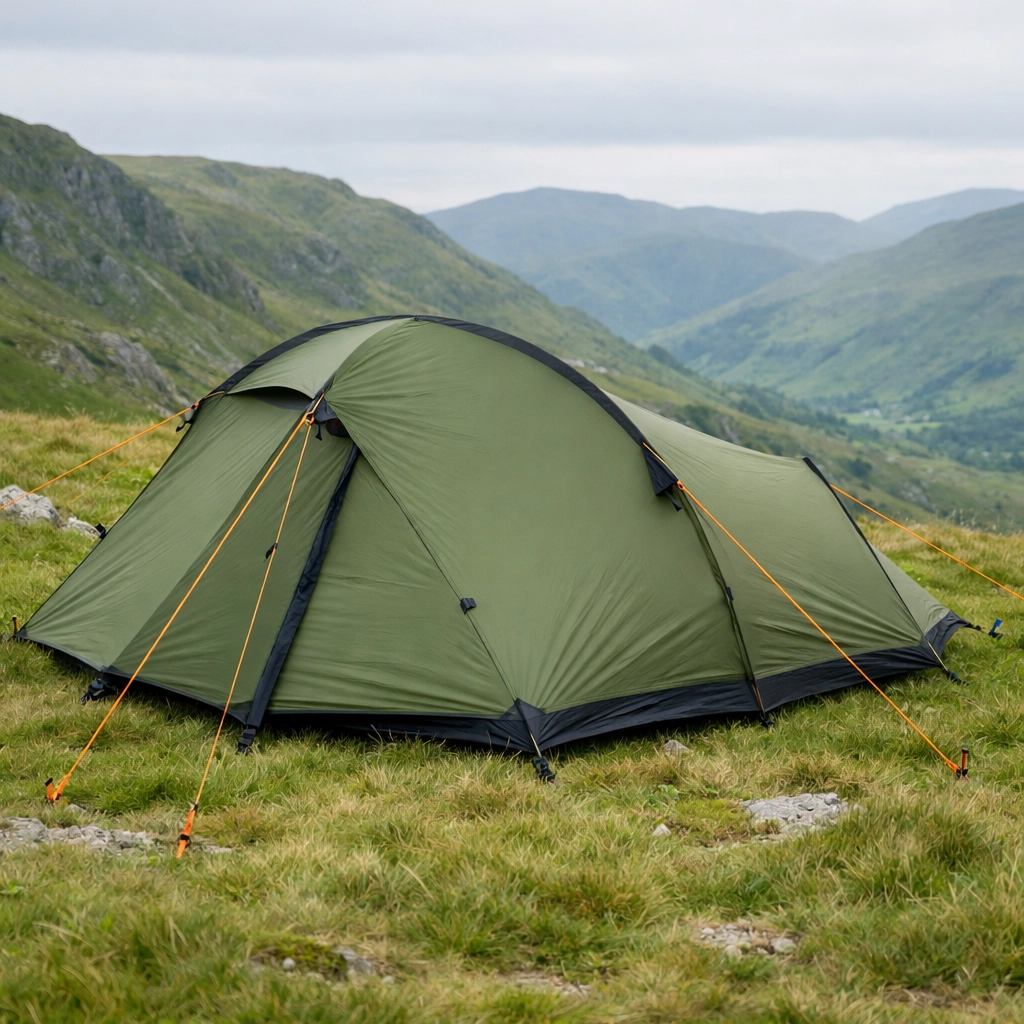
2. Pitching in the Dark and Wind
The weather in the UK changes fast. You might arrive at your spot late. You might have to pitch during a storm.
- Unpack your tent at home, practice the setup, do it until you can do it blindfolded.
- Check your pegs, ensure they are straight, carry a few spares.
- Find level ground, avoid dips where water pools, face the door away from the wind.
- Tighten the guy lines, secure the flysheet, keep everything taut.
A well-pitched tent is the difference between a dry night and a cold, wet disaster.
3. Finding and Treating Water
Water is heavy. You cannot carry enough for a multi-day trip. You must learn to source it from the environment.
- Look for fast-flowing streams, avoid stagnant ponds, stay away from livestock.
- Use a filter, use purification tablets, boil your water for at least one minute.
- Carry a collapsible bottle, fill up when you find a good source, never pass a stream when low.
- Clean your filter often, check for clogs, store it somewhere it won't freeze.
Staying hydrated keeps your energy up. Clean water keeps you out of the hospital.
4. The Art of the Small Fire
In the UK, fires are often discouraged. But in a survival situation, fire is life. If your wild camping guided UK expert allows it, keep it small and safe.
- Gather dry tinder, use silver birch bark, find small twigs.
- Use a ferrocerium rod, strike it hard, aim the sparks into the tinder.
- Build the fire slowly, add larger sticks, keep it contained.
- Clear the ground to soil, use a fire pan if possible, never leave it unattended.
- Drown the embers, stir the ashes, ensure the ground is cold before you leave.
Mastering fire is about patience and preparation.
5. Managing Your Body Temperature
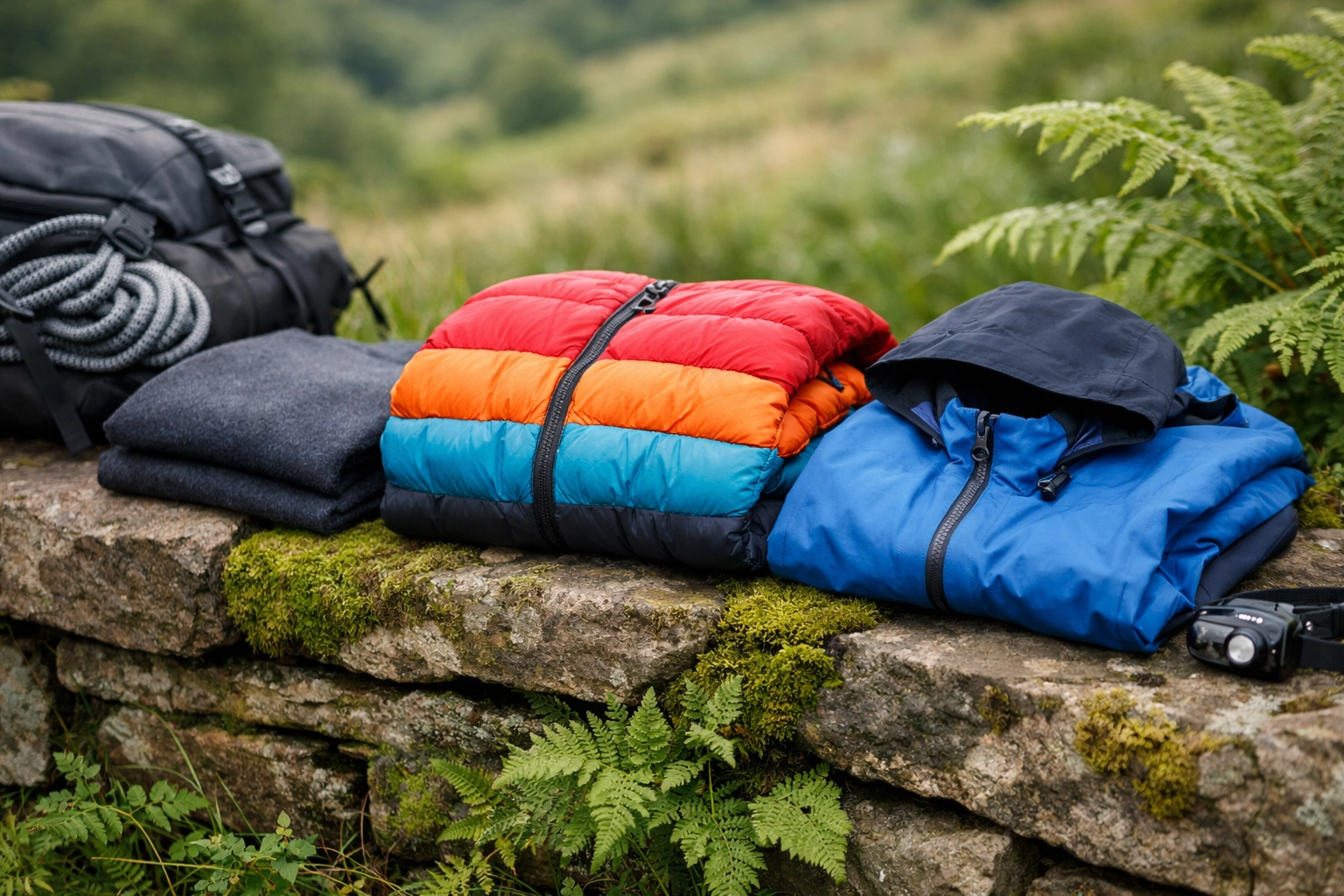
The UK is damp. Dampness leads to cold. Cold leads to problems. You must learn to layer.
- Avoid cotton, wear wool or synthetic fabrics, wick moisture away from your skin.
- Add a mid-layer for warmth, use a waterproof shell for wind and rain.
- Adjust your layers before you sweat, delayer when climbing, layer up when resting.
- Keep a spare set of dry socks, protect them in a waterproof bag, change into them at night.
Comfort in the wild is about staying dry. If you are interested in more tips, read about 10 essential outdoor survival skills for your next camping adventure UK.
6. Leave No Trace Principles
This is the most important skill for any camping adventure UK. We want to keep the wild places wild.
- Carry out all rubbish, pick up scraps from others, leave the site better than you found it.
- Human waste must be managed, dig a hole at least 15cm deep, stay 50 metres from water.
- Keep noise down, respect the wildlife, stay hidden from view.
- Use a stove instead of a fire, minimize your footprint, pack it in and pack it out.
Being a good guest in nature ensures these spots stay open for everyone. You can learn more about common errors in are you making these common wild camping mistakes.
7. Basic First Aid for Hikers
Small injuries become big problems in the hills. You need to be your own first responder.
- Pack a compact kit, include blister plasters, carry antiseptic wipes.
- Learn to treat a sprain, know how to clean a wound, keep things sterile.
- Recognize the signs of hypothermia, watch for shivering, monitor your energy.
- Carry an emergency whistle, know the signal for help, stay calm.
A little knowledge goes a long way when things go wrong.
8. Reading the British Weather
Mountain weather is unpredictable. You need to know when to push on and when to turn back.
- Check the Mountain Weather Information Service (MWIS), look at the wind speeds, note the freezing level.
- Watch the clouds, identify darkening skies, feel the drop in pressure.
- Understand wind chill, know that it feels colder on the peaks, plan your route accordingly.
- Always have a Plan B, know your escape routes, don't be afraid to retreat.
The mountains will still be there tomorrow. Don't take unnecessary risks.
9. Knife Safety and Utility
A small folding knife or a fixed blade is a vital tool. You must use it safely.
- Keep your blade sharp, a dull knife is more dangerous, use it for specific tasks.
- Cut away from your body, keep your fingers clear, close the blade when finished.
- Use it to prep food, cut cordage, or make feather sticks for a fire.
- Clean the blade after use, oil it to prevent rust, store it securely.
Treat your tools with respect and they will serve you well. For a deeper look at these specific tools, see fire starting, navigation, foraging, and shelter.
10. Foraging and Food Management
You don't need to live off the land, but knowing what is around you helps. More importantly, you need to manage your energy.
- Identify a few easy plants, look for wild garlic or nettles, avoid anything you aren't 100% sure of.
- Store your food in waterproof bags, keep it away from your sleeping area, hang it if there are animals.
- Eat high-calorie snacks, keep your furnace burning, don't skip meals.
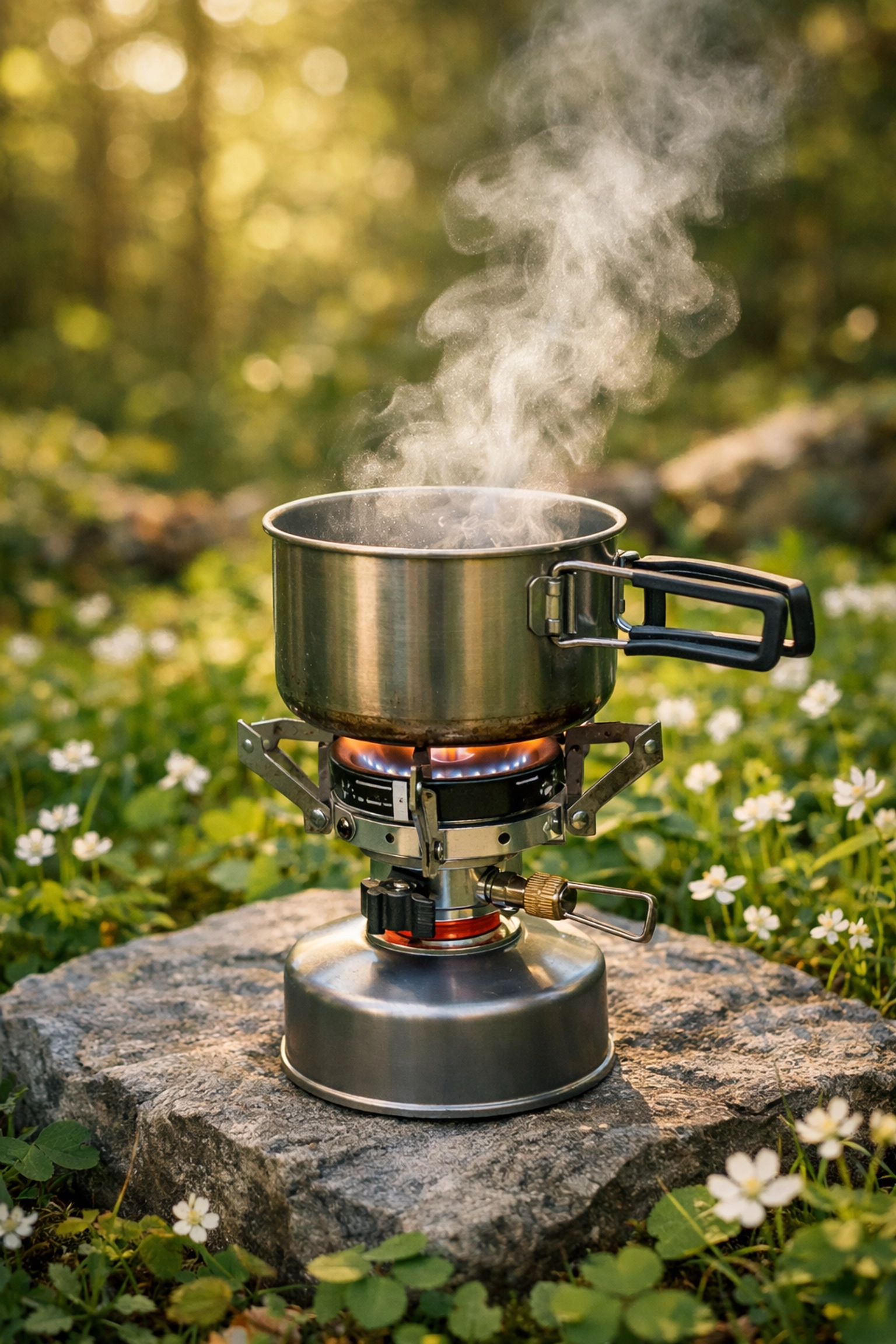
- Minimize cooking time, save fuel, use a high-efficiency stove.
Fueling your body is a survival skill. If you aren't sure which trip is right for you, look at how to choose the best guided hiking tours UK compared.
Why Go Guided?
Learning these skills takes time. A wild camping guided UK experience speeds up the process. You get to learn from experts in a controlled environment. They show you the best spots, help you with your kit, and keep you safe while you practice.
It is about more than just surviving. It is about thriving in the outdoors. When you nail these skills, the landscape opens up. You stop worrying about the "what ifs" and start enjoying the view.
If you are ready to take the leap, check out our top 10 breathtaking UK hiking trail ideas for your next adventure.
Get Ready For Your Next Trip
Mastering these skills takes practice. Don't wait until you are on top of a mountain to try them. Start in your garden. Go to a local park. Test your gear. Read your maps.
Once you feel confident, join a group. It is the best way to meet like-minded people and see the best of the British countryside. You can find out why guided hiking tours UK will change the way you experience the outdoors right here.
Pack your bag, check your compass, lace your boots, head out.