
Hey there, adventurer.
Wild camping in the UK is incredible. Starlit skies. No crowds. Total freedom.
But here's the thing. Most beginners mess it up. They make the same mistakes over and over.
Don't be that person.
We've guided hundreds of wild camping trips across Britain. We've seen every mistake in the book. Now we're sharing them so your next camping adventure UK experience goes smoothly.
Let's dive in.
Gear Mistakes That Will Ruin Your Trip
You're Wearing the Wrong Clothes
Cotton kills. Seriously.
It absorbs moisture, stays wet, and drains your body heat. That's dangerous in UK weather.
Pack layers. Stick to merino wool or synthetic fabrics. Bring a waterproof shell. The weather changes fast out here.
You Haven't Tested Your Gear
New tent? Cool. Have you actually set it up before?
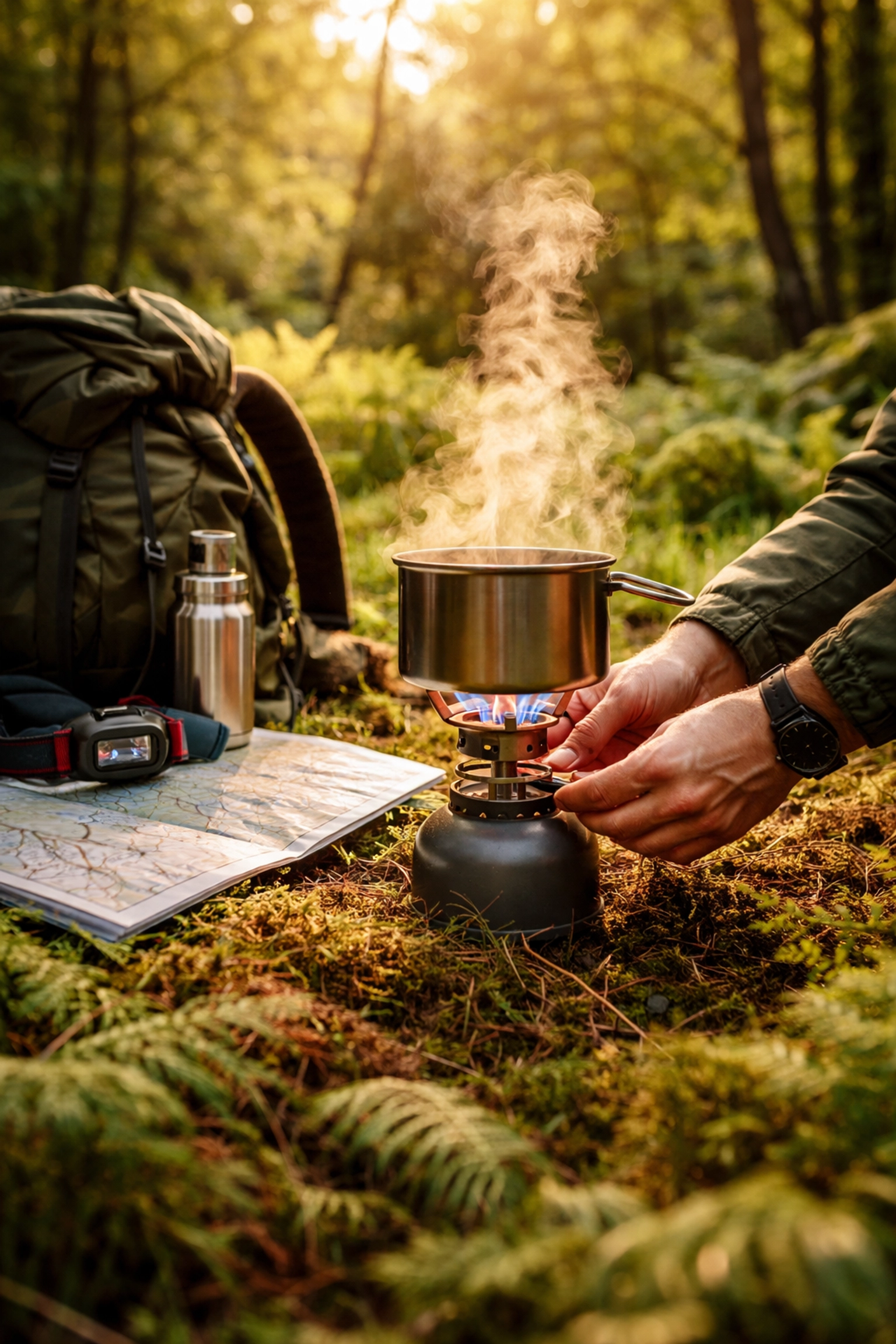
Don't figure out your camping stove for the first time in the dark. Don't learn your headlamp has dead batteries at midnight.
Test everything at home first. Light the stove. Pitch the tent. Check every zip and strap.
You're Carrying Too Much (Or Too Little)
Overpacking exhausts you. Your back aches. Your pace slows. You start hating the trip.
Underpacking leaves you hungry, thirsty, or cold.
Find the balance. Bring essentials. Leave luxuries behind. And actually eat the food you pack. Skipping meals to save time is a rookie error.
Need a checklist? Check out our guide on outdoor survival skills every wild camping guided UK beginner should know.
You Didn't Check the Weather
UK weather is unpredictable. Sunshine turns to sideways rain in minutes.
Check the forecast before you leave. Check it again. Plan for the worst.
Bring that extra layer. You'll thank yourself later.
Campsite Selection Mistakes
You're Pitching in the Wrong Spot
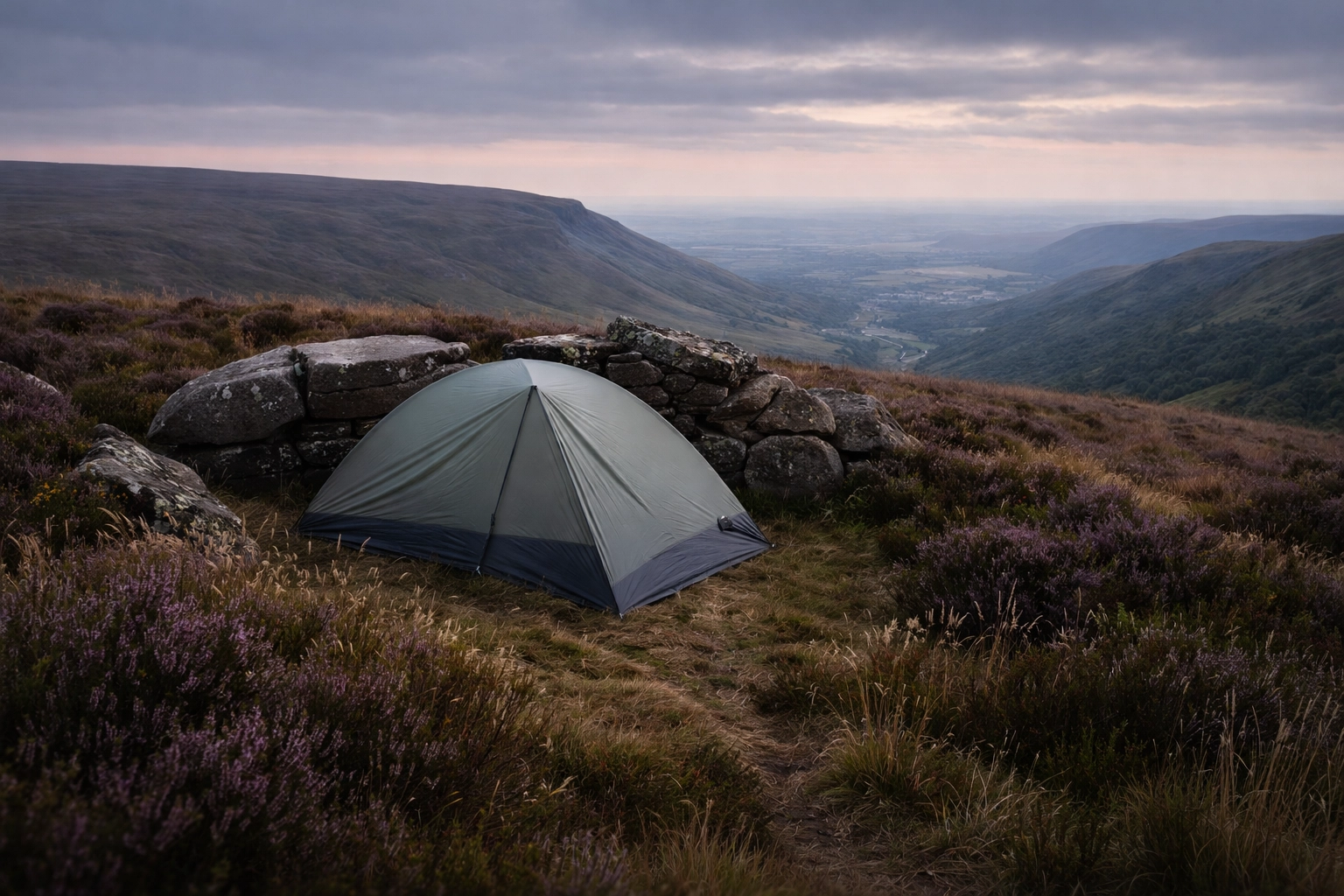
Flat ground matters. Natural windbreaks help. Water sources should be at least 60 metres away.
In fell country, aim for 400 metres elevation or higher. Stay above the highest fell wall. That's where wild camping is typically tolerated.
Avoid indentations and dips. They flood when it rains. You'll wake up in a puddle.
You're Too Close to Paths and People
Wild camping means wild. Not visible from the nearest footpath.
Pitch late. Leave early. Stay out of sight. This keeps the experience authentic and reduces conflicts with landowners.
You're Ignoring Hazards
Look up. Look around.
Dead branches overhead? Move. Loose rocks above you? Move. Signs of recent flooding? Move.
Spend five minutes assessing your spot. It could save your trip, or your life.
Environmental and Legal Mistakes
You're Lighting Fires When You Shouldn't
We get it. Campfires feel magical.
But in most UK locations, they're not allowed. You need explicit landowner permission.
Fires scar the earth. They spread fast in dry conditions. They leave ugly marks that last for years.
Use a camping stove instead. Keep it contained. Leave no trace.
Your Waste Disposal Is Wrong
This one matters. A lot.
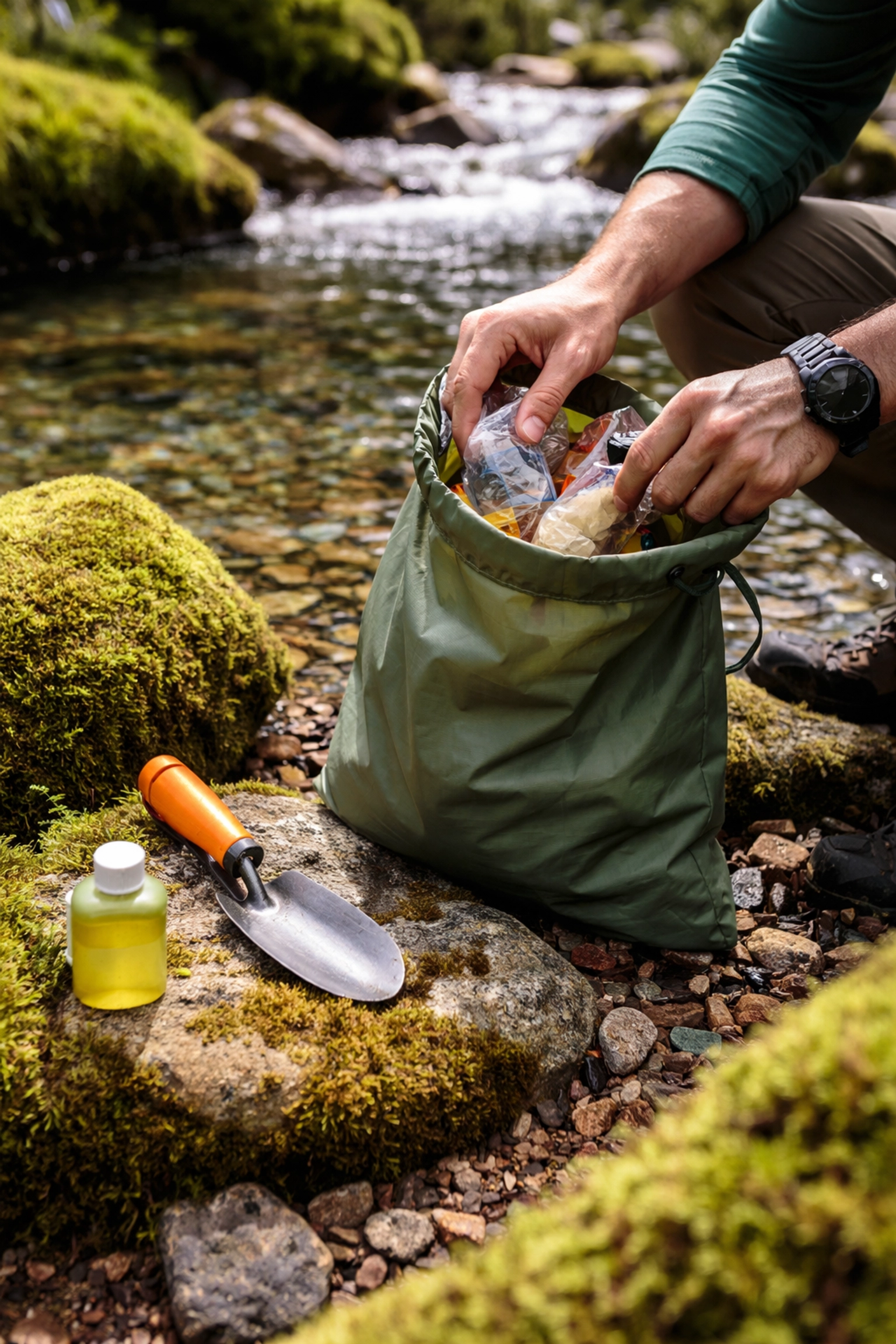
Pack out everything you bring in. Yes, everything. Including those "biodegradable" wet wipes. They don't break down like you think.
For toilet waste, dig a hole 15-20cm deep. Stay at least 60 metres from water sources, footpaths, and other camping spots. Bury it properly.
Nobody wants to find your mess. Be better.
You're Damaging Delicate Ecosystems
That mossy patch looks soft and inviting. It's also fragile.
Stick to durable surfaces. Avoid vegetation. Don't camp right next to wildlife habitats.
Your presence affects animals. Sheep, deer, ground-nesting birds: they all notice you. Give them space.
Behavioural Mistakes
You're Crowding Popular Spots
Everyone knows the famous wild camping spots. That's the problem.
Popular locations get trashed. Litter piles up. Toilet waste accumulates. Landowners get frustrated and ban camping entirely.
Go somewhere less obvious. Find your own spot. Explore deeper.
You Haven't Learned Basic Skills
Wild camping isn't just sleeping outside. It requires knowledge.
You need to understand Leave No Trace principles. You need to know local bylaws. You need basic navigation skills.
Some areas require you to move after one night. Others have specific restrictions. Know before you go.
Our guide on mastering outdoor survival skills on your first wild camping trip covers the essentials.
You're Going Solo Without Experience
Independence feels great. Getting lost or injured alone feels terrible.
Build your skills gradually. Start with guided experiences. Learn from experts who know the terrain.
Then go solo when you're ready.
Why Wild Camping Guided UK Experiences Make Sense
Here's the truth.
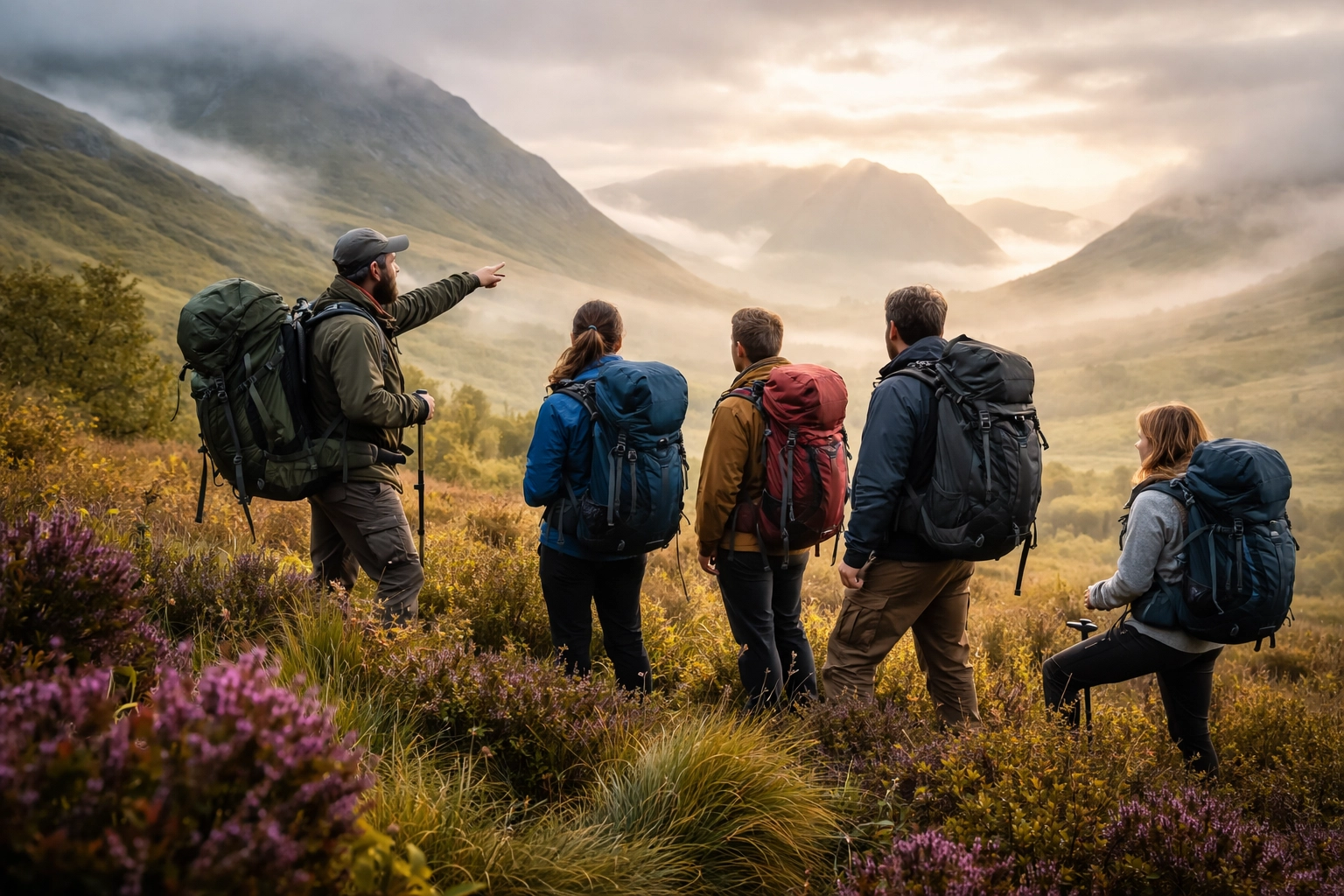
A guided wild camping trip teaches you more in one weekend than months of YouTube videos.
You learn real skills in real conditions. You see how experts choose campsites. You understand Leave No Trace in practice, not theory.
Plus, you avoid all the mistakes we just covered.
At Open Sky Adventure, we take beginners into the British backcountry safely. We teach navigation, fire craft, shelter building, and proper camp etiquette. We show you spots most people never find.
Your camping adventure UK experience should be memorable for the right reasons. Not because you pitched your tent in a flood zone or ran out of food on day two.
Quick Checklist Before Your Next Trip
Use this before every wild camping trip:
- Test all gear at home
- Check weather forecast twice
- Pack layers (no cotton)
- Bring enough food and water
- Know your route and local rules
- Choose a flat, hidden campsite
- Stay 60m from water sources
- Pack out all waste
- Skip the campfire unless permitted
- Arrive late, leave early, leave no trace
Print it. Screenshot it. Whatever works.
Ready to Level Up Your Wild Camping Skills?
Mistakes happen. That's part of learning.
But some mistakes are avoidable. Now you know what they are.
Want expert guidance on your next trip? Explore our wild camping guided UK experiences and learn from people who've made every mistake so you don't have to.
Your next adventure starts with better preparation.
Get out there. Do it right.