
You know that feeling. You're planning your first wild camping adventure uk trip and something feels off. The excitement's there but so is the nagging worry.
Here's the truth: wild camping in the UK is safer than your drive to the trailhead. But that unsafe feeling? It's your brain telling you something important. You need skills.
Let's fix that.
1. Weather Turns on You Without Warning
The Lake District looks calm. Then fog rolls in. Rain hammers down. Temperature drops ten degrees in twenty minutes.
UK weather doesn't play fair. Warmer winters mean ice where you don't expect it. Sudden flooding in valleys. Sunshine to snowstorm before lunch.
The fix: Learn to read detailed weather forecasts before you leave. Understand microclimates in your specific area. Practice recognizing when conditions are turning bad. Know when to shelter early or retreat completely.
Check three different weather sources. Pack for the worst case. Always.
2. You Don't Actually Know Where You Are
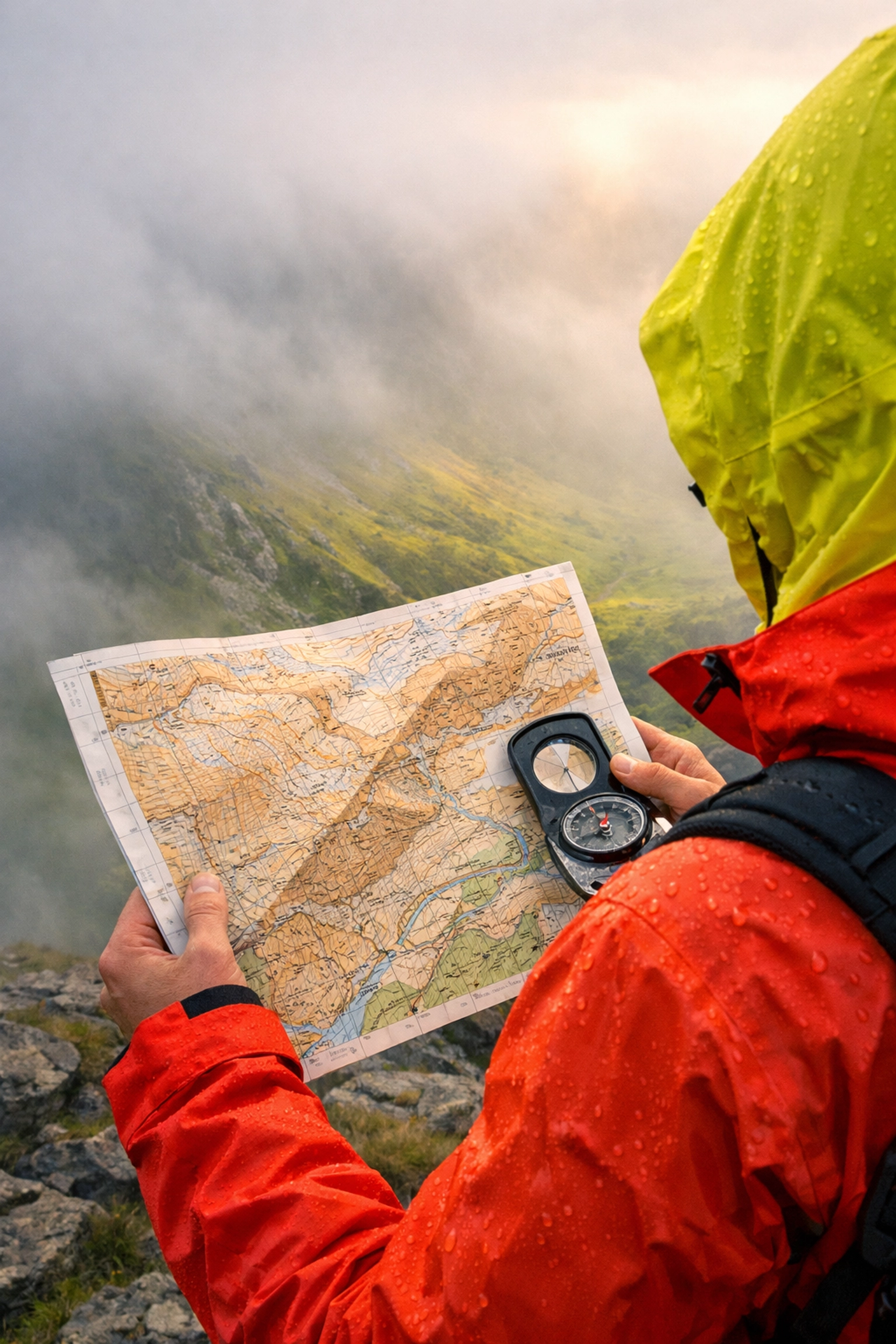
Your phone dies. The fog's thick. Every ridge looks the same.
Getting lost in UK national parks happens faster than you think. Poor visibility turns familiar trails into mazes.
The fix: Master physical map and compass navigation before your trip. Not phone apps. Paper maps and an actual compass. Practice at home. Then practice on easy day hikes. Then go wild camping.
Mark your route in advance. Set checkpoints. Tell someone exactly where you'll be and when you'll return.
3. Terrain Looks Easy Until It Isn't
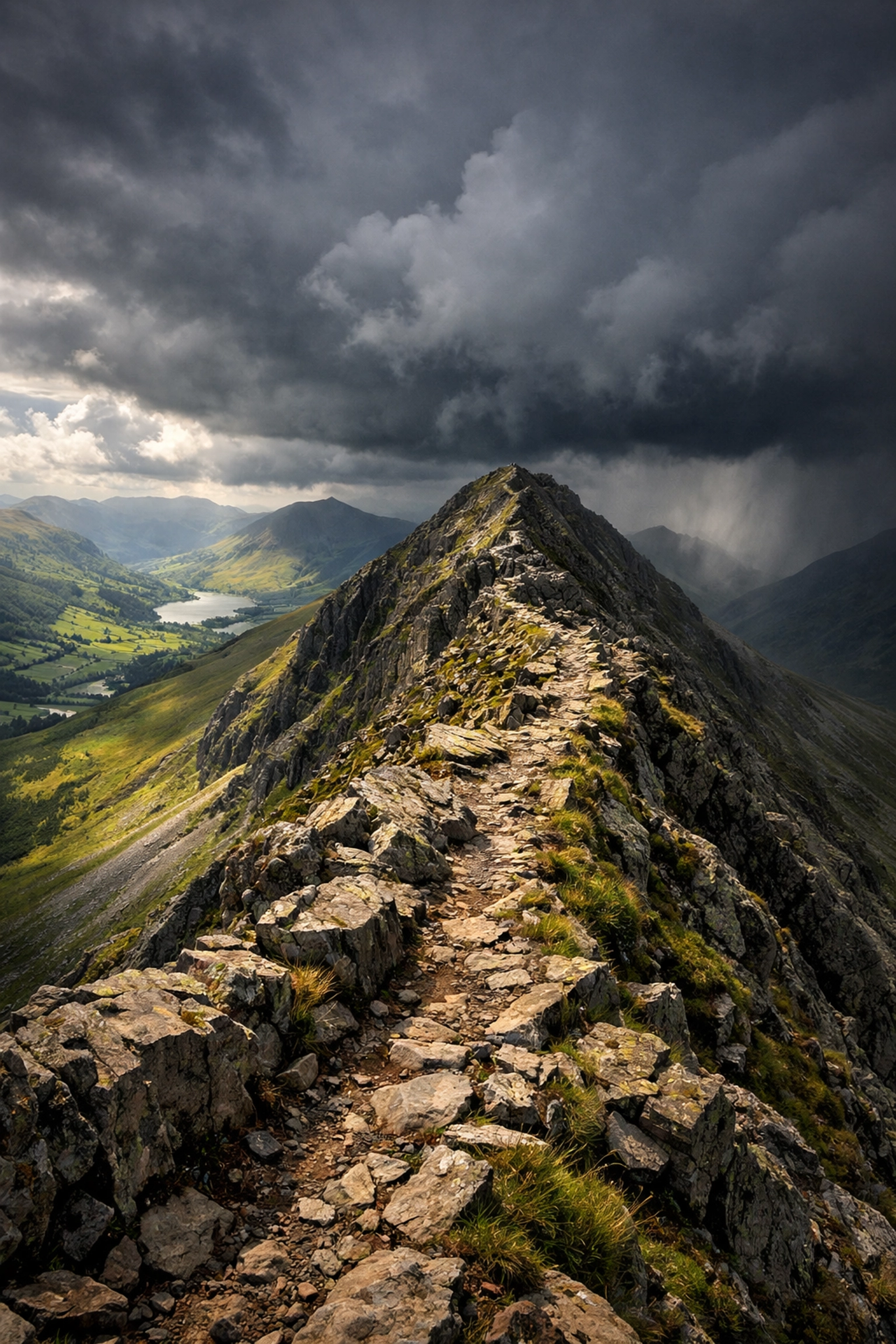
In 2024, the Lake District recorded 32 deaths. Most from falls. One walker fell 70 metres from Sharp Edge. Another slipped 590 feet from Helvellyn during ice conditions.
The same patterns show up in Snowdonia, the Cairngorms, Brecon Beacons. Environmental hazards beat crime every single time.
The fix: Understand route grading systems. Know your actual climbing limits, not your imagined ones. Avoid exposed ridges in poor conditions. Learn to assess terrain risk before you commit.
Start with easy routes. Build gradually. Don't let ego push you onto dangerous ground.
4. Your Gear List Has Massive Gaps
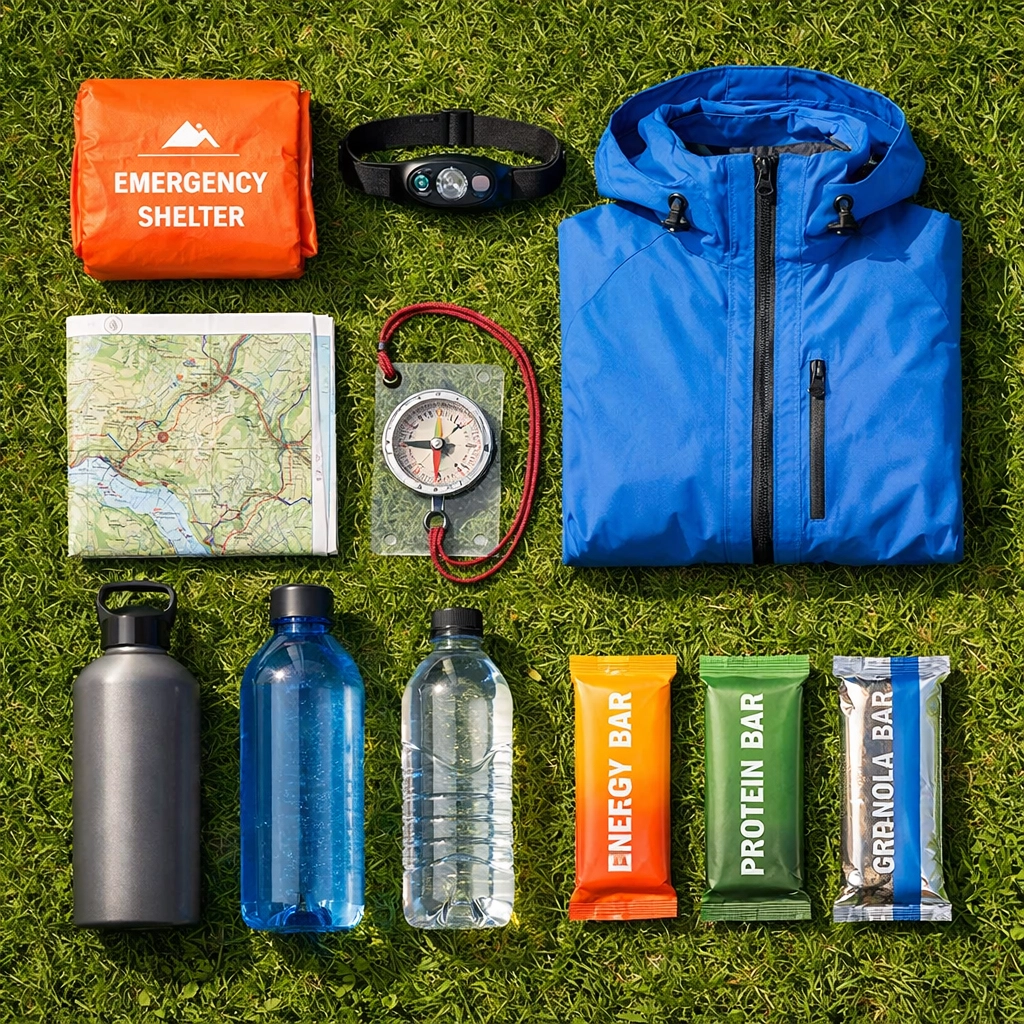
Mountain rescue reports show inadequate preparation causes most accidents. First-time campers attempt serious routes in trainers, without waterproofs, carrying no food or headtorch.
You need the right stuff. Period.
The fix: Create detailed pre-trip checklists covering gear, food, water, weather-appropriate clothing. Learn the "10 essentials" for outdoor trips. Cross-check every item before you leave.
Pack extras. Test your gear at home first. Replace anything dodgy.
5. Cold Creeps In Without You Noticing
Around 9,000 UK deaths per year involve hypothermia. British damp cold penetrates differently than dry cold. It gets you faster.
You don't feel it until it's serious. Then your judgment goes. Then you're in trouble.
The fix: Understand layering systems properly: base layer, insulation layer, weather protection layer. Learn the early signs of hypothermia in yourself and others. Practice setting up emergency shelter quickly with minimal gear.
Stay dry. Change wet clothes immediately. Eat regularly to fuel your internal furnace.
6. Heat Hits Harder Than You Expect
About 4,500 UK deaths annually involve heat stroke. Summer camping or strenuous activity creates real risk.
Dehydration compounds everything. Your decision-making suffers. Your body stops cooling properly.
The fix: Learn to recognize heat exhaustion symptoms early. Practice hydration planning based on your activity level and conditions. Understand how to cool down safely in emergencies.
Drink before you're thirsty. Rest in shade during peak heat. Slow down when your body tells you.
7. Help Is Hours Away When Things Go Wrong
Remote camping means no mobile signal. No quick ambulance. Medical emergencies become serious fast when you're alone on a hillside.
Injury or illness far from help tests everything you know.
The fix: Carry basic first aid supplies and get proper training. Tell someone your exact location and expected return time so rescue teams can find you. Learn how to signal for help. Know when a situation requires evacuation versus field treatment.
Pack a satellite communicator for genuine emergencies. Don't rely on phone signal.
8. Water Runs Out or Makes You Sick
Poor water planning leads to dehydration. Drinking untreated water risks waterborne illness. Both wreck your trip fast.
You need reliable clean water or you need to head home.
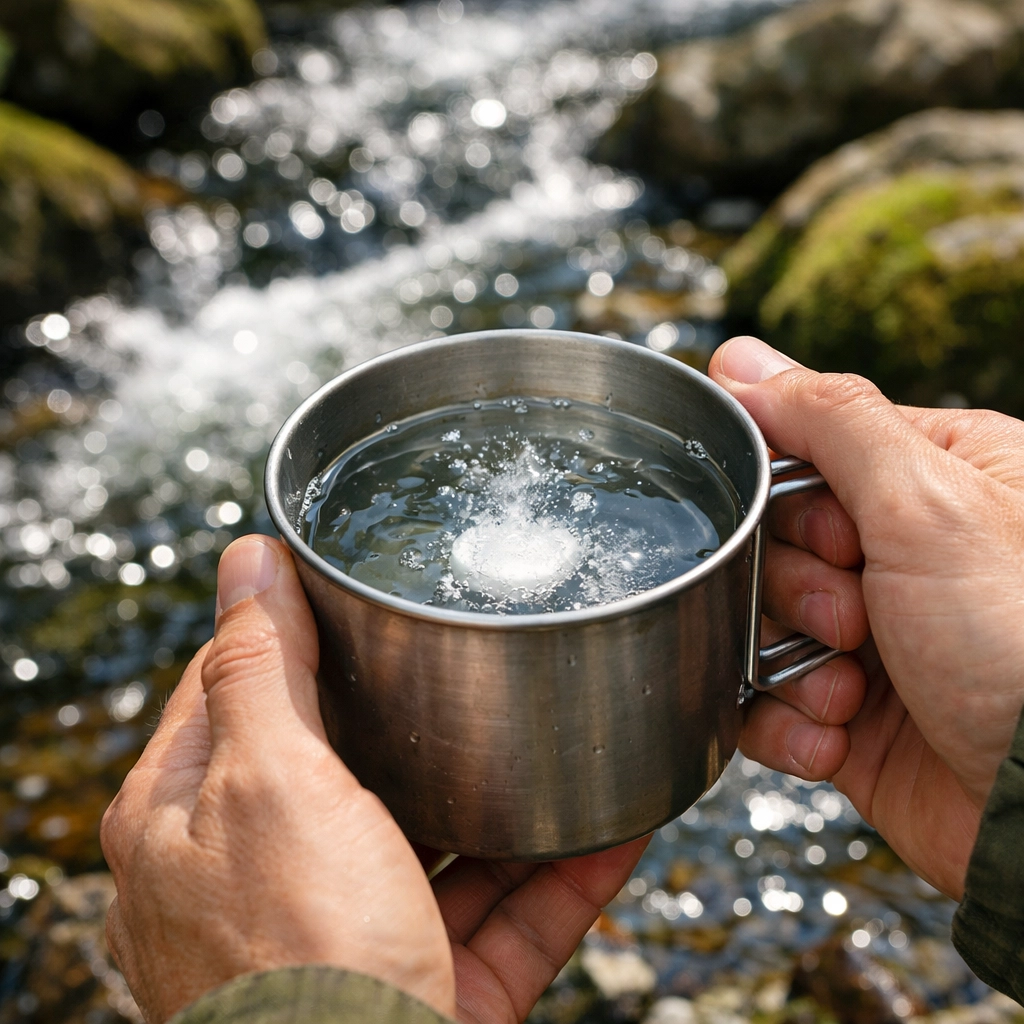
The fix: Scout locations with nearby reliable water sources before you camp. Learn water purification methods: boiling, tablets, filters. Practice calculating water needs for your trip duration and activity level.
Carry purification tablets as backup. Never drink untreated water no matter how clear it looks.
9. Small Injuries Become Big Problems
Twisted ankles. Deep cuts. Burns from camp stoves. These happen easily in the backcountry where help is distant.
Without proper treatment, minor injuries escalate. A small cut gets infected. A twisted ankle prevents you walking out.
The fix: Learn wilderness first aid beyond basic training. Practice safe camp setup to minimize hazards. Understand how to stabilize injuries and communicate with rescue services when needed.
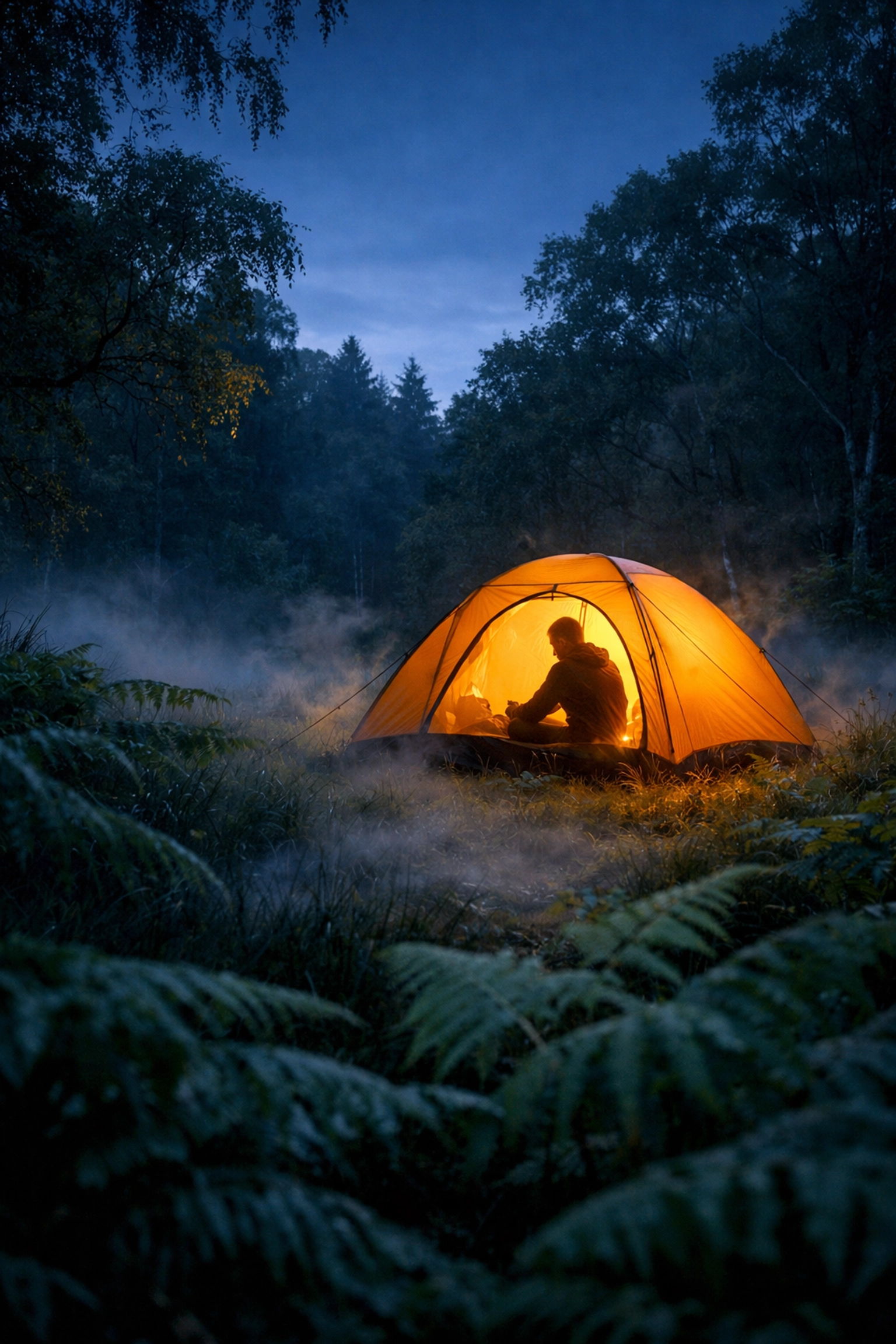
Take your time. Rush causes accidents. Set up camp properly before dark.
10. The Little Stuff Wears You Down
Midges swarm your face. Insects bite constantly. Dead branches hang above your tent. Small hazards accumulate into misery or danger.
Discomfort affects judgment. Poor site selection risks injury from falling trees or flooding.
The fix: Pack appropriate insect repellent and protective clothing for UK conditions. Learn to identify safe camping locations away from dead trees, unstable branches, and flood zones.
Scout your site carefully. Move if something feels wrong. Trust your instincts.
The Guided UK Advantage
These skills take time to develop. You can struggle through alone or learn from people who've already figured it out.
Guided wild camping experiences in the UK teach you everything above in controlled conditions. You practice navigation with experts watching. You learn weather reading from people who know local patterns. You see proper gear selection and camp setup firsthand.
Then you go solo with confidence instead of anxiety.
Your drive to the campsite is statistically more dangerous than the camping itself: around 1,700 road deaths annually in the UK, with rural roads being four times deadlier. With proper skills, wild camping becomes genuinely low-risk.
The 32 Lake District deaths happened across millions of annual visitors. Context matters. Preparation matters more.
Start Here
Pick one skill from this list. Master it this month. Then pick another.
Or join a guided wild camping trip and accelerate everything.
Check out our outdoor survival skills guides to start building your knowledge base. Learn from people who camp safely in UK conditions year-round.
That unsafe feeling? It disappears when you know what you're doing.
Get the skills. Then get outside.