
Your first wild camping trip is coming up. You're excited, maybe a bit nervous.
Here's what you need to know before you head out into the British wilderness.
Do This Before You Leave Home
Check the weather forecast. Test every piece of gear in your garden or living room. Set up your tent. Light your stove. Inflate your sleeping mat.
Download offline maps onto your phone. Charge everything that needs charging: headlamp, phone, power bank.
Tell someone where you're going and when you'll be back. This isn't optional.
Plan to arrive at your campsite with at least two hours of daylight remaining. You need time to pitch your tent properly and get comfortable with your surroundings.
Your Shelter System
Start with a lightweight tent under 2.5kg if you're solo. Heavier is fine if you're sharing the weight with a partner.
Bivvy bags work too, but they're not forgiving for beginners. Stick with a tent for your first night.
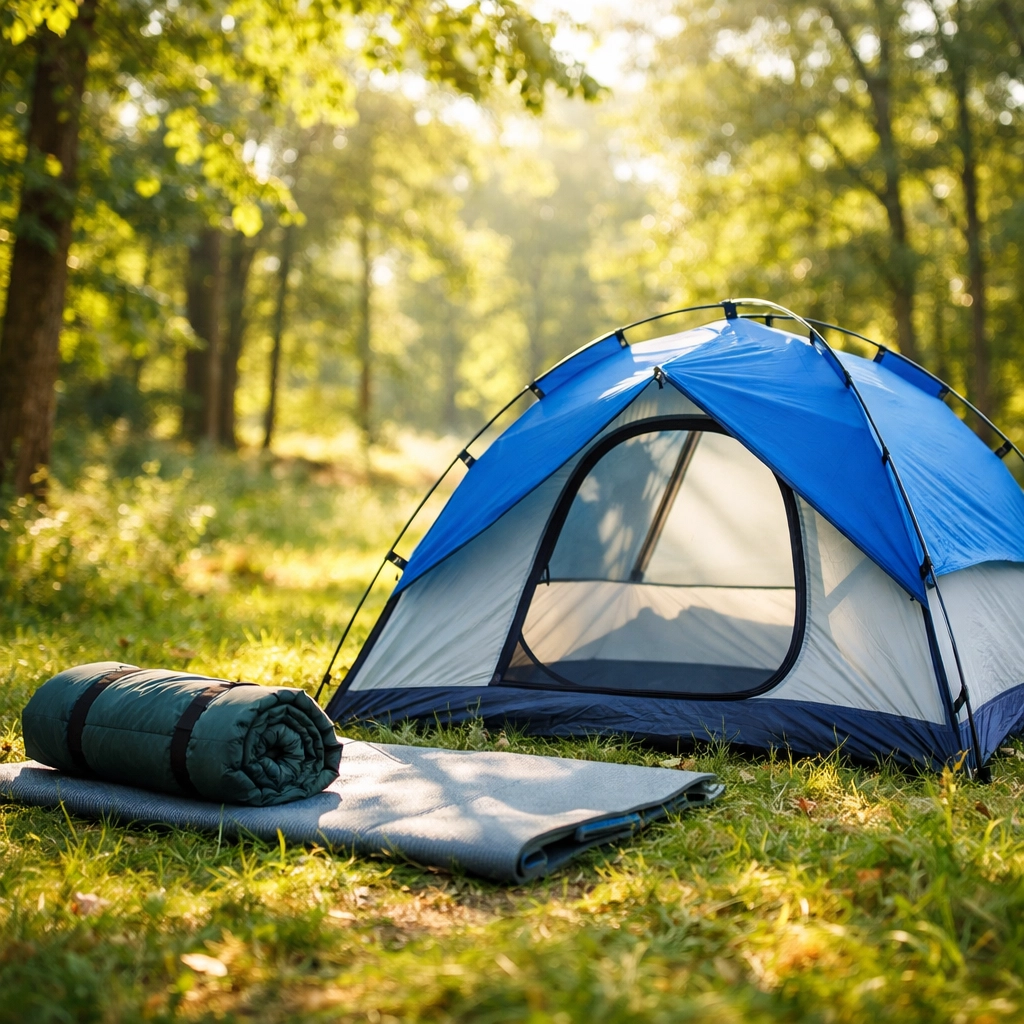
Get a three-season sleeping bag rated for UK conditions. Check the comfort rating, not the extreme rating. You want to actually sleep, not just survive.
A camping mat is non-negotiable. The ground will steal your body heat faster than you think. Foam or inflatable both work: just bring one.
Pack your gear in a 40-60 litre backpack with a rain cover. Britain doesn't care about your plans.
Clothing That Actually Works
Layer everything. Start with base layers against your skin, add a midlayer or fleece, top it with a down jacket.
Bring waterproof jacket and trousers. Always. Even if the forecast looks perfect.
Pack extra socks. Wet feet ruin everything. Include a hat and gloves even in summer: British nights get cold at altitude.
Stuff a spare set of clothes in a waterproof bag. Keep them dry no matter what happens to the rest of your kit.
Cooking and Food Basics
Bring a single burner stove, gas canister, lighter, pot, and basic utensils. Keep it simple.
Pack 700g to 1kg of food per person per day. Think lightweight: oatcakes, cereal bars, pasta, rice, dehydrated meals.
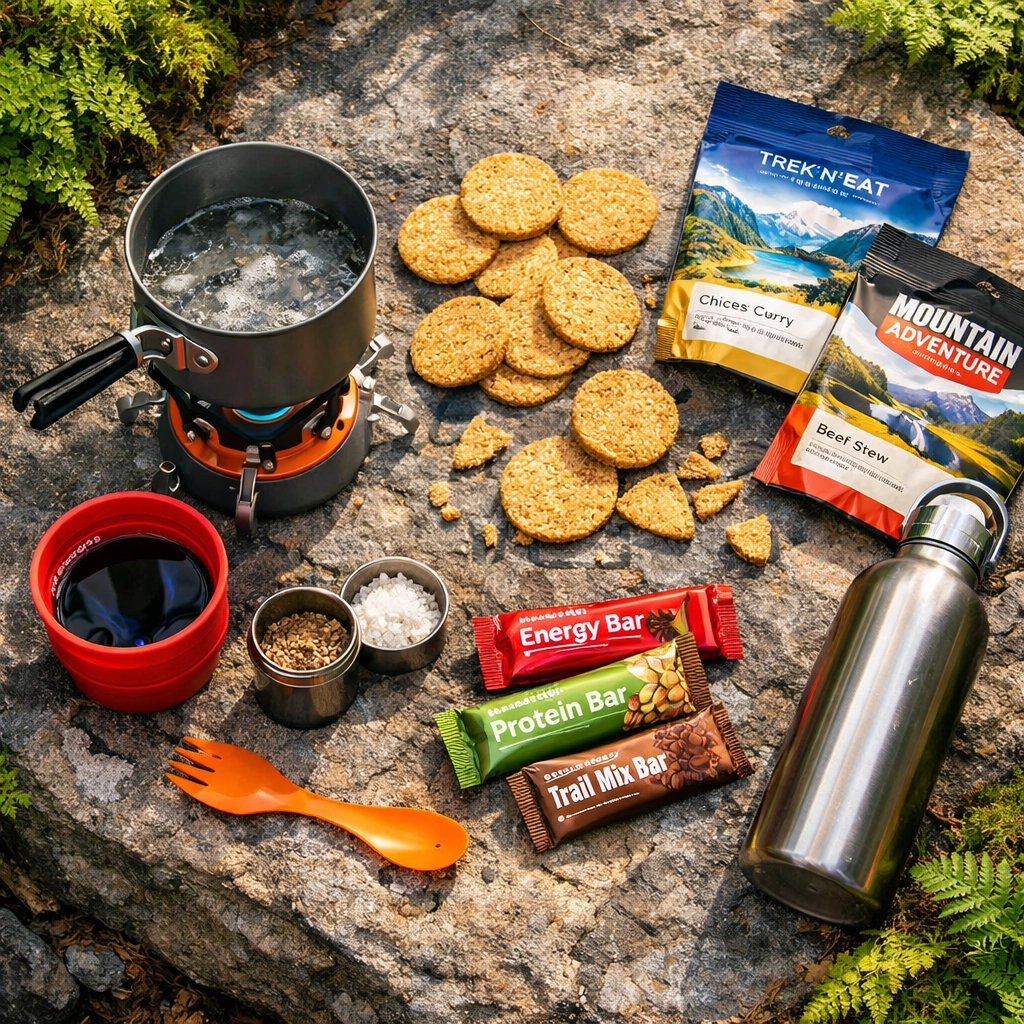
Carry a water bottle or hydration bladder with at least 2 litres capacity. Find your water source before you reach camp and fill up.
Don't rely on finding water at your campsite. British streams and springs can dry up or be harder to locate than your map suggests.
Navigation and Emergency Kit
Bring a detailed topographic map and compass. Learn how to use them before your trip. Your phone battery will die. GPS signals disappear.
Pack a headlamp with spare batteries or bring a rechargeable one with your power bank. You'll need hands-free light.
Build a basic first aid kit: blister plasters, pain relief, antiseptic wipes, bandages, any personal medications. Blisters can end your trip fast.
Your mobile phone with a portable charger goes in a waterproof bag. Keep it charged for emergencies.
Leave No Trace Essentials
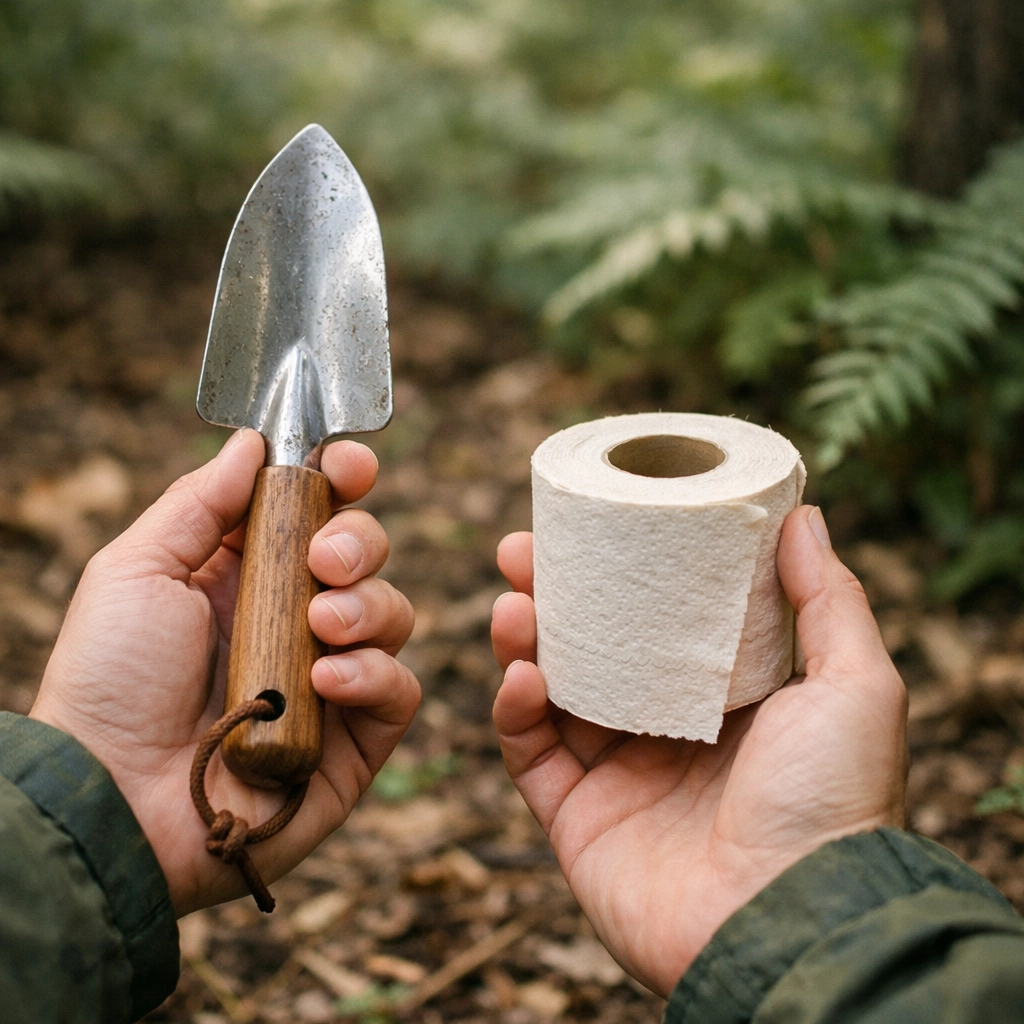
Bring a pocket trowel and biodegradable toilet paper. Bury waste 15cm deep, at least 30 metres from any water source.
Pack dog poo bags or similar for carrying out all rubbish. Everything you bring in comes back out with you.
Use dry wash gel or baby wipes instead of soap near water sources. Regular soap damages aquatic ecosystems even when biodegradable.
Where to Pitch Your Tent
Look for natural shelter from wind: wooded areas, low-lying ground behind natural features, sheltered valleys.
Avoid camping directly on vegetation, especially at higher altitudes where plants grow slowly. Bare ground or well-used spots are better.
Never camp within 30 metres of water sources. It protects water quality and gives wildlife access to drink.
Check the ground is level before you unpack everything. Sleeping on a slope is miserable.
Fire Safety Rules
Don't light fires on peaty soil. Peat can smoulder underground for weeks and cause massive wildfires.
Avoid fires on dry grass or during dry spells. Britain's climate is changing and fire risk is real.
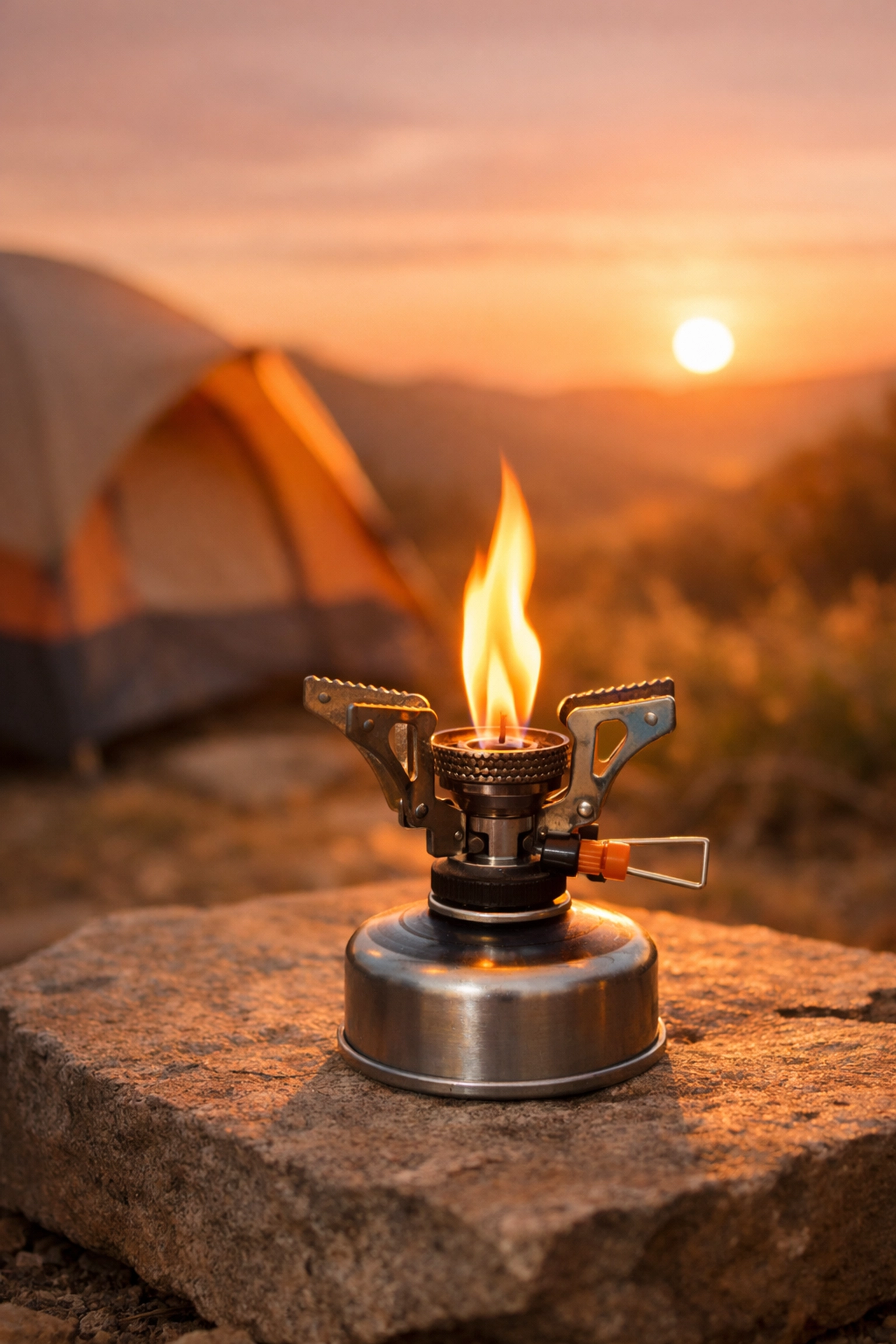
Use your stove for cooking. It's lighter, faster, more reliable, and leaves no trace.
If fires are permitted where you're camping, keep them small, use existing fire rings, and drown them completely before sleep.
Your First Night Routine
Arrive early. Pitch your tent with plenty of light. Organize your gear inside while you can still see.
Cook and eat before darkness falls. Fighting with a stove in the dark is frustrating and dangerous.
Hang a headlamp inside your tent at the apex. It lights the whole space when you need it.
Keep your water bottle, snacks, headlamp, and phone within arm's reach of your sleeping bag.
Go to the toilet before you settle in for the night. You don't want to crawl out of a warm sleeping bag at 2am.
Morning Priorities
Pack up your tent while it's still standing. Everything is easier when you can see what you're doing.
Check your campsite for rubbish, even tiny bits. Leave it better than you found it.
Scatter any grass that's been flattened where your tent stood. Help the area recover faster.
Common First-Timer Mistakes
Don't pack too much gear. Every extra gram counts when you're carrying it on your back.
Don't skimp on insulation under your body. A cheap or missing sleeping mat will ruin your night.
Don't ignore blisters. Stop and treat them the moment you feel a hot spot forming.
Don't camp too close to the trail. You want privacy and you don't want to disturb other walkers at dawn.
Don't leave food in your tent overnight. It attracts wildlife and makes your tent smell.
Weather Reality Check
British weather changes fast. That sunny afternoon can turn into a wet, windy evening.
Always prepare for conditions worse than forecast. Hope for the best, pack for the worst.
Wind is your biggest enemy. It cuts through clothing, chills you fast, and tests your tent setup.
Building Your Confidence
Your first night wild camping will feel challenging. That's normal.
Start with an easy location close to your car or civilization. Build your skills gradually.
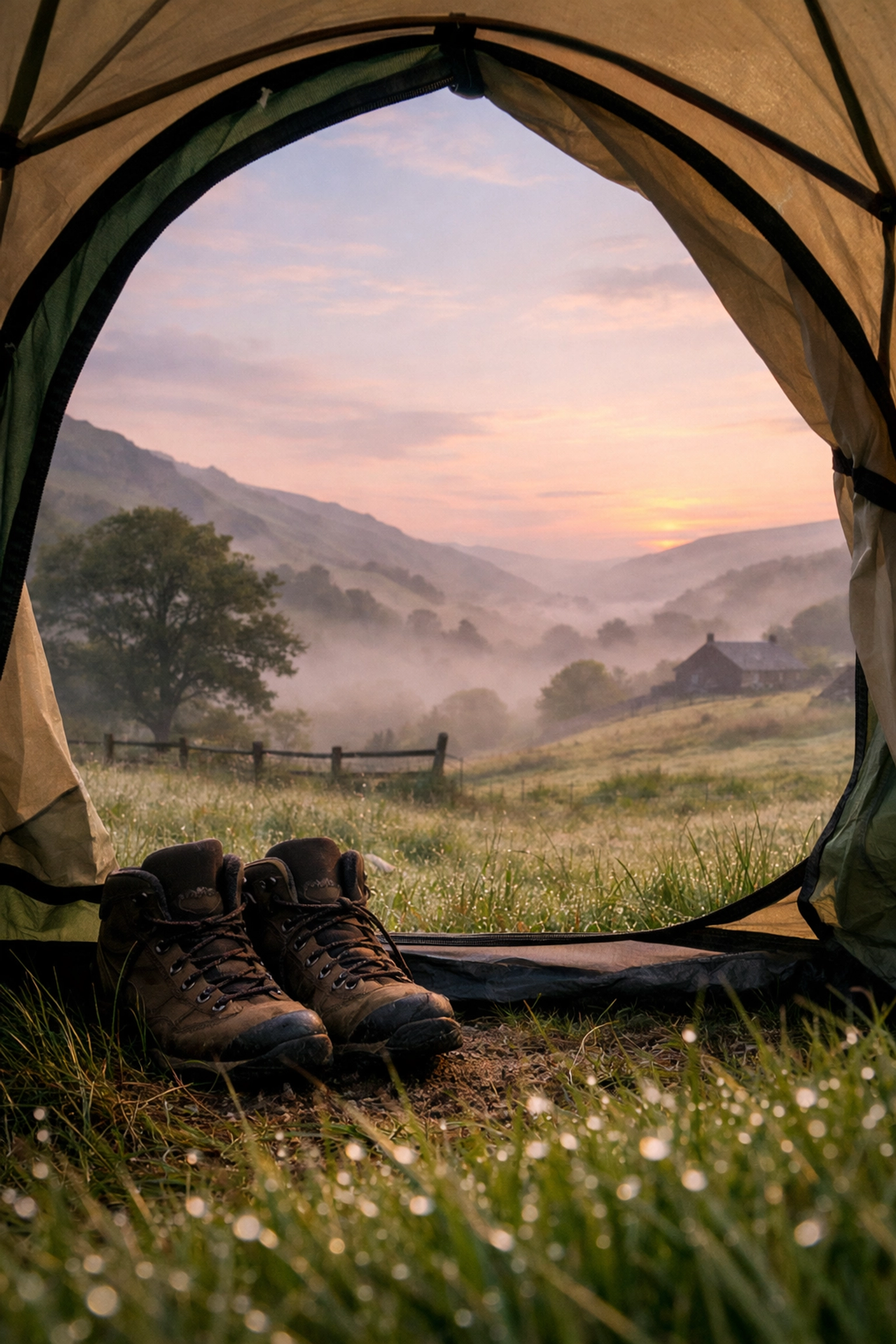
Consider joining a guided wild camping experience for your first attempt. You'll learn faster with an experienced guide.
What Happens Next
Print this checklist. Use it every time until checking gear becomes automatic.
Book your first trip for a weekend with decent weather. Give yourself the best chance of success.
Go. The hardest part is actually getting out there. Your camping adventure UK starts the moment you commit.
Wild camping changes how you see the outdoors. It puts you directly into nature instead of just visiting it.
Pack your bag tonight. Choose your location tomorrow. Go next weekend.
The British wilderness is waiting. Time to sleep under your first wild sky.