
You're standing in the Lake District. Rain's coming. Your phone died two hours ago. This is where wild camping gets real.
Most beginners pack seventeen gadgets they'll never use. They skip the basics. Then they panic when things go sideways.
Here's what actually matters: shelter, water, signals. Master these three and you'll handle anything the UK wilderness throws at you.
Let's break it down.
Why These Three Skills Rule Everything
Navigation matters. Fire-starting helps. But shelter, water, and emergency signals keep you alive when things go wrong.
Your body loses heat fast in British weather. Dehydration hits harder than you think. And if you need rescue, you need to be found.
These skills work together. Good shelter keeps you dry while you purify water. Emergency signals mean help arrives before you're in serious trouble.
Think of it as your survival triangle. Remove one leg and everything collapses.
Skill One: Shelter Building That Actually Works
Forget those Instagram survival shelters made from twigs. You need something that works in February rain at 3am.
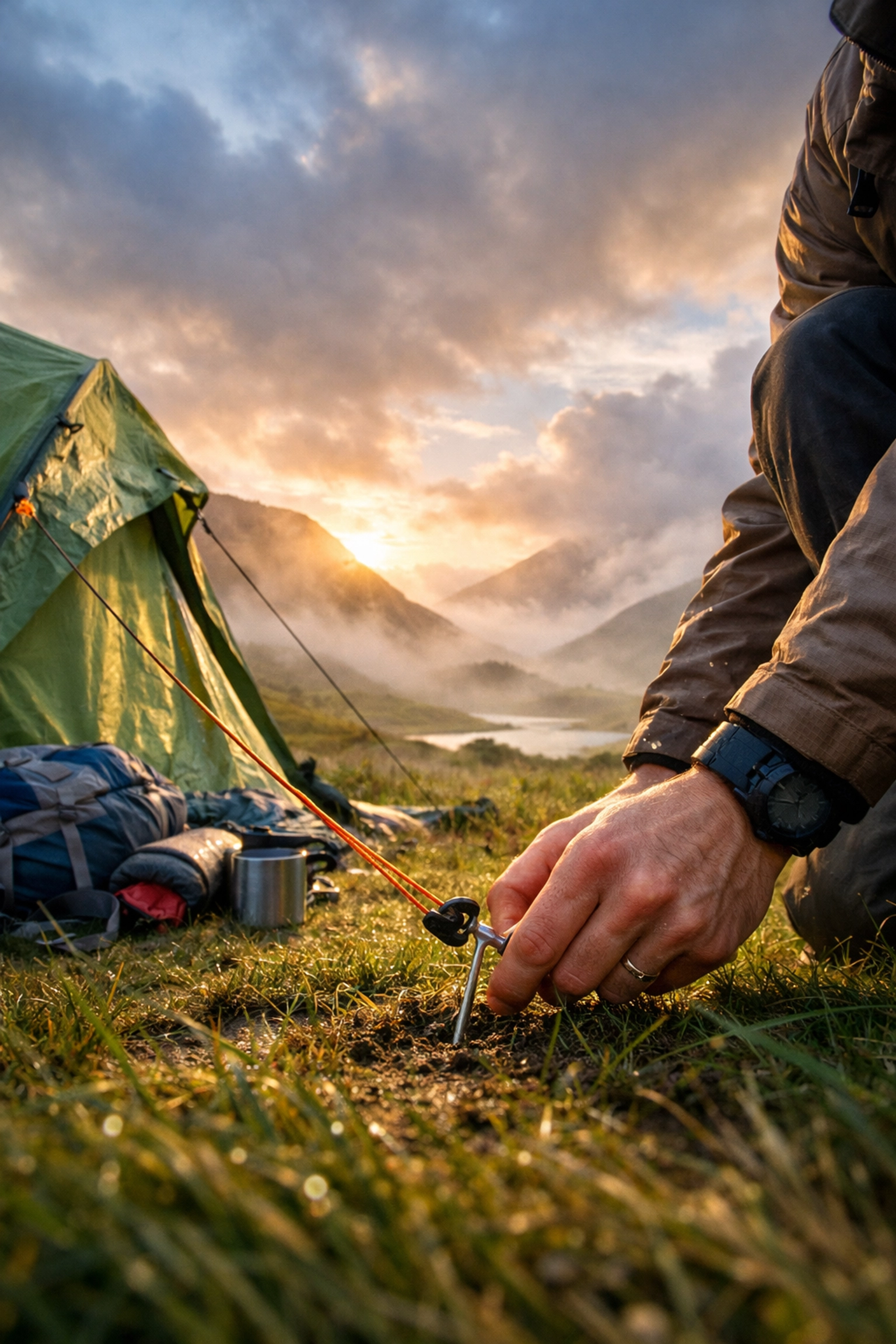
Start with your tent. Learn to pitch it fast, in wind, in darkness. Practice in your garden until you can do it blindfolded. Time yourself. Get it under five minutes.
But tents fail. Poles snap. Fabric tears. You need backup knowledge.
Natural shelter basics:
- Find existing protection first (rock overhangs, dense tree cover)
- Build windbreaks using fallen branches and rocks
- Create a debris layer between you and the ground
- Angle everything to shed water away from your sleeping area
The ground steals your heat faster than air does. Always insulate underneath. Use pine needles, dry leaves, bracken, or spare clothing.
When wild camping guided UK tours teach shelter building, they emphasize speed and function over perfection. Your shelter doesn't need to look good. It needs to keep you dry and retain heat.
Practice drill: Set up camp in your worst local weather. If your shelter fails in controlled conditions, it'll definitely fail when you need it most.
Location matters as much as construction. Avoid valley bottoms where cold air pools. Stay away from dry riverbeds that flash flood. Check overhead for dead branches that might fall.
Skill Two: Water Purification Without The Guesswork
British streams look clean. They're not always safe to drink.
You can survive three weeks without food. Three days without water kills you. In the UK's damp climate, this seems backwards. But dehydration sneaks up fast when you're hiking hard.
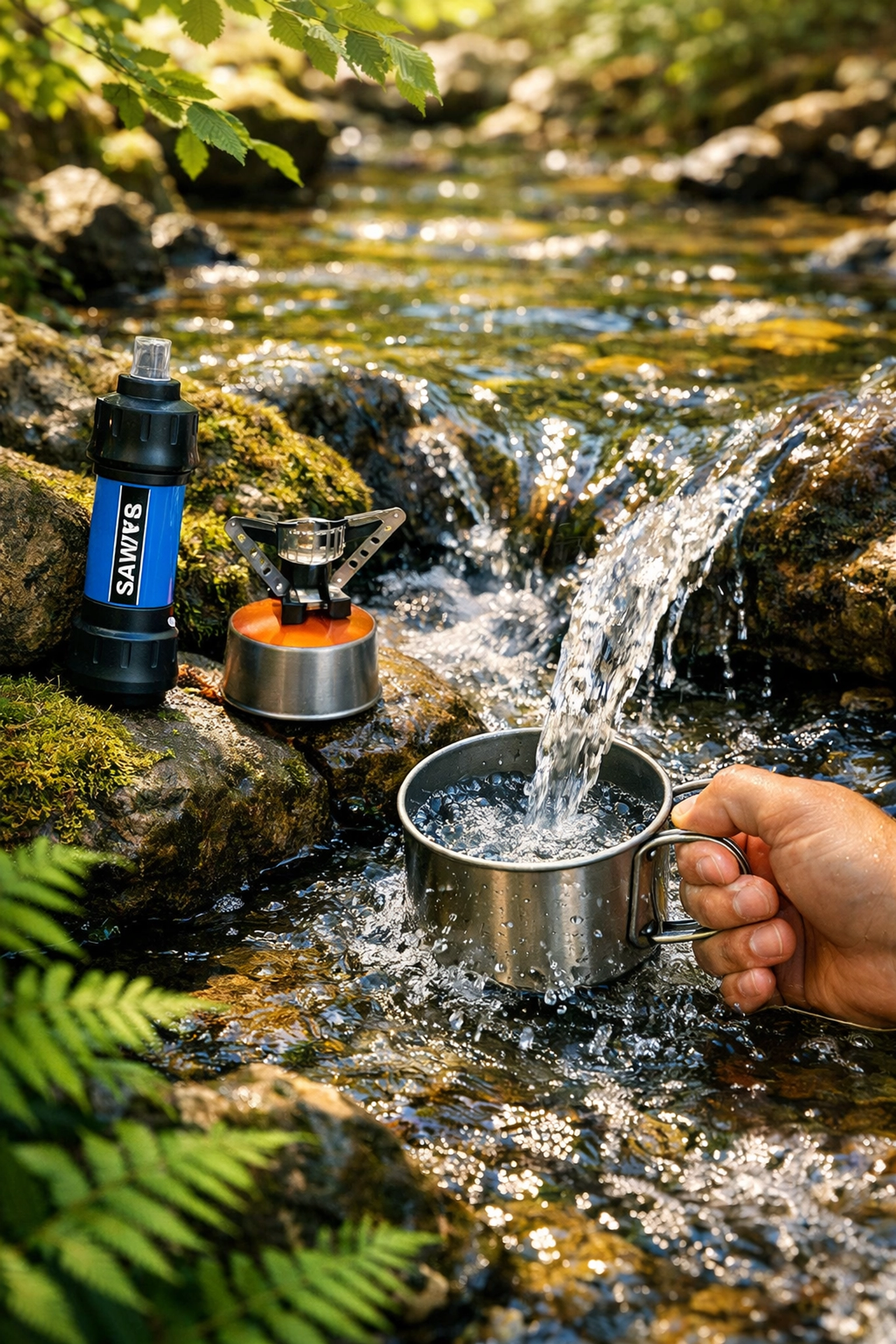
Your water options ranked:
Boiling – The gold standard. Bring water to a rolling boil for one minute. It kills everything. No chemicals needed. Works every time.
Filtration – Portable filters remove bacteria and protozoa. They don't kill viruses but viral waterborne illness is rare in UK wild sources. Carry a Sawyer or LifeStraw as backup.
Chemical treatment – Tablets work when you can't boil. Follow the timing instructions exactly. They taste awful but they work.
UV purification – SteriPEN devices kill pathogens with light. They need batteries and clear water. Good for camps with power backup.
Where to source water:
Look for moving water first. Fast-flowing streams collect less contamination than still ponds. Collect from upstream of any camping areas or farmland.
Never trust water near sheep grazing. Cryptosporidium from livestock causes severe illness. The parasite resists some chemical treatments.
Store purified water separately from untreated. Mark your bottles clearly. I've watched people accidentally drink from the wrong one after a long day hiking.
Real-world timing: Boiling takes 15-20 minutes including setup and cooling. Chemical tablets need 30 minutes minimum. Factor this into your camp routine. Start water prep before you're desperately thirsty.
Every camping adventure UK requires a water plan. Know your sources before you leave. Download offline maps showing streams and springs.
Skill Three: Emergency Signals That Get You Found
You twisted your ankle badly. Weather turned dangerous. Someone's hypothermic. Now you need help fast.
The signal priority system:
Phone first – Even without signal, try 999. UK emergency services can sometimes pick up weak connections other calls miss. Text if calls won't connect. Texts use less signal.
Whistle second – Six sharp blasts, pause, repeat. This is the international distress signal. Sound travels further than shouting and saves your voice. Carry two whistles in case one fails.
Visual signals third – Three fires in a triangle. Three anything in a triangle signals distress. Use bright clothing to make ground signals for helicopters. Create contrast against the terrain.
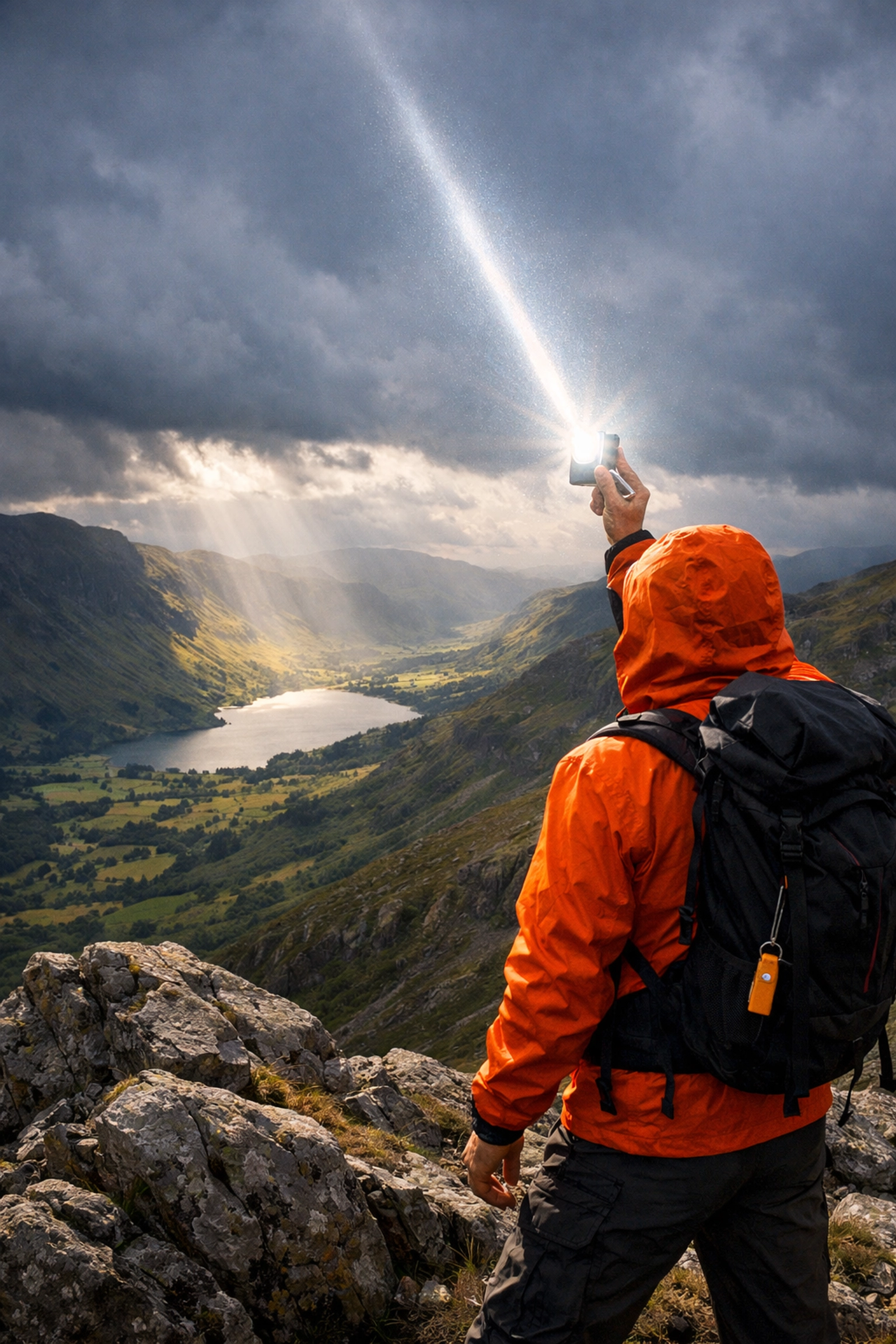
Mirror flashes fourth – Reflect sunlight using any shiny surface. Sweep the horizon repeatedly. Rescuers can spot mirror flashes from miles away.
The distress procedure for UK mountains:
Call Mountain Rescue via 999 or 112. Give your exact location using map coordinates or what3words. Describe injuries and number in your party. State what you can see around you (landmarks, terrain features).
Stay where you are unless staying puts you in danger. Moving makes you harder to find.
Make yourself visible. Bright colors stand out. Create large ground markers using rocks or gear.
Keep one person watching for rescuers at all times. Wave both arms above your head repeatedly when you spot them.
Prevention beats rescue: Tell someone your route before you leave. Give them an expected return time. Carry a charged phone and backup battery. Check weather forecasts twice.
Most wild camping emergencies happen because people didn't plan for bad weather or underestimated terrain difficulty.
Putting Your Framework Into Practice
Theory means nothing without repetition. You need muscle memory for when stress hits.
Month one: Set up shelter weekly in different conditions. Practice until it's automatic.
Month two: Purify water using all three methods. Time yourself. Compare taste and effectiveness.
Month three: Practice emergency signals with friends. Test your whistle range. Learn mirror signaling.
Join guided wild camping trips to learn from instructors who've handled real emergencies. Watch how experienced campers move through their routines.
Book onto outdoor survival skills courses that let you practice these techniques under supervision. Making mistakes in training means you won't make them when it counts.
Build your skills progressively:
- Start with day hikes in good weather
- Progress to overnight camps near roads
- Move to remote spots once you're confident
- Always practice new techniques in safe conditions first
The UK offers perfect training ground. Weather changes fast. Terrain varies dramatically. You'll encounter every scenario without leaving the country.
Your Next Steps
Pick one skill. Practice it this weekend. Don't wait for perfect conditions or expensive gear.
Pitch your tent in the rain. Boil water from a local stream. Practice whistle signals with hiking partners.
These three skills separate casual campers from people who genuinely know their craft. They're not glamorous. They're not exciting Instagram content. They keep you alive.
Start building your framework today. Your future self will thank you when you're standing confident in the wild, knowing exactly what to do.
Check out our other guides on outdoor survival skills to expand your knowledge beyond these core three.
Now get outside and practice.