
You’re heading out on a wild camping guided UK trip. Good move. Now make sure you leave the place exactly as you found it. That is Leave No Trace. It’s not a vibe. It’s a checklist.
Use this guide on your next camping adventure UK weekend. Save it. Follow it. Do it even when nobody is watching.
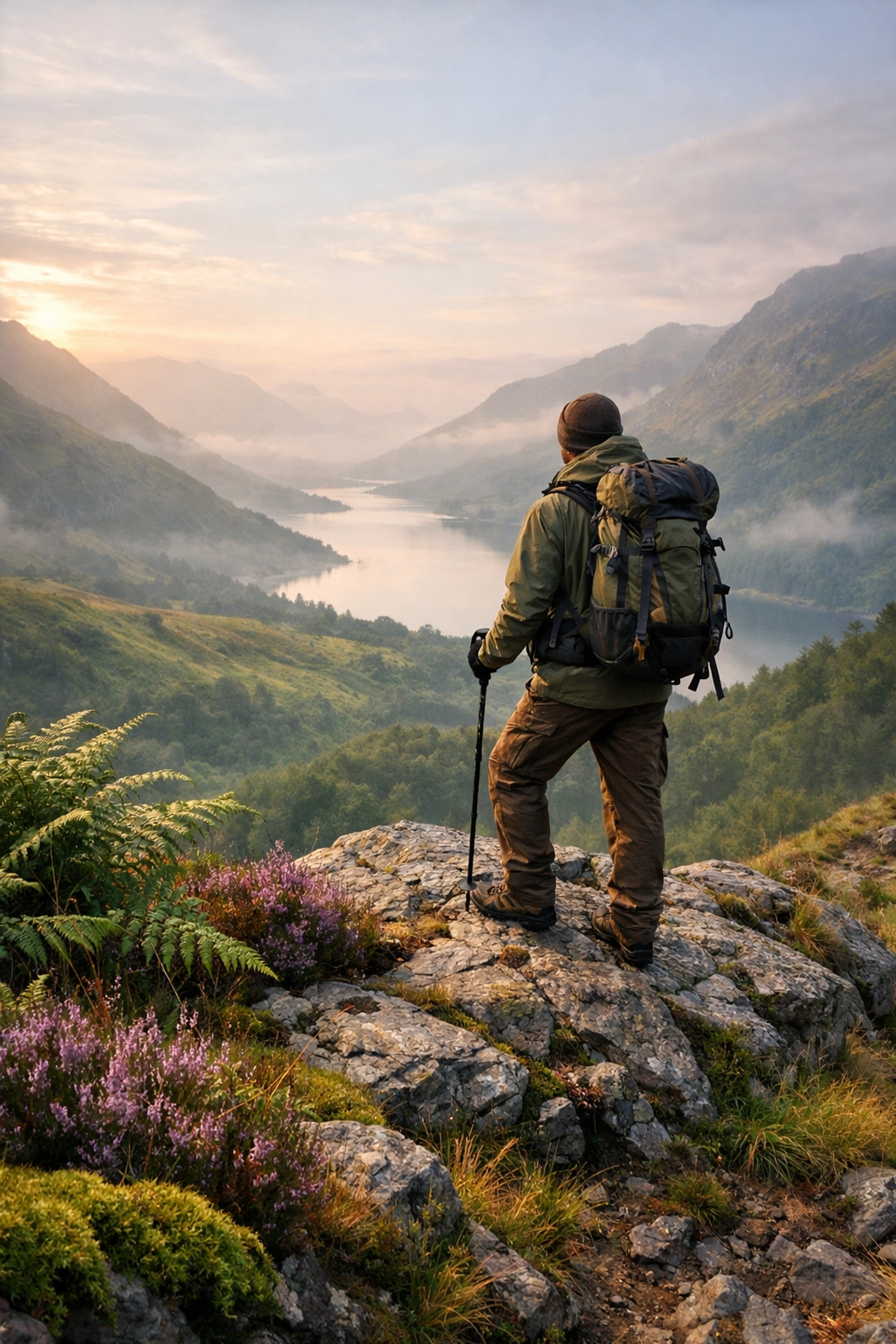
Leave No Trace in the UK: what it means on a guided trip
You travel light, you camp small, you move on early. You don’t cut, burn, dig, or dump. You don’t make a spot “better.” You don’t leave “biodegradable” stuff behind. You don’t share fragile locations online.
On a guided trip, your guide will help. You still own your choices. If your group follows these rules, you protect access for everyone.
Principle 1: Plan ahead and prepare
Don’t “wing it.” In the UK, small mistakes get big fast. Weather changes, daylight drops, and ground turns to mud.
Do this before you leave:
- Check the forecast, check it again the night before, check it again in the morning
- Know your route, know your exit points, know your last safe turnaround time
- Pack to stay dry, pack to stay warm, pack to eat without drama
- Repack food at home, remove extra wrappers, reduce waste you must carry out
- Bring a bag for rubbish, bring a second bag for wet rubbish
- Keep group size sensible, if it’s big, split into smaller teams with clear meet points
On guided hiking and camping trips, your guide may handle navigation and timings. Still learn the plan. Ask these questions:
- Where is the water, and what is the backup?
- Where can you camp without causing damage?
- What’s the toilet plan?
- What’s the “no-go” list for the area?
If you’re building skills for these trips, pair this with our basics guide: 10 outdoor survival skills every wild camping guided UK beginner should know
Principle 2: Travel and camp on durable surfaces
Your boots and your tent can wreck a spot in one night. Your job is to avoid soft ground, fragile plants, and new “social trails.”
Move like this:
- Stay on paths where they exist, don’t cut corners
- Spread out on durable ground only, don’t widen the trail on soft edges
- Avoid boggy areas, it’s damage now, erosion later
Camp like this:
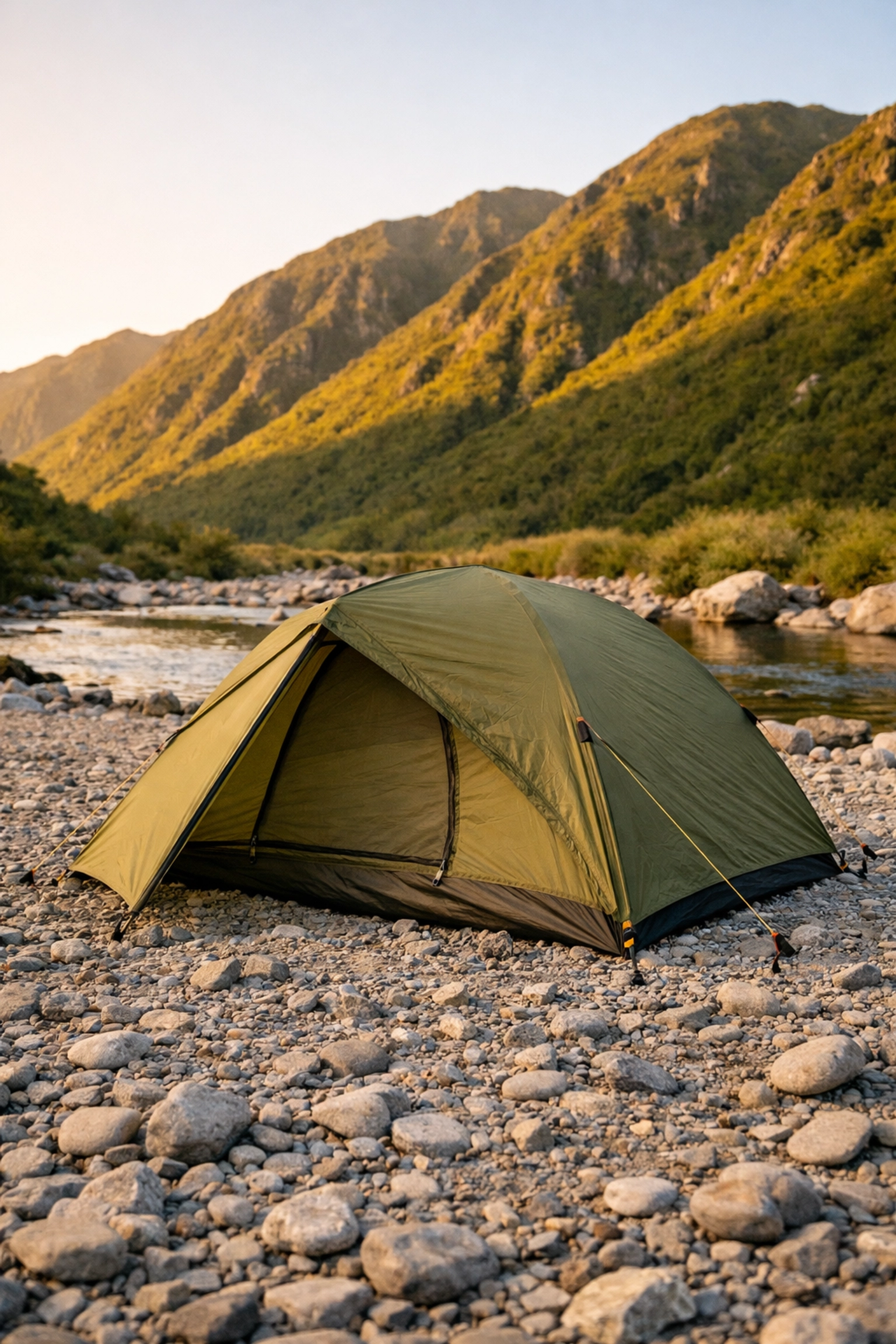
- Use durable surfaces, rock, gravel, dry grass, firm ground
- Keep away from water, aim for at least 30 metres from lakes, streams, rivers
- Keep the camp small, keep activity in one tight zone
- Don’t “improve” the pitch, don’t dig, don’t build, don’t shift rocks
A simple rule: good campsites are found, not made.
Quick campsite check (60 seconds)
- Is the ground already tough and bare, or is it living and soft?
- Will your tent leave a flat scar by morning?
- Can you pack up and leave with zero marks?
- Can anyone see you from a path, road, house, or popular viewpoint?
If any answer is “no,” move.
Principle 3: Dispose of waste properly
This is the one that ruins areas fast. Do it right every time. No exceptions.
Rubbish
- Pack out everything you bring in
- Pack out micro rubbish, tea bag tags, food scraps, corner bits of foil
- Don’t burn wrappers, don’t bury food, don’t toss orange peels “because nature”
Use one tough rubbish bag, then double-bag if it’s wet.
Human waste (the UK wild camping toilet plan)
If there is a toilet, use it. If not, do this:
- Walk at least 30 metres from water, paths, and camp
- Dig a small hole about 15 cm deep (about 6 inches)
- Go, then cover it fully with soil
- Pack out toilet paper, wipes, sanitary products, everything
Yes, pack it out. Toilet paper hangs around. Wet wipes are worse. Many contain plastic. They do not break down.
Make it easy:
- Carry nappy sacks or sealable bags
- Keep them inside a second bag so nothing leaks
- Use hand sanitiser after
If you’re unsure what to bring for this, make it part of your standard kit list. No kit, no trip.
Principle 4: Leave what you find
Don’t take souvenirs. Don’t make “art.” Don’t build “useful” stuff for the next person.
Do not:
- Pick flowers, pull plants, strip bark, or harvest moss
- Take rocks, antlers, feathers, or “cool bits”
- Rearrange stones into fire circles or windbreaks
- Build cairns unless it’s a real navigation marker in a real mountain setting
- Dig trenches, cut branches, or make furniture
Look, take photos, move on.
This matters on UK hills and moorland. Small damage shows up fast. Many places recover slowly.
Principle 5: Minimize campfire impacts (in the UK: usually, don’t)
In most UK wild camping areas, fires are not welcome. Often they’re not allowed. And they leave scars.
Do this instead:
- Cook on a stove
- Keep it simple, boil water, eat fast, clean up
- Use a windshield if needed, don’t scorch the ground
If your guide says a fire is permitted by the landowner, still be strict:
- Keep it tiny, keep it controlled
- Use only dead wood, don’t cut living branches
- Don’t burn trash, don’t burn plastics, don’t burn foil
- Put it out fully, drown it, stir it, feel for heat, repeat
- Remove any trace, scatter cold ash, restore the site
Best option: no fire. It’s lighter, faster, safer, and cleaner.
Principle 6: Respect wildlife
Wildlife is not your entertainment. You’re a visitor.
Do this:
- Watch from a distance, use binoculars if you have them
- Keep quiet near nesting areas, cliffs, and woodland edges
- Camp away from dens, nests, and obvious animal paths
- Store food so animals can’t get it, seal it, pack it away
- Never feed animals, not “just a bit”
UK-specific watch-outs:
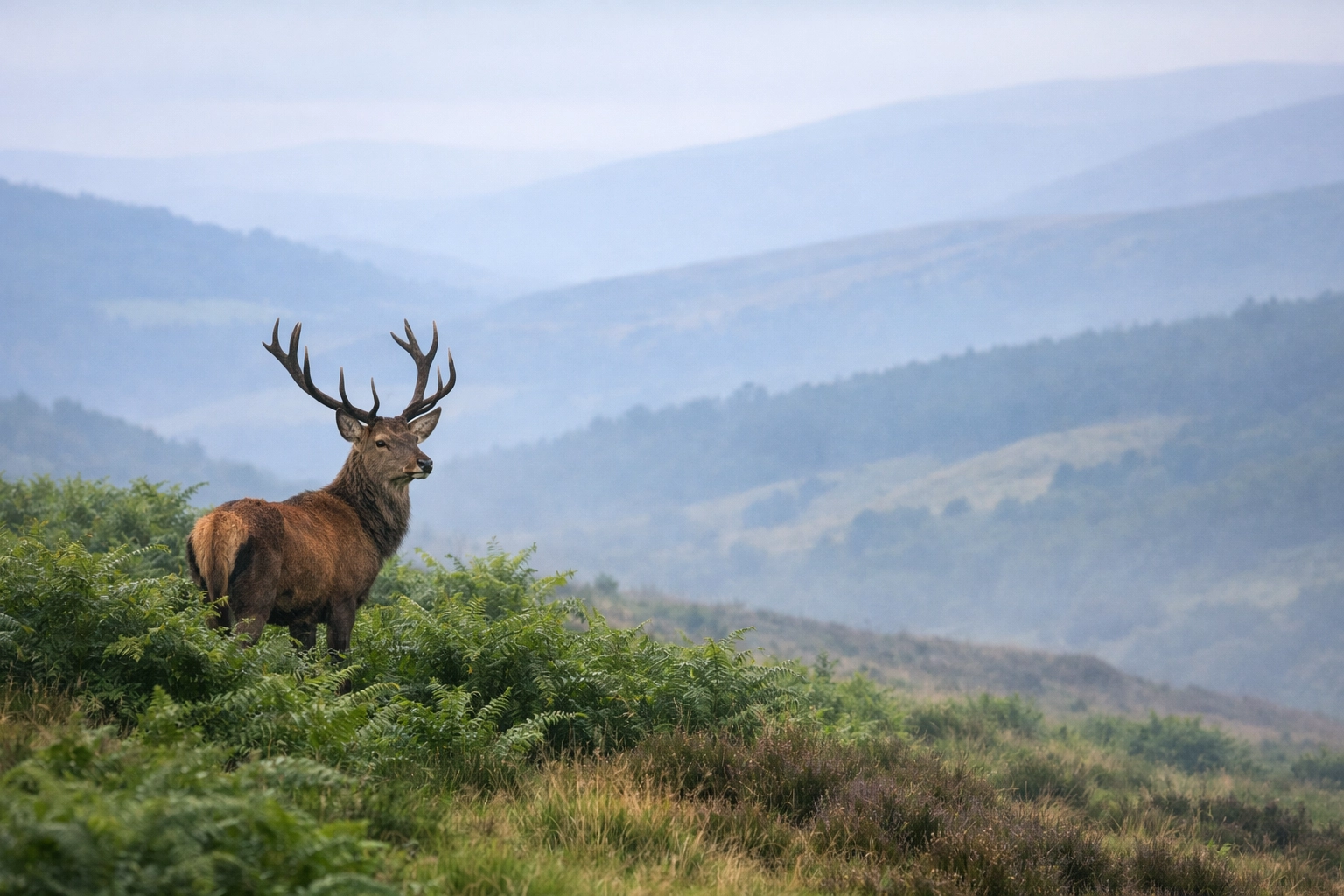
- Deer and ponies: don’t approach, don’t chase for photos
- Ground-nesting birds: keep to paths, especially in spring and early summer
- Farm animals: close gates, keep distance, don’t camp in fields
If you bring a dog, keep it under control. Follow local rules. If you can’t control it, don’t bring it.
Principle 7: Be considerate of other visitors
You’re sharing the land. People come for quiet. Landowners want no hassle. Rangers want no mess.
Act like this:
- Keep noise low, no speaker, no shouting across the valley
- Pitch late, leave early
- Stay one night, then move on
- Don’t block paths, gates, or access tracks
- Don’t camp where you’ll be seen from houses, roads, or busy trails
A useful test:
If someone can see you, hear you, or find your camp the next day, you’re not doing it right. Move.
About sharing locations online
Don’t post exact camp spots for fragile areas. Don’t tag the grid ref. Don’t make a “hotspot” out of a quiet place. Share the experience, not the pin.
The guided trip advantage: use your guide, don’t switch your brain off
A guided wild camp helps you do this right. Your guide can:
- Choose lower-impact routes and camps
- Teach you how to pitch on tough ground
- Run a tight toilet and waste plan
- Correct bad habits on the spot
Your job is to follow the system. If you’re unsure, ask. If you spot a problem, speak up.
If you’re still deciding whether guided trips are for you, read: Why guided walking tours will change the way you explore the British countryside
A simple Leave No Trace packing list (UK wild camping)
Pack for low impact, not comfort extras.
Bring:
- Rubbish bags x2 (one for dry, one for wet)
- Sealable bags for toilet paper and hygiene waste
- Small trowel
- Hand sanitiser
- Stove and fuel, lighter, backup ignition
- Reusable food container, no single-serve mess
- Water filter or treatment (follow your guide’s plan)
- Small microfibre cloth for cleanup
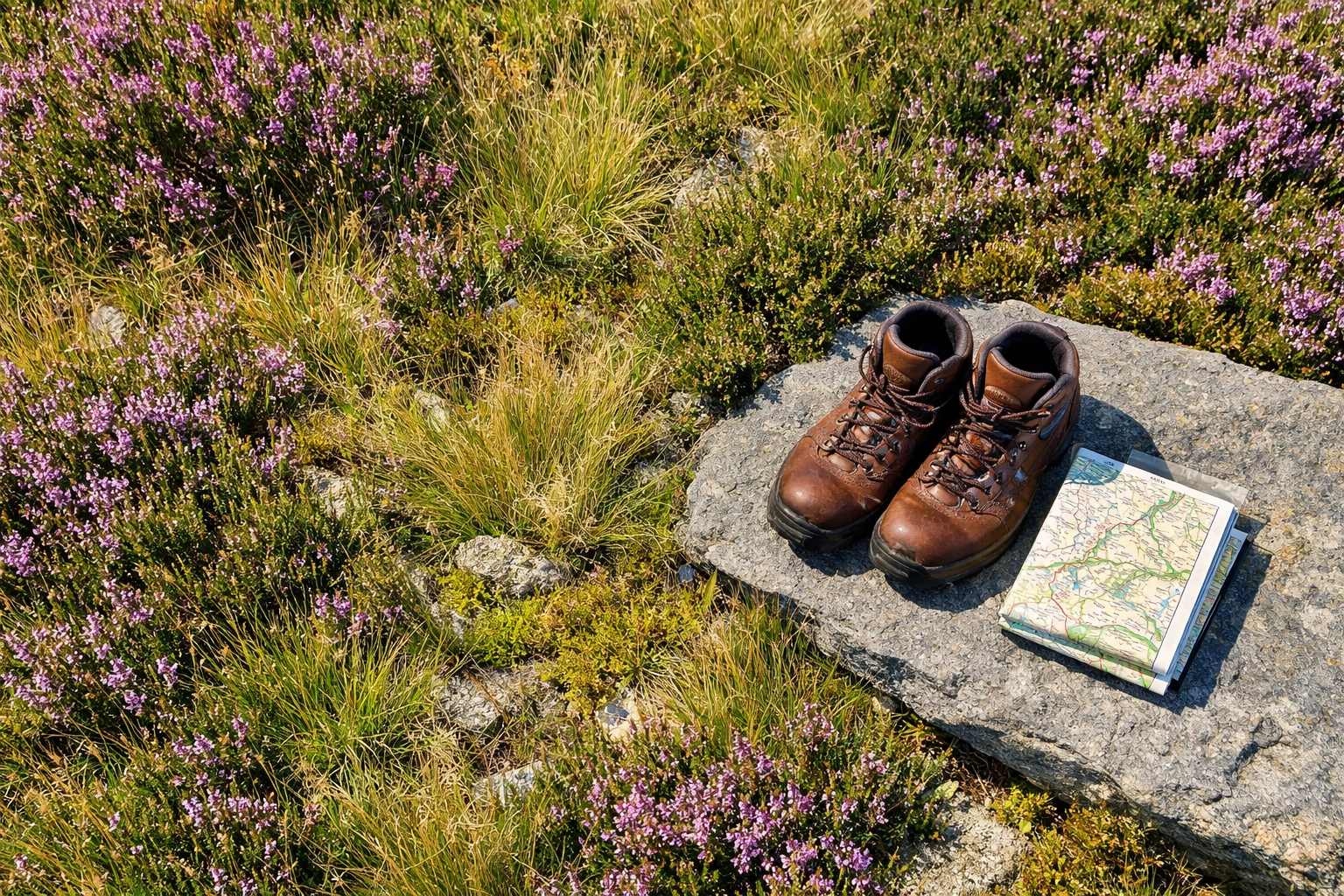
- Map and compass (even if your guide navigates, learn)
Skip:
- Wet wipes
- Disposable plates and cutlery
- “Just in case” novelty gear you’ll dump later
- Axe or saw for “campfire vibes”
Common Leave No Trace mistakes on UK trips (and the fast fix)
Mistake: pitching on soft grass because it looks comfy
Fix: choose firmer, barer ground, keep your footprint tight.
Mistake: camping too close to water
Fix: walk 30 metres away, protect banks and wildlife corridors.
Mistake: leaving food crumbs and “tiny bits”
Fix: pack it all out, do a final ground scan before you leave.
Mistake: burying toilet paper
Fix: pack it out in a sealed bag, every time.
Mistake: making a fire ring with rocks
Fix: don’t light a fire, use a stove.
Mistake: staying late, being seen, being noisy
Fix: arrive late, leave early, keep voices down.
For more planning pitfalls, use: 7 mistakes you’re making when planning UK hiking adventures and how to fix them
Leave No Trace: the 5-minute camp breakdown routine
Do this every morning. Make it a habit.
- Pack inside the tent first, keep small items contained
- Shake out the tent, pick up every scrap near the door
- Scan for micro litter, twist ties, corners of wrappers, bits of tissue
- Check for tent peg holes, press the ground back down
- Brush out flattened grass with your hand or boot
- Walk the full camp circle, widen it by 5 metres, scan again
- Leave with everything, no marks, no leftovers
If you do this, your campsite should look unused.
Your next step
Before your next wild camping guided UK trip, run a quick kit check, add your waste system, then practise the 5-minute breakdown routine on your next night out.