
You want a fire. You also want to leave the hillside the same as you found it. Do both. Use this as your quick checklist for wild camping guided UK fire safety, and keep your camping adventure UK plans simple and safe.
1) You light a fire without checking the rules
Mistake: You assume “wild” means “allowed.” It doesn’t.
Fix: Check first, then act.
- Ask the landowner. Do it before you pack.
- Read signs at car parks, gates, and trailheads.
- Avoid nature reserves and protected sites unless rules clearly allow it.
- Know the difference by region.
- England and Wales: fires are often banned or not welcome on private land.
- Scotland: the Scottish Outdoor Access Code can allow small fires, but not on peaty ground, farmland, forests, or during dry spells.
Do this now: If you can’t get clear permission, don’t light a fire. Use a stove instead.
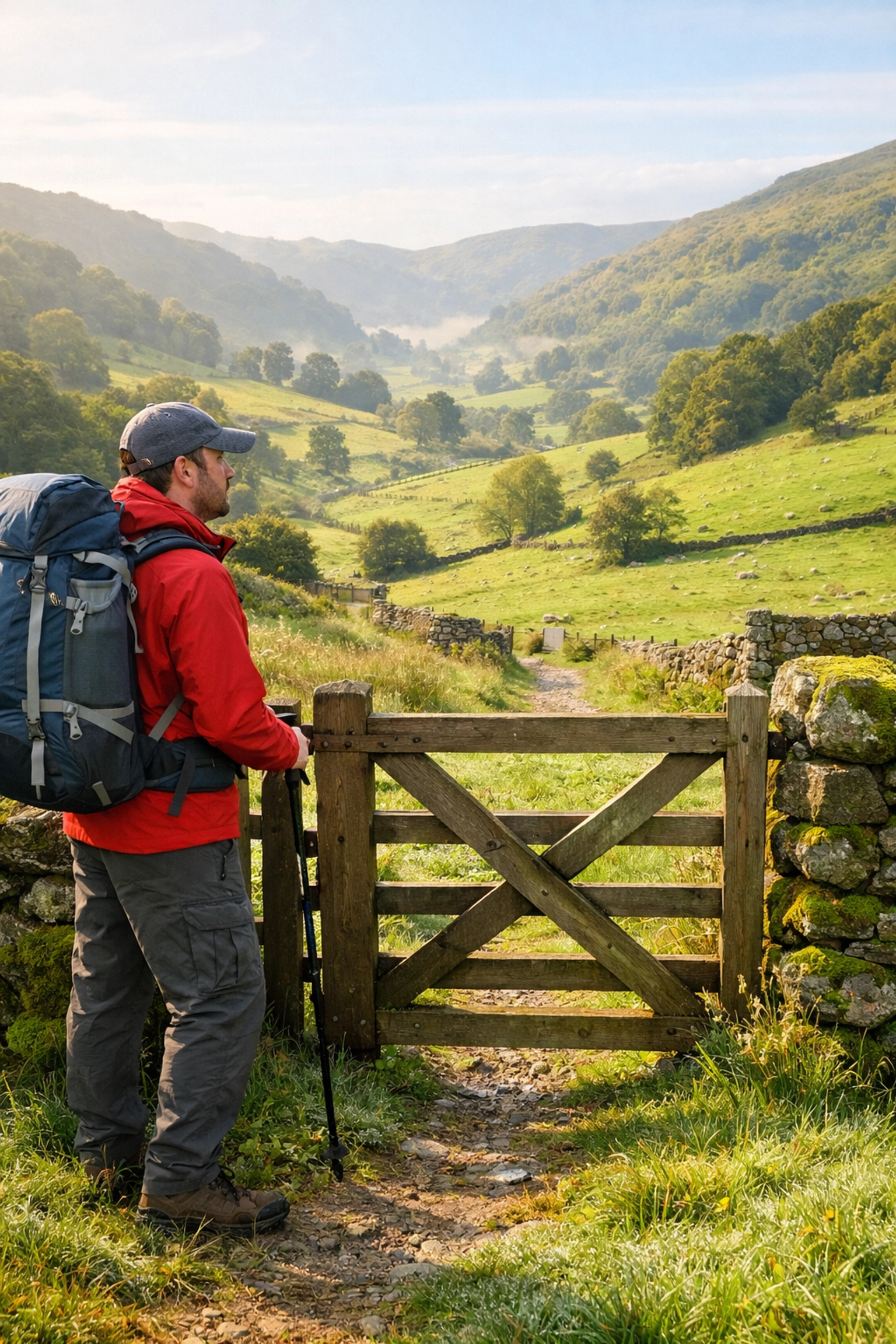
2) You build on peat, moss, or roots
Mistake: You build where it looks soft and hidden. That ground can burn under the surface.
Fix: Pick a safer base, then protect it.
- Use gravel, sand, or bare mineral soil.
- Stay off peat, moss, and thick duff.
- Stay away from tree roots. Roots carry fire.
- Get close to a water source if you can, but don’t block access or damage banks.
Do this: If you can’t find a safe base, skip the fire.
3) You ring the fire with wet stones
Mistake: You grab stones from a stream or wet ground. They can crack or explode when heated.
Fix: Keep it simple.
- Use dry stones only, and only if you need them.
- Better option: build a small fire on a fire-safe base with a tight footprint.
- Don’t heat random stones for cooking unless you know they’re dry and stable.
Do this: If stones feel damp, don’t use them.
4) You burn the wrong wood (and you take it the wrong way)
Mistake: You snap branches off trees, or you use wet wood, then you fight smoke all night.
Fix: Collect better fuel, use less of it.
- Pick dry twigs, small sticks, pine cones from the forest floor.
- Avoid freshly fallen wood that still feels heavy and wet.
- Never cut or break branches from live trees.
- Start small. Thumb-thick sticks beat arm-thick logs.
Fast test: If you can snap it clean, it’s closer to dry. If it bends, it’s still wet.
Do this: Gather twice what you think you need, then burn half.
5) You make the fire too big and too close
Mistake: You build a “bonfire” because it looks fun. You put it near your tent because it feels easy.
Fix: Shrink it, move it, control it.
- Keep it small, knee-width is plenty.
- Keep it well away from:
- tents and tarps
- long grass and bracken
- hanging branches
- dry logs and gear piles
- Use a shallow scrape to seat the fire if local rules allow, or use a fire pan if you have one.
- Keep your fire low and sheltered, but not under trees.
Do this: Set a “no-gear zone” around the fire, one big step wide.
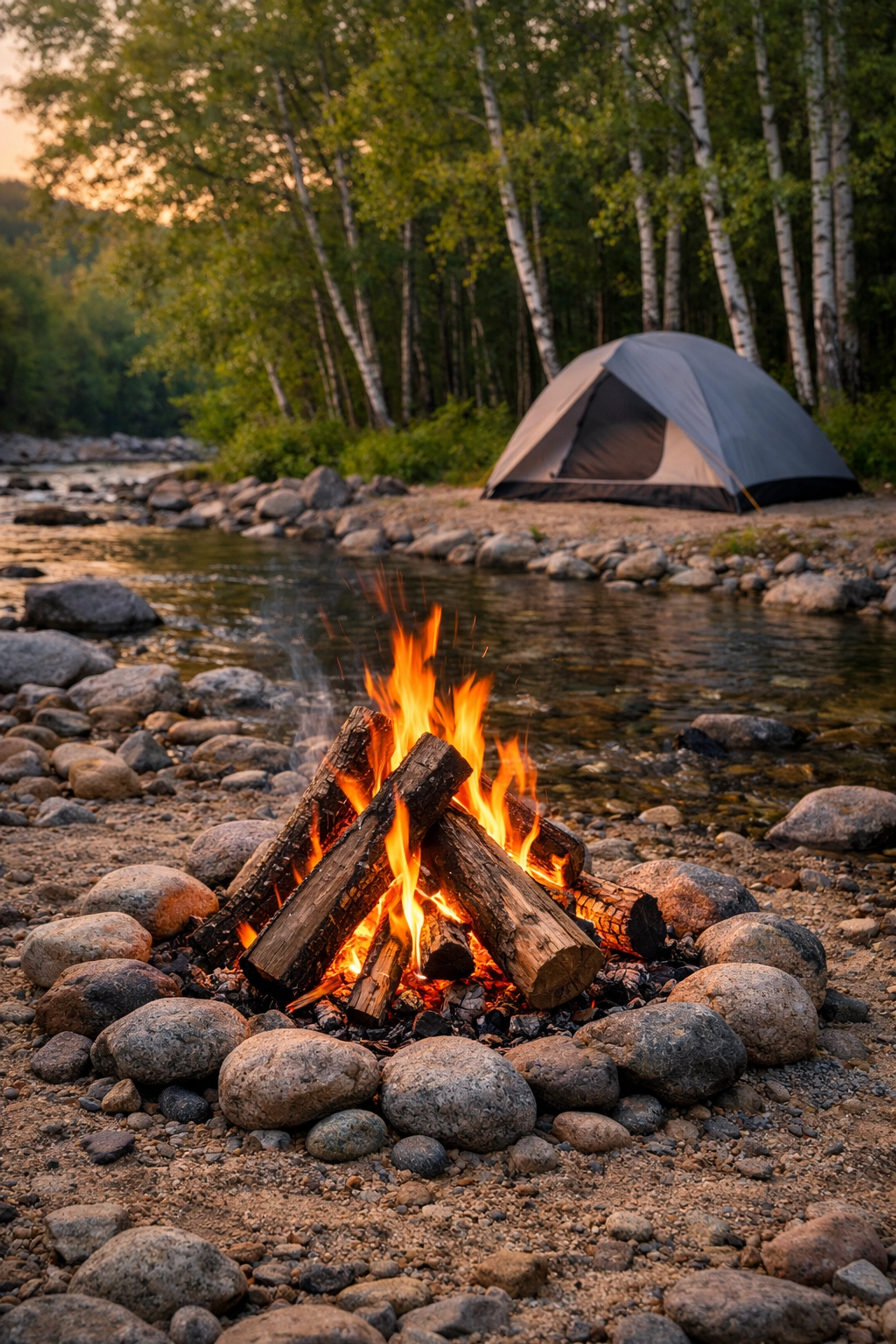
6) You start without your put-out kit ready
Mistake: You light first, then look for water. That’s how small problems become big ones.
Fix: Build your exit plan before your fire.
- Put water within arm’s reach.
- Add sand or wet earth as backup.
- Keep a mug or bottle ready for quick pours.
- Clear away loose fuel: dry grass, leaves, stray twigs.
- Never leave the fire unattended. Not for “one minute.” Not for a toilet break.
Do this: Before you light, say out loud: “I can put this out right now.”
7) You walk away while it’s still hot
Mistake: You “think” it’s out. You leave warm ash. Wind does the rest.
Fix: Put it out until it’s cold.
- Let the wood burn down to ash first.
- Pour water slowly. Listen for hissing.
- Stir the ash. Use a stick. Break up embers.
- Add more water.
- Cover with sand or earth to cut off air.
- Check with the back of your hand near the ash. Don’t touch if you’re not sure.
- Leave only when it’s cold.
Do this: If it’s warm, it’s not out. Repeat the cycle.
The simplest fix: use a stove more often
Open fires are not always the best tool. Stoves are easier. They’re cleaner. They’re also easier to justify on busy UK ground.
Use a stove when:
- it’s dry, windy, or warm
- you’re on unknown ground
- you’re short on time
- you can’t collect deadwood without stripping the area
If you want skills, practice fire safety with a guide, then keep most trips stove-first. That’s how you stay welcome on the land.
For more core skills that support safer nights out, read:
- https://openskyadventure.co.uk/uncategorized/10-outdoor-survival-skills-every-wild-camping-guided-uk-beginner-should-know
- https://openskyadventure.co.uk/uncategorized/fire-starting-navigation-foraging-and-shelter-essential-outdoor-survival-skills-for-your-next-uk-camping-trip
Quick “before you light” checklist (save this)
- Permission checked, rules clear
- Weather checked, wind low, ground not dry
- Safe base picked, no peat, no moss, no roots
- Fire small, area cleared
- Water + sand/wet earth ready
- No wet stones
- Fuel dry and dead, no live cutting
- Exit plan set, fire never left alone
- Full cold-out done before sleep or leave
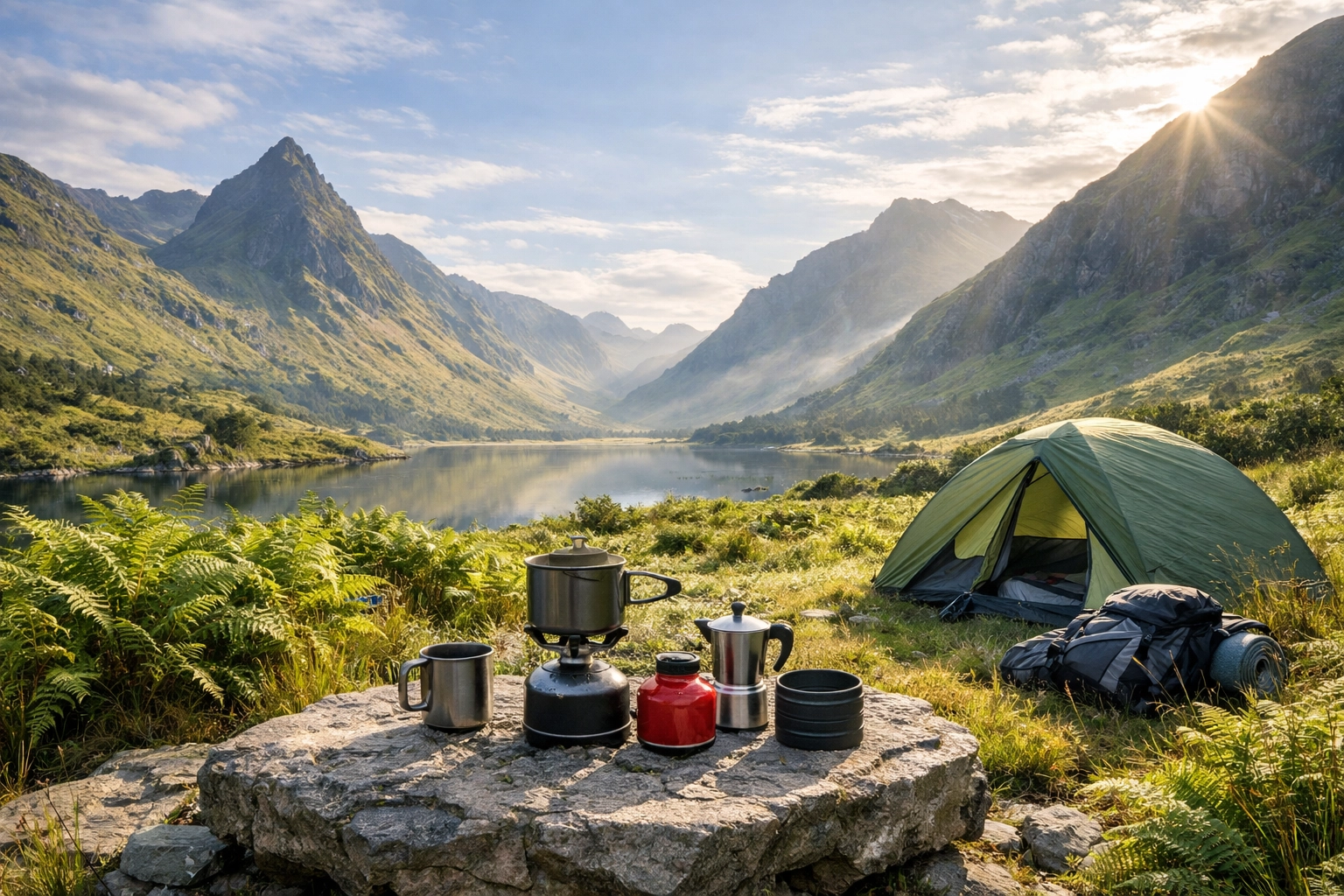
One move to make on your next trip
Pick your next camping adventure UK route, then decide your cooking plan now: stove by default, fire only with permission and a safe base.