
Hi there, adventurer. Welcome to the reality of the British wild.
You are out on your next camping adventure uk. The clouds turn grey, the wind picks up, and the temperature drops. You need a shelter. You need it now. Most people think they know how to build one. Most people are wrong. A bad shelter is worse than no shelter. It gives you false hope and then fails when the rain starts.
We want you safe. We want you warm. Let’s look at the seven mistakes you are probably making. Fix them today. Master your craft before your next wild camping guided uk trip.
1. Picking the Wrong Spot
You found a flat piece of ground. It looks perfect. You set up your gear. Two hours later, you are floating in a puddle. This is the most common error in the UK.
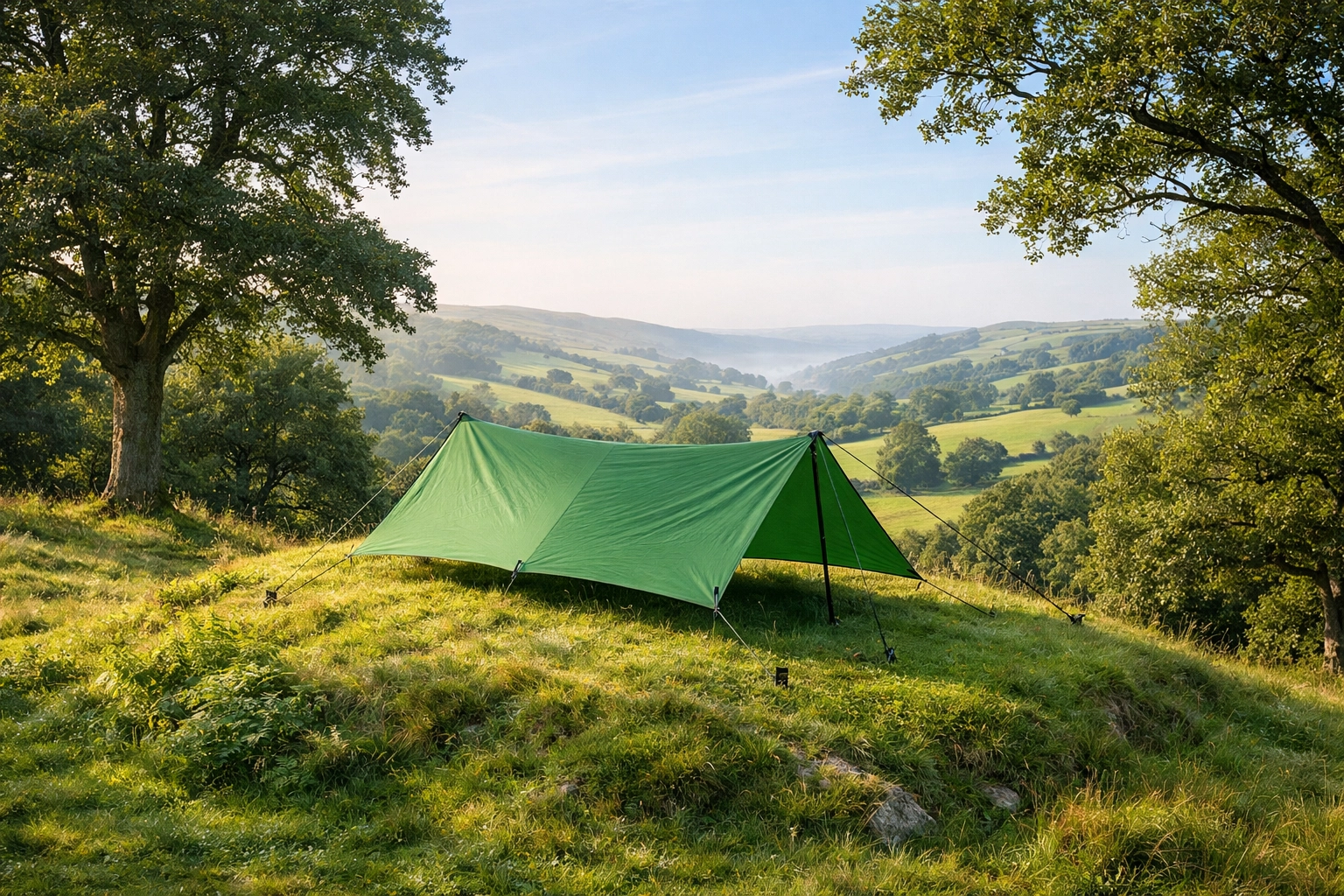
Don't pitch in a depression. Water follows gravity. It will pool under your back. Don't pitch on a ridge either. The wind will shred your tarp. Avoid "widow-makers." These are dead branches hanging above you. One gust of wind makes them fall. They are heavy and dangerous.
The Fix:
Look up. Look down. Look around. Find high ground. Stay away from the bottom of hills. Check the trees for rot. Feel the wind direction. Pitch your back to the wind. Use the landscape to block the breeze.
2. Building a "Man-Trap"
A shelter should protect you, not crush you. Many beginners build heavy roofs on weak frames. They pile on mud, branches, and leaves. Then the main ridge pole snaps. You are now trapped under wet debris in the dark.
This happens because of poor structural logic. You rely on friction instead of physics. You use thin sticks for heavy loads. This is a recipe for a hospital visit.
The Fix:
Build for strength first. Use a "Y" stake or a deep-set tripod. Test your ridge pole. Press down on it with your full weight. If it bends, it is too weak. Find a thicker branch. Ensure every support beam is notched or tied. If you wouldn't stand under it during an earthquake, don't sleep under it in a storm. Check out these 10 outdoor survival skills every wild camping guided uk beginner should know to understand basic camp safety.
3. Ignoring Your Knots
You have a great tarp. You have a long rope. You tie a "granny knot" and hope for the best. The wind hits 30 miles per hour. Your tarp is now a kite. It is gone. You are wet.
Most campers don't practice rope work. They think a tight pull is enough. It isn't. Tension loosens. Wet rope stretches. Plastic cordage slips.
The Fix:
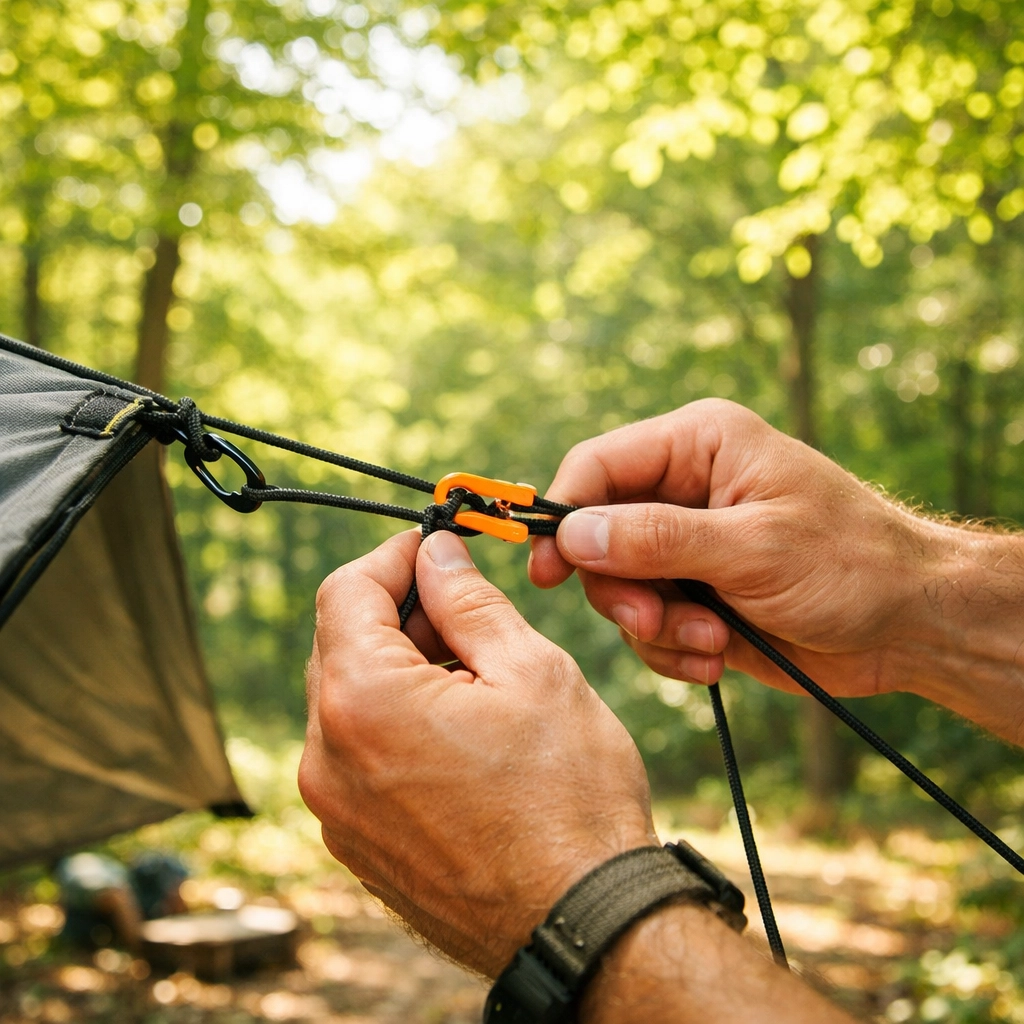
Learn three knots. Learn the Bowline to create a fixed loop. Learn the Taut-Line Hitch to adjust tension. Learn the Evenk Hitch for quick releases. Practice these until you can tie them with cold fingers. Practice them in the dark. Use high-quality paracord. Never rely on a single knot to hold your life together.

4. Creating a Condensation Trap
You made your shelter airtight. You are proud. You crawl in and zip up. You wake up damp. It didn't rain. Your breath did this.
Non-breathable materials like plastic or heavy tarps trap moisture. Every breath releases water vapor. It hits the cold surface of your shelter. It turns into liquid. It drips on your face. This is a classic mistake on any camping adventure uk.
The Fix:
Allow for airflow. You need a vent. Leave a gap at the top or the bottom of your shelter. Cross-ventilation is your friend. You will lose a little heat, but you will stay dry. Being dry is more important than being slightly warmer in a swampy bag. If you want to dive deeper into these nuances, read about wild camping guided uk secrets revealed.
5. Building a Mansion
You want space. You want to stand up. You build a massive lean-to. You climb inside and stay shivering all night.
Your body is the only heater in the shelter. A large space takes forever to warm up. Most of that heat escapes through the giant opening. You are trying to heat the whole forest. It won't work.
The Fix:
Keep it small. Keep it snug. Your shelter should be just big enough for you and your kit. The closer the walls are to your body, the faster they trap your heat. If you are using a lean-to, add a second wall. Build a "debris hut" style where the roof is only inches from your chest. Small is warm. Large is cold.
6. Forgetting the Floor
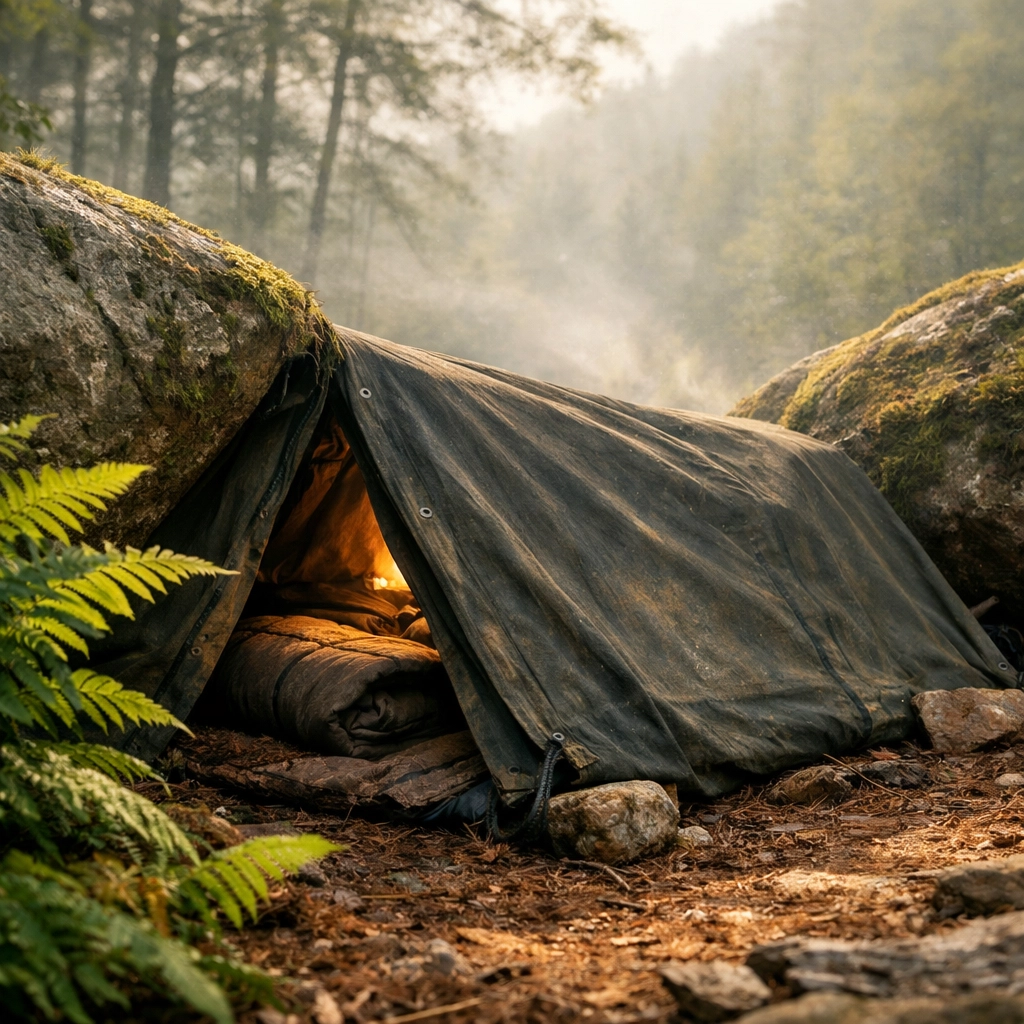
The air is cold, but the ground is a heat thief. It is called conduction. The earth will suck the warmth right out of your bones. Many people spend hours on a roof and zero minutes on a bed.
Sleeping on bare ground is a fast track to hypothermia. Even a waterproof groundsheet isn't enough. It stops the wet, but it doesn't stop the cold.
The Fix:
Insulate the floor. Use a thick layer of dry leaves. Use pine boughs. Use moss. Aim for at least six inches of compressed natural material. If you have a sleeping mat, use it. If you don't, build a "raised bed" using logs and sticks. Put your backpack under your hips. Put your spare clothes under your shoulders. Stay off the dirt. For more planning tips, see 7 mistakes you’re making when planning uk hiking adventures.
7. The "First Time" Fallacy
You bought a new emergency bivy. You bought a high-tech tarp. You left them in the original packaging. You figured you would read the instructions when the emergency happened.
The wind is howling. Your hands are shaking. You can't find the pegs. The instructions blow away. You are now in trouble. This is the biggest mistake of all.
The Fix:
Test everything at home. Go into your garden. Turn on the hose. Try to set up your shelter while the water hits you. See where it leaks. See how long it takes. Figure out if your stakes work in soft soil or hard rock. If it fails in your garden, you can go inside. if it fails on a mountain, you can't. Knowledge is your best gear.
Prepare for Your Next Adventure
Survival is a set of choices. You choose the site. You choose the knots. You choose the size. Every small choice adds up to a warm night or a miserable one.
The UK wilderness is beautiful, but it is unforgiving. Don't let a simple mistake ruin your trip. Respect the environment. Practice your skills. Trust your gear because you have tested it, not because you bought it.
Now, grab your gear. Go to your local park or garden. Pitch your tarp five times. Do it until it feels like second nature. Your future self will thank you.