
Welcome to the wild. You are ready for your next camping adventure uk. You have the tent. You have the boots. You have the spirit. But you need to know where you are going. Navigation is the difference between a great story and a rescue call. Many hikers make simple errors. These errors lead to trouble. Fix them before you start your wild camping guided uk experience.
1. Relying Only on Your Phone
Your phone is a tool. It is not a safety net. Phones fail. Batteries die in the cold. Screens crack on rocks. Rain makes touchscreens stop working. Signal disappears in deep valleys.
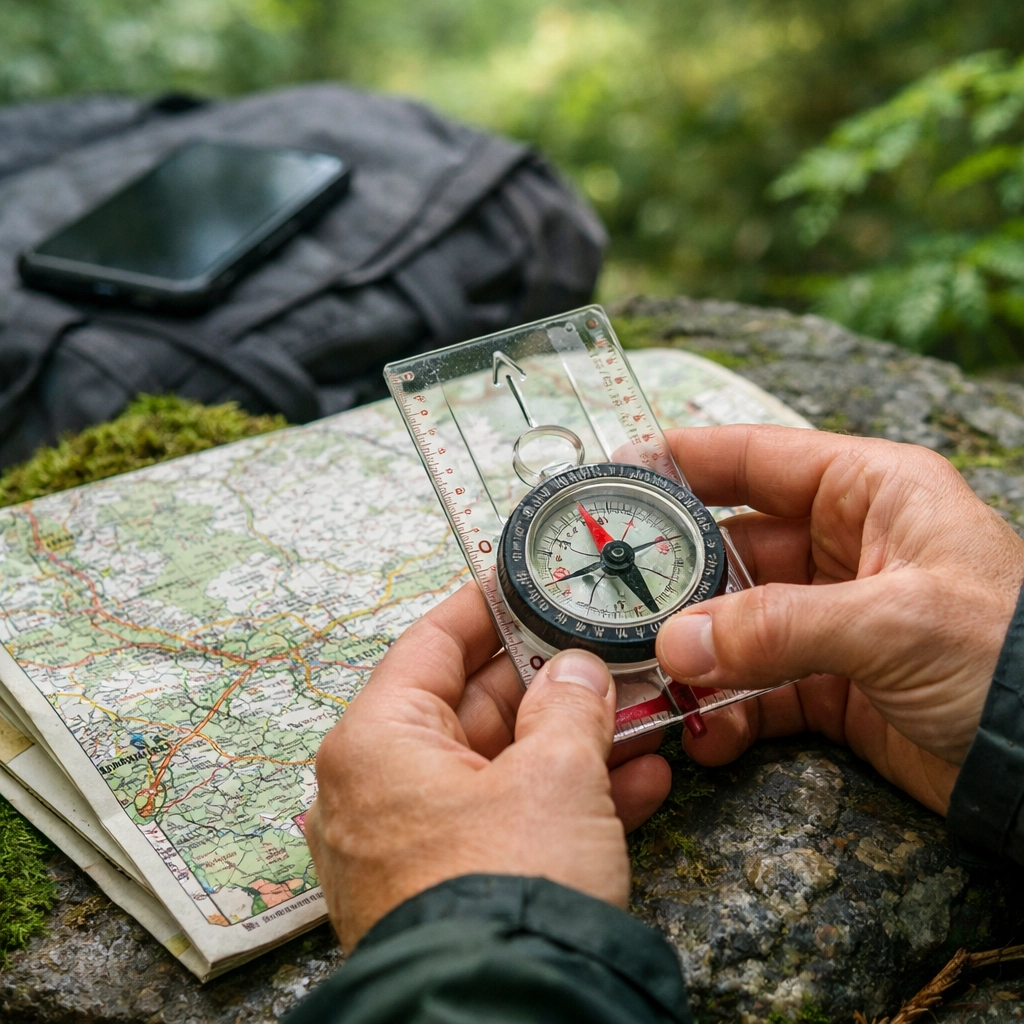
Never trust a screen with your life. Carry a physical map. Pack a compass. Keep them in a waterproof case. Use your phone for convenience, not survival. Check your battery levels often. Carry a power bank. Keep your phone close to your body to stay warm.
2. Leaving Your OS Map at Home
A basic map is not enough. You need detail. You need an Ordnance Survey (OS) map. These maps show every wall, stream, and cliff. They show public access land. They show private boundaries.
Without an OS map, you might camp where you are not welcome. You might hit a fence you cannot cross. Buy the 1:25,000 scale map. This is the Explorer series. It has the detail you need for a wild camping guided uk trip. Study the legend. Learn what the symbols mean. Do this before you leave your house.
3. Forgetting to Download Offline Maps
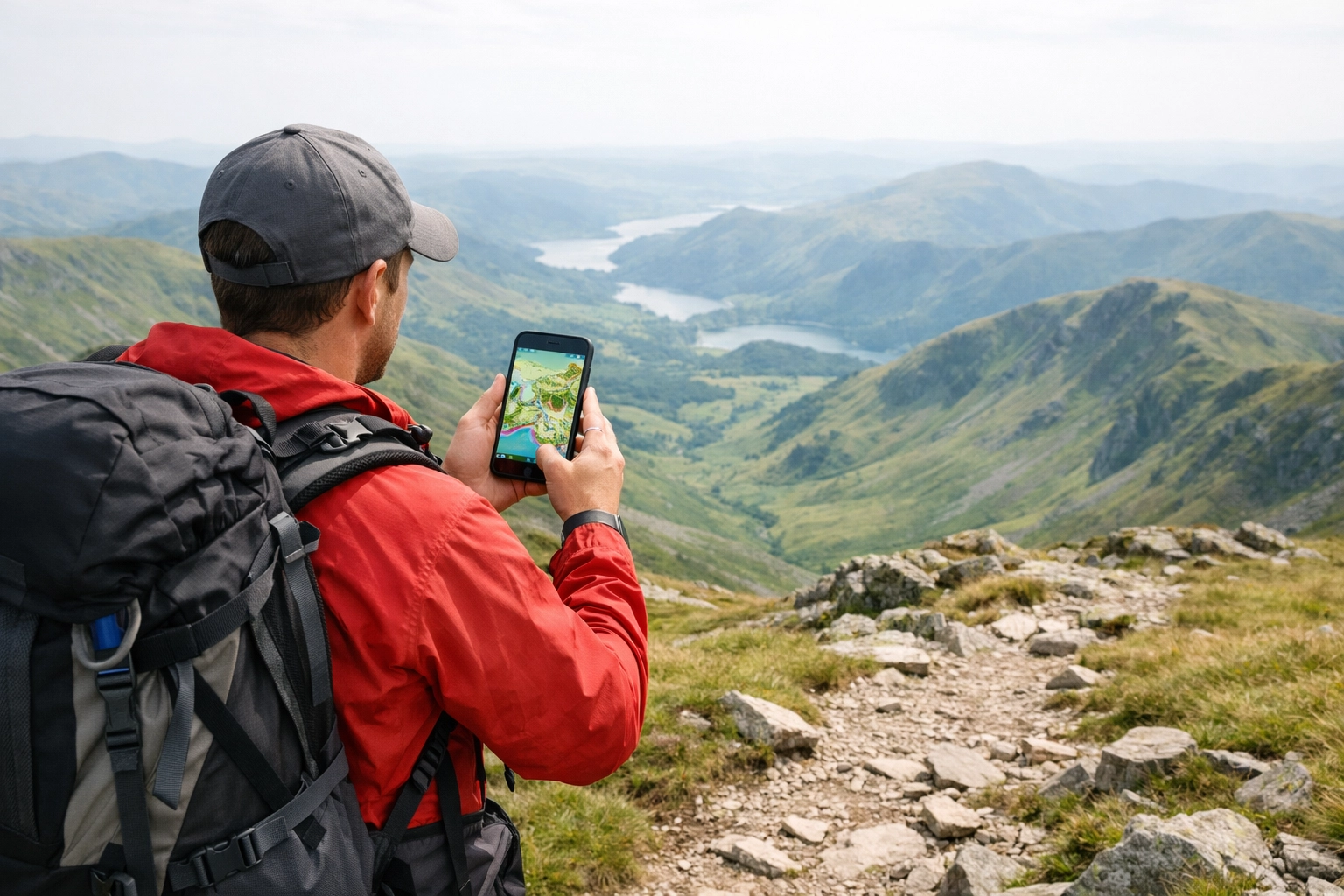
Signal is a luxury. In the UK mountains, it is rare. You will lose your data connection. If you use navigation apps, you must download the maps first.
Open your app at home. Select the area of your trip. Hit download. Check that the maps work without Wi-Fi. Switch your phone to airplane mode when you hike. This saves battery. It stops the phone from searching for a signal that isn't there. Use apps like OS Maps or Gaia GPS. Learn how they work before you hit the trail.
4. Failing to Scout the Terrain
Navigation starts at your kitchen table. Don't wait until you are on the hill to look at the route. Examine the elevation changes. Look for steep climbs. Look for boggy ground.
Identify "handrails." These are linear features like rivers, tracks, or ridges. Use them to guide you. Identify "backstops." These are features like roads or large lakes. If you hit them, you have gone too far. Knowing the land helps you make better choices. It keeps you on track when the fog rolls in. Check out more essential survival skills to prepare for your journey.
5. Skipping Map and Compass Training
A compass is useless if you don't know how to use it. Many people carry one but never open it. Don't be that person.
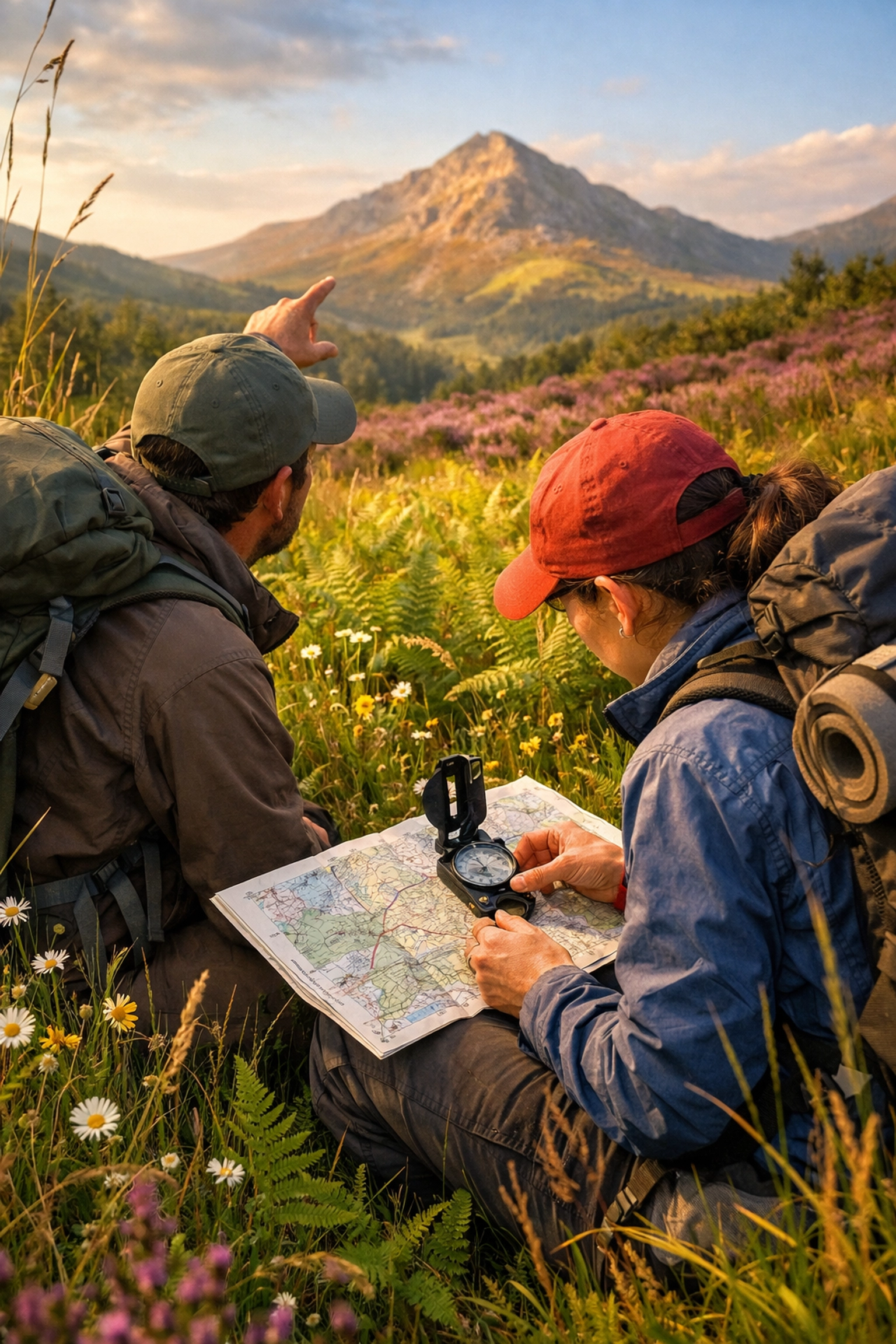
Learn how to take a bearing. Learn how to follow it in low visibility. Practice in a local park. Find a landmark. Aim your compass. Rotate the bezel. Align the needle. Walk. It is a simple skill that saves lives. You do not need a natural sense of direction. You need a system. Master the basics of outdoor survival skills before your trip.
6. Keeping Your Plans a Secret
If you get lost, people need to know where to look. Never head out into the wild without telling someone your plan.
Write down your route. List your start point and end point. Note your expected return time. Give this to a friend or family member. Tell them what to do if you don't call by a certain hour. If you change your plan, send a text. This simple step ensures rescue services can find you fast. It is a vital part of planning any uk hiking adventure.
7. Ignoring Your Grid Reference
In an emergency, "near a big rock" is not a location. You need numbers. You need a grid reference.
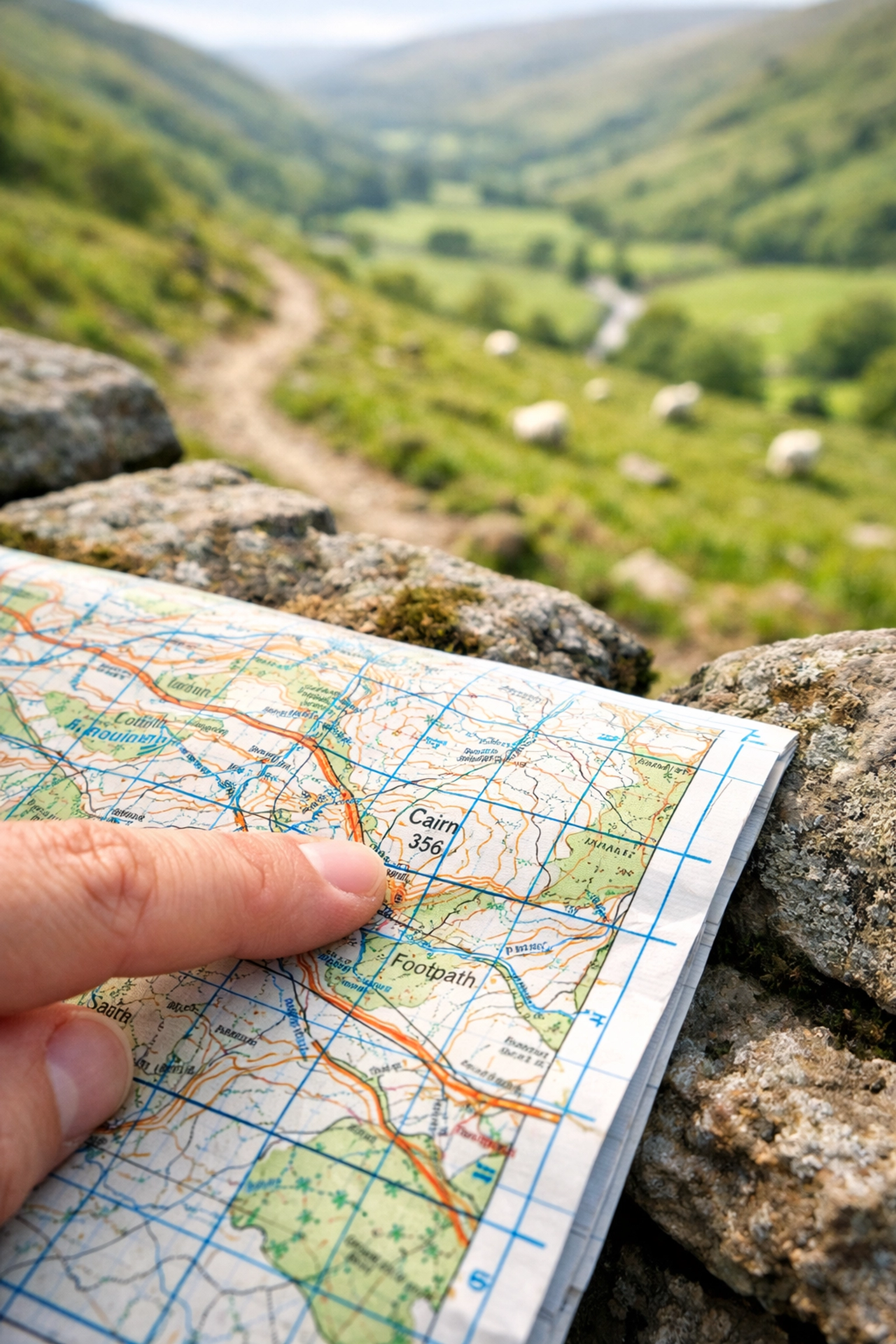
Use your map to find your six-figure grid reference. This pinpoints your location within 100 meters. If you use a phone, use the OS Locate app. It gives you a grid reference without needing a signal. Practice reading these numbers. Shout them out to your hiking partners. Make it a habit. Knowing where you are at all times is the goal.
Quick Fix Navigation Checklist:
- Buy the OS Explorer map for your area.
- Put your phone in airplane mode.
- Download offline maps on two different devices.
- Pack a baseplate compass.
- Tell a friend your exact route.
- Check your location every 30 minutes.
- Look at the landscape, not just your feet.
Navigation is a skill you build. It takes time. Start small. Go on shorter walks. Practice your map reading. Trust your tools. Join a guided tour to learn from experts. We show you how to read the land. We keep you safe while you learn.
Don't wait for your next trip to start learning. Grab your map today. Open it on your floor. Find your house. Find a hill. Plan a route. The more you look at the map, the more it speaks to you.
Get your gear ready for your next camping adventure uk. Stay safe. Keep exploring.
Pack your compass and book your next guided adventure now.