
Hey there, adventurer. Ready to level up your outdoor game?
Wild camping in the UK is raw. It's real. And it demands respect.
Before you head into the backcountry, you need skills. Not just gear. Skills that could save your life.
Here are 15 outdoor survival skills to master before your next camping adventure UK style.
1. Fire Building
Fire changes everything. It keeps you warm. Cooks your food. Purifies water. Deters wildlife.
Learn multiple methods. Matches. Lighters. Friction techniques like the bow drill.
Always carry waterproof matches or a reliable fire starter. Practice building a safe fire pit. Clear flammable materials. Build a ring with rocks.
Fire is your best friend out there. Treat it with respect.
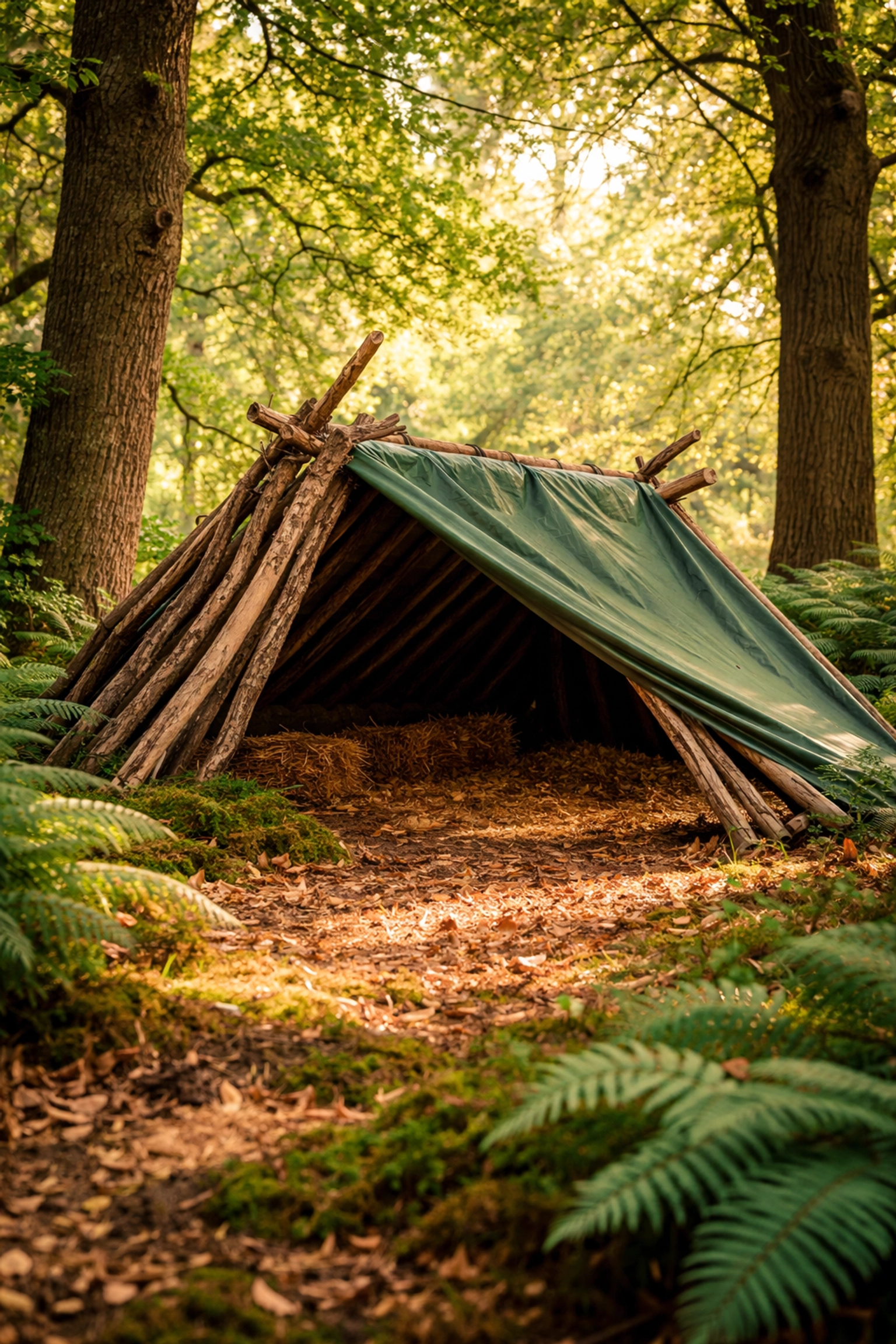
2. Shelter Construction
Shelter comes first in any survival situation. Period.
Learn to build a lean-to. Master the A-frame. Understand debris shelters using branches, rope, and tarps.
A good shelter protects you from harsh weather. It maintains body temperature. Insulate with leaves and grass when needed.
Your shelter is your home. Make it solid.
3. Navigation with Compass and Map
Your phone will die. GPS can fail. Technology isn't reliable in the wild.
Learn to use a compass and map together. It's the most precise navigation method available.
Understand natural navigation too. Follow the sun. Read the terrain. Use the stars at night.
Getting lost isn't an adventure. It's dangerous. Know where you're going.
4. Water Sourcing and Purification
You can survive weeks without food. Only days without water.
Pack water purification items. Portable filters. Chemical treatments. Purification tablets.
Know how to find water sources. Streams. Rivers. Morning dew.
Never drink untreated water from the wild. Ever. The consequences aren't worth the risk.
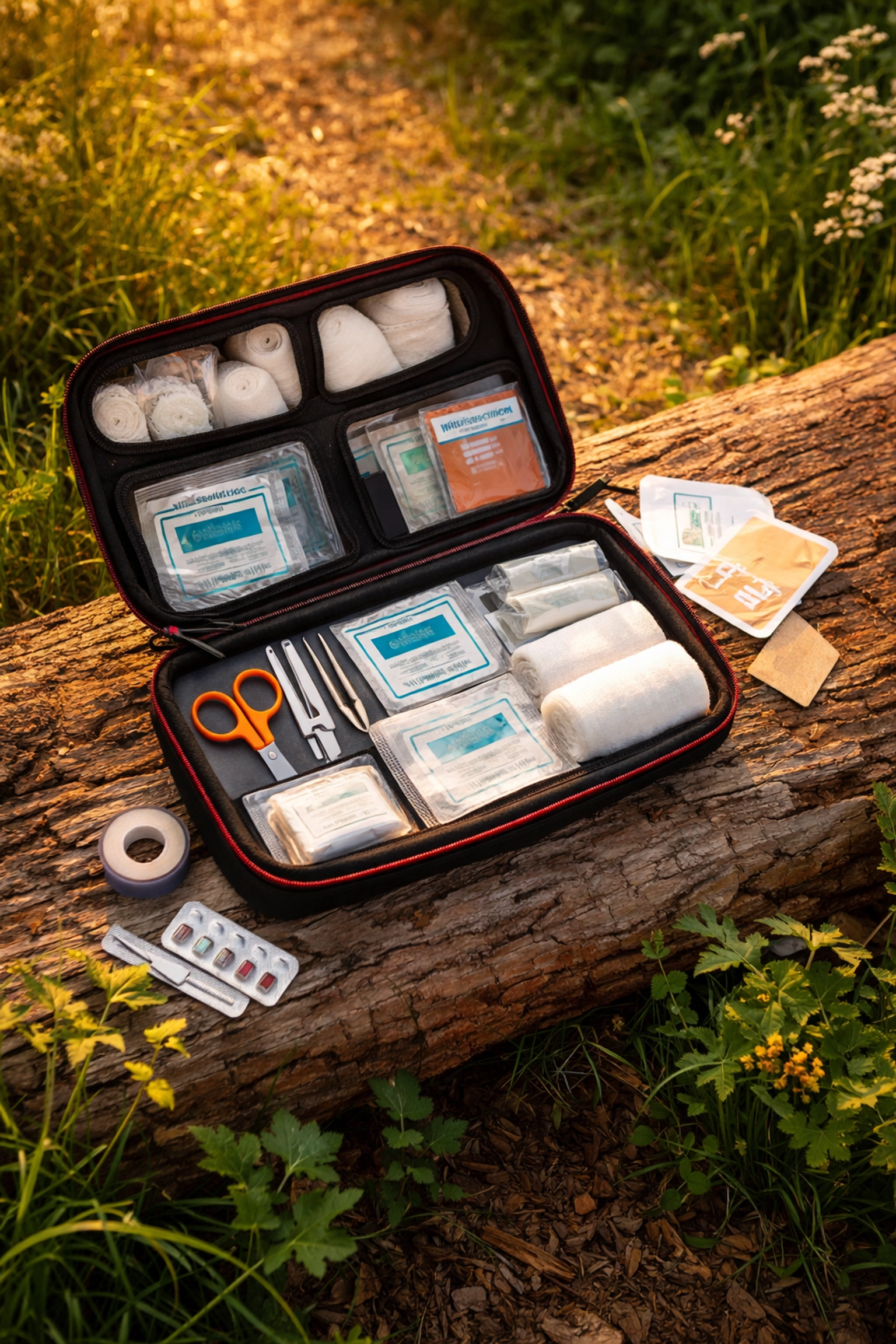
5. First Aid
Injuries happen. Blisters. Cuts. Sprains. Burns.
Learn basic first aid. Carry a well-equipped kit.
Include bandages, antiseptic, painkillers, and blister plasters. Know how to treat common injuries before they become serious problems.
A small cut can ruin your trip. Or worse. Be prepared.
6. Packing Essential Survival Gear
Pack light. But pack smart.
Your survival kit needs:
- Compass and map
- Sleeping bag
- Water filter
- Knife
- Fire starter
- First aid kit
- Purification tablets
Every item should serve a purpose. If it doesn't, leave it behind.
7. Understanding Your Environment
Know before you go.
Research wildlife habitats. Identify steep terrain. Check weather forecasts.
Recognise potential hazards. Understand seasonal changes. Know what plants are dangerous.
The UK wilderness has its own challenges. Respect them. Learn them.
8. Knife Skills and Tool Maintenance
A knife is your most versatile tool. It cuts rope. Creates fire starters. Builds shelters. Prepares food.
Invest in a quality knife. Learn to use it safely. Keep it sharp and maintained.
A dull knife is a dangerous knife. Take care of your tools.
9. Foraging for Wild Edibles
Carry enough food. Always. But know how to supplement.
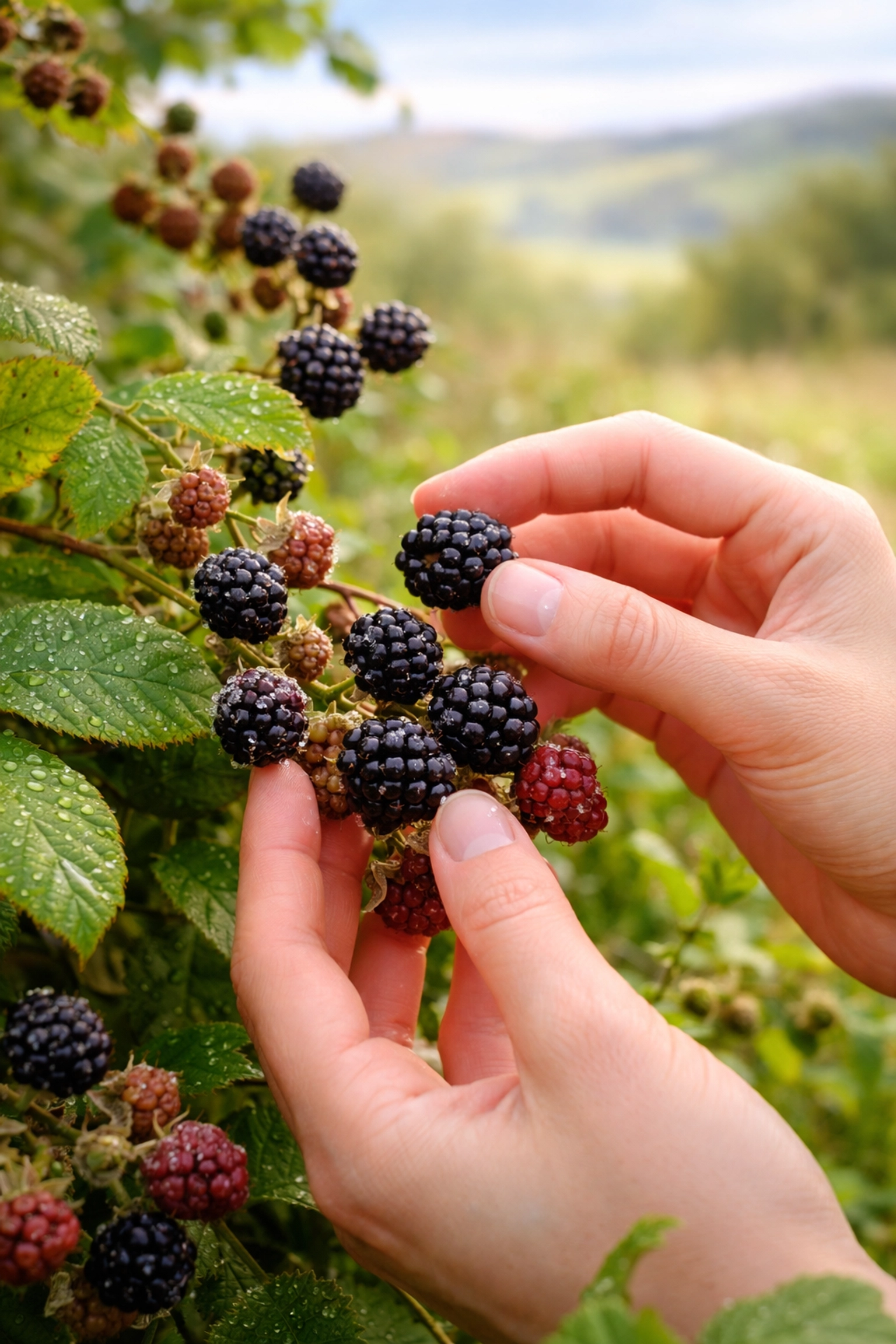
Learn to identify edible plants. Berries. Mushrooms. Greens.
More importantly, learn what's toxic. One wrong choice can make you seriously ill.
Start with common UK edibles. Nettles. Blackberries. Wild garlic. Build your knowledge slowly.
10. Animal Awareness and Safety
The UK doesn't have bears. But wildlife encounters still happen.
Learn to store food properly. Recognise animal tracks. Understand behaviour.
Make noise while hiking. Avoid surprising animals.
Respect wildlife. Keep your distance. You're in their home.
11. Signaling and Rescue Techniques
Always carry a whistle. Three short blasts mean distress. It's universal.
Pack a mirror for signaling. Bring flagging tape to mark your path.
If you're stranded, build three fires in a triangle. Or create a smoky fire during daylight.
Make yourself visible. Help rescuers find you.
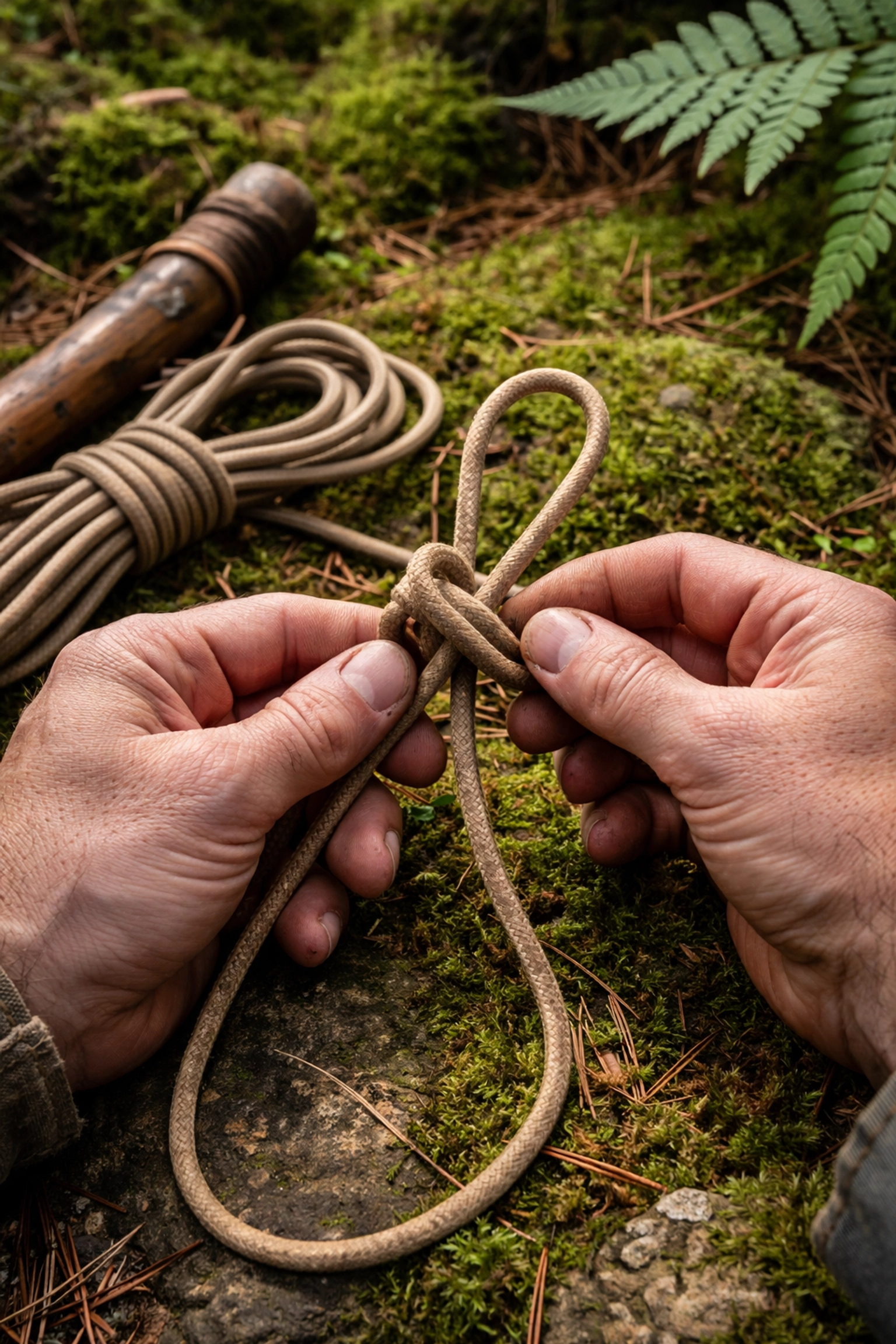
12. Cordage Knowledge and Use
Rope and paracord solve problems. Lots of them.
Use cordage to:
- Hoist food away from animals
- Build emergency shelters
- Create splints for injuries
- Lash poles together
A paracord bracelet gives you backup. The inner strands work for traps and fishing line.
Learn your knots. Bowline. Clove hitch. Taut-line. Practice until they're automatic.
13. Proper Clothing and Footwear
Cotton kills. It stays wet. It steals your body heat.
Wear synthetic materials. Layer properly. Base layer. Insulation. Waterproof shell.
Pack extra socks. Always. Wet feet mean blisters. Blisters mean you can't move.
Your clothing is survival gear. Treat it that way.
14. Mental Readiness and Preparation
Survival is mental. Panic kills.
Before you leave, tell someone your plan. Where you're going. When you'll return.
Understand the hierarchy of survival needs. Shelter. Water. Fire. Food. In that order.
Stay calm in emergencies. Assess. Plan. Act.
Your mind is your greatest tool. Keep it sharp.
15. Sun Navigation and Alternative Methods
The sun rises in the east. Sets in the west. Use it.
Learn to track the sun's movement across the sky. Understand how it changes with seasons.
An analog watch can show you direction. Stars work at night. Learn the basics.
When technology fails, nature provides. Know how to read it.
Practice Before You Go
Don't learn these skills in an emergency. Practice them now.
Start in your garden. Move to local parks. Build confidence gradually.
Consider joining a wild camping guided UK experience first. Learn from experts. Ask questions. Make mistakes safely.
At Open Sky Adventure, we believe everyone deserves to experience the wild. But we also believe in being prepared.
Your Next Step
Pick three skills from this list. Master them this month.
Then pick three more.
Before you know it, you'll be ready for any camping adventure UK has to offer.
The wild is waiting. Get out there. Stay safe. And enjoy every moment.
See you on the trail.