
Hello there. You want to sleep under the stars. You want the "wild" in wild camping. You do not want the misery. We understand. A camping adventure uk can be tough. The ground is hard. The rain is real. The wind is loud. You need to be smart. Use these 15 survival hacks. Turn your next wild camping guided uk trip into a luxury escape.
1. Light Your Lines
Tripping over guy ropes is a classic mistake. It happens at 2 AM. It ruins your mood. It can rip your tent. Use glow-in-the-dark string. Buy fluorescent tape. Wrap it around the ropes. Or use solar fairy lights. They look good. They keep you upright. Your tent becomes a beacon. You will find it in the dark.
2. Build a Foam Floor
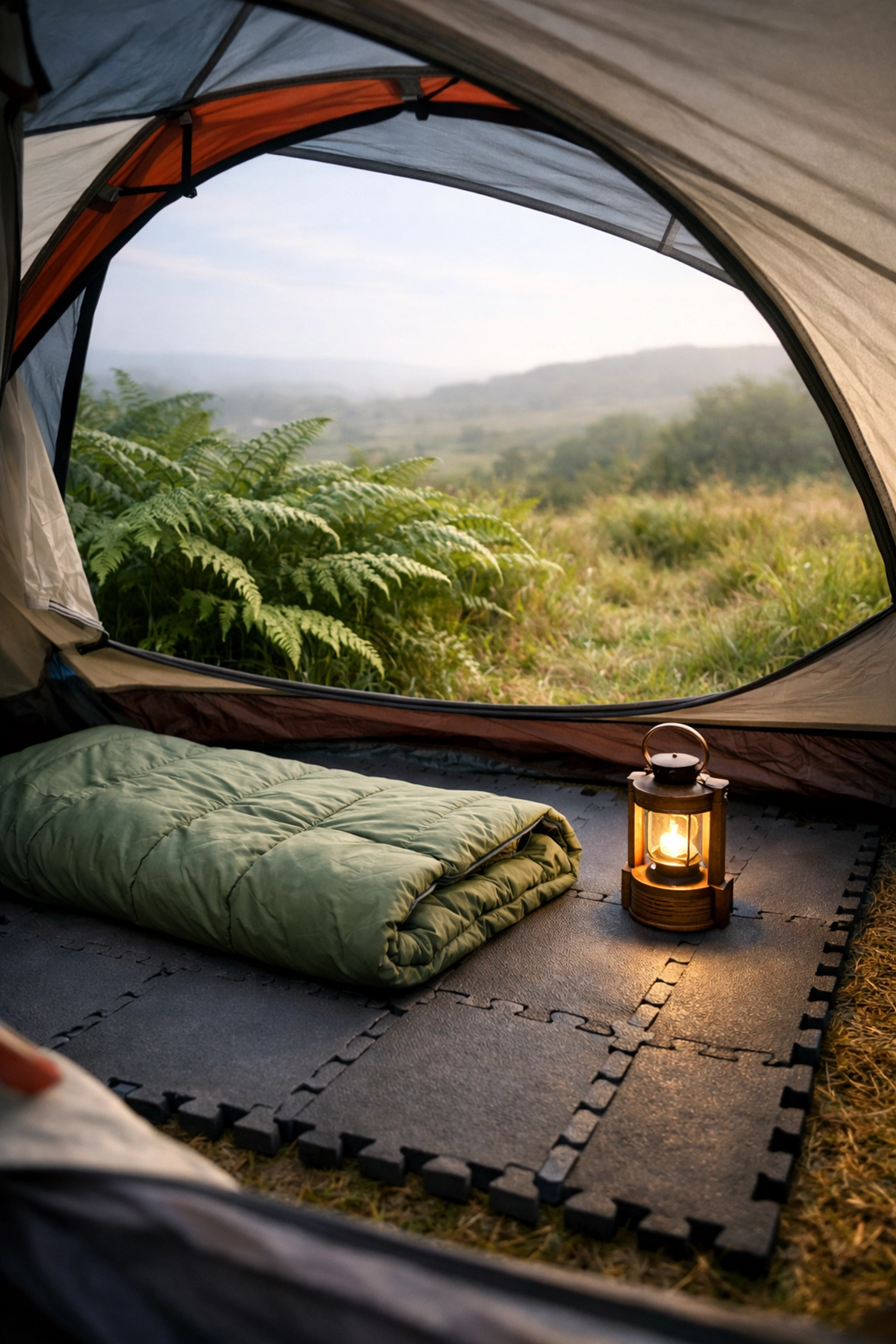
The ground is a heat thief. It pulls warmth from your body. Modern mats are okay. Foam floor tiles are better. Buy the interlocking ones. Place them inside your tent. They create an even surface. They block the cold. Your tent stays dry. Your back stays happy. This is a game-changer for comfort.
3. Pitch for the Slope
Flat ground is rare in the UK. You will likely pitch on a tilt. Position your tent doorway parallel to the slope. Sleep with your head uphill. This keeps blood from rushing to your head. It stops you from sliding into the door. Face the door away from the wind. Find high ground. Avoid the puddles. This is basic outdoor survival.
4. Angle Your Pegs
Standard pegs fail in soft soil. The wind pulls them out. Push pegs in at a 45-degree angle. Point them away from the tent. This creates tension. Use two pegs if the ground is loose. Place heavy rocks on top. Use Y-shaped pegs for better grip. A stable tent is a quiet tent.
5. Create a Mud Room
Dirt belongs outside. Keep your sleeping area clean. Place a small doormat at the entrance. Leave your boots there. Keep a pair of slippers inside the tent. Change as you enter. This stops mud from spreading. It keeps your sleeping bag grit-free. A clean tent feels like a hotel room.
6. The Grab-and-Go Zone
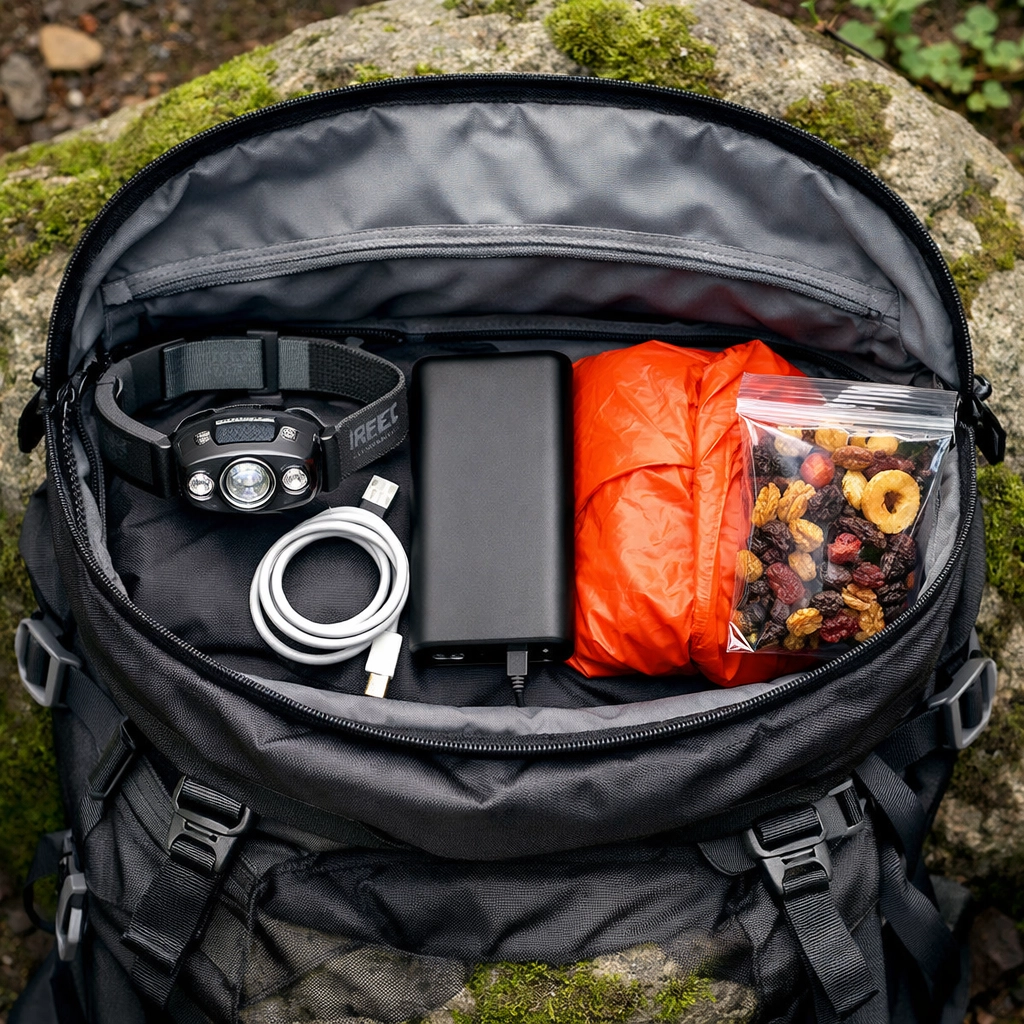
Searching for a torch in the dark is stressful. Don't dump your gear. Organize it. Keep essentials at the top of your pack. Include your headlamp, power bank, and snacks. Use a gear loft inside the tent. Hang your keys and phone. Know where everything is. Efficiency is luxury. Check out more survival skills to master for better organization.
7. Float Your Keys
Water is everywhere in the UK. You will cross streams. You will sit by lakes. Keys fall out of pockets. Attach a wine cork to your keyring. It acts as a buoy. If your keys hit the water, they float. You can fish them out easily. This prevents a very long walk home.
8. The Emergency Dry Kit
The UK weather is unpredictable. You will get wet. It is a fact. Pack one complete outfit in a waterproof dry bag. Include socks, underwear, and a base layer. Do not touch this kit during the day. Keep it for sleeping or emergencies. Putting on dry clothes in a storm is a 5-star feeling.
9. Layer Before the Chill
Don't wait to shiver. Shivering means you lost the battle. Your body uses energy to warm up. Add layers 20 minutes before sunset. Put on your hat before your head gets cold. Manage your temperature actively. It is easier to stay warm than to get warm. This is a core part of any wild camping guided uk experience.

10. Read Animal Tracks
Finding water is a skill. Look at the ground. Animal tracks often lead to water sources. Follow the paths. Look for natural depressions in the landscape. These areas collect rain. Be wary of stagnant water. Always look for movement. If you find a dry stream bed, look for "gypsy wells." Dig a small hole. Wait for water to seep in.
11. The Moss Sponge Filter
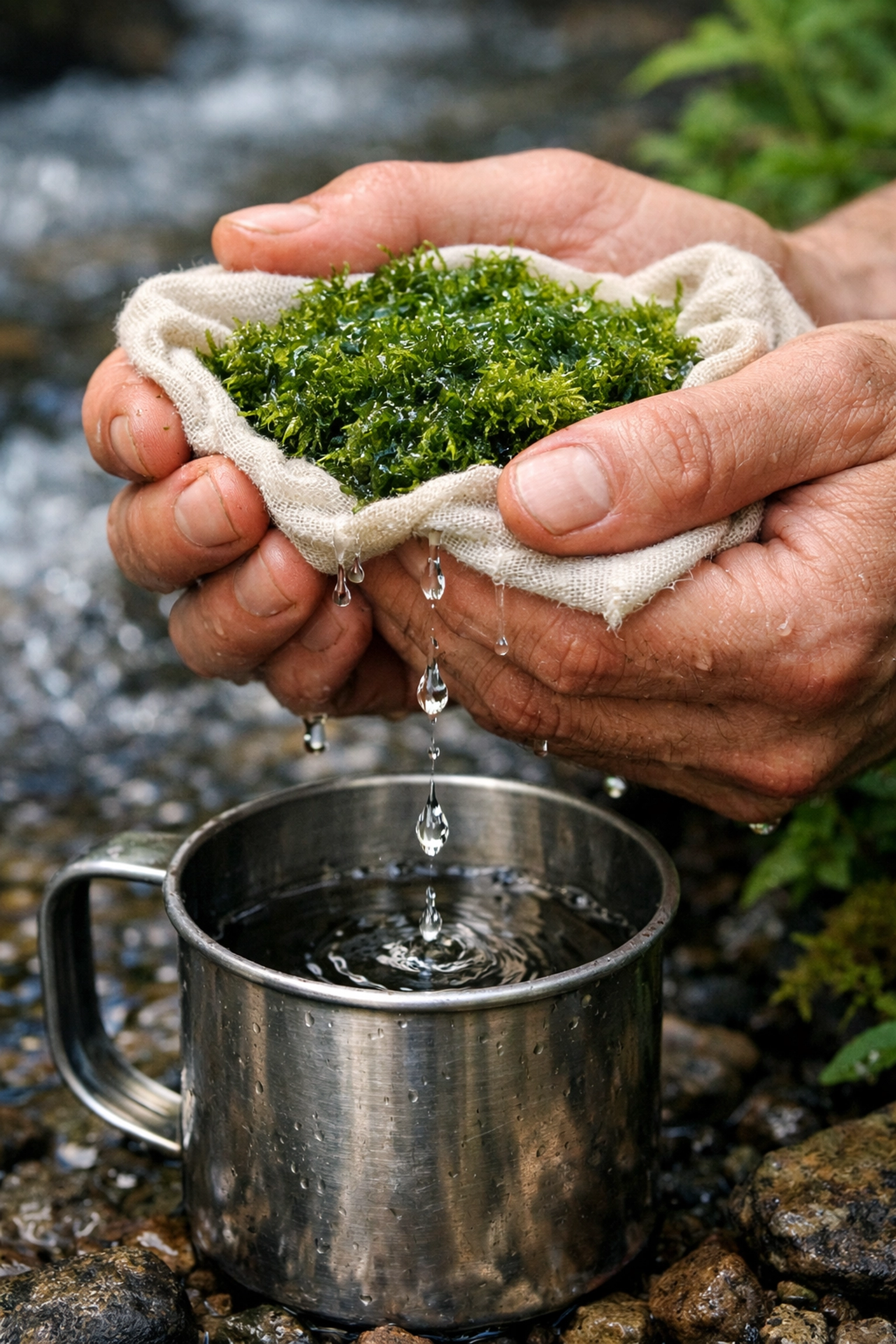
Natural water needs cleaning. Don't just drink from the stream. Use a moss sponge first. Place clean moss inside a cloth. Pour water through it. The moss traps large particles and sediment. It acts as a pre-filter. Always boil the water afterward. Or use a chemical treatment. Clean water is essential for your camping adventure uk.
12. Clean with Moss
Carrying heavy dish soap is a chore. It is also bad for the environment. Use wet moss instead. It is abrasive enough to scrub pots. It is natural. It is everywhere in the British countryside. Use it to remove food residue. Rinse with hot water. Your kit stays clean without the chemicals.
13. The Fox-Proof Larder
Wildlife will smell your food. Foxes and badgers are clever. Do not keep food in your tent. It invites unwanted guests. Use a washing line. Tie it between two trees. Hang your food bag in the middle. Ensure it is far from the trunks. Animals cannot jump to it. For scraps, dig a cat hole. Bury waste 15cm deep. Keep it far from water.
14. Road Safety Hi-Vis
Wild camping involves walking. Sometimes you must use roads. UK country lanes are narrow. Drivers often go fast. Wear high-visibility gear. Attach a reflective strip to your pack. Carry a small light. Be seen by vehicles. Safety is the foundation of any good trip. Don't take risks with traffic.
15. The Professional Exit
Leave the wild as you found it. This is the "Leave No Trace" principle. Use small equipment. Minimize your footprint. If you make a fire, use only deadwood. Check local rules first. Fully extinguish flames before you sleep. Pack out all trash. Leave no evidence of your stay. This preserves the wilderness for the next Open Sky Adventure group.
Prepare for the Wild
You have the hacks. You know the tricks. Now you need the experience. These small steps make a big difference. They move you from surviving to thriving. Comfort is a choice. Preparation is the key.
Go to openskyadventure.co.uk and book your next guided tour. Apply these hacks on the trail. See the difference for yourself. Pack your bag. Check your gear. Head out into the wild.