
Hello. Glad you are here. You are planning a trip. You want to sleep under the stars. You want to explore the British wilderness. This is exciting. But you have a problem. You need water. You cannot carry it all. It is too heavy. You must find it. You must make it safe. This guide shows you how.
The Reality Of Wild Water
UK water looks clean. It looks clear. It looks cold. This is a trap. Do not drink it raw. All wild water in the UK is contaminated. Animal waste is everywhere. Sheep live on the high fells. Deer roam the glens. They leave bacteria behind. Runoff carries chemicals. Pesticides hide in lowland streams. You must treat every drop.
Your health depends on this. A stomach bug ruins a trip. It can be dangerous. It causes dehydration. It makes hiking impossible. You are here to learn. Follow these steps. Stay hydrated. Stay safe.
Finding The Best Source
Selection is your first line of defense. Better sources need less work.
Seek High Ground
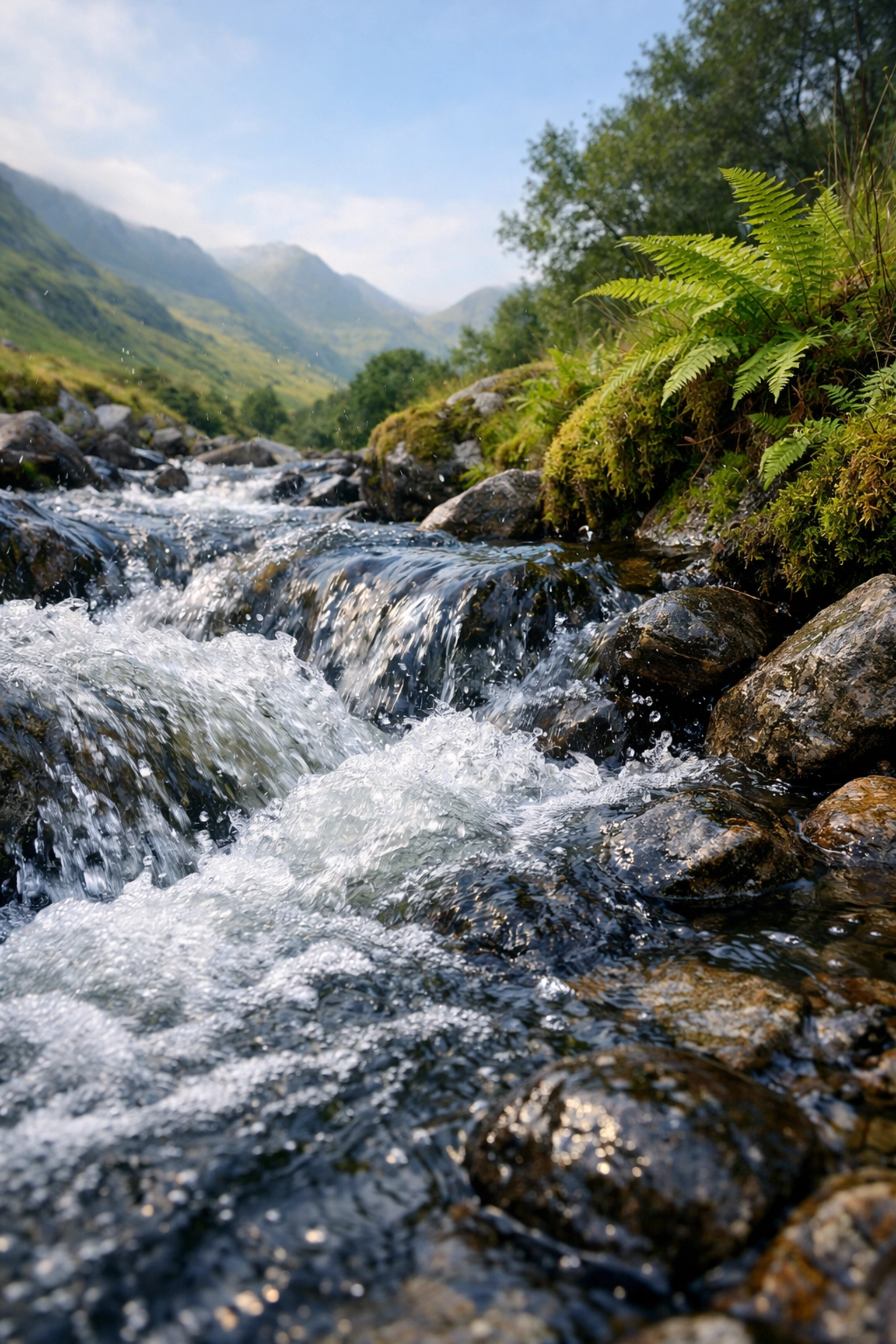
Go high. Find the source. Look for springs coming from rocks. Water filtered through mountain stone is best. There are fewer animals at peak height. There are no farms above you.
Look For Flow
Moving water is better. Find fast-flowing streams. Look for white water. Movement adds oxygen. It prevents the buildup of nasty bugs. Avoid bubbles or foam. These indicate pollution.
Avoid Stagnation
Never drink from puddles. Avoid small ponds. Lakes are risky. Pathogens settle in still water. They multiply in the sun. If you must use a lake, go deep. Avoid the edges. Collect water where waves hit the shore. The movement helps a little.
Check The Surroundings
Look around you. Is there a dead sheep upstream? Check carefully. Is there a campsite nearby? People leave waste. Is there a farm? Avoid water near industrial areas. Heavy metals are common there. You cannot filter those out easily.
Understanding The Enemy
You cannot see the danger. It is microscopic.
Bacteria
E. coli is common. It comes from animal faeces. It causes cramps. It causes fever. It is easy to kill with heat.
Protozoa
Giardia is the main threat. Cryptosporidium is another. These are tough. They have hard shells. Some chemicals do not kill them. They cause long-term illness. You need a fine filter for these.
Chemicals and Metals
Lowland rivers carry these. Fertilizer is a big issue. Filters do not remove these. Boiling does not remove these. Only high-end purifiers work. Stick to the mountains to avoid this.
Collection Strategies
How you collect water matters.
The Upstream Rule
Always walk upstream. Get away from your camp. Get away from the path. This ensures you aren't drinking your own runoff.
Use A Pre-Filter
Is the water murky? Use a cloth. A buff works well. Pour the water through the cloth into your bottle. This removes dirt. It removes sand. It saves your expensive filter from clogging.
Rainwater Is Gold
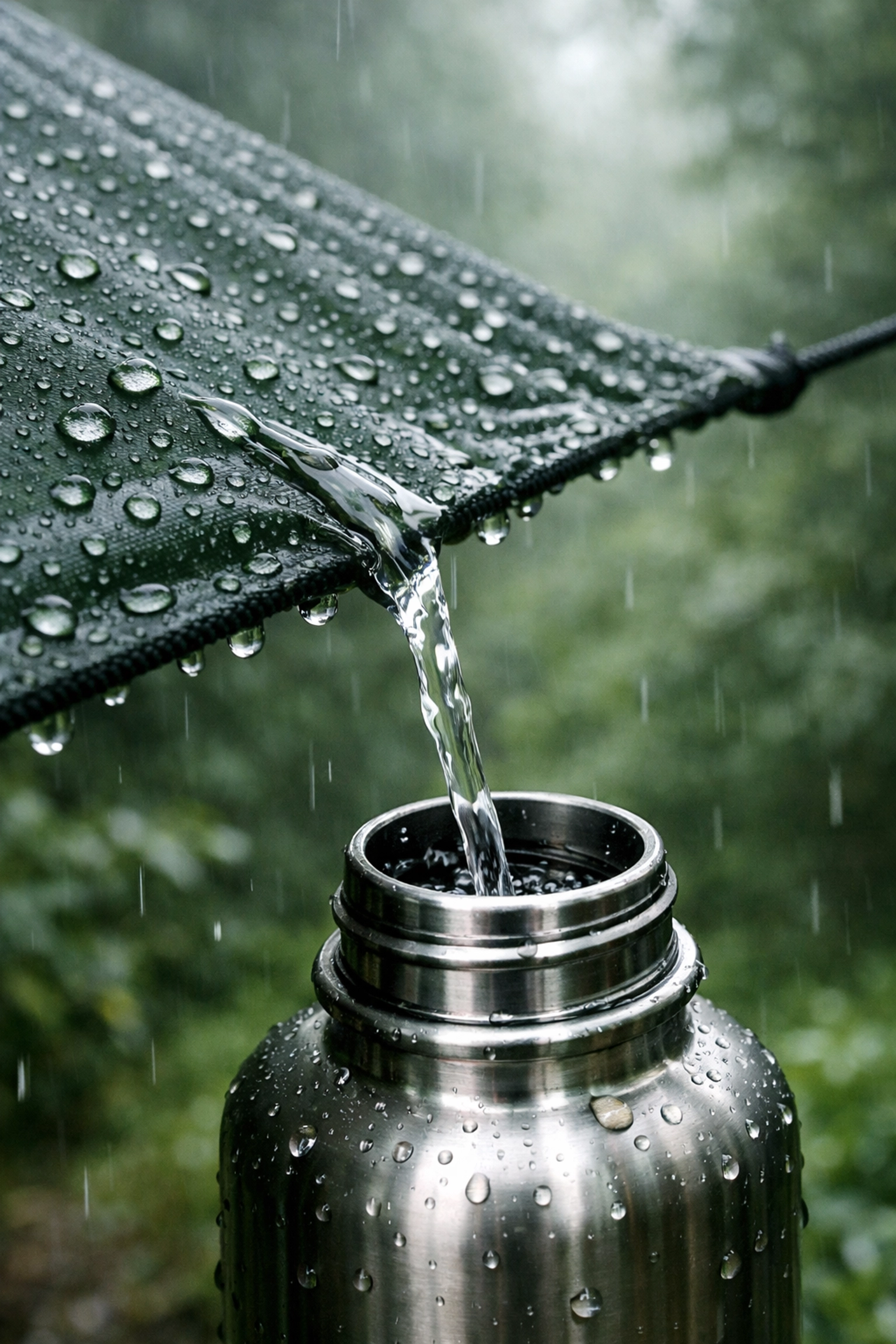
Rain is clean. Collect it directly. Use your tarp. Channel it into a bottle. If it hasn't touched the ground, it is safe. It is the best way to get water in the UK.
Purification Methods
You have the water. Now make it safe. You have three main choices.
1. Boiling
This is the gold standard. It kills everything.
- Use a camp stove.
- Bring water to a rolling boil.
- Keep it boiling for one minute.
- At high altitudes, boil for three minutes.
- Let it cool before drinking.
Boiling is slow. It uses fuel. Use it at camp for cooking. It is one of the 10 essential outdoor survival skills for your next camping adventure UK.
2. Mechanical Filtration
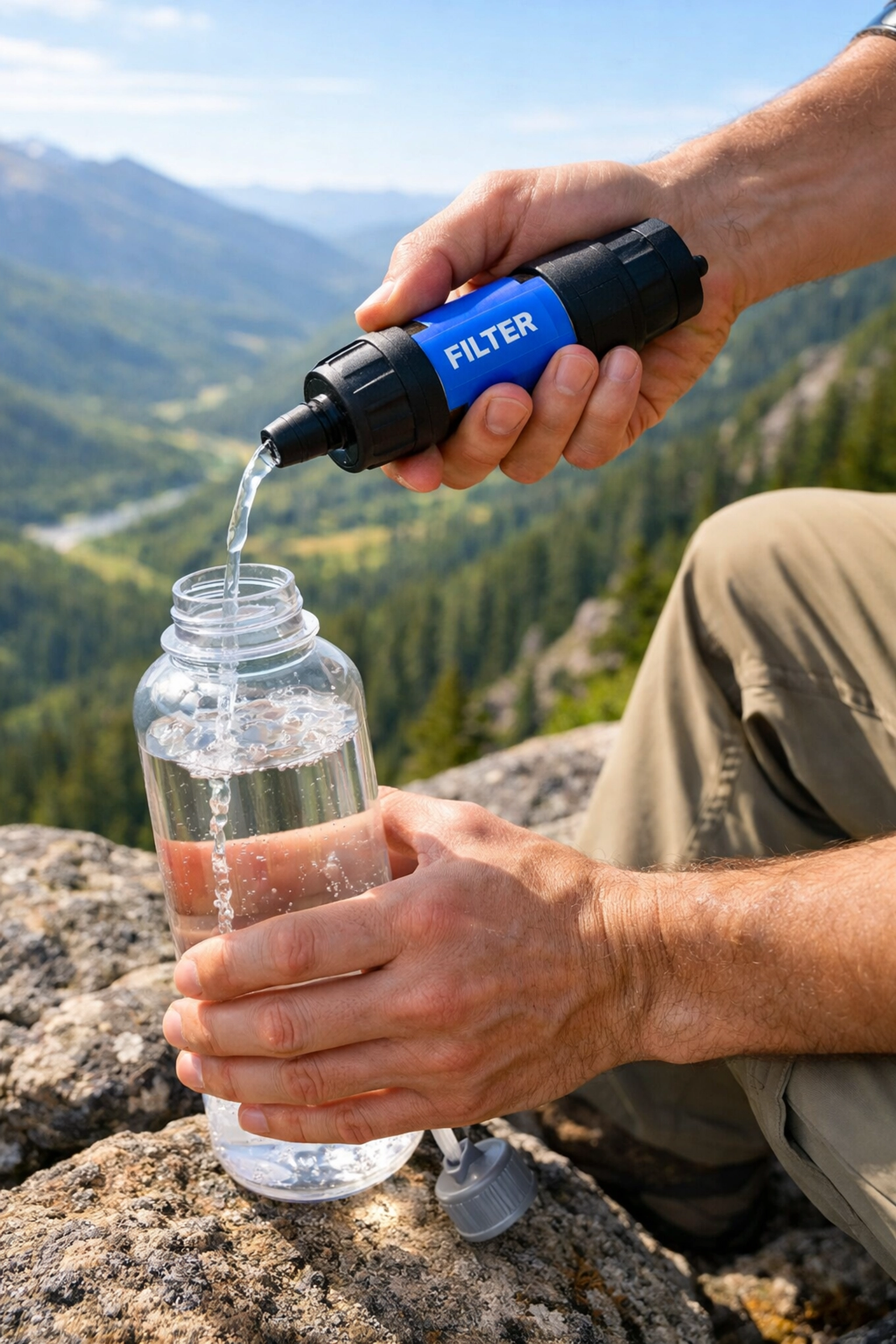
This is the fastest way. Use a squeeze filter. Use a straw filter.
- Look for a 0.2-micron pore size.
- This stops bacteria.
- This stops protozoa.
- Fill your bag.
- Squeeze it through the filter into your bottle.
Filters are light. They are easy. They do not change the taste. This is perfect for a wild camping guided UK trip.
3. Chemical Treatment
Use tablets. Use liquid drops.
- Chlorine dioxide is the best choice.
- It kills viruses.
- It kills bacteria.
- It kills most protozoa.
- Drop the tablet in.
- Wait 30 minutes.
- Wait longer if the water is very cold.
Chemicals leave a taste. Some people dislike it. Use these as a backup. Always carry them in your first aid kit.
Managing Your Supply
How much do you need?
The Math
A person at rest needs 2 liters. A person hiking needs more. On a camping adventure UK, plan for 4 to 6 liters a day. This includes drinking. It includes cooking. It includes washing.
The Two-Method Rule
Never rely on one tool. Filters break. Stoves run out of gas.
- Carry a filter.
- Carry tablets.
- This keeps you safe.
Night Preparation
Filter your water in the evening. Fill your bottles for the morning. It saves time. You can start hiking immediately. Do not let your filter freeze. Keep it in your sleeping bag at night. Ice crystals break the internal fibers. A frozen filter is a broken filter.
Identifying Problems Early
Watch your body. Dehydration is subtle.
- Check your urine.
- It should be clear or light yellow.
- Dark yellow means drink more.
- Headaches mean you are late.
- Fatigue is a sign.
Stop and drink. Do not wait for thirst. Thirst is the final warning.
Why Go Guided?
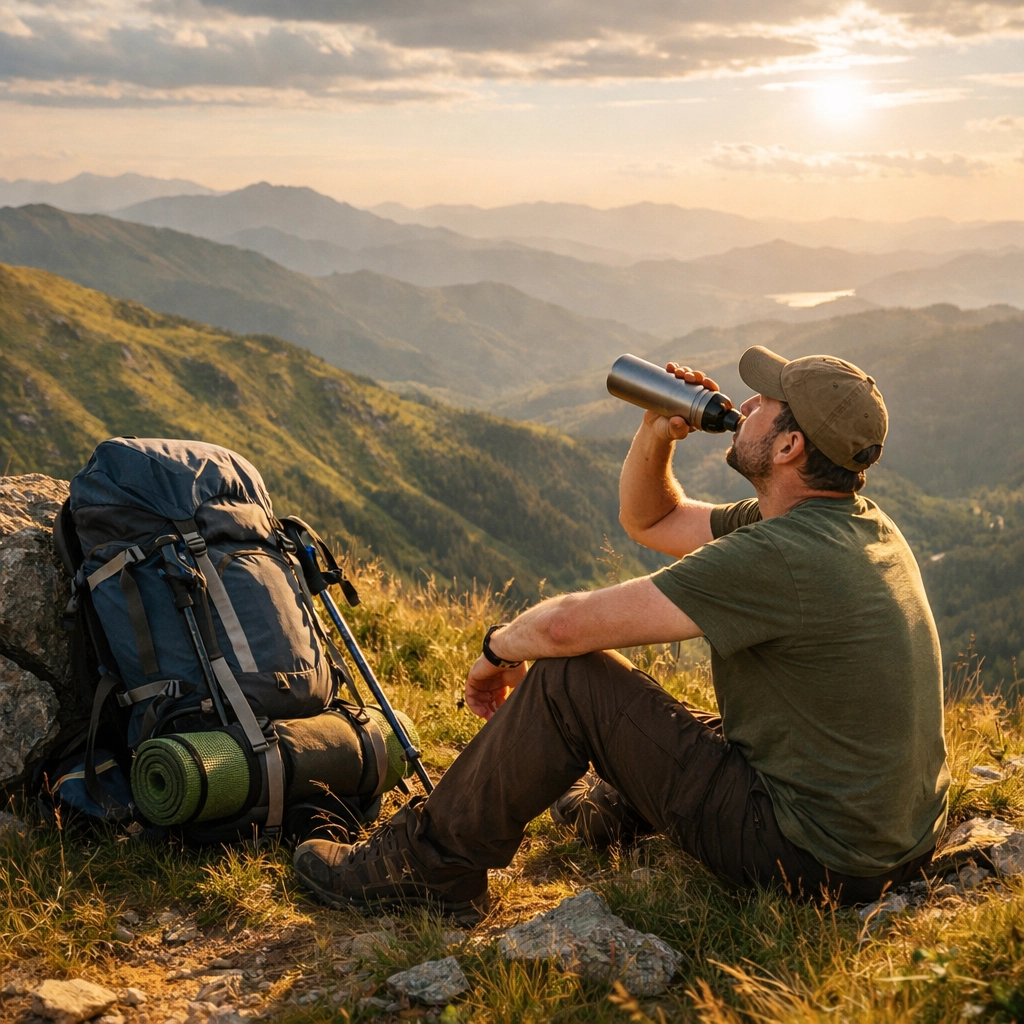
Sourcing water is a skill. It takes practice. It takes local knowledge. This is why many choose a wild camping guided UK experience.
Guides know the springs. They know which streams are seasonal. They know the hidden spots. They teach you how to use the gear. They keep you safe while you learn. You can focus on the view. We handle the logistics.
Mastering these outdoor survival skills is easier with a professional. We show you the best equipment. We explain the "why" behind every action.
Final Gear Checklist
Before you leave, check your bag.
- Water bottle (1 liter minimum).
- Flexible water bladder (2 liters for camp).
- Main filter (Sawyer Squeeze or similar).
- Backup tablets (Chlorine Dioxide).
- Small stove and fuel.
- Clean cloth for pre-filtering.
Next Steps
You have the knowledge. Now you need the experience. Go to your local park. Practice with your filter. Taste the water. Get comfortable with the process.
Ready for the real thing? Check our upcoming trips. Book your spot. Join us in the mountains. We will find the water together.
Go pack your bag and start your journey today.