
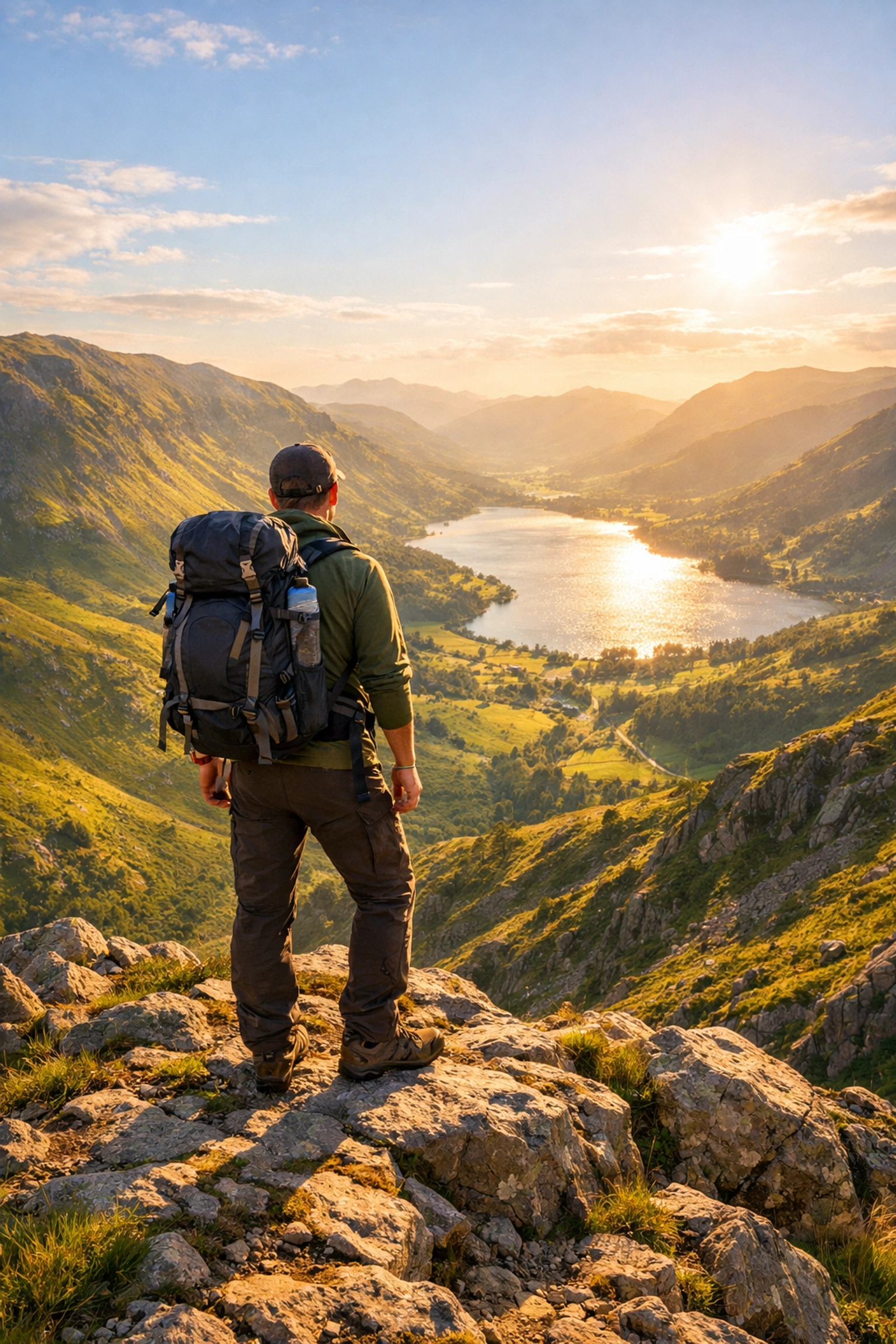
Welcome to the wild. You are out in the British hills. The air is fresh. Your pack is heavy. You are thirsty. Water is your most vital resource. You cannot carry it all. A litre weighs a kilogram. On a long camping adventure UK, that weight adds up fast. You need to find water on the trail. You need to make it safe.
This guide shows you how. We cover finding sources and killing bugs. We keep you hydrated and healthy. Let’s get started.
Finding Your Water Source
Do not wait until your bottle is empty. Look for water early. Use your map. Look for blue lines. Look for contour lines that suggest a valley. Water flows down.
Look for Movement
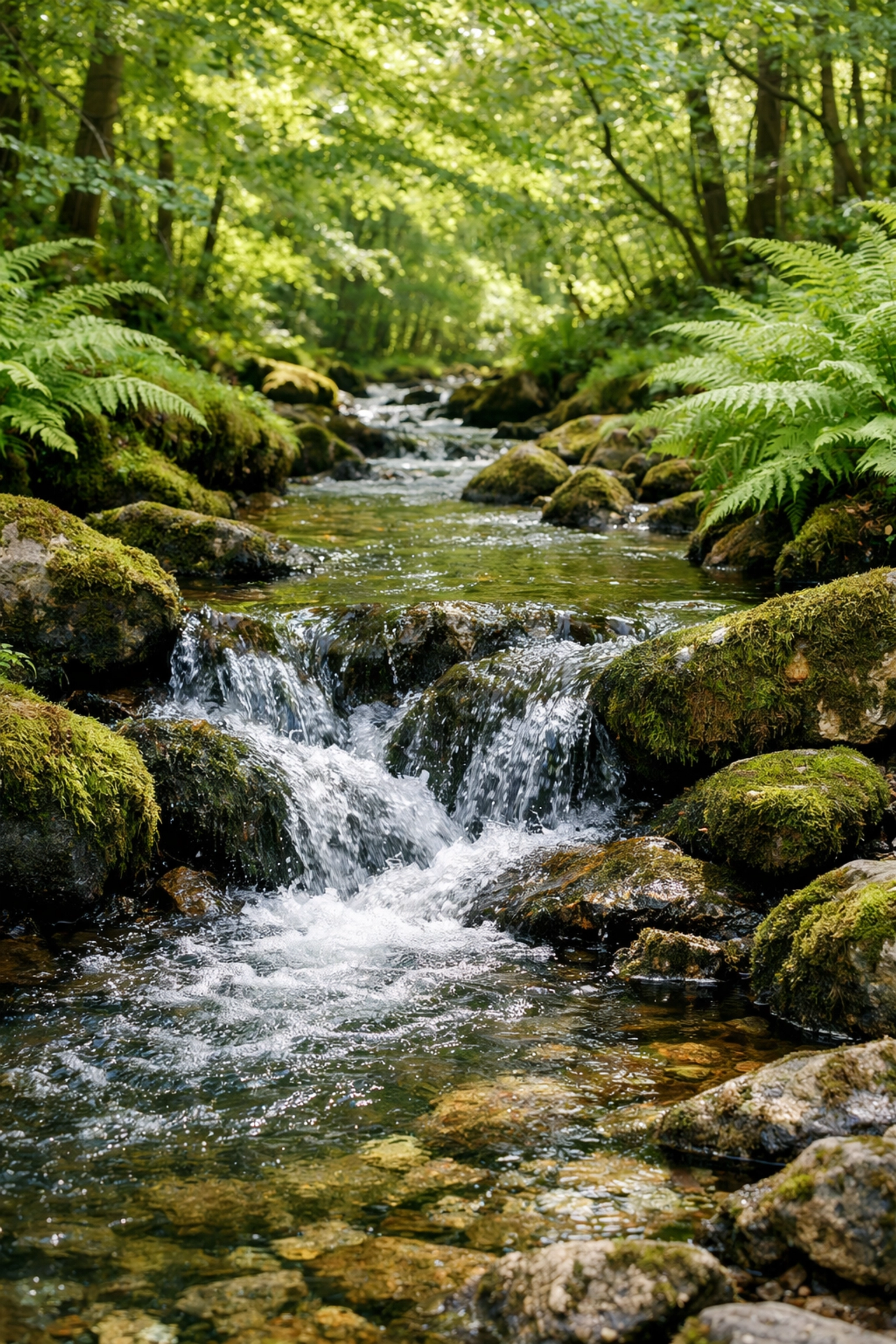
Seek out running water. Small streams are best. High-altitude springs are even better. Fast-flowing water is usually cleaner than stagnant pools. Stagnant water grows algae. It collects bacteria. It attracts insects. Avoid it if you can.
Check the Surroundings
Look up hills. Look at the land around the water. Avoid water near livestock. Sheep and cows are everywhere in the UK. Their waste runs into the streams. This brings E. coli and parasites. If you see a farm, move upstream. Stay away from industrial sites. Avoid runoff from roads.
Tributaries are Keys
Main rivers carry everything from upstream. They are often silty. They carry more pollutants. Look for small side-streams. These are tributaries. They often run clearer. They have traveled less distance through contaminated land.
Use Your Eyes
Check the clarity. Clear water is easier to treat. It does not clog your equipment. If the water is brown or cloudy, it contains sediment. This sediment hides bacteria. It ruins filters. If you must use cloudy water, let it settle in a container first.
Rainwater Risks
Many campsites have rainwater tanks. Do not assume this is clean. Gutters collect bird droppings. Leaves rot in the pipes. Bacteria thrive in the dark tanks. Treat this water like you found it in a puddle.
If you want to master these skills with experts, check out our wild camping guided uk trips. We teach you how to read the landscape like a pro.
Why Purification Matters
UK water looks clean. It often tastes great. It is also dangerous. You cannot see Giardia. You cannot see Cryptosporidium. You cannot see E. coli. These microorganisms live in our wild spaces. They cause stomach cramps. They cause fever. They cause dehydration. They will end your trip early.
Never skip the treatment. Every drop must be purified. Even if the stream is high in the mountains. Even if the water is crystal clear.
The Four Main Methods
You have four main choices for your camping adventure UK. Each has pros and cons. Choose the one that fits your style.
1. Boiling: The Gold Standard
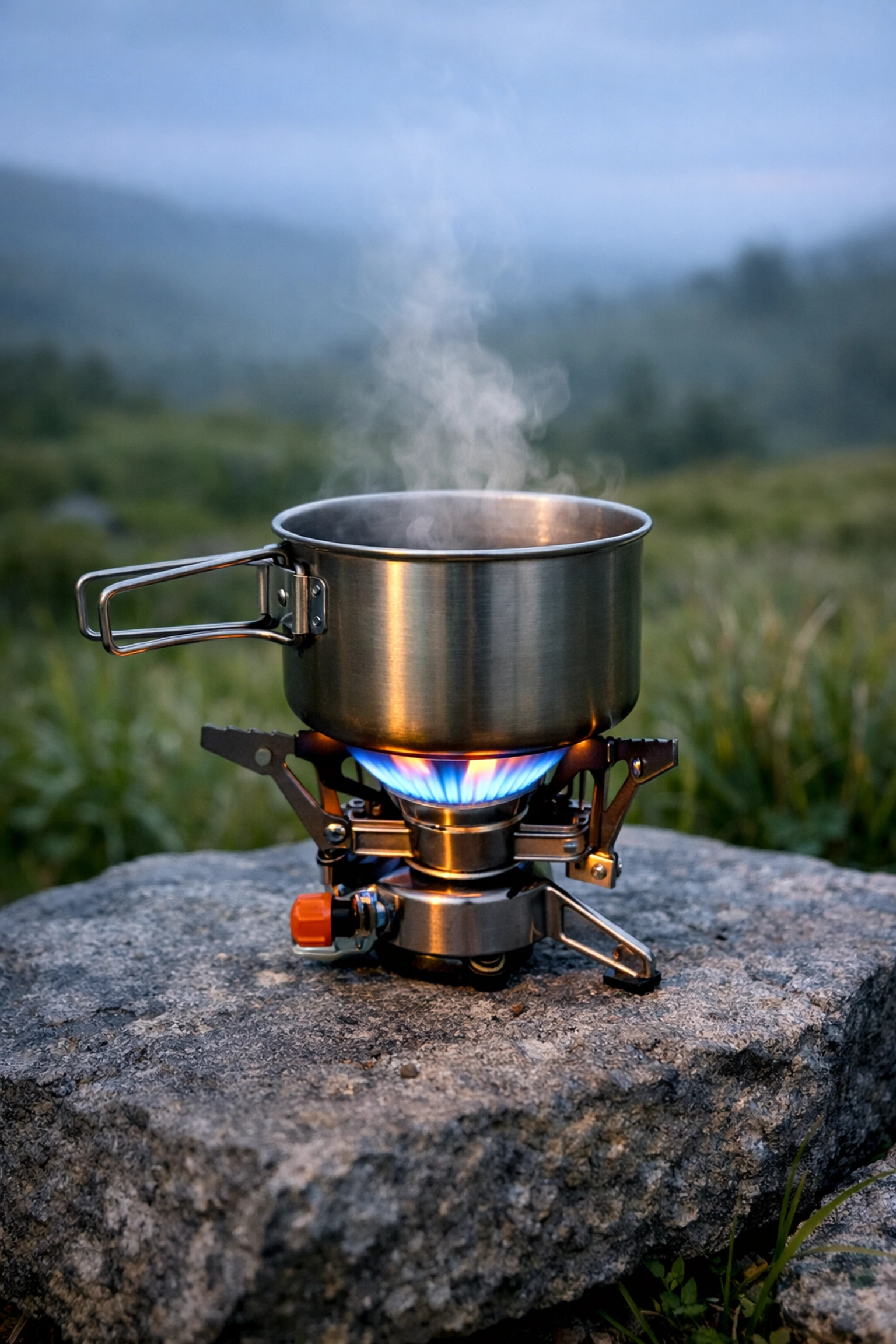
Boiling is the most reliable method. Heat kills everything. It kills bacteria. It kills viruses. It kills protozoa.
How to do it:
- Set up your camping stove.
- Find a level spot.
- Fill your pot.
- Ignite the burner.
- Wait for a rolling boil.
- Keep it boiling for 1 to 3 minutes.
- Let it cool before drinking.
Boiling takes time. It uses your fuel. It leaves the water tasting flat. Aerate the water by pouring it between two cups to fix the taste. Boiling is perfect for your morning coffee or evening meal. It is less ideal for a quick drink on the move. Mastering fire and stoves is a core outdoor survival skill.
2. Filtration: The Hiker’s Choice
Filters are fast. They are the most popular choice for UK hikers. They remove sediment. They make the water look and taste better.
The Gear:
Look for hollow fiber filters. The Sawyer Squeeze and Katadyn BeFree are top choices. They have a 0.1-micron rating. This stops bacteria and protozoa.
How to do it:
- Scoop water into a soft bottle or "dirty" bag.
- Screw the filter onto the top.
- Squeeze the water through the filter into your clean bottle.
- Drink directly from the filter if it is a straw style.
Filters do not kill viruses. In the UK, viruses are rare in wild water. Most hikers rely on filters alone. Keep your filter from freezing. If the water inside freezes, the fibers break. The filter becomes useless. Carry it in your pocket on cold days.
3. Chemical Treatment: The Lightweight Backup
Chemicals are tiny. They weigh almost nothing. They are perfect as a primary method for minimalists or a backup for everyone else.
The Options:
Chlorine dioxide is the standard. It is more effective than iodine. It kills viruses, bacteria, and most protozoa. It comes in tablets or liquid drops.
How to do it:
- Fill your bottle.
- Drop in the tablet or the required drops.
- Wait. This is the hard part.
- Most tablets take 30 minutes.
- To kill Cryptosporidium, you may need to wait 4 hours.
- Shake the bottle to coat the threads of the cap.
Chemicals can leave a slight aftertaste. They work slower in cold water. They do not remove dirt or sand. If your water is murky, strain it through a cloth first.
4. UV Light: The Modern Tech
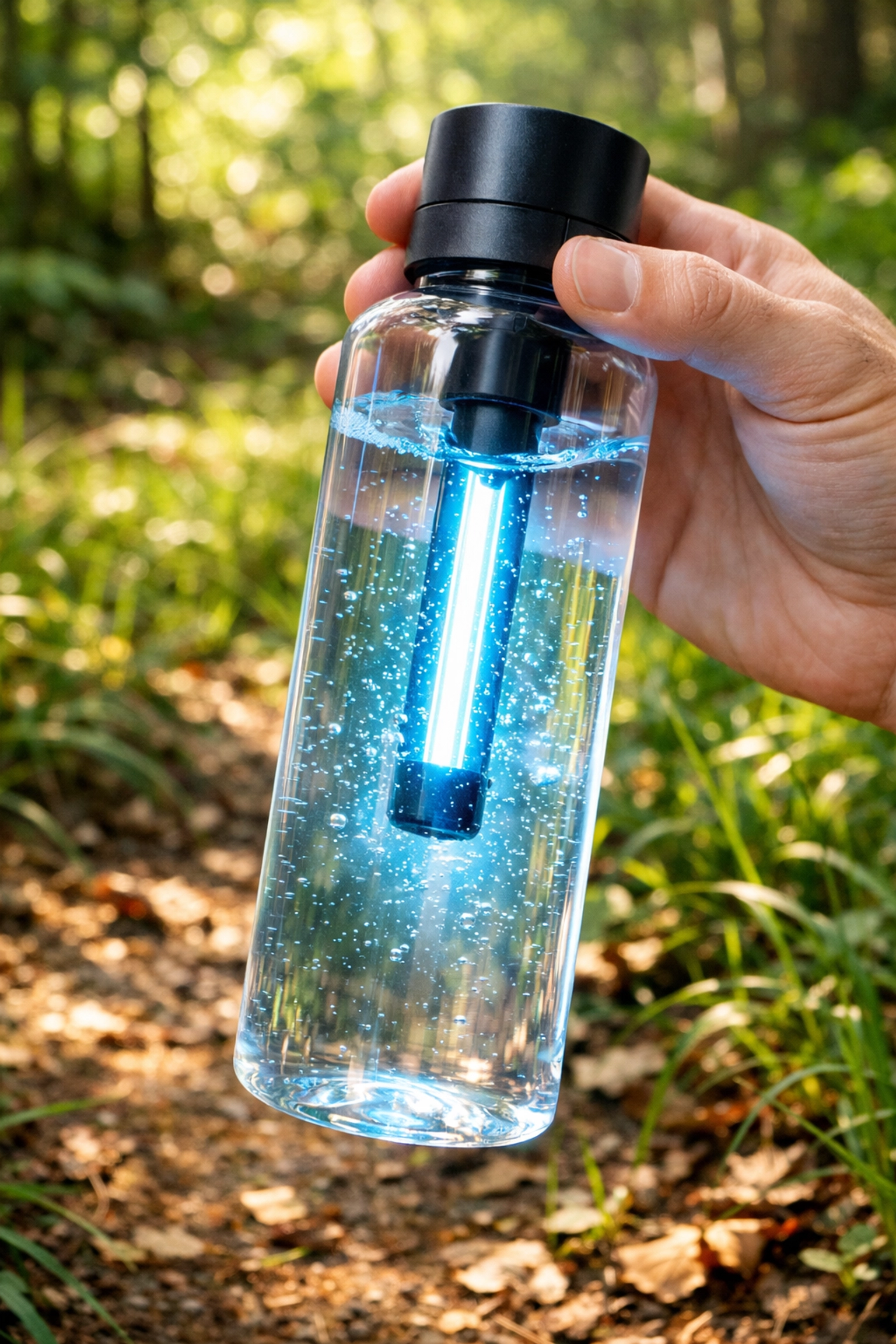
UV wands, like the Steripen, use ultraviolet light to scramble the DNA of microbes. This makes them harmless.
How to do it:
- Fill a wide-mouth bottle.
- Turn on the wand.
- Stir the water with the light for 60 to 90 seconds.
- Watch for the green light.
UV is fast. It kills everything. It does not change the taste. However, it requires batteries. It only works in clear water. If the water is cloudy, the light cannot reach the bugs. It is a high-tech solution for a modern camping adventure UK.
Managing Your Water Strategy
Do not rely on one system. Gear breaks. Filters clog. Stoves run out of gas. Carry a primary method and a backup.
A common strategy:
- Primary: A squeeze filter for quick hydration.
- Backup: A strip of chlorine dioxide tablets in your first aid kit.
- Evening: Boiling water for dehydrated meals.
Dealing with Sediment
If the only water available is muddy, do not put it in your filter. You will clog it instantly.
- Use a bandana or coffee filter to strain the big bits.
- Let the water sit in a pot. The dirt will sink to the bottom.
- Scoop the clear water off the top.
- Now, filter or boil that clear water.
UK Specific Challenges
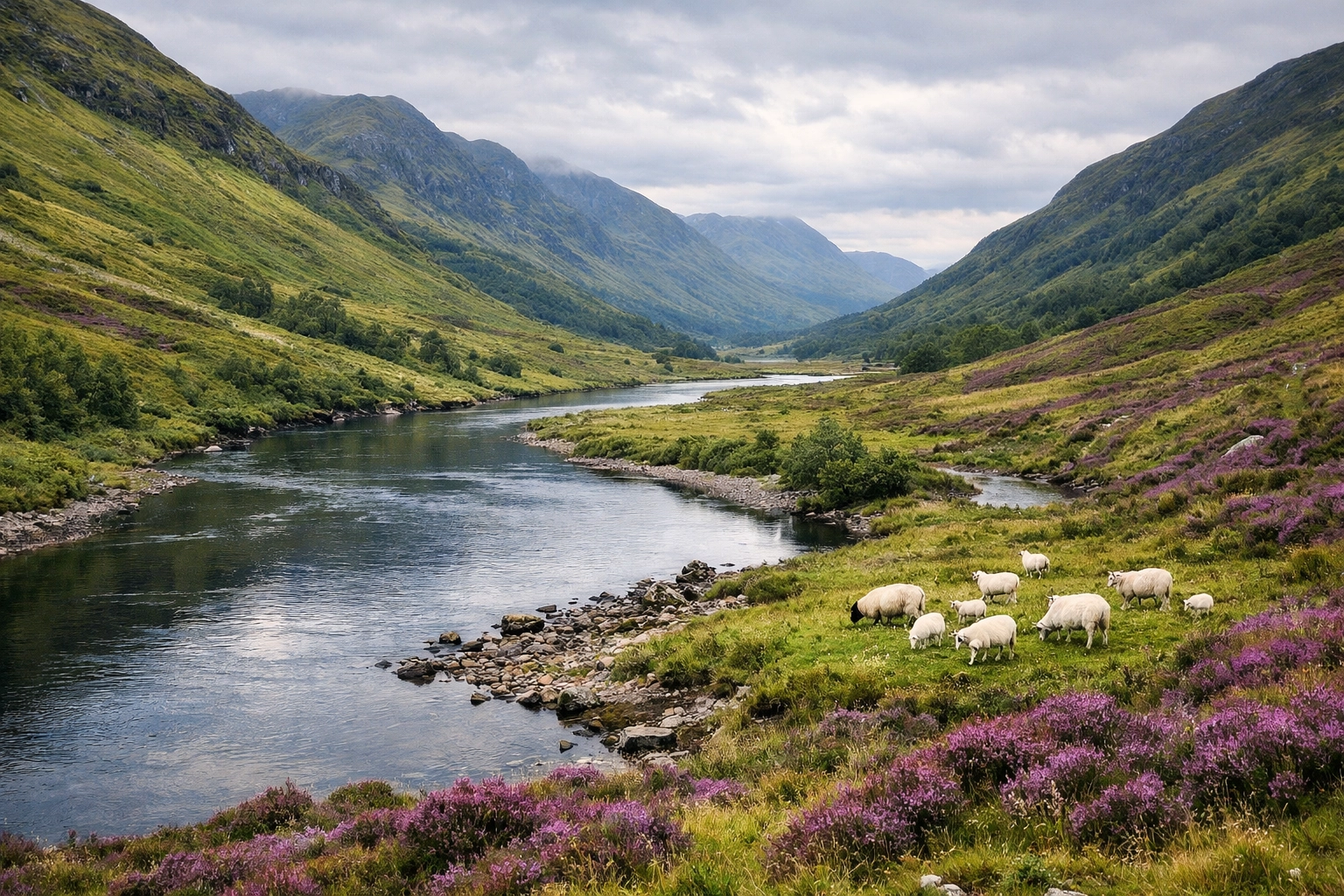
The UK is wet, but finding safe water can be tricky. National Parks like the Lake District or the Highlands have lots of sheep. High-density livestock means high-risk water. Always look at the map for farms above your position.
In coastal areas, watch out for salt. None of these portable methods remove salt. Drinking salt water will dehydrate you. Stick to inland streams.
If you are new to this, joining guided hiking tours UK is a great way to learn. You can watch how experienced guides select sources. You can try different pieces of gear before you buy your own.
Pro Tips for Water Management
- Drink at the source: When you find good water, drink your fill right there. This is called "camel-ing up." It saves you from carrying that weight in your pack.
- Keep "dirty" and "clean" separate: Mark your bottles. Never use your clean bottle to scoop water from a stream. One drop of raw water can contaminate the whole batch.
- Hydrate before bed: Drink a good amount of water before you sleep. It helps your body stay warm during a cold UK night.
- Check your gear: Test your filter at home before your trip. Ensure your tablets are not expired. Check your stove's fuel levels.
Water is life on the trail. Treat it with respect. Learn the skills. Pack the gear. Stay hydrated.
If you are ready to level up your outdoor knowledge, explore our guide on essential survival skills. We cover everything from navigation to fire starting.
Get Out There
You have the knowledge. You know where to look. You know how to clean it. Your next camping adventure UK is waiting. Don't let a heavy pack or a fear of bad water hold you back. Grab your filter, check your map, and head into the wild.
Go pack your bag and find your first mountain stream today.