
Hello, fellow adventurer. Welcome to your next level of outdoor confidence. You want to explore the wild. You want to feel safe while doing it. The UK wilderness is beautiful, but it is also unpredictable. Rain starts fast. Signal drops out. Temperatures fall. You need real skills to handle these moments.
These five tips will boost your survival ability today. No fluff. No complex jargon. Just the essentials for your next camping adventure UK.
1. Master Navigation Without Your Phone
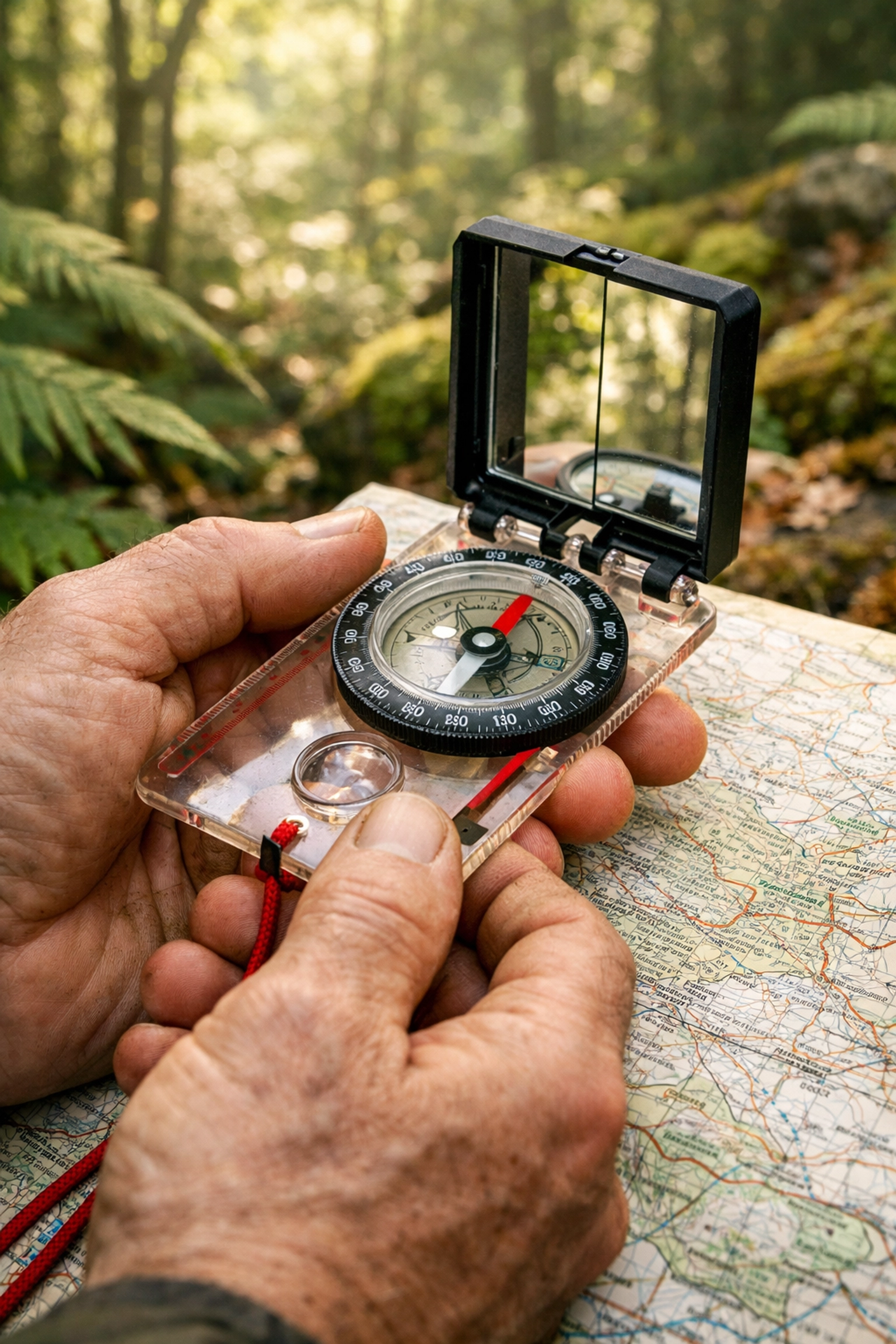
Do not rely on your phone. Batteries die in the cold. Signals vanish in valleys. Screens break when dropped on rocks. You must carry a physical map and a compass. This is the foundation of wild camping guided UK trips.
Buy an Ordnance Survey map of your area. Use a scale of 1:25,000 for detail. Get a high-quality baseplate compass. Learn to orient your map. Place the compass on the map. Turn the map until the "N" on the compass matches the grid lines. Now the map faces the same way as the ground.
Look at contour lines. Close lines mean steep hills. Wide lines mean flat ground. Practice identifying peaks and valleys on the paper before you walk. Use triangulation if you get lost. Find two visible landmarks. Draw lines from them on your map. Where the lines cross is where you are.
Always keep your map in a waterproof case. Rain ruins paper quickly. Check your position every thirty minutes. Do not wait until you are lost to look at the map. Stay aware of your surroundings at all times.
2. Build Better Shelters for UK Weather
The UK is damp. The ground is often wet. A good shelter keeps you dry and warm. You have options beyond just a tent. Knowing how to build a shelter is a key outdoor survival skill.
Start with a lean-to. Find a fallen log or a low branch. Lean sturdy sticks against it at a forty-five-degree angle. Cover these sticks with smaller branches. Add a thick layer of leaves or ferns. This blocks the wind and sheds light rain.
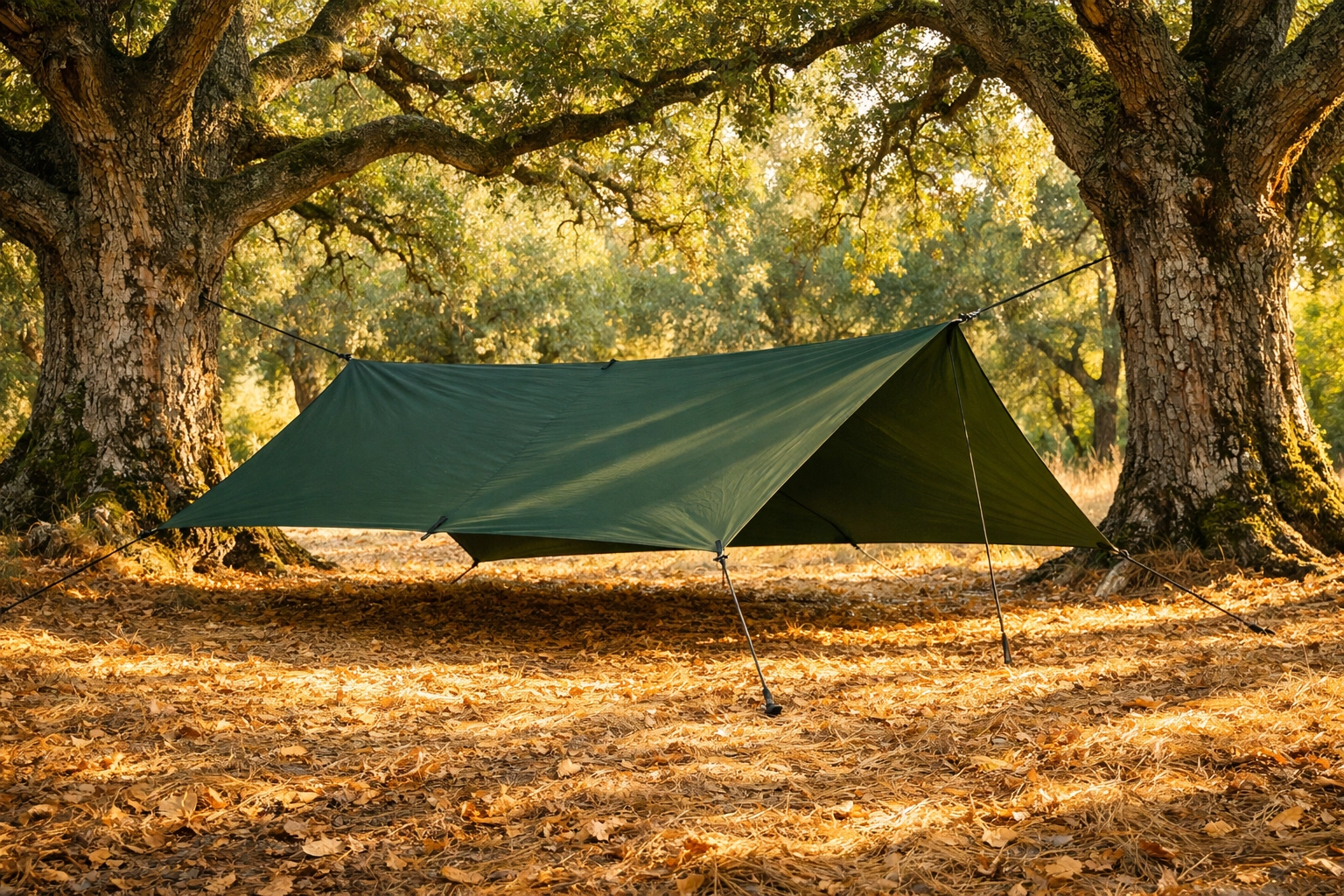
Try an A-frame if you have a tarp. Tie a paracord line between two trees. Drape the tarp over the line. Peg the four corners into the ground. This creates a classic tent shape. It provides excellent protection from heavy rain.
Always get off the ground. The cold earth sucks heat from your body. This is called conduction. Build a raised bed. Use a thick layer of dry heather, leaves, or pine needles. Put your sleeping mat on top of this layer. This creates an air gap. It keeps you much warmer during the night.
Check for "widowmakers" before setting up. These are dead branches hanging in trees. They can fall in the night. Look up before you lie down.
3. Perfect Your Fire-Starting Techniques
Fire is life. It provides heat. It dries your clothes. It cooks your food. In the UK, wood is often wet. You cannot rely on matches alone. Matches get damp and fail.
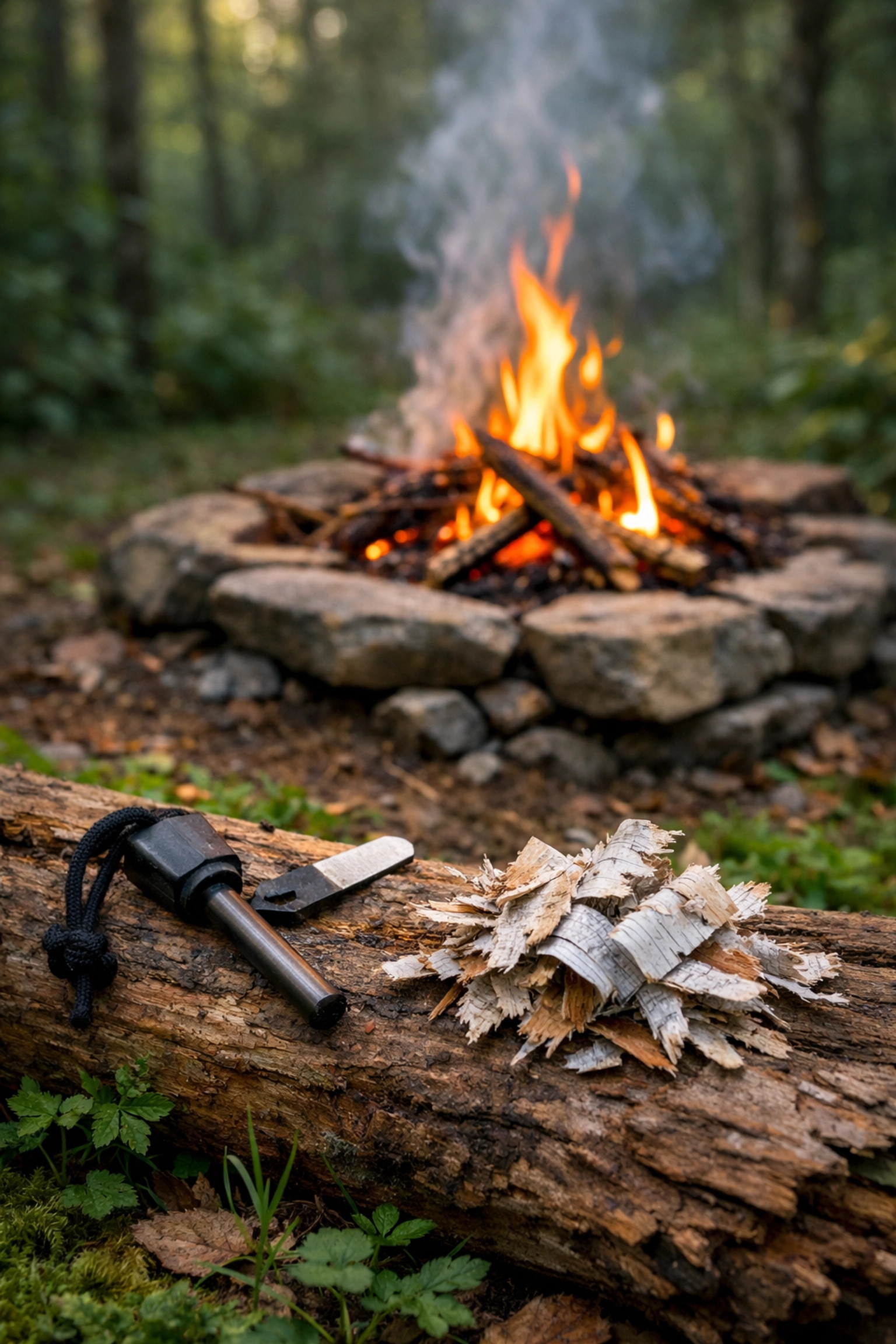
Carry a ferrocerium rod. These rods create sparks at three thousand degrees. They work even when soaking wet. Carry dry tinder from home in a waterproof bag. Use cotton wool soaked in petroleum jelly. It catches fire instantly.
Learn to find natural tinder. Look for birch bark. It contains oils that burn even when the bark feels wet. Look for "fatwood" in dead pine stumps. This resin-heavy wood burns like a torch.
Build a fire bed first. Do not put your fire directly on wet grass. Use a layer of flat stones or a platform of thick sticks. Start with a small nest of tinder. Add tiny twigs the size of matchsticks. Slowly add larger sticks as the heat grows.
Keep your fire small. A small fire is easier to control and uses less fuel. Feed it slowly. If it smokes too much, it needs more air. Arrange the wood in a teepee shape to let oxygen reach the center. Always extinguish your fire completely before leaving. Use water and stir the ashes. Ensure they are cold to the touch.
4. Source and Purify Water Safely
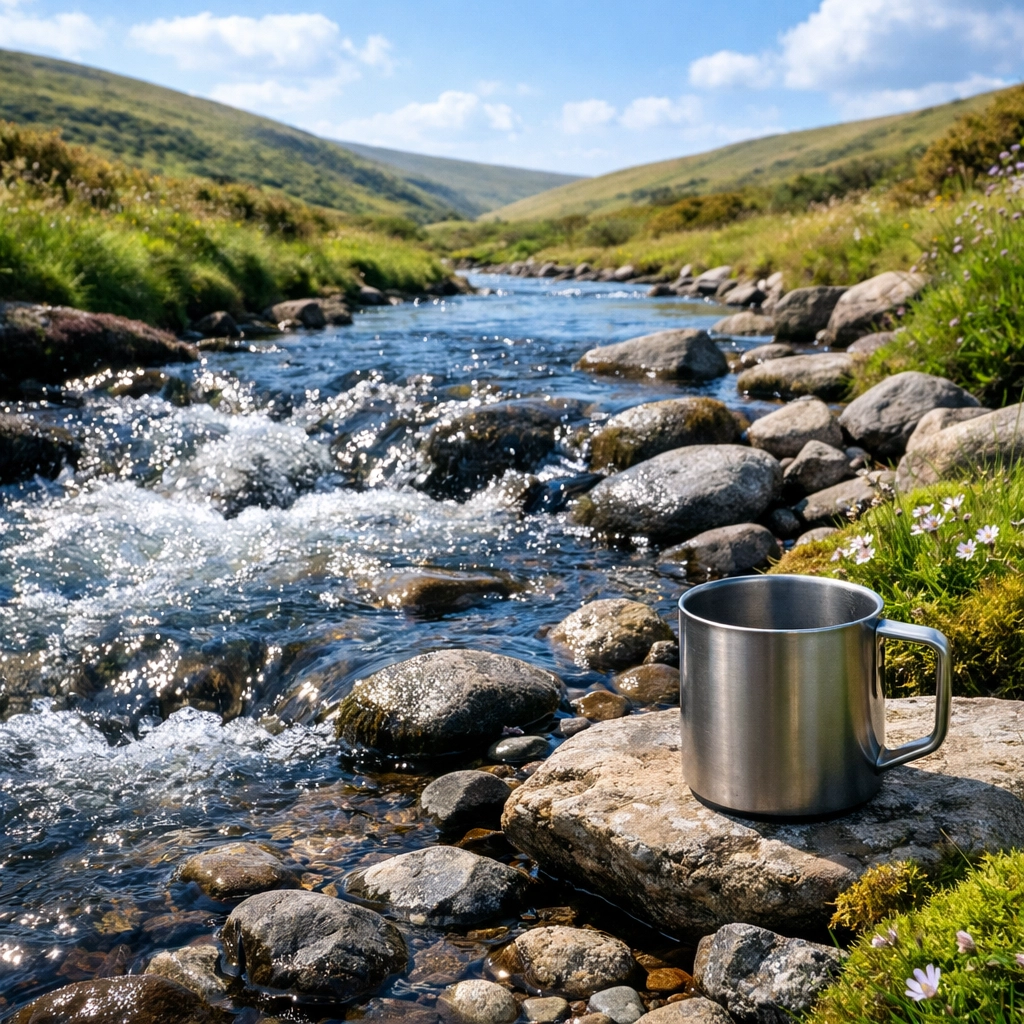
You can only survive three days without water. Finding it is easy in the UK. Drinking it safely is the hard part. Never drink directly from a stream. It might look clear, but it can hold bacteria or chemicals from sheep and cows upstream.
Look for moving water. Avoid stagnant ponds. Clear streams in high ground are best. Avoid water near industrial sites or heavy farmland.
Always purify your water. Boiling is the most reliable method. Bring water to a rolling boil for at least one minute. This kills most pathogens. Carry a small stove for this purpose.
Use a portable water filter for speed. These filters remove bacteria and protozoa. They are light and fit in your pocket. You can also use purification tablets. They take thirty minutes to work and can taste like chlorine.
Collect rainwater if you are stuck. Use your tarp to funnel rain into a bottle. Rainwater is generally safe but still benefits from a quick boil. Check your hydration levels by the color of your urine. Clear or light yellow means you are doing well. Dark yellow means drink more immediately.
5. Prepare a Pro-Level First Aid Kit
Small injuries become big problems in the wild. A blister can stop you from walking. A small cut can get infected. You must carry a kit and know how to use it. This is essential for any wild camping trip.
Pack antiseptic wipes. Clean every scratch immediately. Use adhesive bandages for small cuts. Carry sterile gauze and medical tape for larger wounds. Include tweezers for removing ticks or splinters.
Prioritize blister care. Pack zinc oxide tape or specialized blister plasters. Apply them as soon as you feel a "hot spot" on your foot. Do not wait for the blister to form.
Learn the signs of hypothermia. These include shivering, confusion, and fumbling hands. If someone is shivering, get them into dry clothes. Give them a warm drink. Put them in a sleeping bag.
Learn the signs of heat exhaustion during summer. Look for heavy sweating and dizziness. Move the person to the shade. Give them water with a pinch of salt.
Carry a foil emergency blanket. It is tiny and weighs almost nothing. It reflects your body heat back to you. It can save your life if you are forced to spend a night in the open.
Next Steps for Your Adventure
You now have the knowledge. Now you need the practice. Do not wait for an emergency to try these skills. Go to your local park or backyard. Build a shelter. Start a fire with a ferro rod. Read a map.
The more you practice, the more natural it becomes. Mastery takes time. Start small. Stay consistent.
Check our list of survival skills for even more ways to prepare.
Grab your gear and head outside today.