
Welcome, adventurer. You want to explore the wild. You want to sleep under the stars. You need to know where you are. Navigation is a skill. It is not a gift. You can learn it. You can master it. These tips will help you. They will give you confidence. Your next camping adventure uk starts here.
1. Master the Map and Compass
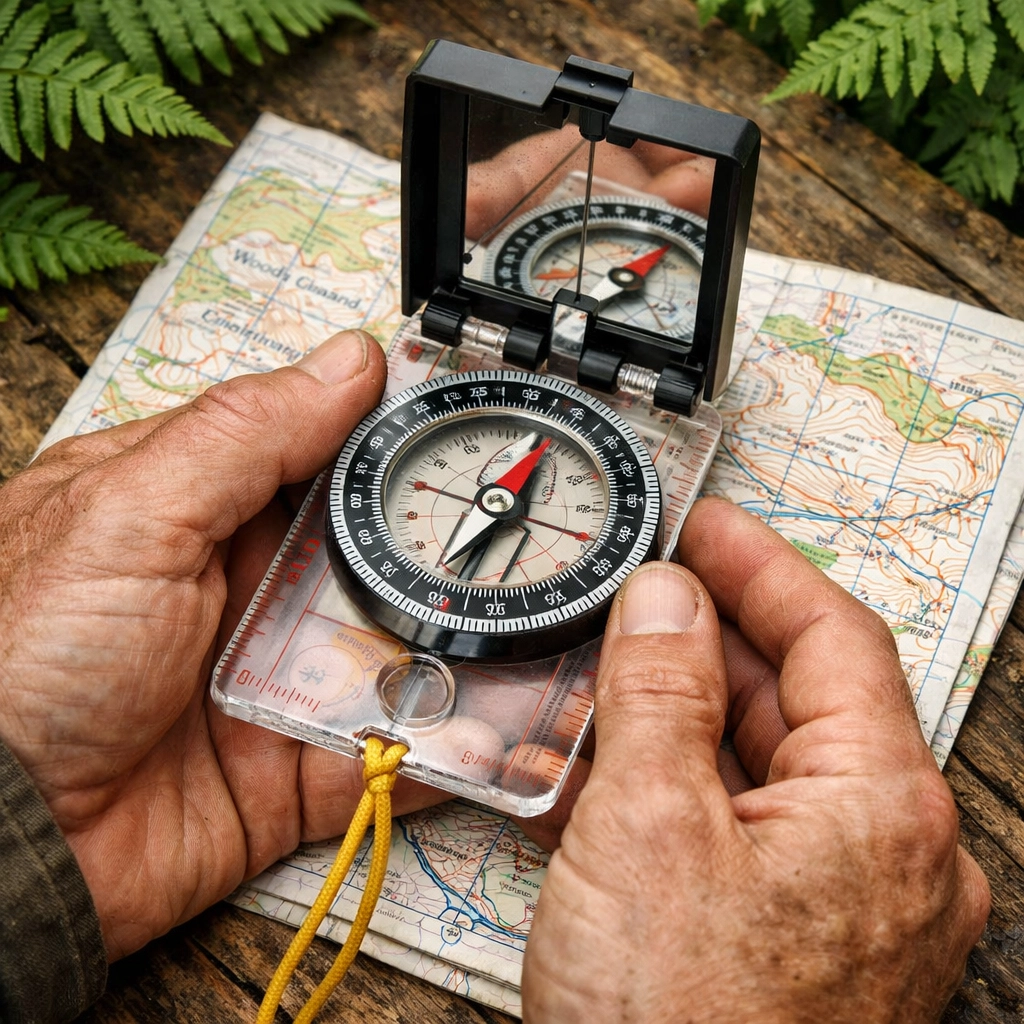
Buy a physical map. Choose the Ordnance Survey Explorer series. Look for the orange covers. These use a 1:25,000 scale. This scale shows every detail. It shows walls. It shows small streams. It shows ruins.
Buy a baseplate compass. Choose a reliable brand. Do not use a toy. Place the compass on the map. Connect your start point and your end point. Use the edge of the compass. Turn the dial. Make the lines in the dial match the lines on the map. Point the arrow north.
Practice this in your house. Take a bearing from the sofa to the fridge. Follow the arrow. Do not look at the ground. Look at the compass. Practice in your garden. Walk in a straight line. This skill keeps you alive. It does not need a battery. It does not need a signal. It works in the rain. It works in the fog.
Learn more about essential tools in our guide on 10 outdoor survival skills every wild camping guided uk beginner should know.
2. Read the Terrain with Contour Lines
Look at the brown lines on your map. These are contour lines. They show the shape of the land. They show height. They show steepness.
Identify the numbers on the lines. These tell you the elevation. Look at the spacing. Lines close together mean a steep climb. This will tire you out. Lines far apart mean flat ground. This is where you camp.
Find a "saddle." This is flat ground between two peaks. It offers shelter from the wind. Find a "spur." This is a piece of land sticking out. It offers a view. Avoid "re-entrants." These are small valleys. They collect water. They are damp.
Look for symbols. A blue line is a stream. Small blue tufts mean a bog. Do not camp on a bog. Your tent will sink. Your feet will get wet. Use your eyes. Look at the hill in front of you. Look at the map. Match them up. This is called "thumbing the map." Keep your thumb on your current location. Move it as you walk.
Planning is vital. Avoid common errors by reading about 7 mistakes you’re making when planning uk hiking adventures and how to fix them.
3. Mix Digital and Analog Tools
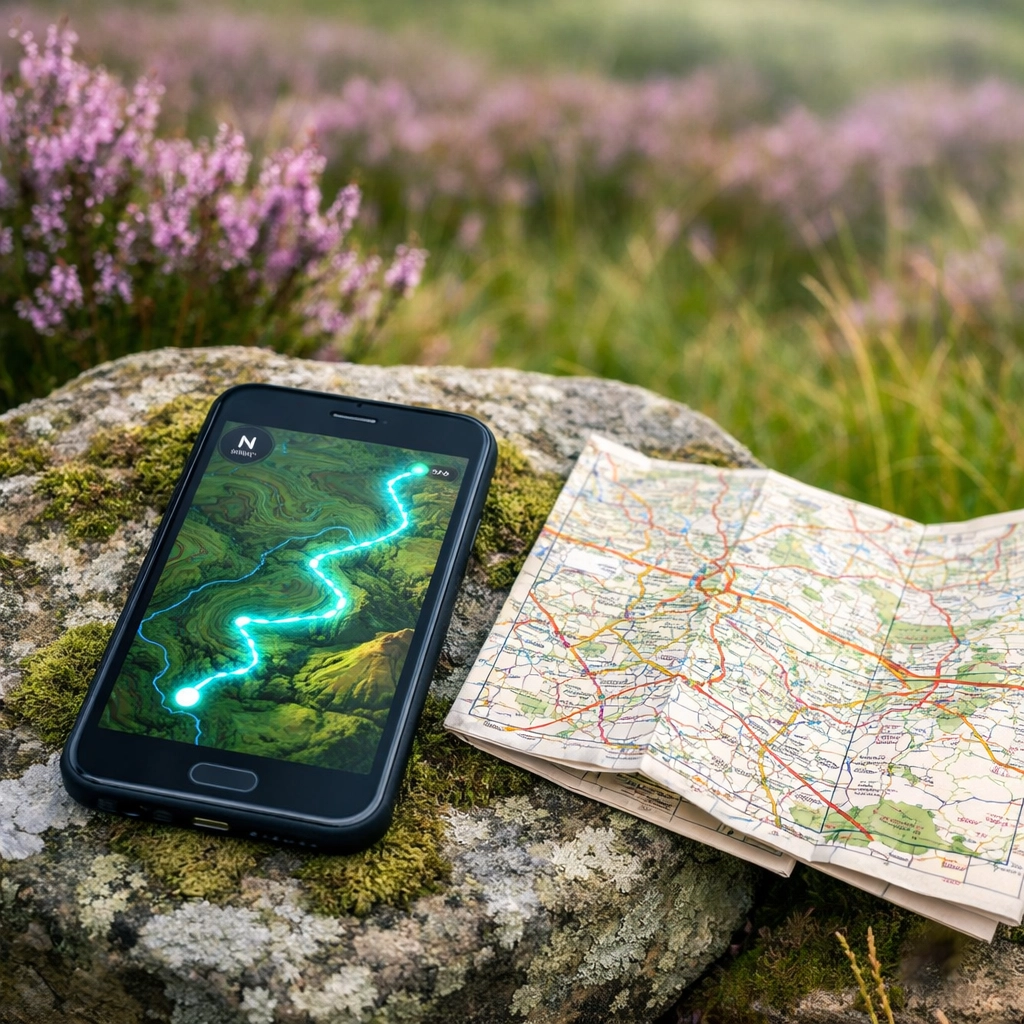
Use your phone. It is a powerful tool. Download the OS Maps app. Download the Gaia GPS app. These apps show your exact location. They use satellites.
Download your maps before you leave. Do not rely on mobile data. Mountains have no signal. Valleys have no signal. Use airplane mode. This saves your battery. Your GPS will still work.
Carry a power bank. Cold weather drains batteries. Keep your phone in an internal pocket. Use your body heat to keep it warm.
Do not trust the phone alone. Screens crack. Software crashes. Water ruins electronics. Use the phone to confirm your position. Use the map and compass to navigate. This is the professional way. It is the safe way.
Check your progress every thirty minutes. Do not walk for hours without looking at the map. If the map says you should be climbing and you are walking downhill, stop. Turn around. Find your last known point.
For a deeper dive into gear, see our list of 15 essential survival skills to level-up your wild camping experience in the uk.
4. Follow Established Trails First
The UK has many National Trails. Look for the pink symbols on your map. They use diamonds. they use dashes. They use dots.
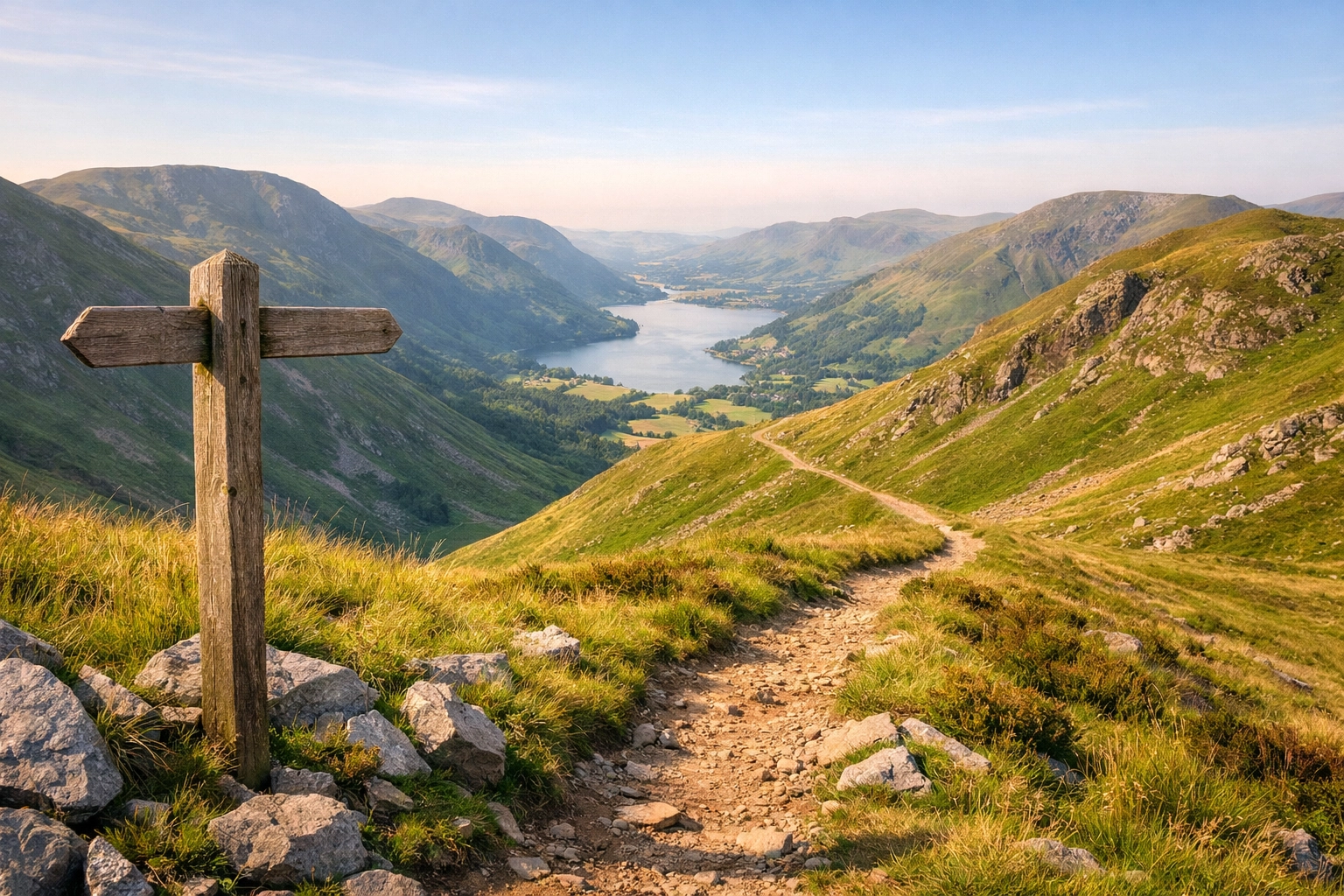
Follow the West Highland Way. Walk the Pennine Way. Try the South Downs Way. These paths are well-marked. They have signposts. They have clear tracks on the ground.
Use these trails to build your confidence. You can practice map reading without the fear of getting lost. Check the map at every junction. Predict what the signpost will say. See if you are right.
Stay on the path to protect the environment. Wild camping is about respect. Leave no trace. Pitch your tent late. Pack up early. Keep your group small.
Guided trips can accelerate your learning. Find out why guided walking tours will change the way you explore the british countryside.
If you want more route ideas, explore 15 epic trails to conquer on guided hiking tours uk.
5. Master Grid References
Learn the grid system. It is a set of blue lines on your map. They form squares. Each square is one kilometer.
Read the numbers along the bottom. These are Eastings. Read the numbers up the side. These are Northings. Use the rule: "Along the corridor and up the stairs."
Find a four-figure reference. This identifies a one-kilometer square. This is good for general areas.
Find a six-figure reference. This identifies a one-hundred-meter square. This is precise. Use this to mark your campsite. Use this to tell friends where you are.
Give this number to emergency services if you need help. Use the OS Locate app. It gives you a grid reference even without a signal. Write it down. Share it.
Knowing your location at all times reduces stress. It lets you enjoy the view. It lets you focus on the adventure.
Discover more expert tips in wild camping guided uk secrets revealed: what outdoor experts don’t tell beginners.
Take the Next Step
Navigation takes practice. Start small. Go to a local park. Use a map there. Then go to a forest. Then head to the hills.
Trust your tools. Trust your training. Do not guess. If you are unsure, stop. Check the map. Check the compass. Reorient yourself.
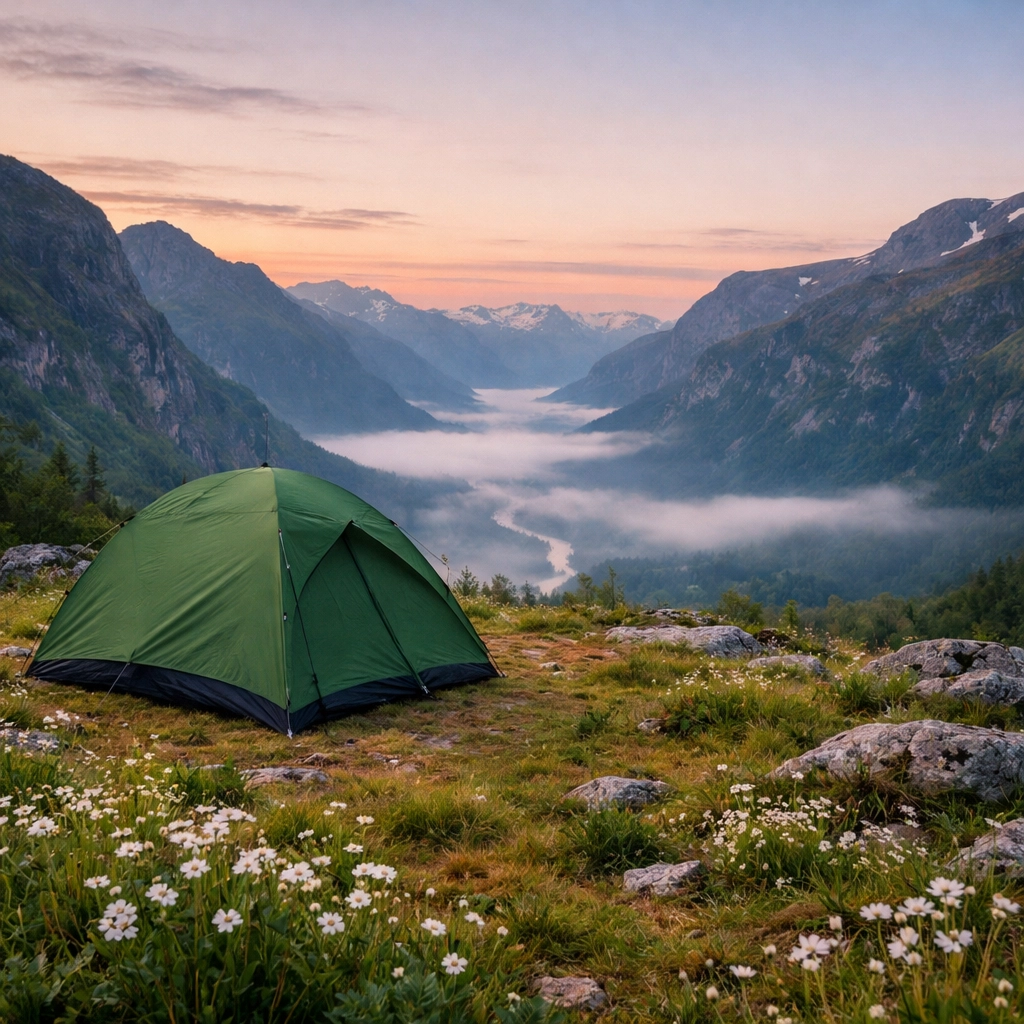
Wild camping gives you freedom. Navigation gives you safety. Combine them. Explore the UK. See the sun rise from a mountain top.
Get your map and compass now, go to your nearest green space, and take your first bearing today.