
Hey there. You want to sleep under the stars. You want to wake up on a mountain. You are ready for a wild camping adventure UK style. This is not a holiday park. There are no toilets. There are no showers. It is just you, your pack, and the land. Finding the right spot is everything. A bad pitch means a bad night. A good pitch means magic.
Follow these steps. Get it right. Enjoy the silence.
1. Know the Law First
Rules vary across the UK. Scotland is the best. The Land Reform Act allows wild camping. You can camp on most unenclosed land. Be respectful. Keep it small.
England is different. Wales is different too. Wild camping is mostly illegal without permission. Landowners own the ground. You need their okay. Dartmoor is the exception. Some areas allow it there. Check the maps. Stay away from enclosed fields. Stay away from houses.
Read about 15 essential survival skills to level up your wild camping experience in the UK before you head out. Know the rules. Avoid the fines. Stay safe.
2. Master Your OS Maps
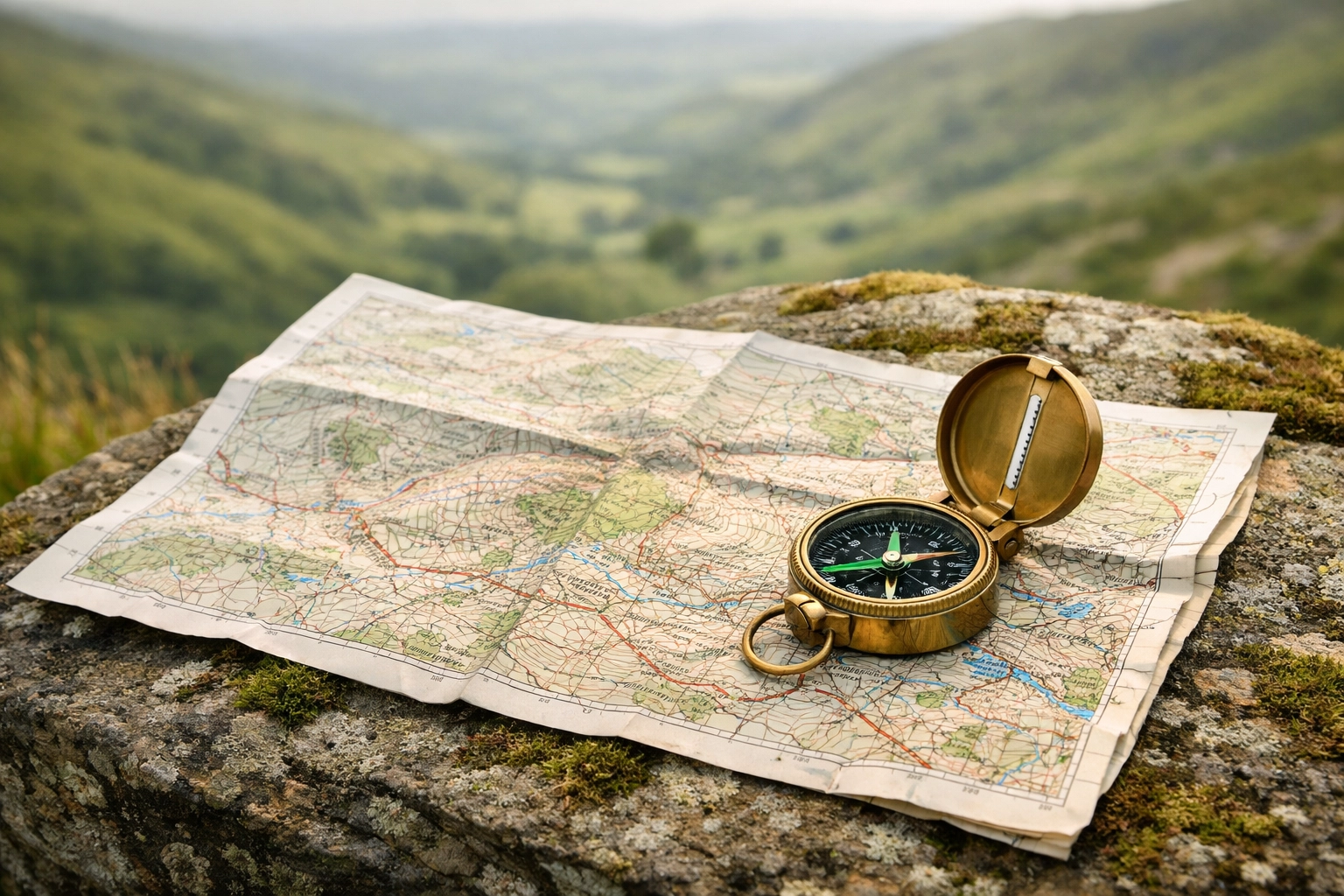
The map is your best friend. Use OS Explorer maps. Look for the orange borders. These show open access land. This is where you want to be. Mountains, moors, and heaths are usually open.
Look at the contour lines. These are the brown wiggly lines. Close lines mean steep cliffs. You cannot sleep on a cliff. Wide gaps mean flat ground. Find the wide gaps. Look for blue lines. These are streams. You need water for coffee. You need water for food. Do not pitch too close to the water. Ground might be boggy. Stay at least 50 meters away.
3. Keep Your Eyes Open While Hiking
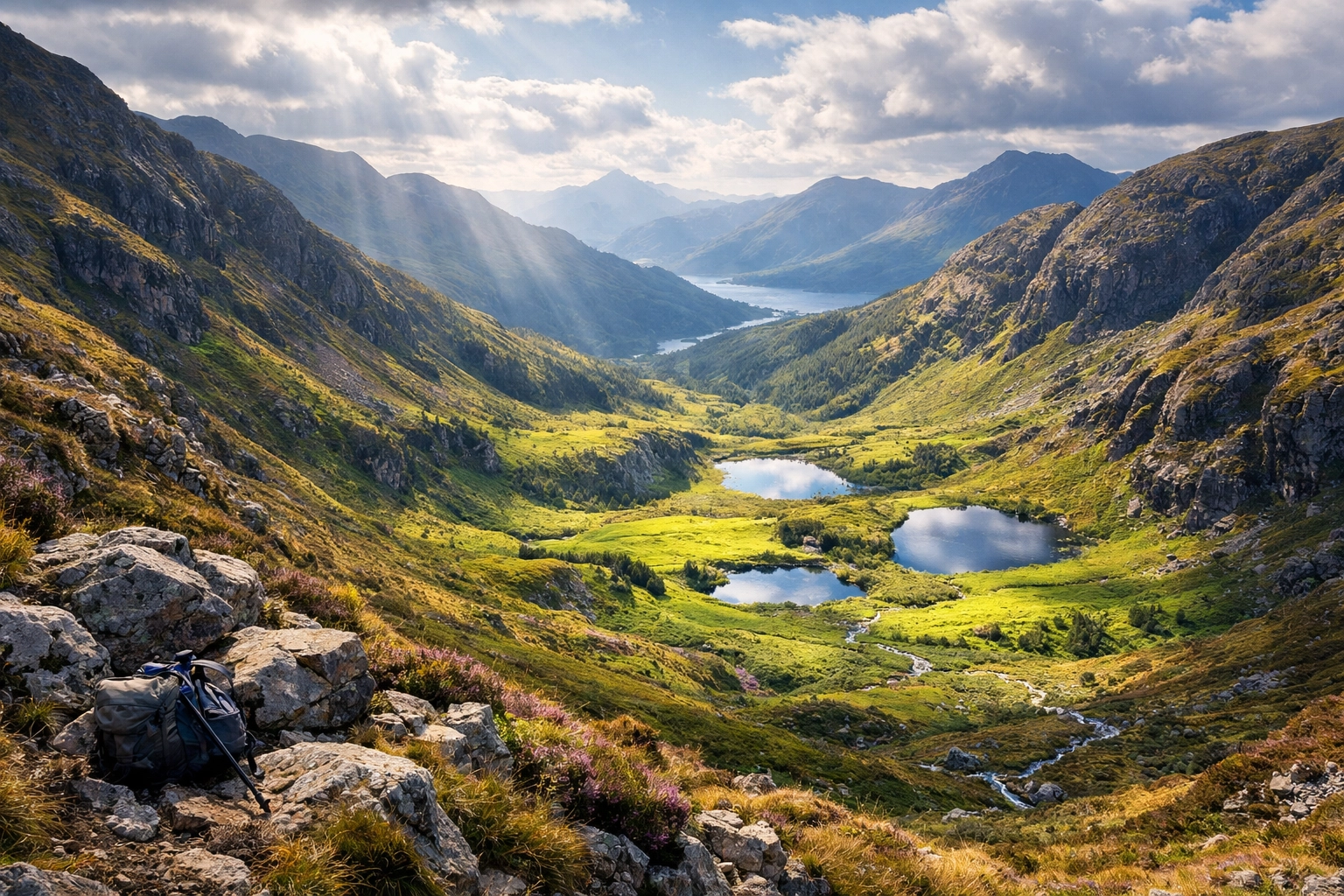
Do not wait until dark to look. Start looking early. Keep your eyes on the horizon. Look at the ridges. Look at the valleys. If you see a flat green patch, mark it.
Use Google Maps on your phone. Drop a pin. Use the satellite view. It shows the ground texture. Dark green might be deep heather. Light green might be grass. Grey is rock. You want the light green. Plan your route around these pins.
Check out how to choose the best guided hiking tours UK compared to see how pros find spots. They know the secrets. They see what you miss.
4. Prioritise Flat and Level Ground
This sounds simple. It is not. The ground is rarely flat. A small tilt feels like a mountain at 2 AM. You will slide off your mat. You will bunch up in the corner of your tent.
Test the spot. Lay your mat down. Lie on it. Close your eyes. Do you feel like you are rolling? If yes, move. If you have no choice, put your head uphill. Never put your head downhill. You will wake up with a headache. Blood stays in your head. It is uncomfortable.
Find the flattest spot. Clear the stones. Clear the branches. Make it smooth.
5. Seek Shelter From the Wind
The UK is windy. Wind ruins sleep. It shakes the tent. It makes a lot of noise. It can snap your poles.
Look for natural windbreaks. Large rocks are good. Small depressions in the ground help. Stone walls are great. Do not pitch on top of a ridge. Ridges are wind tunnels. Go a bit lower. Stay on the leeward side. This is the side away from the wind.
Check the forecast. Know where the wind is coming from. Pitch your tent with the narrow end into the wind. This makes it aerodynamic. It stays quiet. It stays standing.
6. Be Discreet and Stay Hidden
Wild camping is about being a ghost. You should not be seen. Do not pitch near a road. Do not pitch on a main footpath. Do not pitch near a farm.
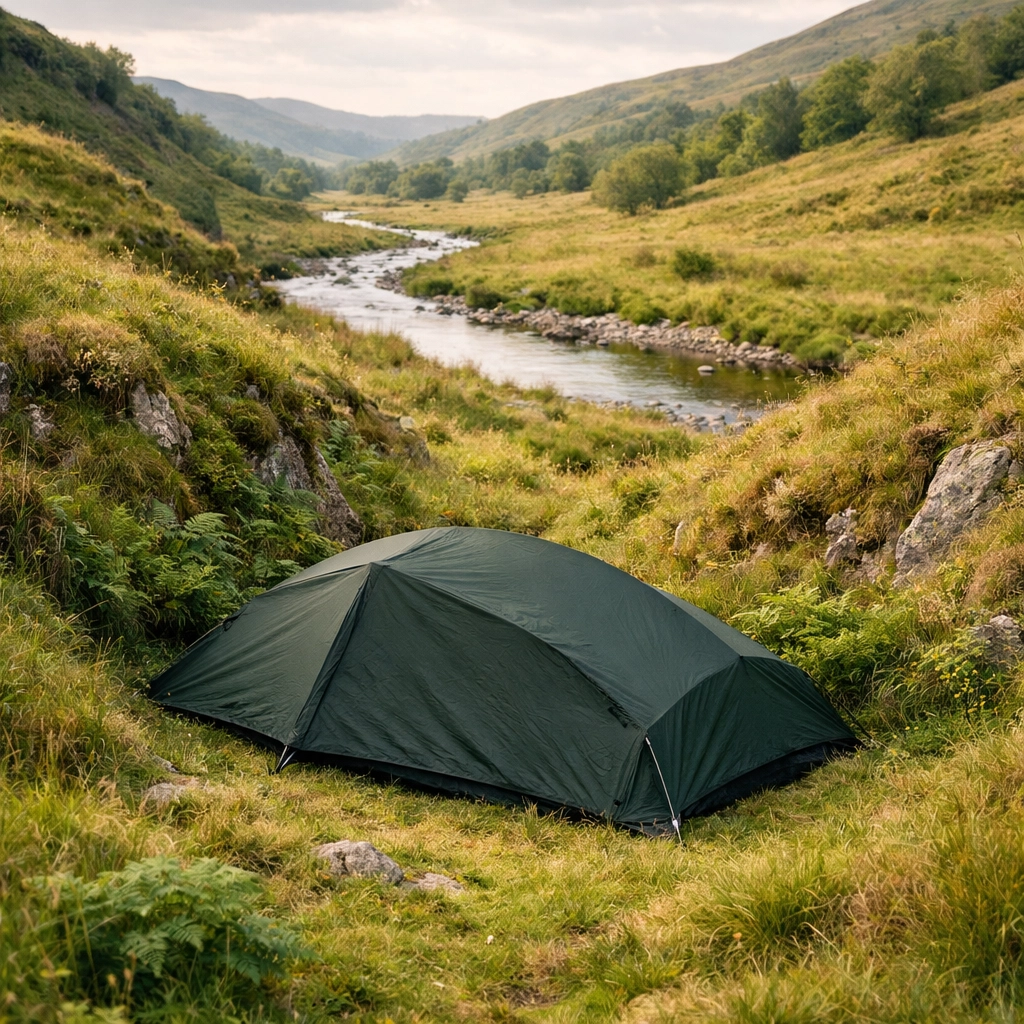
Find a dip. Find a spot behind a hill. Use a green or grey tent. Avoid bright orange or red. You want to blend in with the grass. You want to blend in with the rocks. If people cannot see you, they cannot bother you.
This is part of the wild camping guided UK secrets revealed. Privacy is peace. Privacy is safety.
7. Check the Ground Moisture
A flat spot is no good if it is a swamp. Look at the grass. Bright green, lush grass usually means water. Reeds mean water. Moss means water. Avoid these.
Sit on the ground for five minutes. If your trousers get wet, your tent floor will get wet. Water seeps through. It makes the air inside cold. It creates condensation. You will wake up damp.
Look for dry, short grass. Check for drainage. If it rains at night, where will the water go? Do not pitch in a hole. You will wake up in a puddle. Pitch on a slight rise if the weather is bad.
8. Avoid Sensitive Ecological Areas
Respect the earth. Stay away from nature reserves. Avoid Sites of Special Scientific Interest (SSSI). These areas have rare plants. They have nesting birds.
Do not camp in the middle of a farmer's crop. Do not camp where sheep are gathered. Keep your distance from archaeological sites. Do not pitch on old ruins.
Check out 10 outdoor survival skills every wild camping guided UK beginner should know for more on land respect. Leave no trace. Take your trash. Take other people's trash too. Leave the spot better than you found it.
9. Time Your Arrival and Departure
Be the last one in. Be the first one out. This is the golden rule.
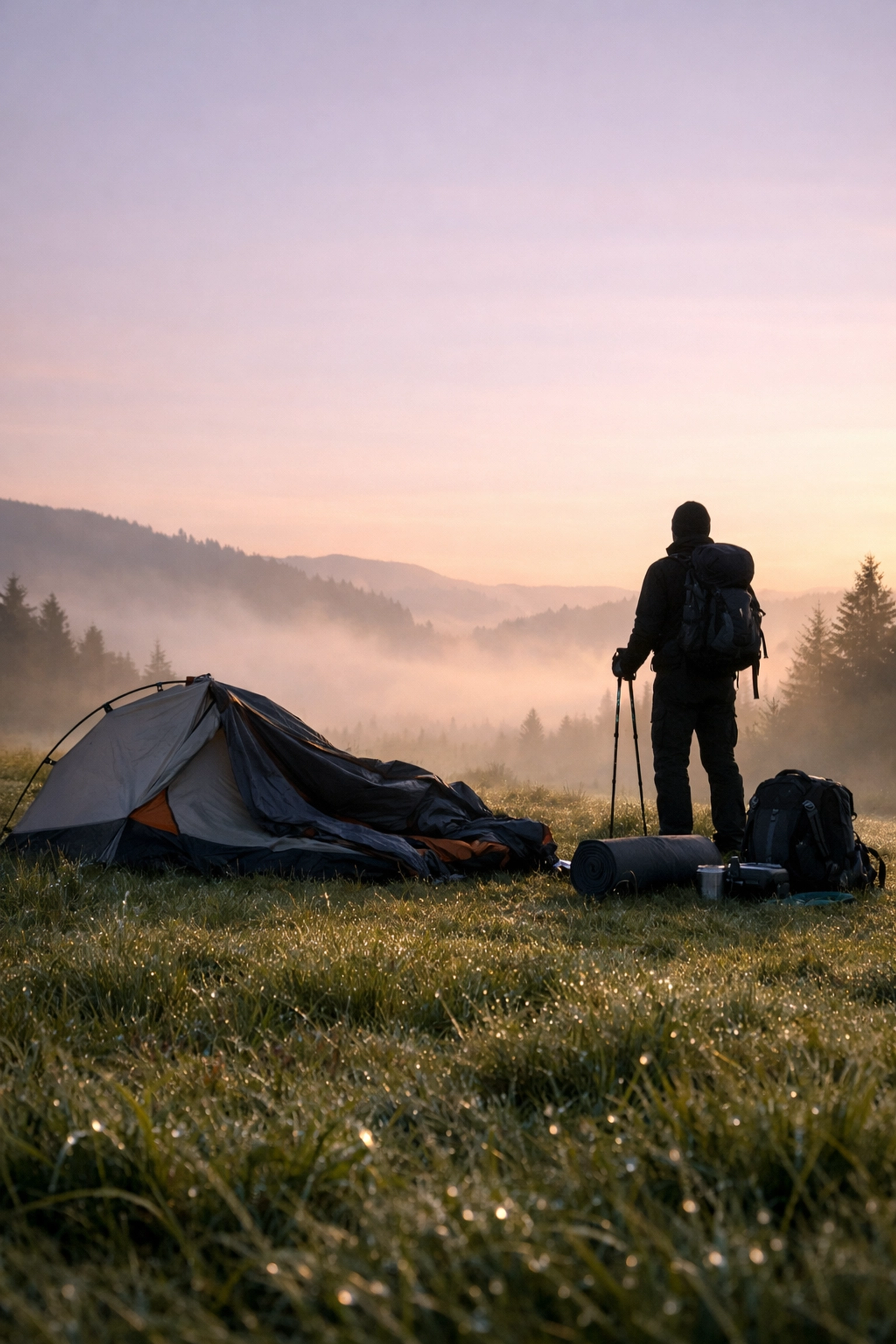
Arrive at your spot as the sun goes down. Pitch your tent in the twilight. Sleep. Wake up with the sun. Pack your bags immediately. Have your coffee. Move on.
This keeps you hidden. It prevents complaints. It leaves the hills looking empty for day hikers. It preserves the wild feeling for everyone.
10. Check the Aspect for the View
Do you want a sunrise? Pitch facing East. Look for a clear horizon. Do you want a sunset? Pitch facing West.
Check where the sun will hit your tent in the morning. A tent in the sun dries faster. It warms up quicker. A tent in the shade stays cold and damp. Use the compass on your phone. Plan your morning.
If you want more inspiration for your route, look at these top 10 breathtaking UK hiking trail ideas for your next adventure. Pick a trail. Find a pitch. See the sun rise over the peaks.
Go pack your bag now. Pick a spot on the map. Head out this weekend.