
Hello, adventurer. You want to sleep under the stars. You want to do it alone. Solo wild camping is a powerful experience. It tests your limits. It clears your mind. It also requires a plan. Safety is your top priority. You must prepare for your camping adventure uk.
Wild camping in the UK is unique. The weather changes fast. The terrain is rugged. You need to know what to do. This guide helps you stay safe. Follow these steps. Stay alert. Enjoy the silence.
Master the Planning Phase
Preparation starts at home. Do not leave things to chance. Research your area. Use physical maps. Look at satellite images. Identify flat ground. Find water sources. Look for potential hazards like cliffs or bogs.
Check the weather forecast. Use apps like Met Office or Mountain Weather Information Service. Look for wind speeds. Check the rain levels. Avoid exposed ridges during storms. Move your trip if the weather looks dangerous.
Tell someone your plan. Give them your exact route. Share your expected return time. Provide a grid reference for your intended camp. Set a check-in time. Tell them what to do if you do not call. This simple step saves lives.
Learn the basics before you go. Read about 10 essential outdoor survival skills for your next camping adventure uk. Knowledge is your best tool.
Choose the Right Gear
Your gear is your life support. Keep it light. You must carry everything. Every gram matters. Choose a high-quality shelter. Pick a tent, a tarp, or a bivvy bag. Make sure it can handle UK wind and rain.
Invest in a good sleeping bag. Check the comfort rating. Match it to the season. Use a sleeping mat. It keeps you off the cold ground. Cold ground drains your body heat fast.
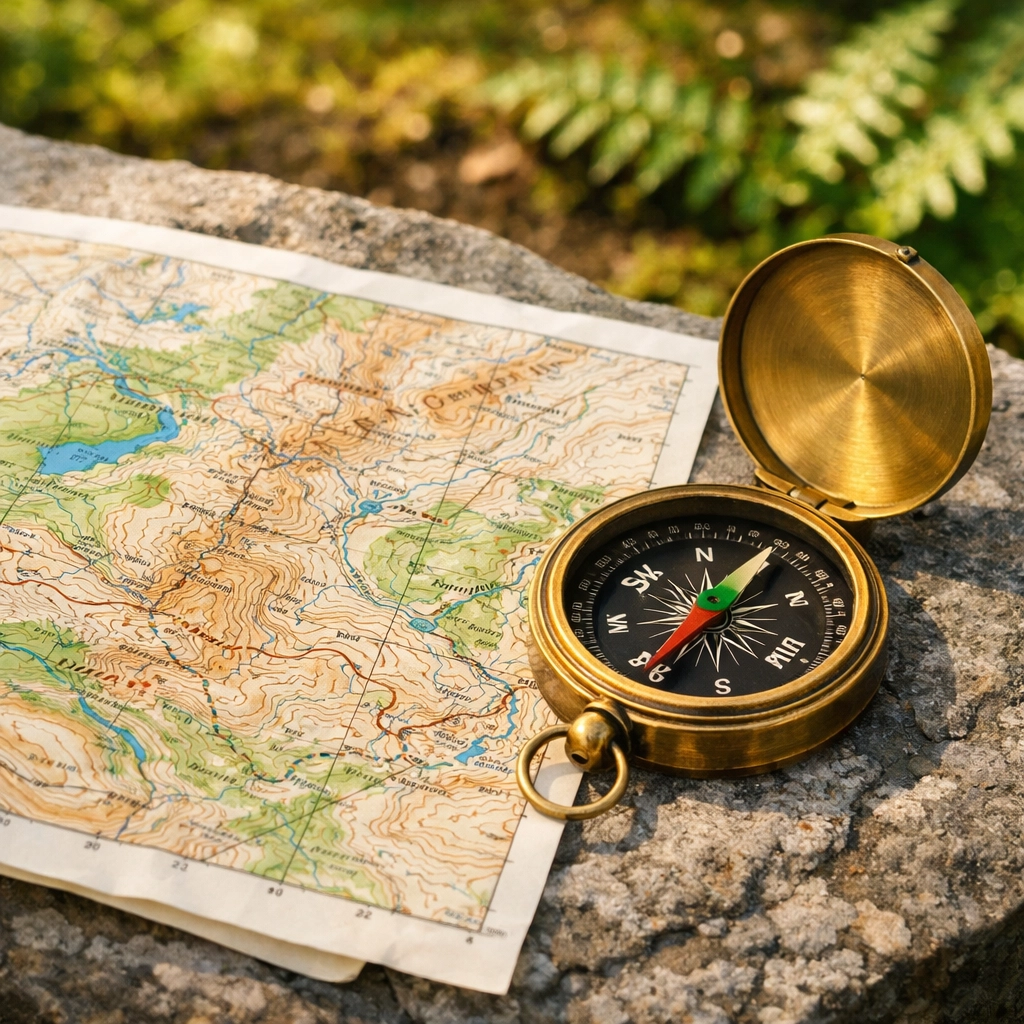
Pack your navigation tools. Take a compass. Take a paper map. Learn how to use them. Do not rely only on your phone. Batteries die. Signals fail. Carry a fully charged powerbank. Use a waterproof case for your electronics.
Include a first-aid kit. Pack bandages, antiseptic wipes, and tape. Include your personal medications. Add a whistle for emergencies. Use the international distress signal if needed. Six blasts in a minute. Wait a minute. Repeat.
Practice Navigation and Movement
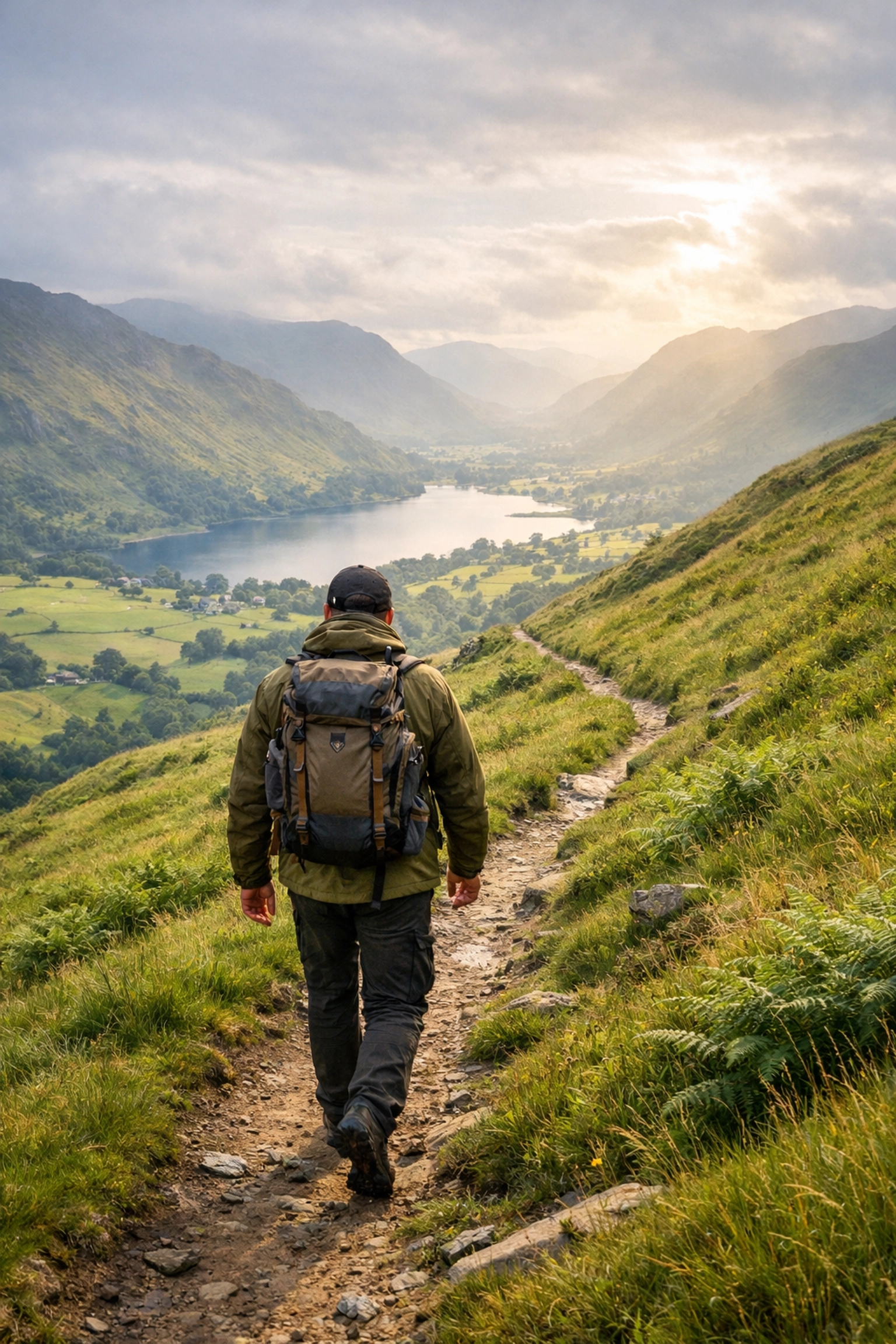
Move with purpose. Stick to marked trails when possible. Keep your map handy. Check your position often. Do not wait until you are lost to look at the map. Use landmarks. Note peaks, streams, and walls.
Maintain a steady pace. Do not rush. Rushing leads to trips and falls. Watch your footing on wet grass. Be careful on loose scree. Wear sturdy boots with good grip. Keep your feet dry. Change your socks if they get wet.
Download offline maps. Use GPS apps but keep them as a backup. Save your battery. Switch your phone to airplane mode. This prevents the battery from draining while searching for a signal.
If you are new to this, consider a professional. Learn why guided hiking tours uk will change the way you experience the outdoors. Experts teach you the best routes.
Select Your Campsite Wisely
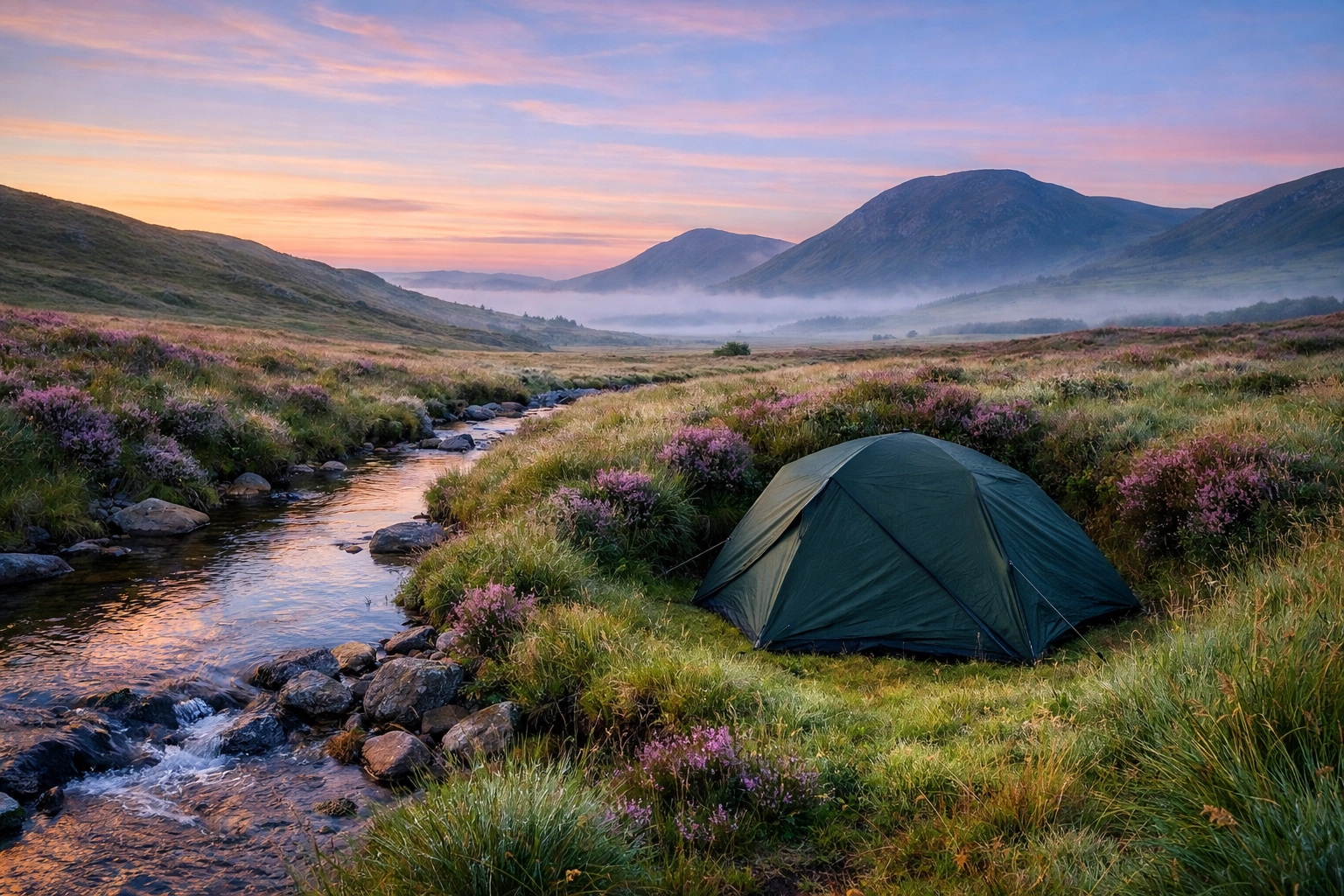
Pick your spot before it gets dark. Finding a site in the dark is hard. It is also dangerous. Look for flat, elevated ground. Avoid hollows where water pools. Stay away from lone trees during storms. Avoid areas with falling rock risks.
Be discreet. Wild camping in England and Wales requires permission. In Scotland, follow the Access Code. Keep your camp small. Use a green or brown tent. Blend into the landscape.
Trust your instincts. If a spot feels wrong, leave. Move to a new location. Your gut feeling is often right. Stay away from buildings. Stay away from roads. Keep your distance from livestock.
Learn more about wild camping guided uk secrets. Experience helps you pick the best spots.
Manage Food and Wildlife
UK wildlife is mostly harmless. You might see foxes or badgers. They want your food. Store your food securely. Use dry bags. Keep them inside your tent or hang them if necessary. Do not leave scraps outside.
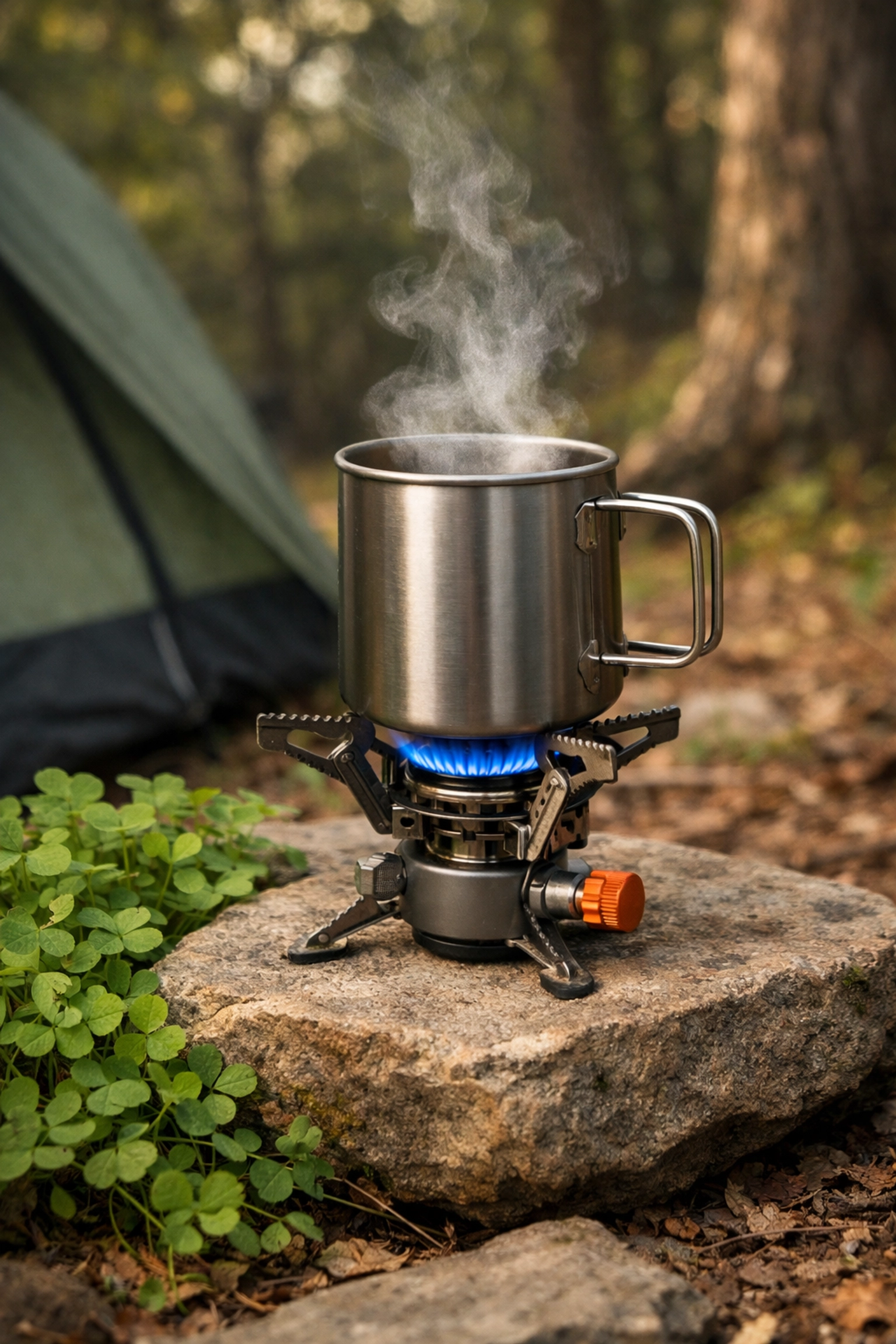
Cook away from your sleeping area. Smells linger. Avoid attracting animals to your tent. Use a stable stove. Check your fuel levels. Do not cook inside your tent. Carbon monoxide is a silent killer. It is also a fire risk.
Purify your water. Use a filter or tablets. Even clear streams can have bacteria. Collect water from moving sources. Avoid water near livestock. Stay hydrated. Drink often, even if you are not thirsty.
Prepare for Emergencies
Know basic first aid. Learn how to treat cuts and sprains. Understand the signs of hypothermia. Shivering, confusion, and exhaustion are red flags. Act fast. Get into your sleeping bag. Drink something warm.
Keep your phone in a warm place. Cold drains batteries. Add emergency contacts to your lock screen. Use the "ICE" (In Case of Emergency) format. Register your phone for the emergency SMS service. Text "register" to 999. Do this before you leave.
Carry a personal locator beacon (PLB) for remote trips. It sends a satellite signal to rescue services. It works where phones do not. It is a vital tool for the solo adventurer.
Review these 15 essential survival skills to level up your wild camping experience in the uk. Be ready for anything.
Respect the Environment
Follow the Leave No Trace principles. Leave the land as you found it. Do not build fire pits. Fires scorch the earth. They risk spreading. Use a stove instead.
Carry out all your rubbish. Do not bury it. Animals will dig it up. Use a small trowel for human waste. Dig a hole at least 15cm deep. Do it far away from water sources. Pack out your toilet paper in a sealed bag.
Be quiet. Respect the peace of the outdoors. Respect the locals. Avoid staying in one place for more than one night. Move on early in the morning.
Why Choose a Guided Experience First?
Solo camping is a skill. It takes time to learn. A wild camping guided uk experience is a great start. You get the solo feeling with a safety net.
Guides teach you navigation. They show you how to pitch in high winds. They explain how to use your gear correctly. You meet other enthusiasts. You build your confidence.
Many people make simple errors. Avoid 7 mistakes you’re making when planning uk hiking adventures. A guide helps you fix these before they happen.
Guided trips provide local knowledge. You find the best hidden spots. You learn about the history of the land. You stay safe while you learn.
Final Safety Checklist
Before you step out, do a final check.
- Is your itinerary shared?
- Is your powerbank full?
- Do you have a paper map?
- Is your first aid kit stocked?
- Did you check the latest forecast?
- Are your boots laced tight?
Safety is a habit. Practice these steps every time. The more you do them, the easier they become. You become a better adventurer. You become a safer camper.
The UK wilderness is waiting for you. It is beautiful. It is challenging. It is rewarding. Go out there. Explore the hills. Sleep under the stars. Just do it wisely.
Ready to start your journey? Check out our upcoming guided hiking tours uk. Grab your pack and join us on the trail today.