
Welcome to the wild. You are lying in your tent. The UK wind is howling outside. You are shivering inside your bag. You bought the expensive gear. You followed the manual. You are still cold. This ruins the experience. It makes you want to go home.
Don't pack up yet. Your gear is likely fine. Your setup is the problem. Small mistakes lead to big heat loss. We see this often on our wild camping guided uk trips. You can fix it tonight.
Here are 10 reasons you are cold and how to fix them for your next camping adventure UK.
1. Your Sleeping Mat is Inadequate
The ground is a heat thief. It is cold. It is solid. It pulls warmth away from your body. This is called conduction. Heat loss to the ground is three times faster than heat loss to the air. Your sleeping bag cannot help here. The weight of your body crushes the insulation. You are effectively lying on the cold earth.
The Fix:
Check the R-value of your mat. This measures thermal resistance. For a camping adventure uk in spring or autumn, you need an R-value of 3. In winter, aim for 4 or higher.
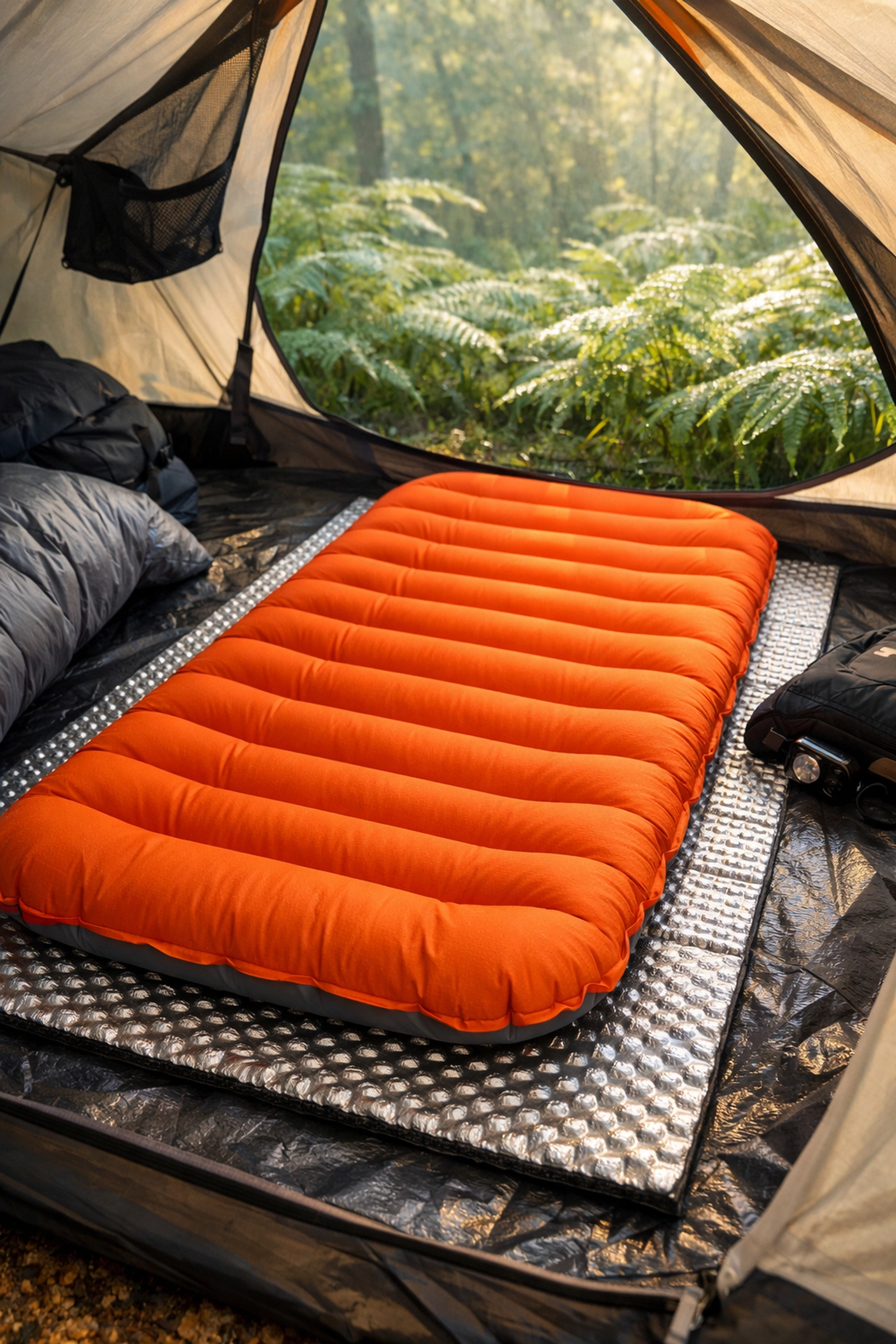
Do not use a standard air bed. They are filled with uninsulated air. That air stays cold. It cools your back all night. Use a self-inflating mat or a closed-cell foam pad. If your mat is thin, layer up. Put a cheap foam mat underneath your main mat. This adds a vital barrier.
2. You're Sleeping in Damp Clothing
You hiked all day. You sweated. Your base layer feels dry, but it isn't. It holds microscopic moisture. Water conducts heat away from you 25 times faster than air. If you sleep in those clothes, you will shiver. Even a tiny bit of dampness will chill your core as it evaporates.
The Fix:
Change every single item of clothing. Do this right before you get into your bag. Have a dedicated set of "sleep only" clothes. Keep them in a dry bag. This includes your underwear and socks.
If your day clothes are wet, don't leave them in a heap. Put them at the bottom of your sleeping bag if they are just slightly damp. Your body heat will dry them. If they are soaked, keep them outside the bag but inside the tent. Never sleep in a damp shirt.
3. You're Not Layering Properly Inside Your Sleeping Bag
Many people think a sleeping bag is a heater. It is not. It is an insulator. It traps the heat your body produces. If you wear too little, there is too much empty space to heat up. If you wear too much, you compress the bag's down or synthetic fill.
The Fix:
Wear a clean, dry thermal base layer. Merino wool is best. It stays warm even if it gets slightly moist. Add a thin fleece mid-layer if it is very cold.
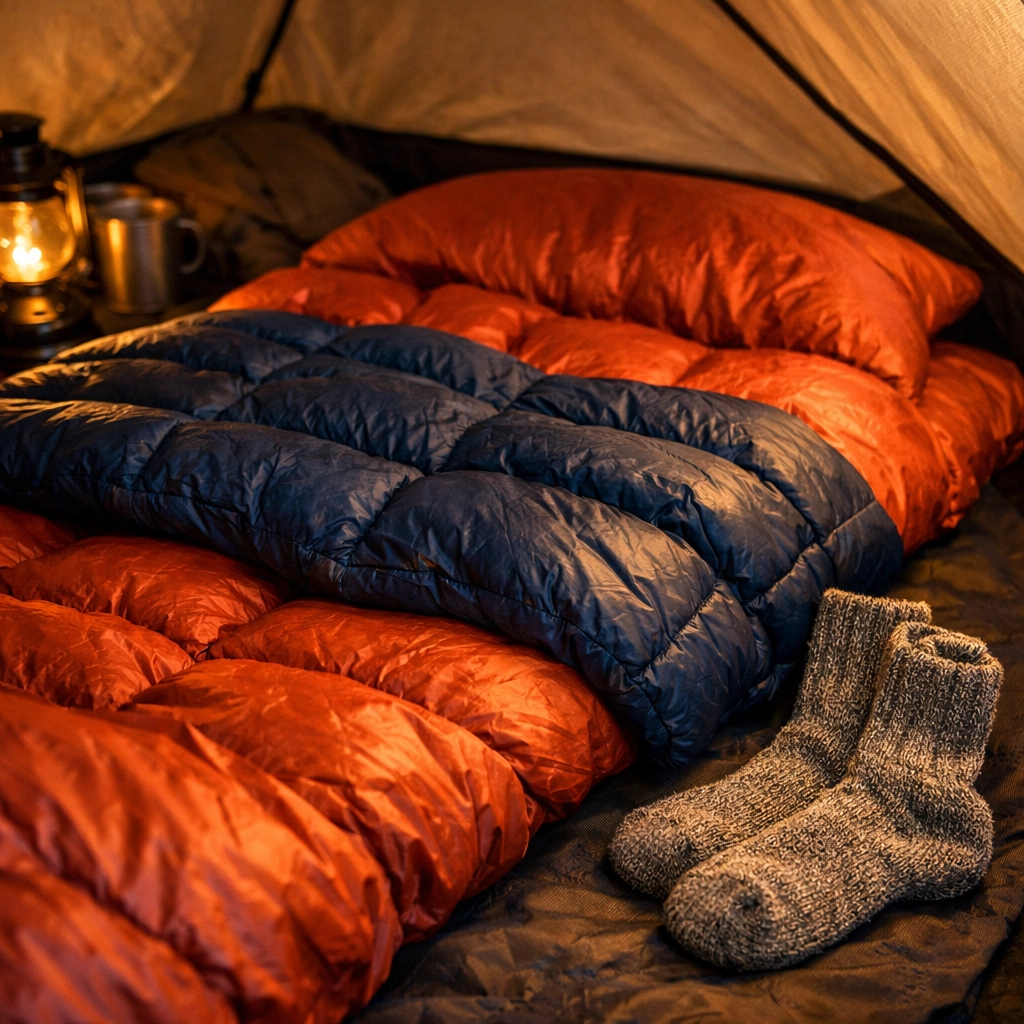
Don't wear your bulky waterproof jacket inside the bag. It stops your body heat from reaching the bag's insulation. Instead, drape your jacket over the top of the bag like a blanket. This adds an extra layer of protection without crushing the loft. Check out more outdoor survival skills to manage your layers better.
4. Your Sleeping Bag Isn't Rated for Your Conditions
Check the label on your bag. There are usually three ratings: Comfort, Limit, and Extreme. Beginners often look at the "Extreme" rating. This is a mistake. The extreme rating is for survival, not sleep. You will still be freezing.
The Fix:
Always look at the "Comfort" rating. If the overnight temperature in the Lake District is 2°C, you need a bag with a comfort rating of 0°C.
Give yourself a buffer. UK weather is unpredictable. If you are a "cold sleeper," choose a bag rated 5 degrees lower than the expected temperature. If your bag is too light, use a liner. A silk or fleece liner can add several degrees of warmth.
5. You're Not Using Your Hood and Drawcords Effectively
You lose a lot of heat through your head. Your sleeping bag has a hood for a reason. If you leave it open, your bag acts like a chimney. Warm air rises out of the top. Cold air sinks in.
The Fix:
Pull the hood over your head. Tighten the drawcords until only your nose and mouth are visible. This creates a seal. It keeps the warm air trapped around your shoulders.
If you feel claustrophobic, use the neck collar. Most technical bags have an internal baffle. Snap it shut around your neck. This stops the "bellows effect" when you move. Wear a beanie hat as well. This is a simple way to stay warm.
6. Your Sleeping Bag Is Getting Wet or Damp
Condensation is the enemy of warmth. In the UK, the air is humid. As you breathe, you release moisture. This moisture hits the cold tent walls and turns into water. If your sleeping bag touches the tent wall, it soaks up that water.
The Fix:
Pick a good spot to pitch. Avoid hollows where damp air settles. Ensure your tent has good ventilation. Open the vents, even if it is cold. This allows moisture to escape.
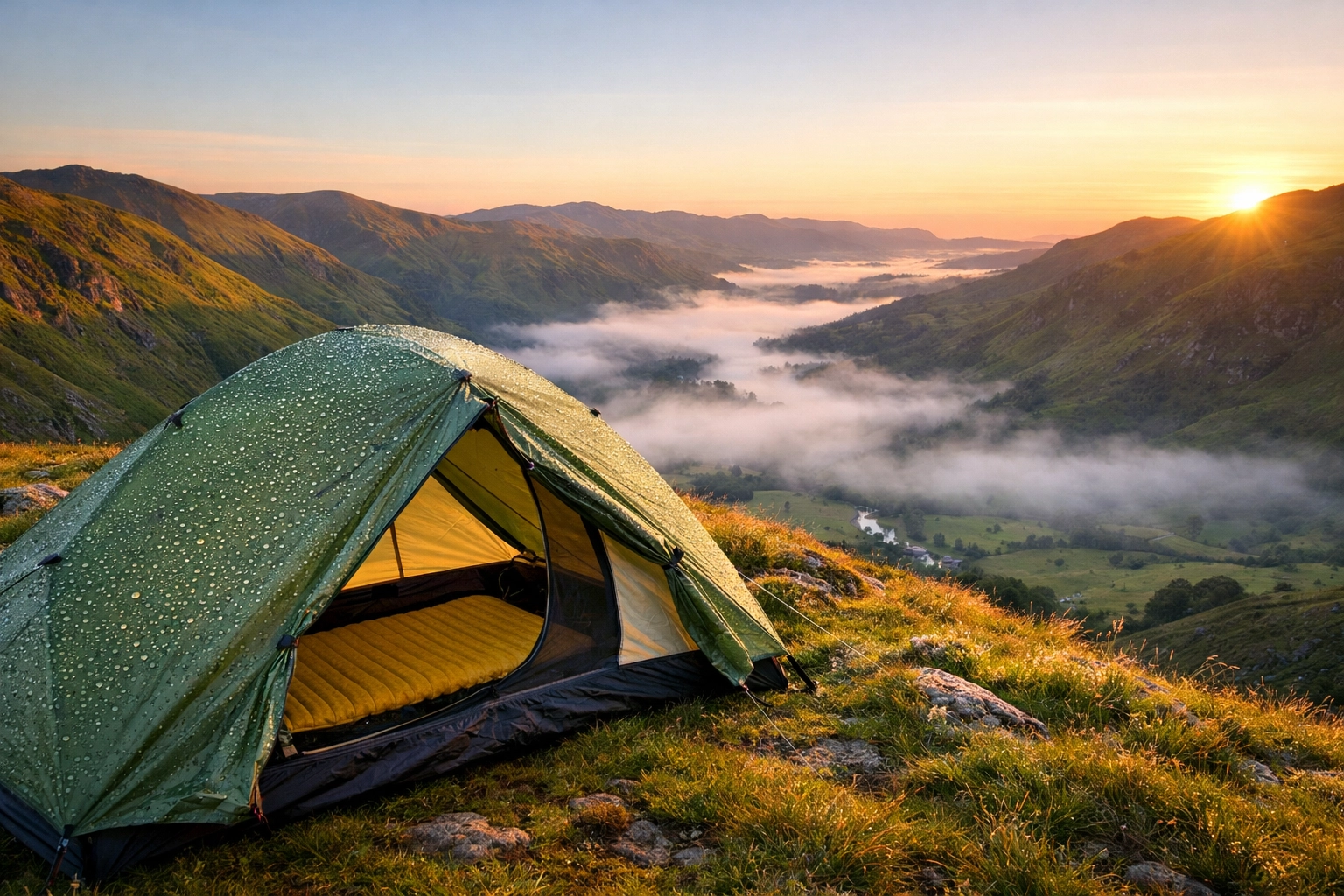
Use a bivvy bag if you are wild camping in a single-skin tent. It acts as a waterproof shield for your sleeping bag. Keep the foot of your bag away from the tent fabric. You can place your empty rucksack between your feet and the tent wall to create a buffer.
7. There Are Drafts in Your Sleeping Area
Wind strips away heat. Even inside a tent, a breeze can find its way through the mesh. This is especially true on high-ground guided hiking tours uk. If you feel a draft, you will not stay warm.
The Fix:
Pitch your tent with the narrowest or lowest end facing the wind. Use your gear to block gaps. Line your rucksack and boots up against the side of the tent where the wind is hitting.
If you are using a tarp, pitch it low to the ground. Create a "lean-to" shape to deflect the breeze. Inside the tent, make sure your sleeping bag is fully zipped. Check that the zip baffle: the padded strip behind the zipper: is tucked in place.
8. You're Not Wearing Thermal Layers
Cotton is a killer in the outdoors. It absorbs water and stays cold. If you are wearing cotton leggings or a T-shirt to bed, you will struggle. You need materials that work with your body.
The Fix:
Invest in high-quality thermals. Look for synthetic polyester or merino wool. These materials wick sweat away from your skin. They keep you dry.
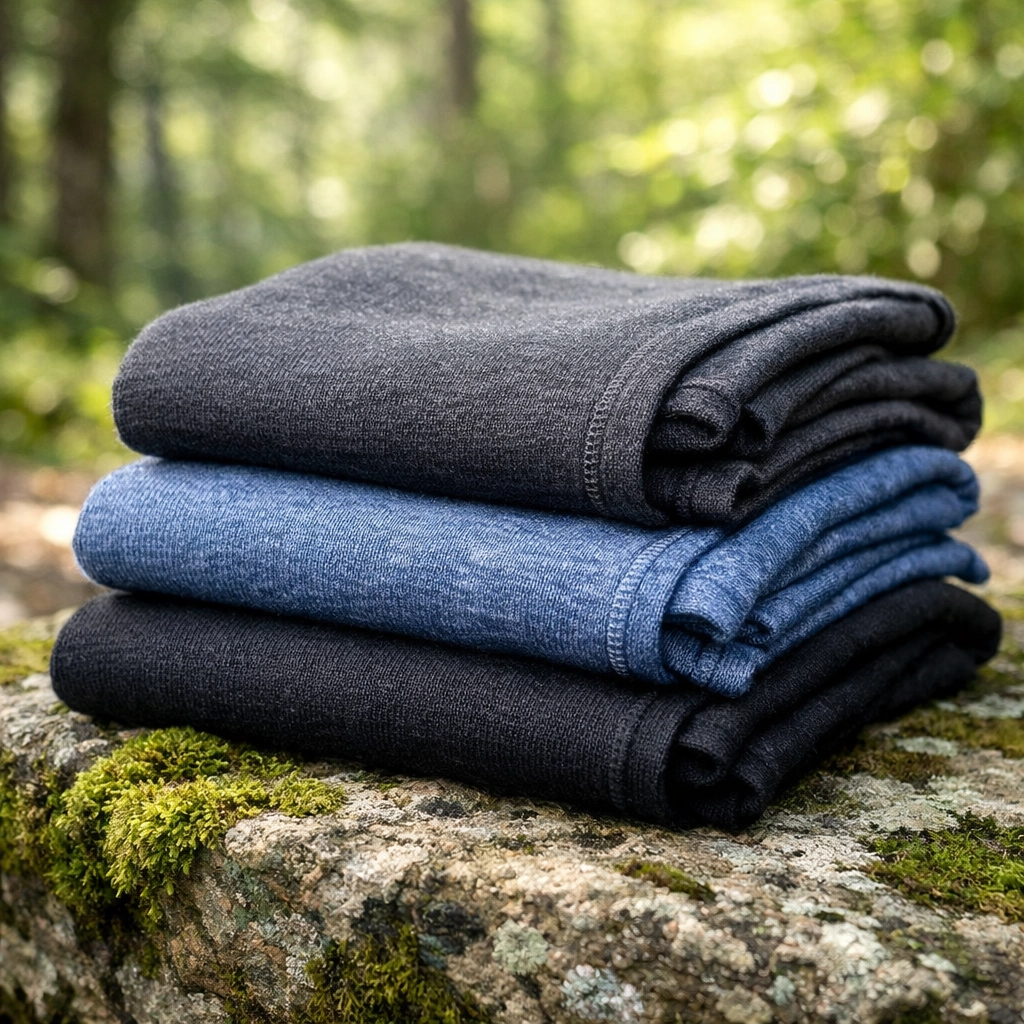
Wear thermal leggings, a long-sleeved top, and thick wool socks. Make sure the socks are not too tight. If they are tight, they restrict blood flow. Restricted blood flow leads to cold feet. Keep your "sleep socks" in your sleeping bag so they are warm when you put them on.
9. You're Not Using Additional Warmth Aids
Sometimes the gear isn't enough. You need a boost. Don't wait until you are shivering to act. Pre-heat your environment.
The Fix:
Use a hot water bottle. If you don't have one, use a leak-proof Nalgene bottle. Fill it with hot (not boiling) water. Wrap it in a spare sock. Put it in your sleeping bag 10 minutes before you get in. Place it near your femoral arteries (between your thighs) or at your feet.
Use chemical hand warmers for your toes. Place reflective foil mats under your sleeping pad. These are cheap and light. They reflect your body heat back to you instead of letting it vanish into the ground.
10. You're Overheating and Losing Sleep Quality
This sounds wrong, but it is true. If you wear too many layers, you might sweat. Once you stop moving and the sweat cools, you get a "flash chill." You wake up damp and freezing.
The Fix:
Start with fewer layers. If you feel slightly cool when you first get in, that is okay. Your body will heat the bag within 15 minutes.
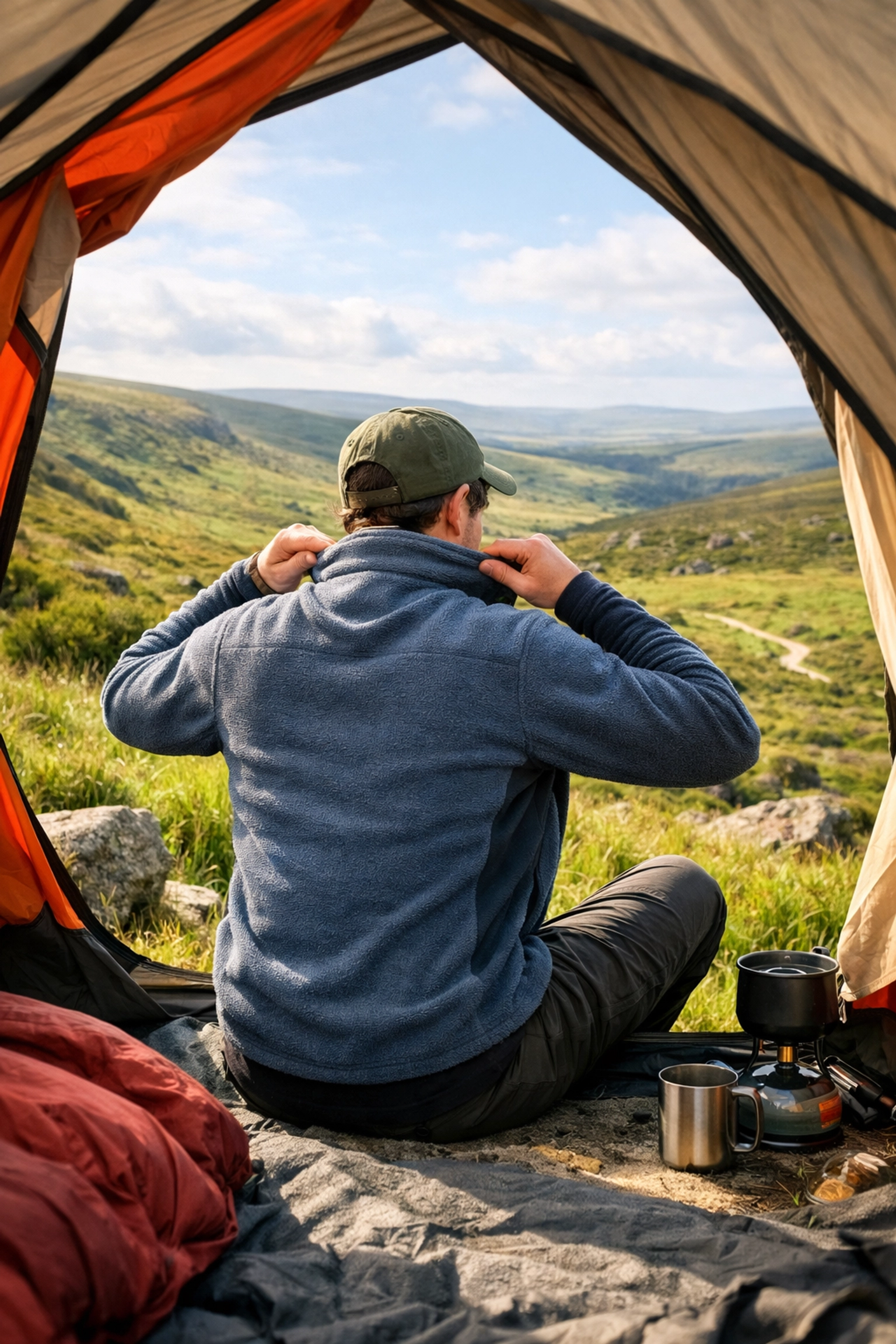
If you wake up sweating, strip a layer immediately. Do not wait. Use the "venting" method. Open the bottom of your sleeping bag zip to let some air in. It is much easier to stay warm than to get warm once you are wet. Mastering this balance is key to outdoor survival skills.
Summary of Warmth Fixes
| Problem | Quick Fix |
|---|---|
| Cold Ground | Use an R-value 4+ mat or double up with foam. |
| Damp Clothes | Change into 100% dry "sleep only" thermals. |
| Cold Head | Pull the hood tight and wear a wool beanie. |
| Drafts | Pitch your tent tail-to-wind and use gear as a windbreak. |
| Cold Feet | Wear loose wool socks and use a warm water bottle. |
Fuel Your Internal Heater
Don't forget your internal furnace. Your body needs calories to produce heat. Eat a high-fat, high-protein snack before bed. A piece of chocolate or some nuts will keep your metabolism running through the night. Drink something warm, but avoid too much water. Getting out of a warm bag to pee at 2 AM is the fastest way to lose all your heat.
If you are unsure about your setup, join us. We offer guided hiking tours uk where we teach these skills in the field. You will learn by doing.
Check your gear list today. Replace any cotton with wool. Buy a higher R-value mat. Test your sleeping bag in the garden before your next big trip. Proper preparation ensures you wake up refreshed and ready for the trail.
Go to your gear cupboard, inspect your sleeping mat's R-value, and plan your next cold-weather practice night.