
Welcome to your next adventure. You want to explore the British wilderness. You want to feel the rain and smell the pine. A wild camping guided UK trip is the best way to start. You will learn the basics quickly. You will master the tent. You will master the stove. But what about the unexpected? You need more than just standard gear. You need creativity. These 25 skills will change how you survive. They are simple. They use what you have. They keep you safe and comfortable. Let’s get started.
1. The Pencil Sharpener Tinder Hack
Carry a small manual pencil sharpener. Find a dry twig. Sharpen the twig like a pencil. Collect the wood shavings. These thin curls catch fire instantly. They work better than big sticks. Keep the sharpener in your pocket. Use it when the ground is damp.
2. Hand Sanitizer Fire Starter
Check your bag for hand sanitizer. It must have high alcohol content. Squirt a small amount on your tinder. Light it with a spark. The gel burns blue and hot. It stays in place on the wood. It works even in the wind. This is a vital camping adventure uk tip.
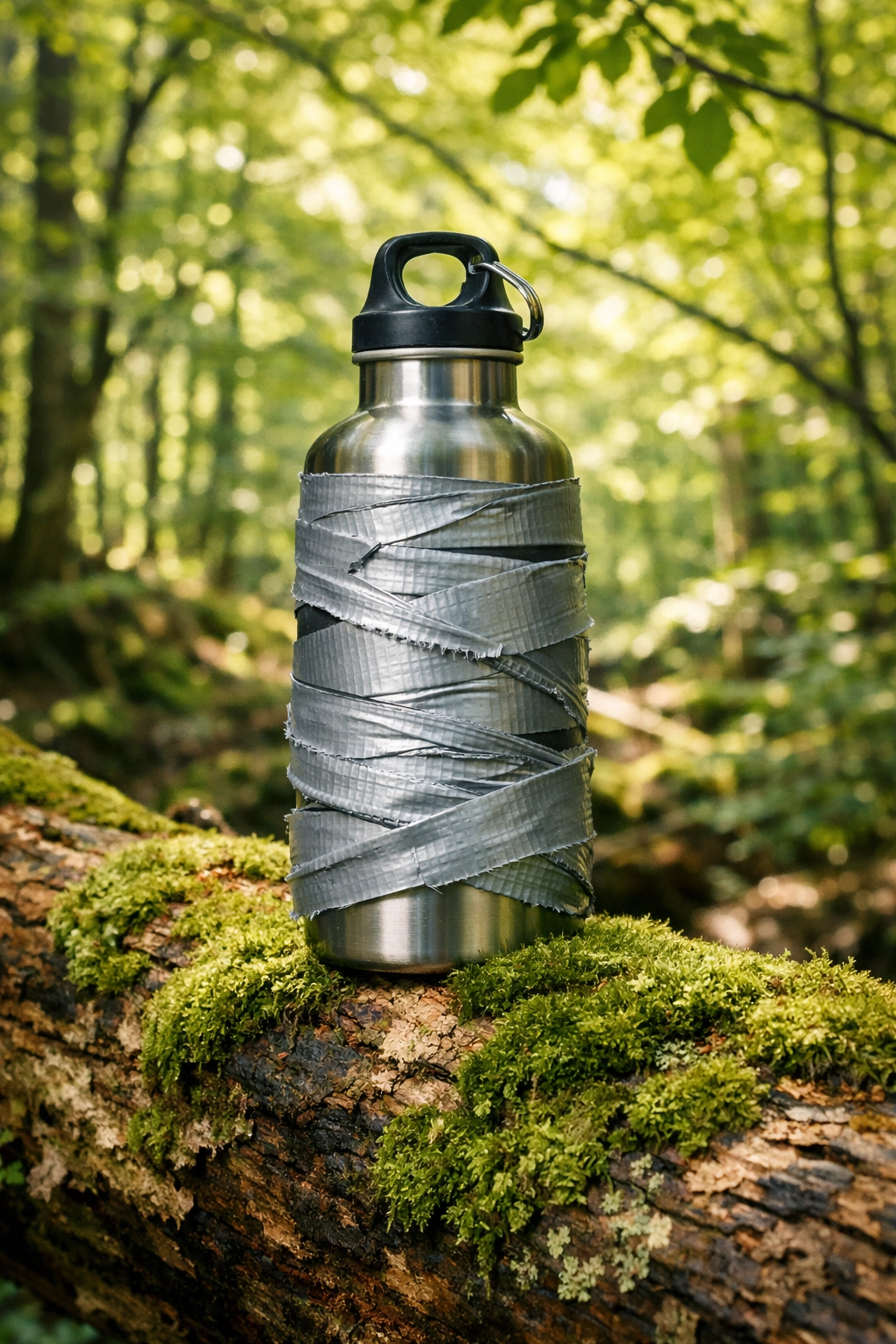
3. Duct Tape Water Bottle Wrap
Do not carry the whole roll of duct tape. Wrap several feet around your water bottle. It saves space. Peel it off when you need it. Fix a ripped tent. Patch a hole in your jacket. Use it as a temporary bandage. It is the most versatile tool in your kit.
4. Dorito or Potato Chip Fuel
Open a bag of greasy corn chips. Light one with a match. The high fat and oil content make them burn. One chip burns for over a minute. Use a handful to get your logs going. It is a snack and a survival tool. Eat some and save some.
5. The Condom Water Carrier
Carry a non-lubricated condom in your first aid kit. It can hold up to two liters of water. Place it inside a sturdy sock first. Fill it slowly at a stream. The sock prevents the rubber from popping. It is a lightweight emergency canteen.
6. Tampon Fire Tinder
Tinder needs to be dry and fluffy. Pull a tampon out of its wrapper. Pull the cotton fibers apart. It creates a massive amount of highly flammable material. One tampon can start several fires. It stays dry inside the plastic wrap. This is a classic outdoor survival skill.
7. Pine Resin Glue
Look for pine trees with sticky sap. Collect the resin in a tin. Heat it over your fire. Mix in a little crushed charcoal from the embers. This creates a strong, waterproof glue. Use it to fix your boots. Use it to seal a leaking container. It sets hard as it cools.
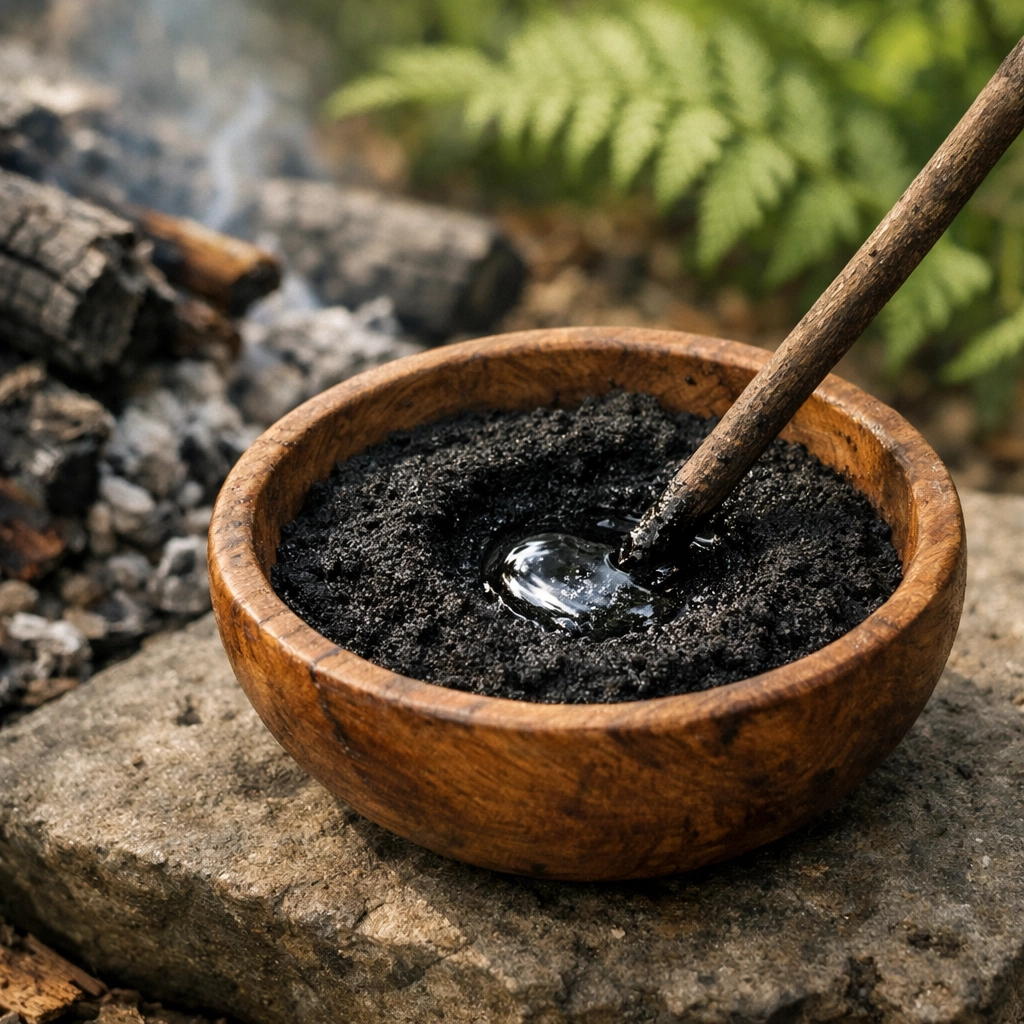
8. Charcoal Toothpaste
Forget your toothbrush? Take a piece of cold charcoal from your fire. Crush it into a fine powder. Mix it with a tiny bit of water. Rub it on your teeth with a finger. It is abrasive and antibacterial. Rinse thoroughly with clean water. Your mouth will feel fresh.
9. Ash Soap for Pots
Cleaning greasy pots in the wild is hard. Take cold white ash from the fire pit. Mix it with a few drops of water to make a paste. The ash reacts with the fat in the grease. It creates a natural soap. Scrub the pot and rinse. It is free and effective.
10. Inner Bark Cordage
Find a fallen willow or lime tree. Peel the outer bark away. Strip the long fibers from the inner bark. Twist two strands together. Keep adding more fibers as you go. You now have strong rope. Use it to lash branches. Use it to hang your food.
11. The Stone Boiling Method
You have a wooden bowl but no metal pot. You need hot water. Heat several smooth stones in the fire. Use tongs or sticks to move a stone into your water. The water will boil instantly. Swap the stones as they cool. This is ancient technology.
12. Birch Bark Containers
Identify a birch tree. Peeling bark is easy. Do not cut live trees. Use fallen ones. Fold a rectangular piece of bark into a box shape. Pin the corners with small twigs. You now have a bowl for berries. It is naturally waterproof and durable.
13. Tick Removal with Tape
Check your legs for ticks often. Found one? Do not pull it with your fingers. Use a piece of the duct tape from your bottle. Press it firmly over the tick. Pull it back quickly. The tick often comes away with the tape. Check the site for the head.
14. The Analog Watch Compass
Wear a traditional watch. Point the hour hand at the sun. Find the point halfway between the hour hand and the 12 o'clock mark. That direction is South. This works in the Northern Hemisphere. It is a reliable navigation skill for any hiker.
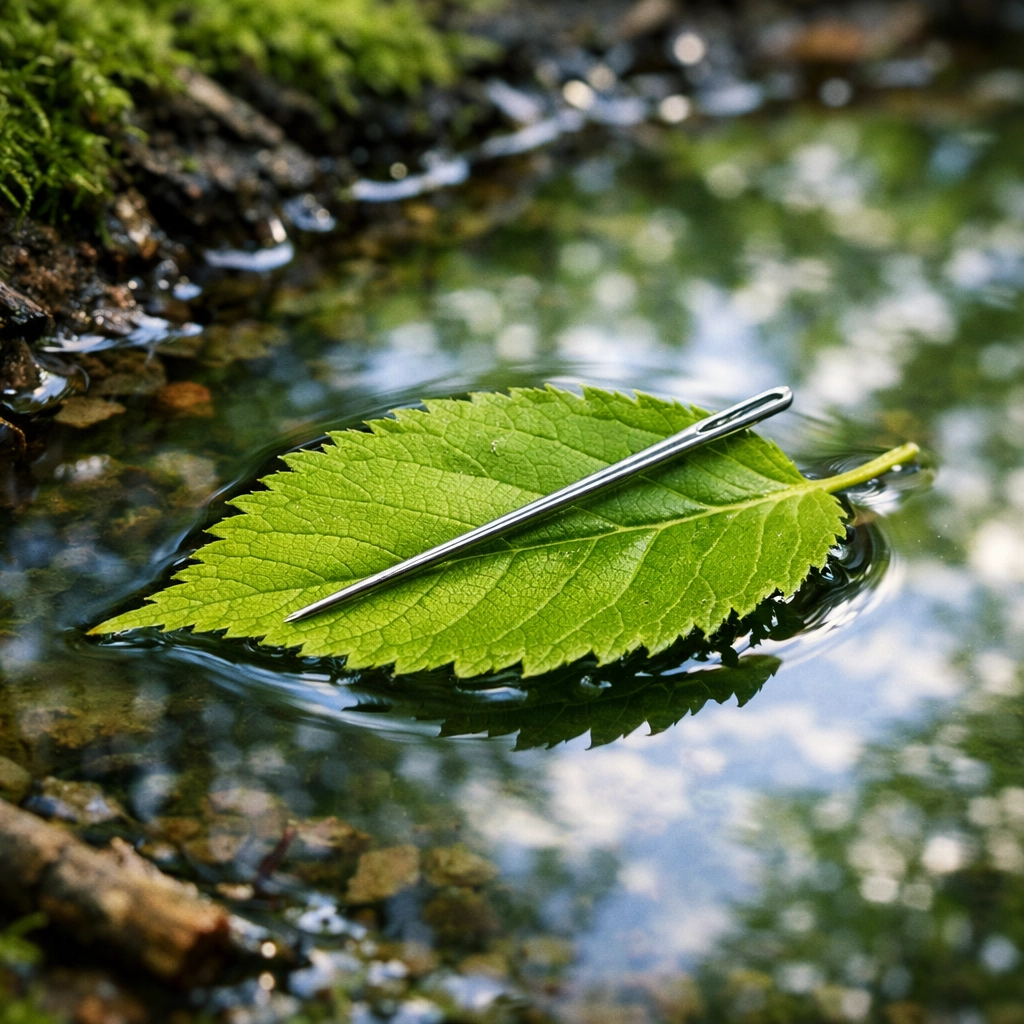
15. The Floating Needle
Rub a sewing needle against your magnet. Or rub it through your hair 50 times. Place the needle on a small leaf. Float the leaf in a still puddle of water. The needle will rotate. It will point North and South. Use it to double-check your path.
16. Moss Insulation
The ground is cold. Your sleeping mat is thin. Gather dry moss from the forest floor. Pile it thick under your tent floor. Or stuff it inside your jacket if you are freezing. It creates air pockets. It traps your body heat. Ensure the moss is truly dry.
17. Signaling with a Phone Screen
Your phone is dead. The screen is still a mirror. Hold the phone near your eye. Extend your other arm and make a "V" with your fingers. Aim the "V" at a passing plane or distant hiker. Reflect the sun through the "V". This creates a targeted signal.
18. Sage Smudge for Bugs
Mosquitoes hate sage. Find wild sage or bring dried leaves. Toss them onto the edge of your fire. The smoke will drive insects away. It smells better than chemical spray. Use it around your seating area. Keep the smoke light.
19. Spider Web Bandages
Find a clean spider web. Avoid webs with dirt or dead flies. Ball the web up. Place it directly on a small cut. The web has natural clotting properties. It helps stop the bleeding. It also has mild antibiotic effects.
20. Listening to Bird Alarms
Sit still in the woods. Listen to the birds. They have specific calls for danger. A sudden loud chirping means a predator is near. It might be a fox or a person. Use the birds as your early warning system. Learn the difference between a song and a scream.
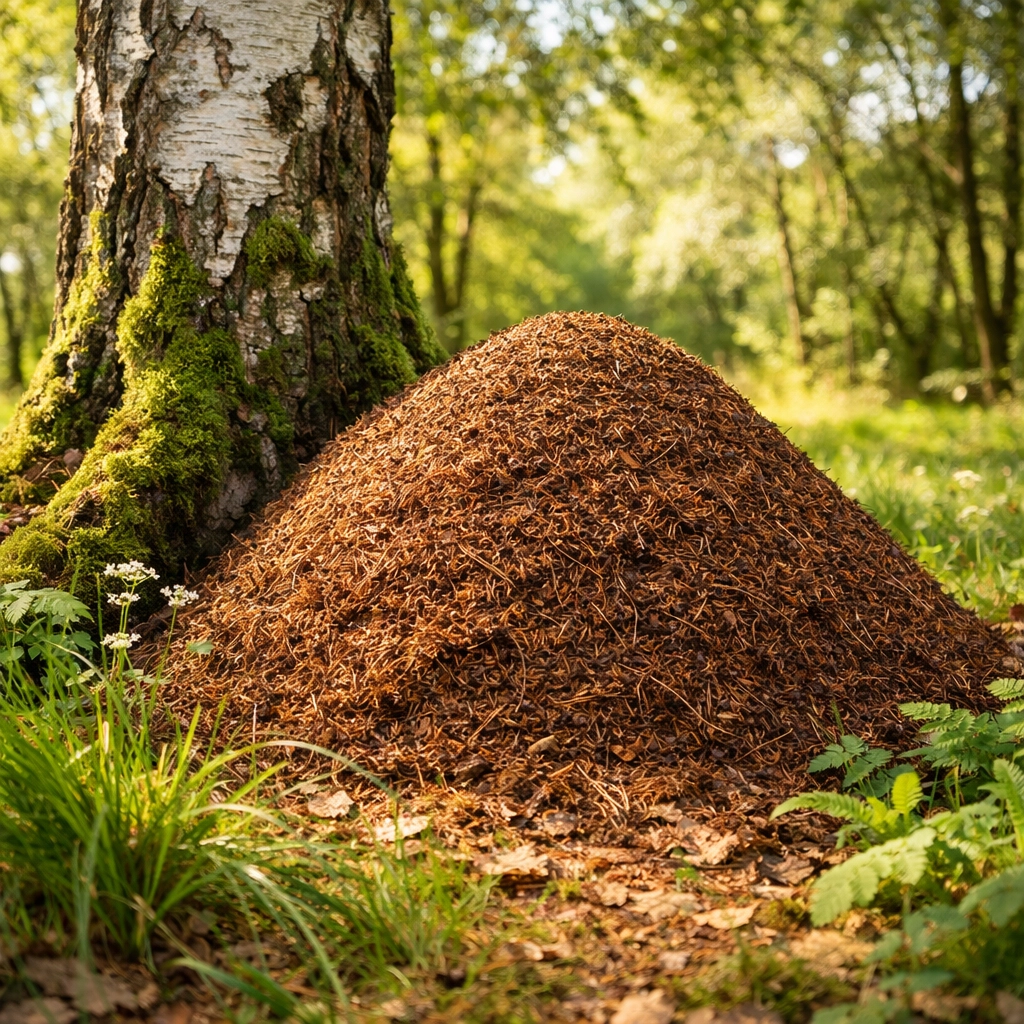
21. Ant Hill Direction
Look for a large ant hill. Most ant hills in the UK are built on the south side of trees or slopes. They want the maximum sun exposure. If you are lost, check several hills. They give you a rough idea of where South is. Combine this with other signs.
22. Star Finding: The Big Dipper
Look up on a clear night. Find the Big Dipper. Look at the two stars at the end of the "cup." Follow the line they make upward. The next bright star you hit is Polaris. That is North. It never moves. Use it to navigate at night.
23. Stone Warming
The night is freezing. Heat a large, flat stone in your fire. Do not use wet stones from a river; they can explode. Wrap the warm stone in a spare shirt. Place it at the bottom of your sleeping bag. It will keep your feet warm for hours.
24. Dental Floss Repairs
Pack a roll of dental floss. It is much stronger than regular thread. Use it to sew a broken backpack strap. Use it to fix a boot sole. You can even use it as an emergency fishing line. It takes up almost no space in your pack.
25. The Wind Direction Trick
You need to know where the wind is coming from. Lick your pointer finger. Hold it up in the air. The side that feels cold is the side the wind is hitting. Use this to position your fire. Always keep the wind at your back when starting a flame.
Level Up Your Journey
You now have 25 new tools in your mental kit. These skills make you a better explorer. They prepare you for a wild camping guided UK adventure. You don't need to be an expert to start. You just need to be curious.
Ready to test these skills in the real world? Check out our upcoming guided hiking tours UK for 2026. Join a group of like-minded people. Learn from pros. Experience the wild safely.
Pick one skill from this list and practice it in your garden today.