
Welcome to the wild. You are here because you love the outdoors. You want to master the basics. The UK weather is unpredictable. You need to be ready. This guide covers the four pillars of survival. Fire, water, shelter, and food. Follow these steps. Stay safe. Have a great time. This is your ultimate camping adventure uk.
1. Fire: Your Source of Life
Fire is your best friend. It provides warmth. It dries your wet socks. It boosts your mood. In the UK, everything is often damp. You must know how to start a fire in the rain.
Master the Tools
Forget the cheap lighter. It will fail when wet. Buy a ferrocerium rod. It produces hot sparks. These sparks work in any weather. Carry waterproof matches as a backup. Pack a small tin of lint or cotton wool soaked in petroleum jelly. This is your secret weapon. It catches fire instantly.
Build the Structure
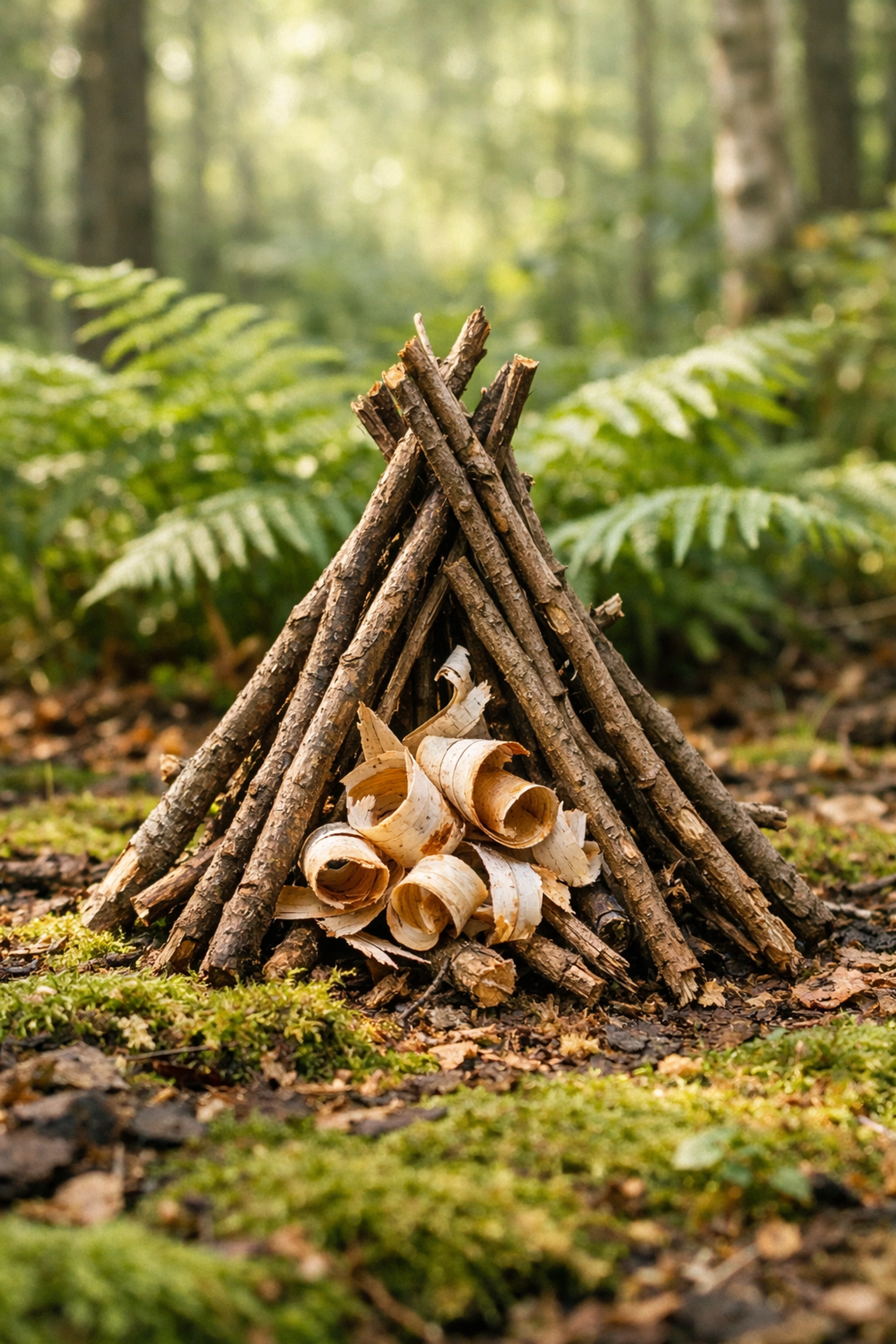
Do not just throw logs in a pile. Clear the ground. Find dry wood. Look under thick pine trees. The lower branches are often dry. Break them off. Sort your wood into three sizes. Tinder is thin like hair. Kindling is thick like a pencil. Fuel is thick like your wrist.
The Lighting Process
Place your tinder on a dry bark platform. Hold your ferro rod close. Scrape it hard. Aim the sparks into the center. Watch for smoke. Blow gently. Do not rush. Once it flames, add kindling slowly. Create a teepee shape. Let the air flow. Add larger fuel once the core is hot. Always keep a spare pile of dry wood nearby. Check out more essential survival skills for your next trip.
Fire Safety
The UK has many peat bogs. Never build a fire on peat. It can burn underground for weeks. Use a fire pit or a raised stand. Keep water nearby. Extinguish the fire completely before you sleep. Leave no trace.
2. Water: Stay Hydrated
You can go weeks without food. You can only go days without water. The UK has plenty of rain. Finding it is easy. Making it safe is the hard part.
Locate Your Source
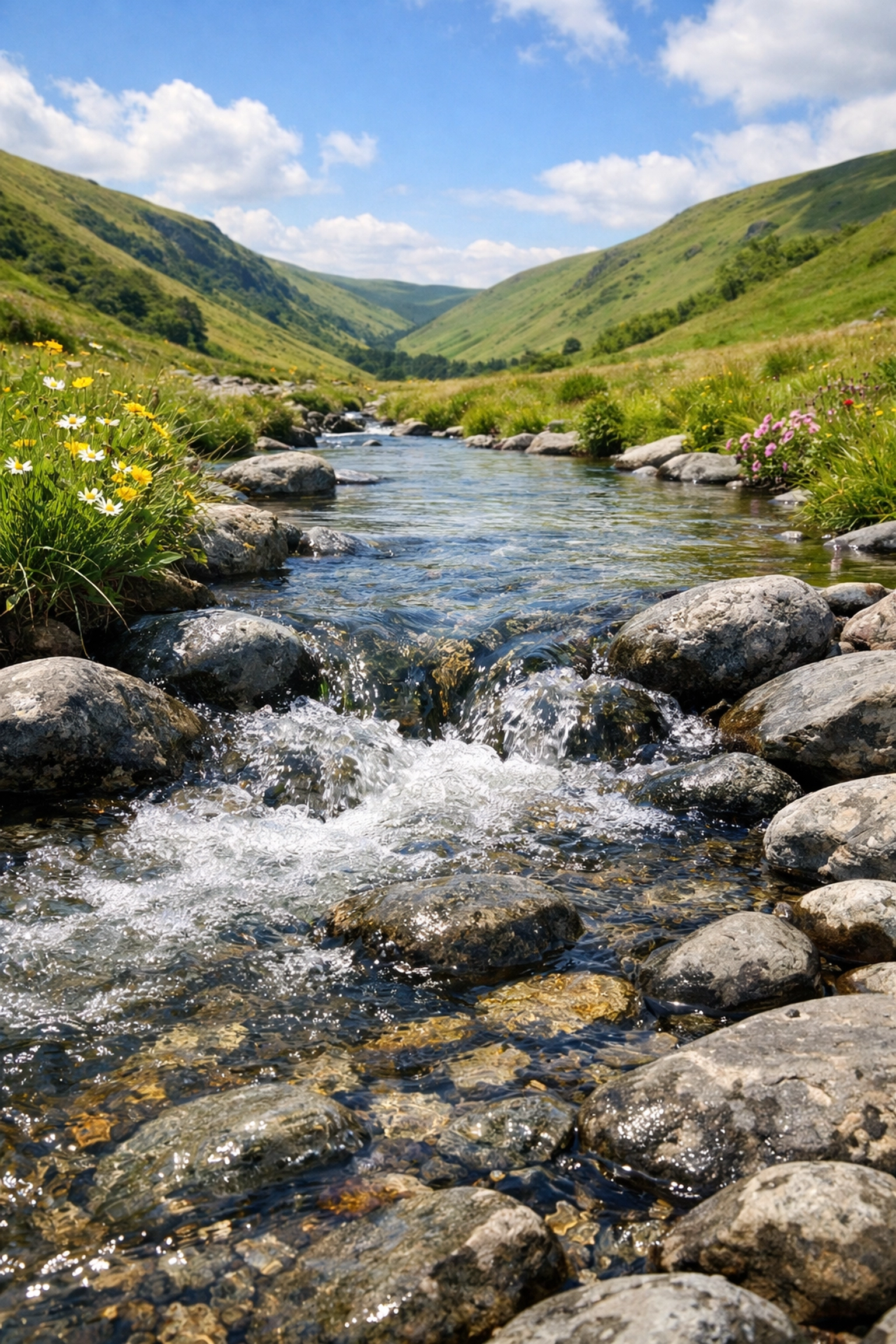
Look for moving water. Streams and rivers are best. Avoid stagnant ponds. Look for clear water. Check upstream. Make sure there are no dead animals or heavy farming nearby. Use a map to find high-altitude springs. These are often the cleanest sources for your wild camping guided uk experience.
Purify Everything
Never drink raw water. Even clear streams have bacteria. Sheep are everywhere in the UK hills. Their waste carries parasites. You have three main options for purification.
- Boiling: This is the most reliable. Bring water to a rolling boil. Keep it boiling for at least one minute.
- Filters: Use a portable squeeze filter or a gravity bag. These remove most bacteria and protozoa.
- Chemicals: Use chlorine or iodine tablets. They are light and easy. They take about 30 minutes to work.
Learn more about wild camping secrets to stay safe.
Collect Rainwater
Use your tarp. Tilt it toward a container. Rainwater is usually safe to drink immediately. It saves time and fuel. Always have a full bottle before the sun goes down.
3. Shelter: Your Protection from the Elements
The UK wind is relentless. The rain can be heavy. Your shelter is your cocoon. It keeps your body heat inside.
Choose the Right Spot
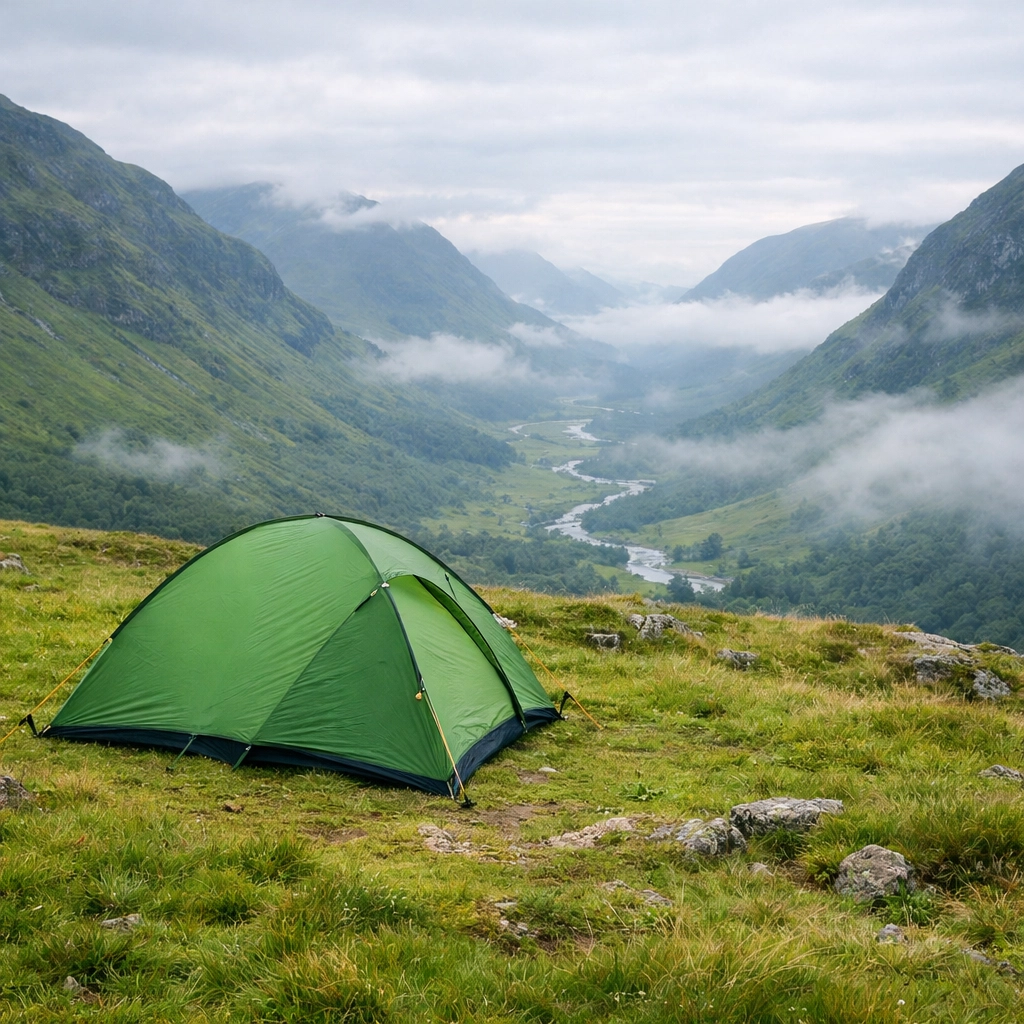
Location is everything. Avoid the bottom of valleys. Cold air settles there. Avoid the very top of ridges. The wind will destroy your tent. Find a flat spot in the middle. Look up for "widow-makers." These are dead branches that might fall. Check the ground for drainage. Do not pitch your tent in a dip. You will wake up in a puddle.
Natural and Man-Made Options
A good tent is worth the money. If you want to go light, use a tarp. A tarp allows you to feel the nature around you. Learn the A-frame pitch for rain. Use the lean-to pitch for wind protection. If your gear fails, build a debris shelter. Use fallen branches for a frame. Cover it with thick layers of leaves and moss. It must be thick enough to shed water.
Insulation is Key
The ground sucks the heat from your body. This is called conduction. Never sleep directly on the earth. Use a foam mat or an inflatable pad. If you have nothing, use a thick layer of dry ferns or pine needles. This layer keeps you warm. Mastery of shelter is one of the top 10 survival skills you need.
4. Food: Fuel for the Journey
Hiking burns thousands of calories. You need to replace them. Food keeps your internal fire burning. It helps you stay warm at night.
Plan Your Meals
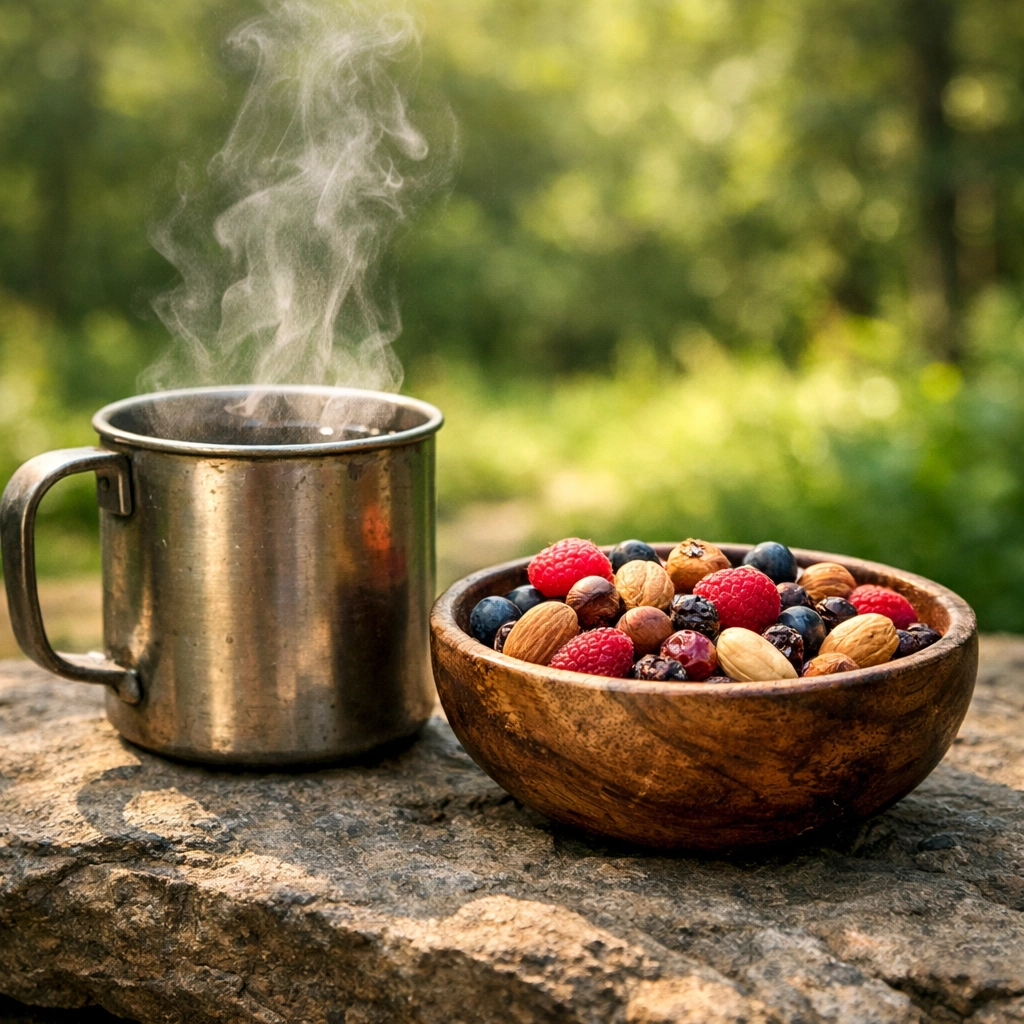
Bring high-calorie foods. Think nuts, chocolate, and cheese. Dehydrated meals are great for weight saving. Just add boiling water. Bring a small stove. A hot meal at the end of a long day is a massive morale boost.
Foraging Basics
Do not rely on foraging. It takes a lot of energy for little reward. However, knowing the basics is helpful. Look for wild garlic in the spring. Find blackberries in the autumn. Only eat what you can identify with 100% certainty. Many UK plants are toxic. If in doubt, leave it out. Check this beginner's guide for more tips.
Protect Your Supplies
Keep your food sealed. The UK has clever crows and hungry foxes. They will tear your bag for a snack. Hang your food from a tree or keep it inside a tough dry bag. Never eat inside your sleeping area. Crumbs attract unwanted visitors.
Putting It All Together
Survival is about a clear head. Practice these skills before you need them. Go to your local woods. Try lighting a fire in the rain. Set up your tarp in the wind. The more you practice, the more you will enjoy your camping adventure uk.
Essential Kit List
- Ferrocerium rod and tinder.
- Water filter or purification tablets.
- Quality tarp or lightweight tent.
- Insulated sleeping mat.
- High-calorie food packs.
- First aid kit.
- Map and compass.
You might make mistakes. That is okay. Every mistake is a lesson. If you feel unsure, consider a guided wild camping trip. Professionals can show you the ropes in a safe environment.
Final Tips for the UK Wilds
The weather changes in minutes. Always have your waterproofs at the top of your bag. Tell someone where you are going. Give them your expected return time. Respect the land. Follow the countryside code.
Your next adventure is waiting. The hills are calling. You have the knowledge. Now, you need the experience. Get your gear ready. Check your kit twice. Head out into the great British wilderness.
Go outside and test your fire-starting skills today.