
Hello, fellow adventurer. You are deep in the woods. Your stomach rumbles. You see a patch of green leaves. You think they look tasty. Stop right there. Foraging is a skill. It is not a guessing game. One wrong bite can end your trip. It can even be fatal. Most beginners make the same errors. You do not have to be one of them.
Foraging is a core part of any camping adventure UK. It connects you to the land. It provides fresh nutrients. But it requires discipline. This guide covers the common mistakes people make. Read it. Memorize it. Stay safe on your next trip.
The Danger of "Maybe"
Never eat a plant if you are only 90% sure. In foraging, 99% is a failing grade. You must be 100% certain. If you have any doubt, leave it alone. Many toxic plants look like edible ones. This is the "lookalike" trap.
White flowers are often a warning sign. The carrot family contains delicious plants. It also contains Hemlock. Hemlock is deadly. It looks like many edible herbs. One small piece can kill an adult. Do not take the risk. If you cannot identify the plant with total confidence, walk away.
Relying Solely on Apps
Technology is great. Your phone has a camera. You have an identification app. Do not trust it blindly. Apps make mistakes. They struggle with lighting. They miss tiny details on stems. They do not smell the plant. They do not feel the texture.
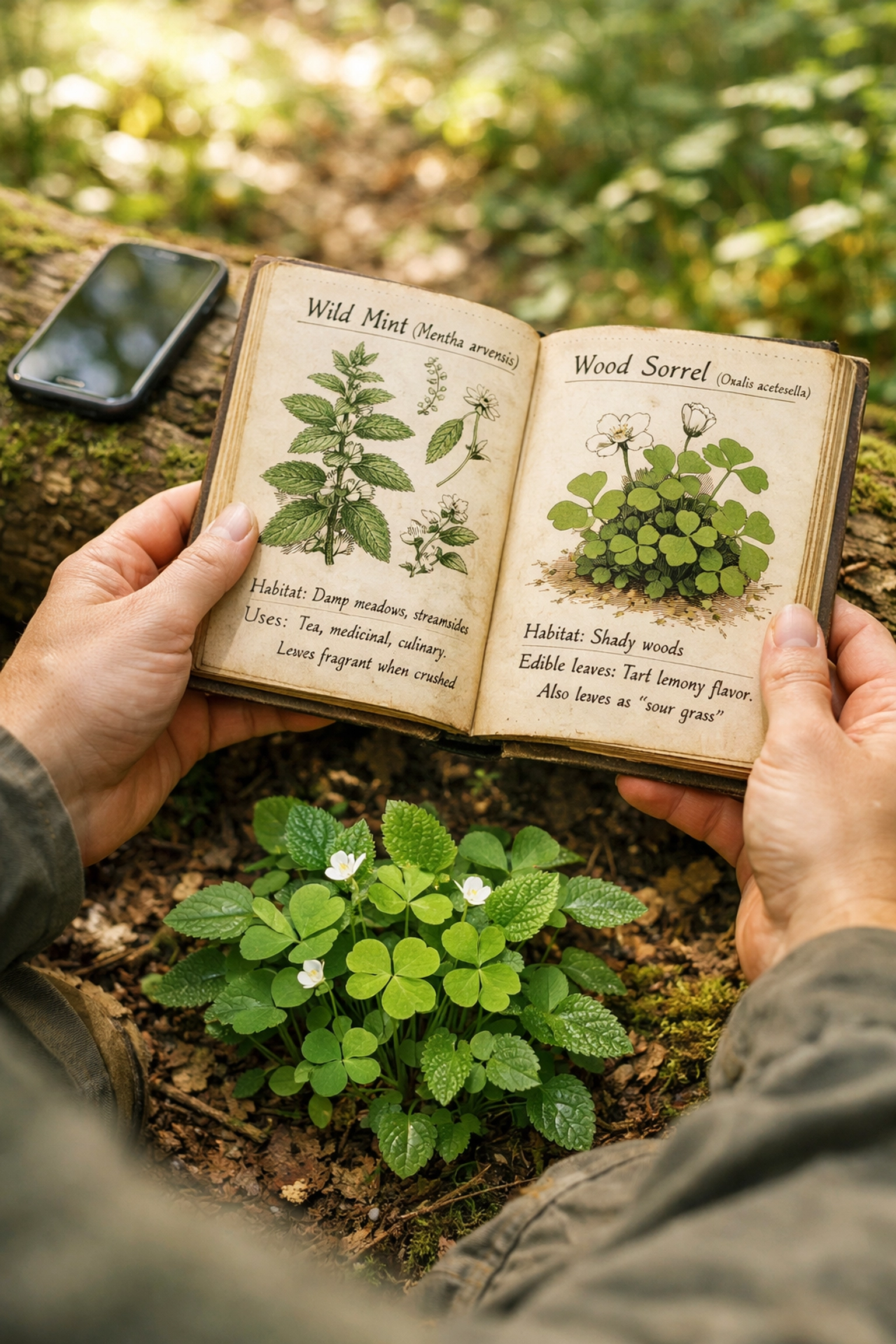
Use at least two physical field guides. Books do not run out of battery. They show different growth stages. They explain the habitat. Cross-reference everything. If the book says the plant grows in damp soil and you are on a dry hill, it is probably not the plant you think it is.
Foraging in the Wrong Places
Location matters. You found a patch of lush nettles. They are right next to a busy road. Do not pick them. Plants absorb toxins. They soak up exhaust fumes. They collect heavy metals from the tarmac.
Avoid the edges of farmer's fields. Farmers use pesticides. They use herbicides. These chemicals stay on the leaves. They soak into the roots. You do not want to eat poison. Avoid industrial sites too. Soil there is often contaminated.
Look for clean areas. Go deep into the woods. Find spots away from traffic. If you are on a wild camping guided UK trip, ask your guide for safe zones. They know the land. They know which areas are sprayed.
Breaking the Law
Foraging is not a free-for-all. The UK has laws. The Theft Act 1968 is the main one. You can pick the "four Fs" for personal use. These are fruit, foliage, fungi, and flowers. You cannot pick them for commercial gain. You cannot sell what you find.
Never uproot a plant. Taking the roots is illegal without the landowner's permission. It also kills the plant. This is bad for the environment. Some areas are protected. Sites of Special Scientific Interest (SSSI) have strict rules. Check the maps before you go. Respect the land. Follow the outdoor survival skills protocols.
The Greed Trap
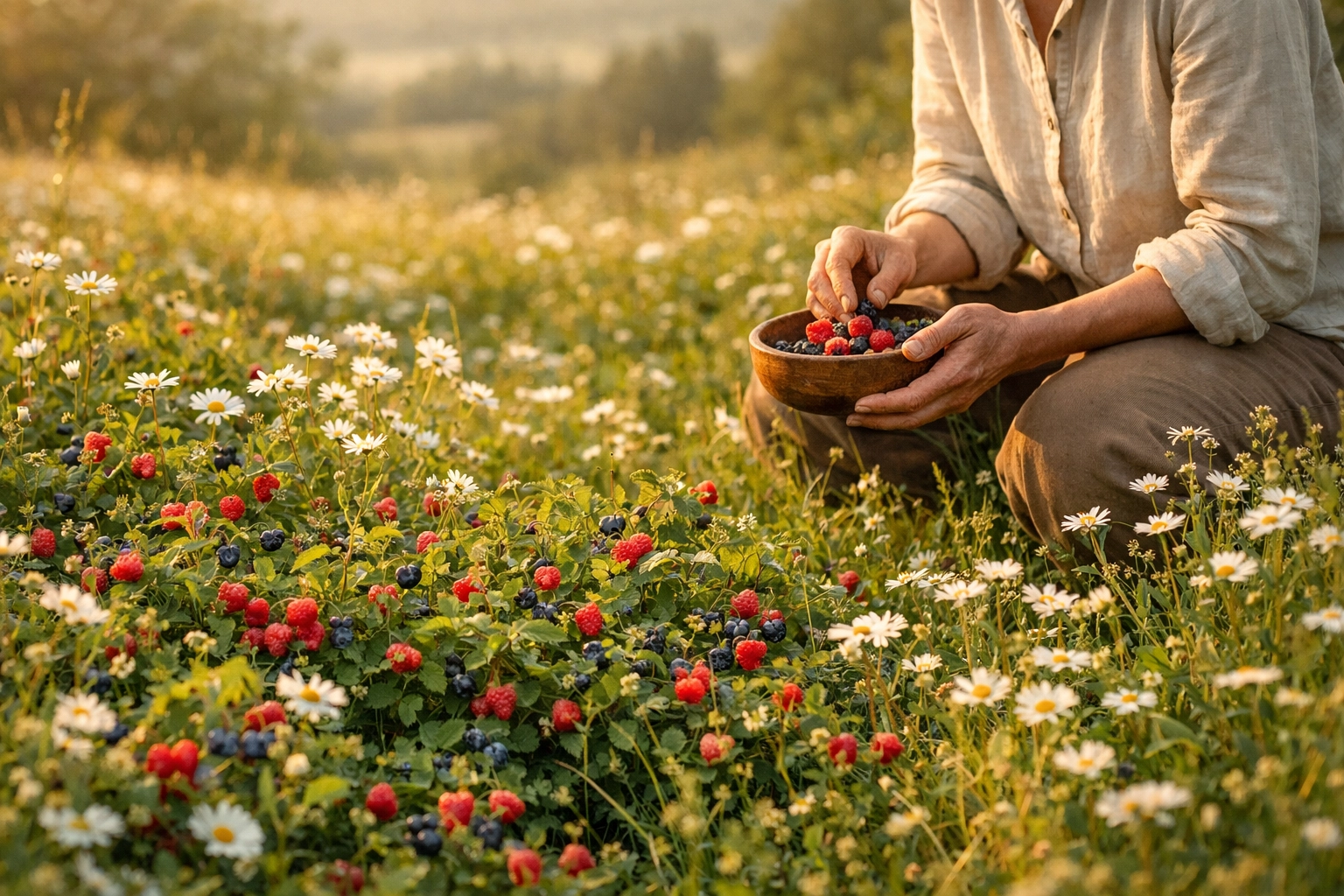
Sustainability is key. Do not clear a whole patch. If you take everything, the plant cannot return. The wildlife suffers. Birds need berries. Bees need flowers.
Follow the 1-in-20 rule. Only pick one piece for every twenty you see. If there is only a little bit, leave it. Move on to a more abundant source. This ensures the ecosystem stays healthy. It means there will be food for your next camping adventure UK.
Ignoring the Prep Work
You found safe plants. Now you must prepare them. Many people eat wild food raw. This is a mistake. Wild plants carry parasites. Animals pee on them. Slugs crawl over them. Slugs can carry lungworm.
Wash everything. Use clean water. If you are wild camping, boil your water first. Cook your greens. Heat kills most bacteria. It also breaks down tough fibers. Some plants, like nettles, must be cooked or dried to remove the sting. Do not skip this step. Foraging is about nutrition, not getting sick.
Eating Too Much Too Fast
Your body is not used to wild food. Modern diets are soft. Wild plants are powerful. They have high fiber. They have complex chemicals.
Try a small amount first. Eat one leaf. Wait 24 hours. Check for reactions. Do you have a stomach ache? Do you have a rash? If you feel fine, eat a little more the next day. Never try more than one new species at a time. If you get sick, you need to know which plant caused it. This is basic survival navigation and foraging logic.
Essential Foraging Gear
Don't go out empty-handed. You need the right tools.
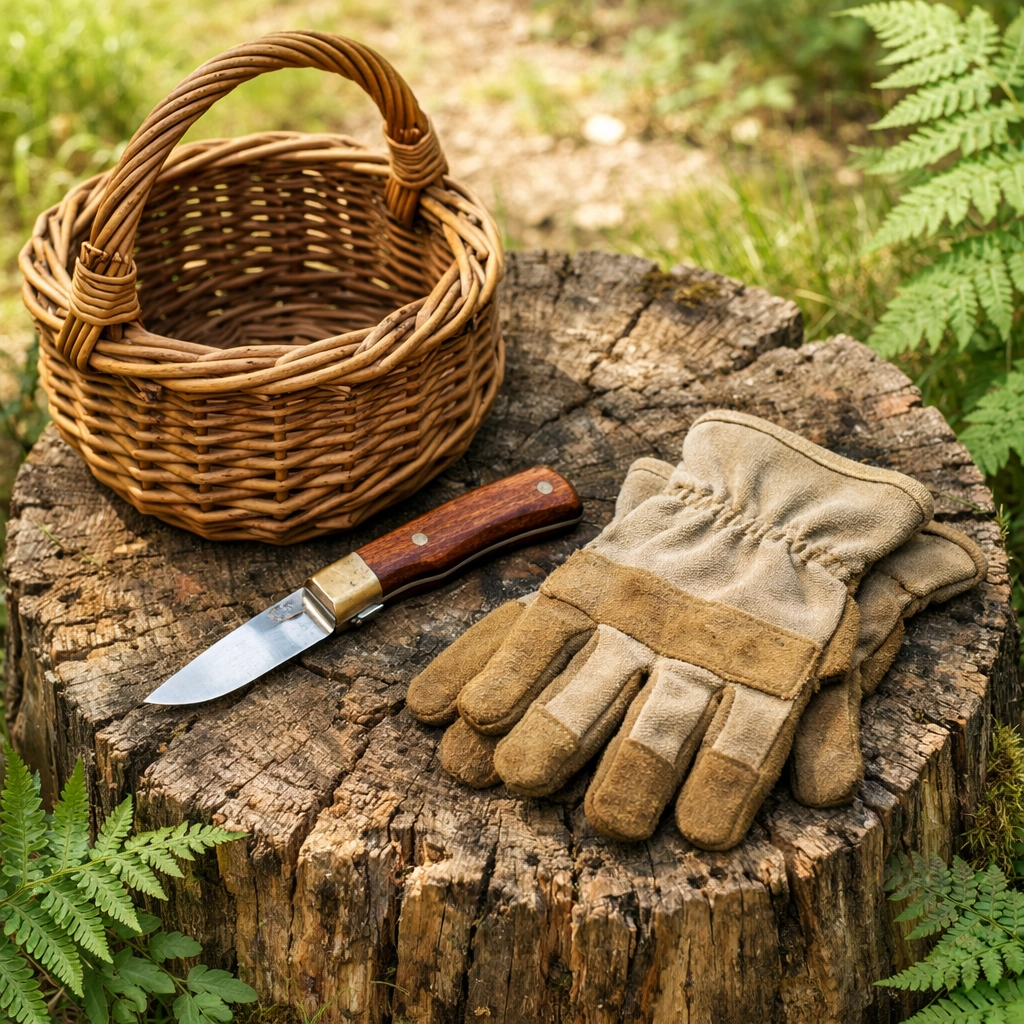
- A sharp knife: Use it to cut stems. Don't tear them. Tearing damages the plant.
- A basket or mesh bag: Plastic bags make plants sweat. They turn into mush. Mesh allows spores to drop back to the forest floor.
- Field guides: Carry two different ones.
- Gloves: Essential for nettles or thorny bushes.
- A magnifying glass: Check the underside of leaves. Look at the hairs on the stem.
Having the right gear makes you a better forager. It shows you take it seriously. It is part of mastering outdoor survival skills.
Why a Guide is Better
Learning alone is hard. It is also risky. Books are good, but a human expert is better. A guide shows you the plant in its actual environment. They let you smell it. They show you the lookalikes side-by-side.
Guided hiking tours UK provide a safe space to learn. You can ask questions. You can get immediate feedback. You gain confidence faster. You learn the nuances of the seasons. You find out what is tasty in April versus what is bitter in August.
Common UK Plants to Know (and Their Mistakes)
Wild Garlic (Ramsons)
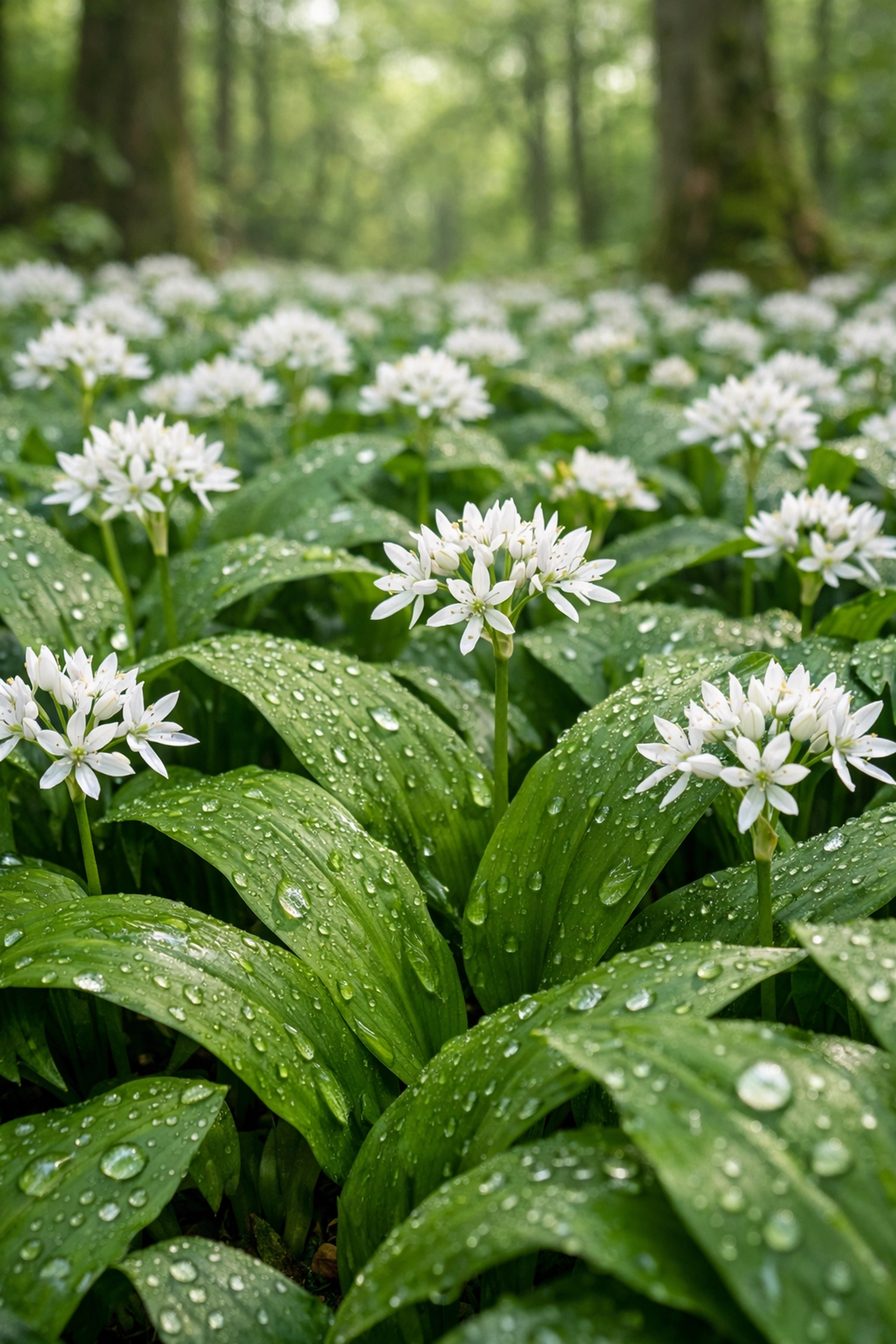
It smells like garlic. It grows in ancient woodlands. The mistake: Picking Lily of the Valley by accident. Lily of the Valley is poisonous. It does not smell like garlic. Always use your nose.
Stinging Nettles
They are everywhere. They are full of iron. The mistake: Picking them when they are in flower. Older nettles develop cystoliths. These can irritate your kidneys. Only pick the young, tender tops in spring.
Dandelions
Every part is edible. The mistake: Picking them from lawns treated with weedkiller. Also, don't confuse them with Cat's Ear. Cat's Ear is fine to eat but tastes different. Check the stems. Dandelion stems are hollow and smooth.
Hawthorn
The young leaves are called "bread and cheese." The mistake: Not checking for thorns. They are sharp. They can cause infection. Use scissors.
Final Safety Checklist
Before you swallow anything, run through this list:
- Have I identified this using two sources?
- Am I 100% certain of the ID?
- Is this area clean and away from roads?
- Is the plant healthy and free of mold?
- Is it legal to forage here?
- Have I taken only what I need?
- Do I have a plan to wash and cook it?
If you answer "no" to any of these, put the plant down.
Foraging is a journey. It takes years to master. Start small. Learn one plant a month. Practice your outdoor survival skills every time you go out.
Ready to level up? Don't do it alone. Join us for a wild camping guided UK experience. We will show you the ropes. We will keep you safe. We will turn your next walk into a feast.
Grab your boots. Get outside. Start with one plant today.