
Hello, Leticia. Ready to level up? Your next camping adventure UK is the perfect time to build your skills. Forget basic tent pitching. Real bushcraft makes the wild feel like home. It builds confidence. It keeps you safe. Most importantly, it is fun.
Bushcraft is about using what you find. It is about working with nature, not against it. You do not need expensive gadgets. You need practice. Here are 30 skills to master on your next trip.
Fire Craft Fundamentals
Fire is the heart of any camp. It provides warmth. It cooks food. It lifts spirits. Mastering these skills is essential for wild camping guided UK trips.
1. Striking a Ferro Rod
Forget lighters. Use a ferrocerium rod. Hold the striker still. Pull the rod back quickly. Direct sparks into your tinder. Practice until you get a flame in one strike.
2. Carving Feather Sticks
Find dry wood. Shave thin curls of wood. Keep them attached to the stick. These curls catch sparks easily. It is a vital skill for wet weather.
3. Finding Natural Tinder
Look for birch bark. It contains oil. It burns even when wet. Gather dry grass. Find dead pine needles. Store them in a dry pocket.
4. Identifying Fatwood
Look for old pine stumps. Find the resin-soaked wood at the base. It smells like turpentine. This is fatwood. It burns like a candle. It is the best natural fire starter.
5. Making Char Cloth
Place cotton fabric in a tin. Put the tin in a fire. Wait for the smoke to stop. You now have char cloth. It catches the tiniest spark instantly.
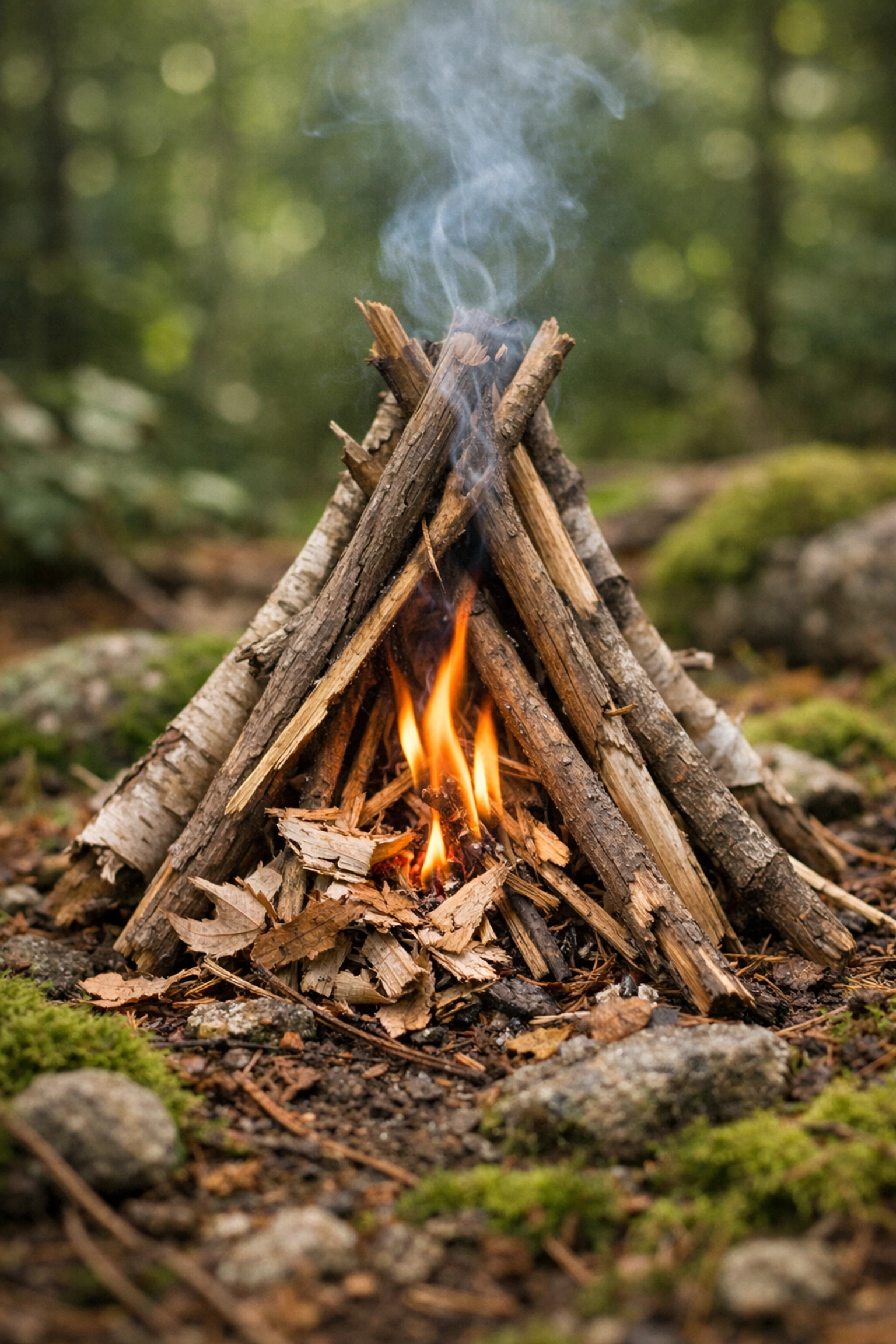
6. The Tipi Fire Layout
Lean dry twigs against each other. Form a cone shape. Leave a small door for air. Put your tinder inside. This layout draws air upward. It creates a strong flame quickly.
Shelter and Knots
Your shelter keeps you dry. Knots keep your shelter standing. These are the building blocks of any camping adventure UK experience.
7. Tying the Bowline
Learn the "king of knots." It creates a fixed loop that will not slip. Use it to secure your ridgeline. It is easy to untie even after a heavy load.
8. The Clove Hitch
Use this to start a lashing. It secures a rope to a pole. It is fast to tie. It is essential for building camp furniture.
9. Setting Up an A-Frame Tarp
Run a line between two trees. Drape your tarp over it. Peg the corners down. This classic shape sheds rain perfectly. It provides great coverage for you and your gear.
10. The Plow Point Shelter
Peg one corner of your tarp to the ground. Lift the opposite corner onto a pole or tree. Peg the remaining sides. This setup is fast. It protects you from the wind on three sides.
11. Making Natural Cordage
Find nettles or willow bark. Strip the long fibres. Twist them together. Reverse twist to lock them. You now have strong string from the woods.
Knife and Tool Mastery
A knife is your most important tool. Respect it. Use it wisely. These skills are covered in many essential survival skills guides.
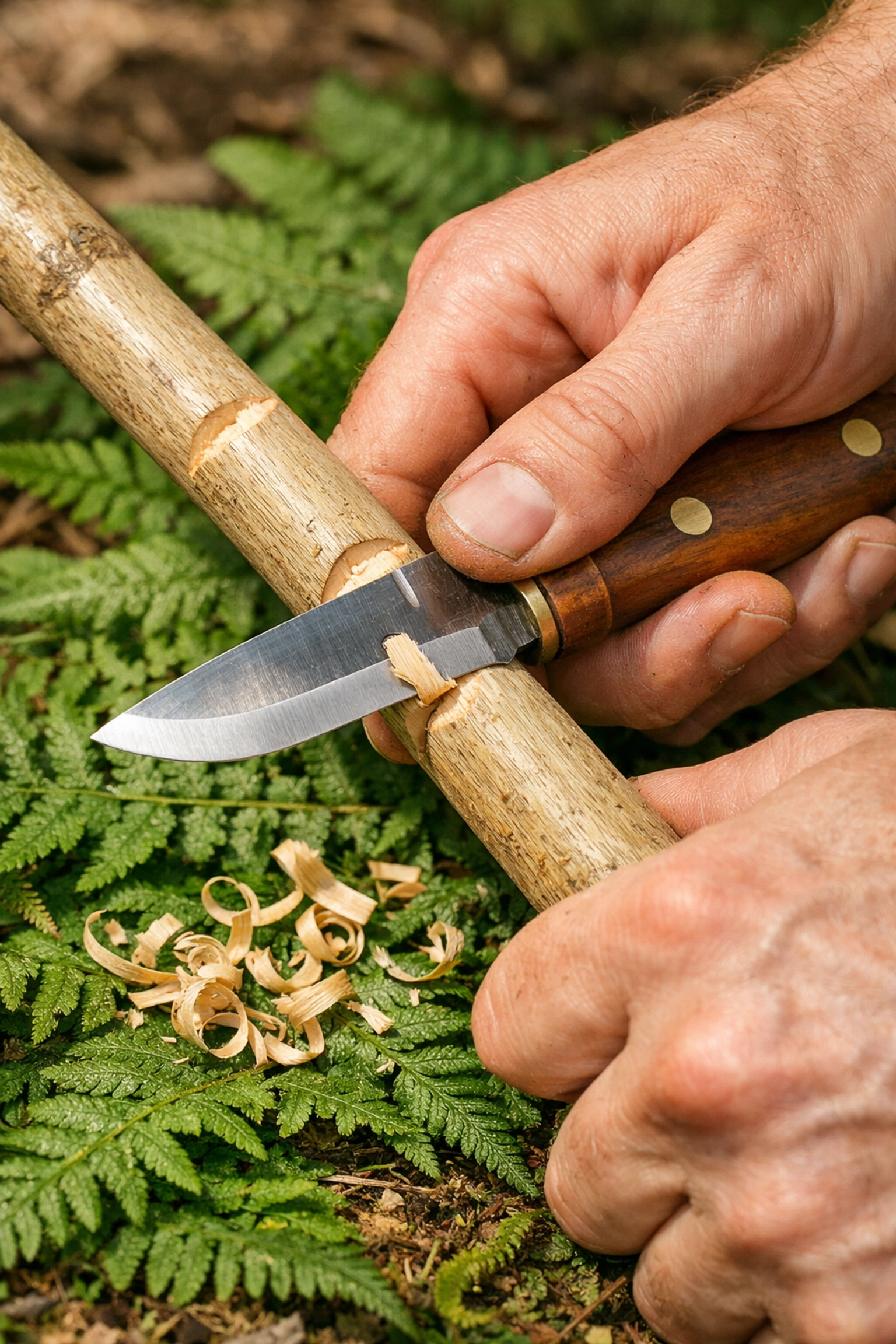
12. Safe Batonning
Place your knife on a log. Use another piece of wood to hit the spine. Split the wood into smaller pieces. Always keep your fingers away from the blade path.
13. Carving a Tent Peg
Find a sturdy stick. Sharpen one end. Carve a notch near the top. This notch holds your guy line. It is better than carrying heavy metal pegs.
14. Creating a Pot Hanger
Find a branch with a side hook. Notch the top. Hang it over a tripod. You can now adjust your cooking height over the fire.
15. The Try-Stick Exercise
Take one branch. Carve ten different notches into it. Square notches. V-notches. Dovetails. This builds muscle memory. It improves your knife control.
16. Sharpening in the Field
Find a flat, smooth stone. Use it like a whetstone. Keep the angle consistent. A sharp knife is a safe knife. Dull blades slip and cause accidents.
17. Carving a Simple Spatula
Find a flat piece of green wood. Shape the edge. Smooth the handle. Use it for your morning eggs. It is a satisfying first carving project.
Water and Survival
Water is life. In the UK, you must treat all wild water.
18. Boiling Water Safely
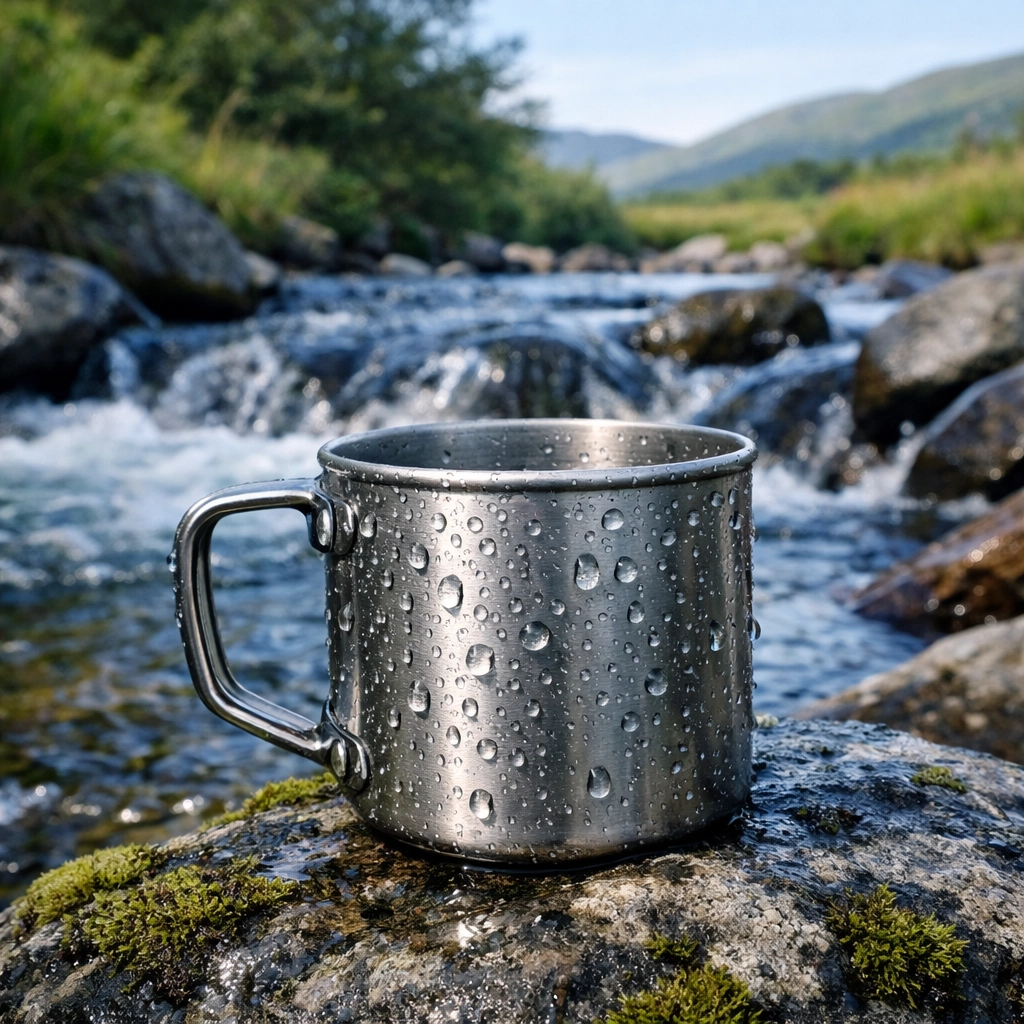
Collect water from a flowing source. Bring it to a rolling boil. Keep it boiling for at least one minute. This kills most pathogens.
19. Natural Filtration
Use a plastic bottle. Cut the bottom off. Layer sand, charcoal, and grass inside. Pour dirty water through. This removes sediment. Always boil the water after filtering.
20. Building a Solar Still
Dig a hole in a sunny spot. Place a cup in the centre. Cover the hole with plastic. Put a small stone over the cup. Condensation will drip into the cup. It is slow but works.
21. Finding North with a Watch
Point the hour hand at the sun. Bisect the angle between the hour hand and 12. That line points south. This works in the Northern Hemisphere.
22. Reading the Clouds
Watch for "mackerel skies." High, wispy clouds often mean rain is coming in 24 hours. Dark, low clouds mean rain is coming now. Use nature's weather forecast.
Foraging and Nature ID
Know your surroundings. The UK landscape is full of useful plants. Learn more about essential outdoor survival skills.
23. Identifying Stinging Nettle
Look for the jagged leaves. Use gloves to pick them. Boil them to remove the sting. They are packed with vitamins. They taste like spinach.
24. Pine Needle Tea
Gather fresh green pine needles. Steep them in hot water. Do not boil them. This tea is high in Vitamin C. It tastes like the forest.
25. Recognizing the Silver Birch
Look for the white, papery bark. It is easy to spot. This tree provides tinder, sap, and wood for carving. It is the bushcrafter's best friend.
26. Following animal trails
Look for flattened grass. Look for tracks in the mud. Following these paths often leads to water or clearings. It teaches you how animals move.
Camp Comfort and Cooking
Bushcraft is not about suffering. It is about living well outdoors.
27. Cooking on a Hot Stone
Find a flat, dry stone. Heat it in the fire. Move it to the side. Cook your meat or bannock directly on the stone. It provides even heat.
28. Baking Bannock
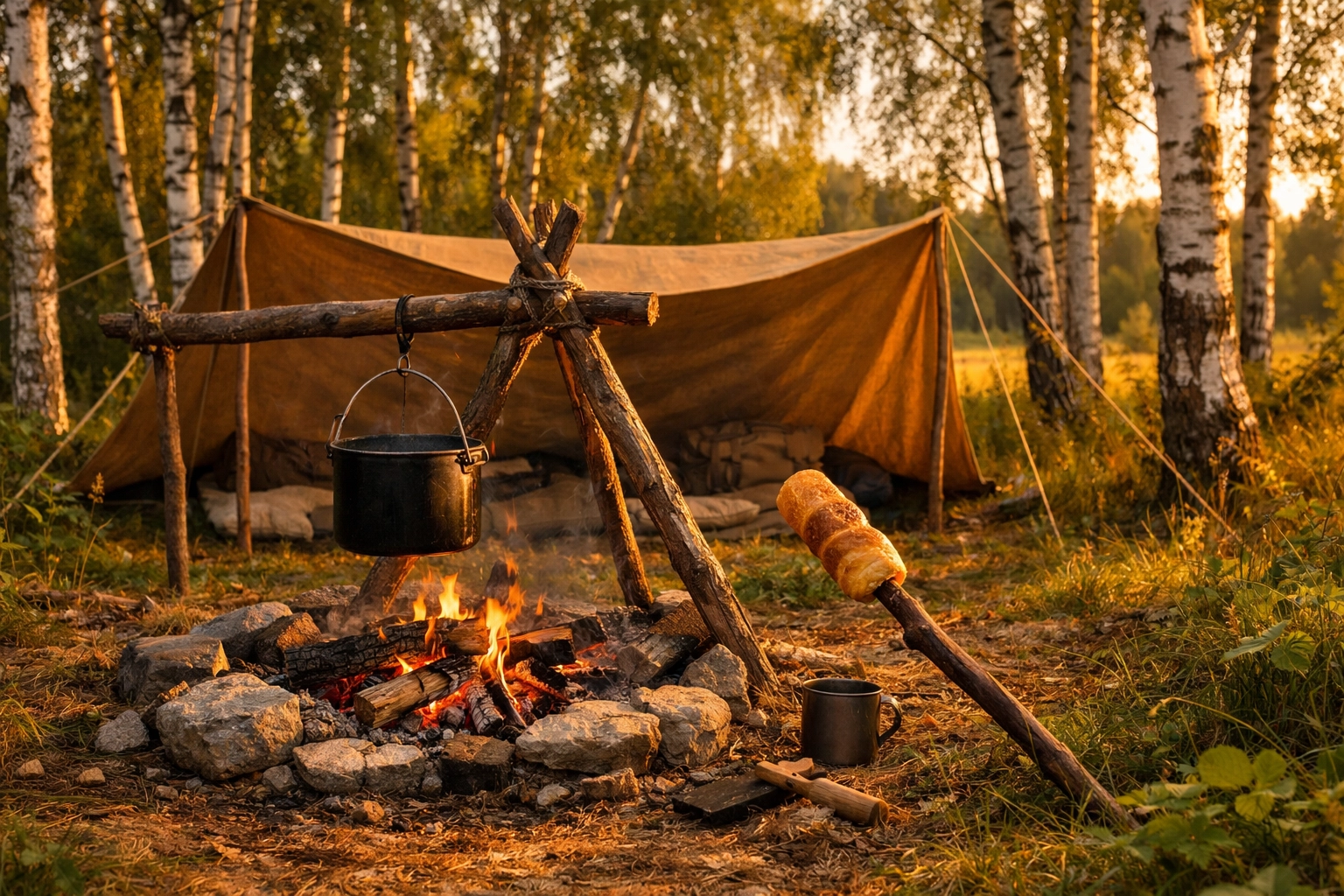
Mix flour, baking powder, and water. Form a dough. Wrap it around a stick. Roast it over the embers. It is the classic bushcraft bread.
29. Building a Tripod
Find three sturdy poles. Lash them together at the top. Spread the legs. Use it to hang your water bag or your cooking pot.
30. Leaving No Trace
This is the final skill. Dismantle your shelters. Scatter your cold ashes. Fill in your fire pit. Leave the woods looking like you were never there.
Master the Wild
Practice these skills one by one. Do not try to learn all 30 in one day. Start with fire and knots. Move on to carving and foraging. Each skill you master makes you more at home in the British countryside.
Ready to test your skills with experts? Join us on a wild camping guided UK trip. We will show you the ropes and help you build your confidence.
Pick one skill from this list and practice it in your garden tonight.