
Welcome to the wild. You are out in the British hills. The sun is setting. You want a fire. You strike your steel. Nothing happens. You try again. Still nothing. A cold night awaits.
Fire-lighting is a core skill. It provides warmth, dry clothes, and hot food. Many beginners struggle with it. The UK climate is damp. The ground is often soaked. Your wood might look dry, but it isn't. You need a system that works every time.
Mastering this before your wild camping guided UK trip is vital. It builds confidence. It ensures safety. Stop guessing and start building. Here are the 10 reasons your fire is failing and how to fix them right now.
1. You Are Using Green or Wet Wood
Fresh wood does not burn. It contains sap and water. It hisses. It creates thick, black smoke. It dies quickly. Even fallen wood on the ground is often too damp. The ground acts like a sponge.
The Fix:
Look for "dead standing" wood. These are trees that died but stayed upright. They are not touching the wet ground. The wind dries them out. Break a small branch. It should snap loudly. If it bends, it is wet. Leave it. Collect twigs that are caught in bushes. Use these for your base. If you are on a camping adventure UK, always prioritize dry fuel over easy-to-find fuel.
2. Your Wood Sizes Are Wrong
You cannot light a log with a match. You cannot light a thumb-sized stick with a spark. Many people try to skip steps. They put big branches on tiny flames. The flames vanish. Heat is lost.
The Fix:
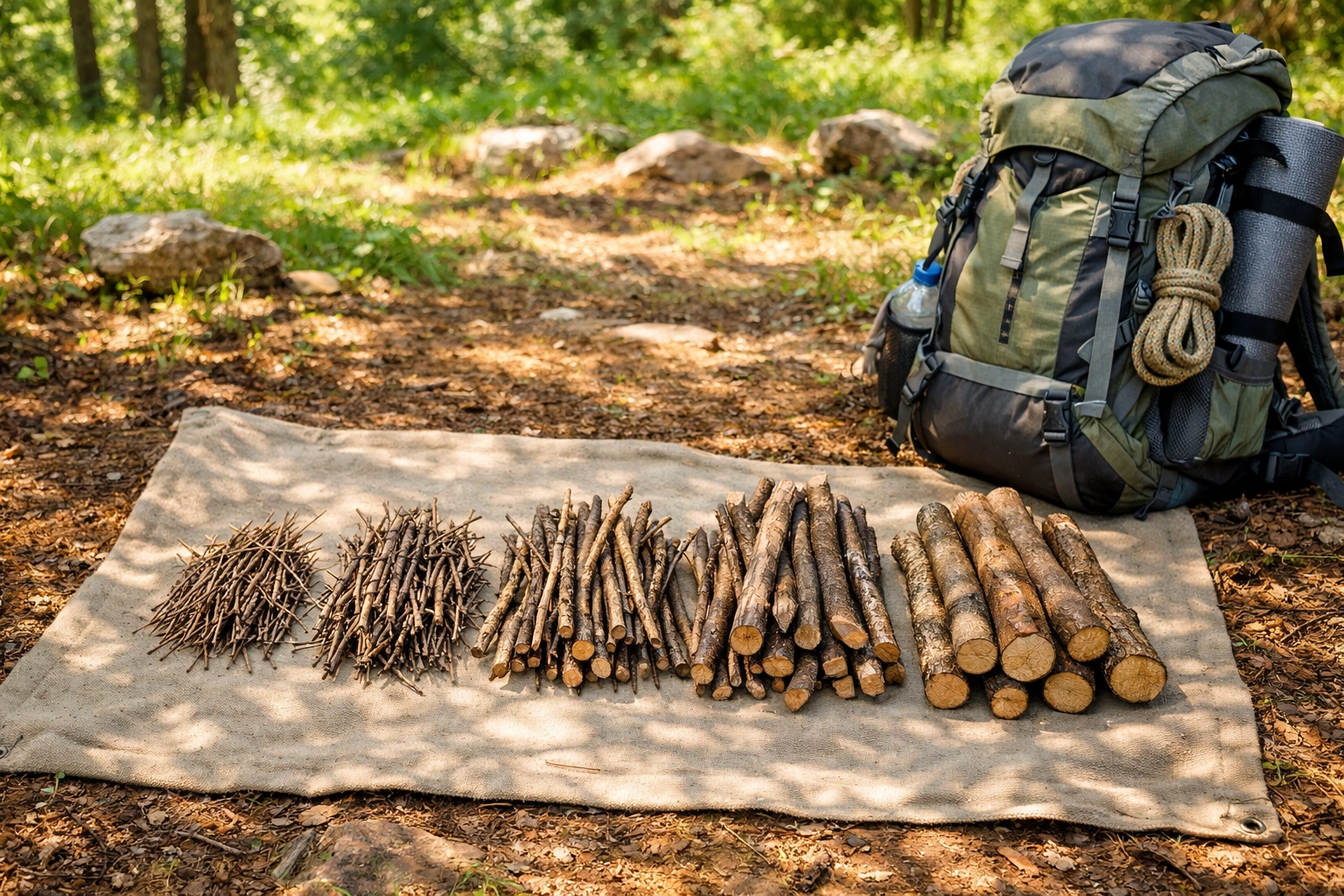
Use the three-tier system.
- Tinder: Thinner than a matchstick. Think dry grass or birch bark.
- Kindling: Matchstick to thumb thickness. Use small twigs.
- Fuel: Thumb thickness to wrist thickness. These are your main logs.
Gather all three sizes before you strike a light. Sort them into neat piles. Never start without enough kindling to fill a bucket.
3. Your Structure Blocks the Air
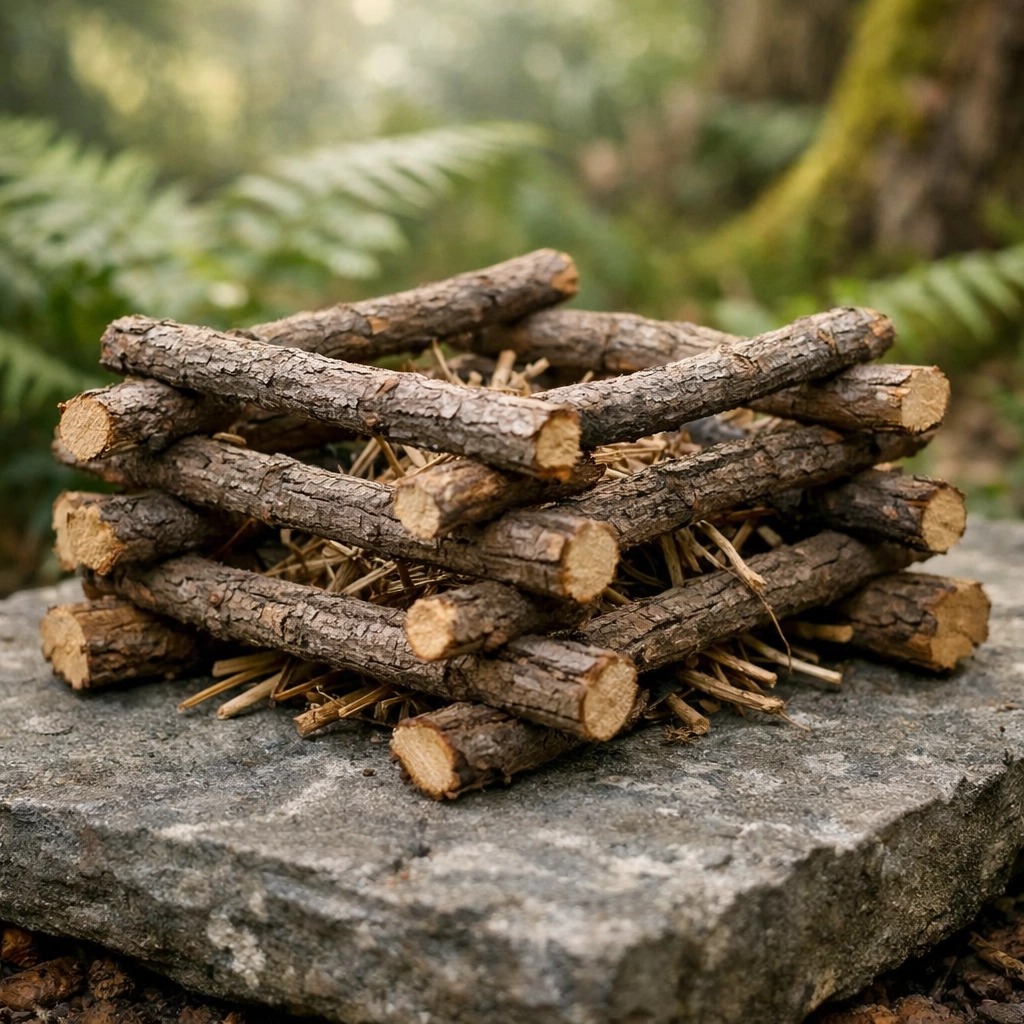
Fire needs three things. Heat, fuel, and oxygen. If you pack your wood too tight, you kill the fire. You create a "smothering" effect. The smoke stays trapped. The heat cannot rise.
The Fix:
Build with intention. Use a tipi shape for quick heat. Lean small twigs against a central support. Leave gaps between every piece of wood. The air must flow from the bottom to the top. Alternatively, try the log cabin style. Stack wood in a square. Put your tinder in the middle. This creates a chimney effect. Check out more outdoor survival skills every wild camping guided UK beginner should know to perfect your structure.
4. You Are Ignorant of the Wind
Wind is a double-edged sword. A little wind feeds the fire. Too much wind steals the heat. It blows out your initial sparks. It pushes the flames away from your fuel.
The Fix:
Find the leeward side of a hill or rock. This is the side protected from the wind. Position your body as a shield. Use your rucksack to block the breeze. Align your fire "raft" parallel to the wind direction. This lets a controlled amount of air reach the base. If it is very windy, dig a small trench. Place your fire inside the trench.
5. You Didn't Prep Enough Kindling
The most common mistake is stopping too soon. You find a few dry twigs. You think it is enough. You light the tinder. It burns out before you can find more wood. You are back to square one.
The Fix:
Gather more than you think you need. Then double it. You should have enough kindling to keep a small fire going for ten minutes without moving. This gives you time to find larger logs. Preparation is the key to fire starting, navigation, and foraging. Do the work before you strike the match.
6. You Chose the Wrong Tinder
Tinder is the most important part. It catches the first spark. If your tinder is low quality, your fire will fail. Natural tinder in the UK can be tricky. Damp grass won't work. Wet leaves are useless.
The Fix:
Look for Birch bark. It contains oils that burn even when wet. Peel it carefully from dead trees. Shred it into thin ribbons. Use "fatwood" from pine stumps. It is full of resin. If you are struggling, bring your own. Cotton wool soaked in petroleum jelly is a life-saver. Carry it in a small tin. It burns long and hot. This is a top tip for any wild camping guided UK adventure.
7. You Are Lighting Directly on Wet Ground
The UK ground is rarely dry. If you build your fire on wet soil, the moisture turns to steam. The steam rises through your wood. It cools the fire down. It puts out your tinder.
The Fix:
Build a "fire raft." Lay a floor of thick, dry logs or flat stones. This creates a platform. Your fire stays off the wet earth. It stays dry. It stays hot. This also protects the ground. It makes it easier to follow "Leave No Trace" principles. Always check your survival skills for your first camping adventure to ensure you are protecting the environment.
8. You Are Working on Peat
This is a major safety hazard. Much of the UK uplands sit on peat. Peat is organic matter. It can burn. A fire on peat can sink underground. It can burn for weeks. It can start a wildfire long after you leave.
The Fix:
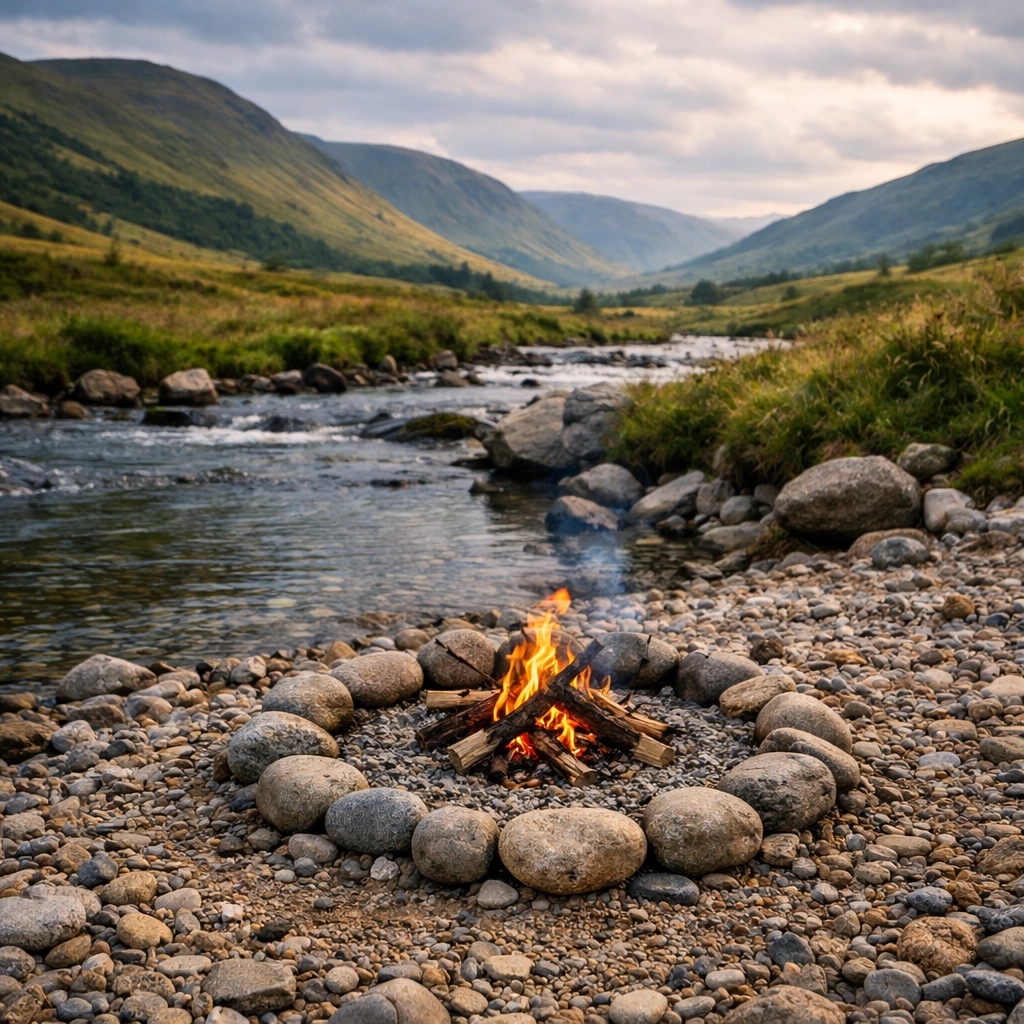
Never light a fire on peaty ground. Know your soil. If it is dark, springy, and wet, it is likely peat. Stick to designated fire pits or use a portable fire bowl. If wild camping, stick to rocky areas or shingle beaches. Safety is paramount. If you aren't sure, don't light it. This is why guided hiking tours UK are great; experts show you exactly where it is safe.
9. Your Heat Source is Poor
Cheap lighters fail in the cold. Damp matches are useless. If your tools are bad, your fire is bad. You need a reliable way to create heat.
The Fix:
Carry a high-quality ferrocerium rod (fire steel). It works when wet. It works in the wind. It lasts for thousands of strikes. Practice your technique. Don't just scrape it. Push the spark into your tinder. Use a "strike and hold" method. Keep a backup lighter in a waterproof bag. Avoid matches unless they are storm-proof.
10. You Are Rushing the Scaling Process
You have a small flame. You get excited. You throw a big log on top. The flame disappears. You just smothered your only hope of warmth.
The Fix:
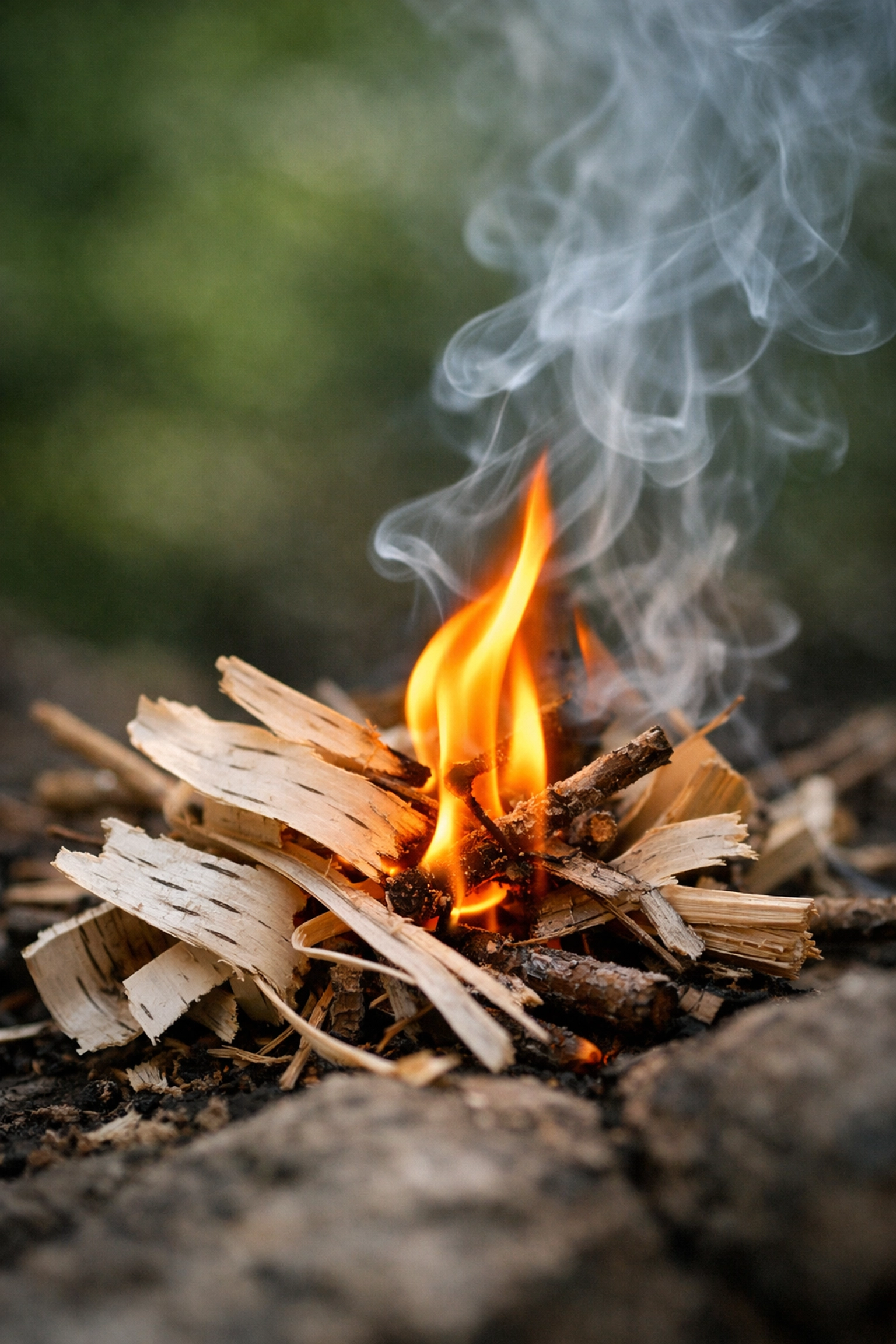
Be patient. Let the tinder catch the kindling. Wait until the kindling is glowing red. Add the next size up slowly. One piece at a time. Let each piece ignite before adding more. Feed the fire from the edges. Keep the center hot. Gradually increase the size of the wood as the heat increases. Slow is fast in survival. Don't make common wild camping mistakes by being impatient.
Summary Checklist for Success:
- Find dead standing wood.
- Sort into three clear sizes.
- Build a platform (raft).
- Shield from the wind.
- Start small and be patient.
Fire-lighting is a craft. It takes practice. Don't wait until you are shivering in the Lake District to try it. Go to your garden or a local park. Try it in the rain. Try it in the wind. The more you fail now, the more you will succeed in the wild.
Ready to put these skills to the test? Join us for a wild camping guided UK trip. We will show you the ropes in the most beautiful spots in Britain.
Grab your fire steel and start practicing today.