
Hey there. Ready to head out? A camping adventure UK style is unlike anything else. You get rolling hills, dramatic peaks, and very wet weather. It is beautiful. It is also challenging. You need to be ready. Do not just pack a tent and hope for the best. Master these skills first. You will stay safe. You will have more fun.
1. Master Your Navigation
Do not rely on your phone. Batteries die in the cold. Signal vanishes in the valleys. Buy a physical map of your area. Get a high-quality compass. Learn how to read contour lines. These lines show the shape of the land. They tell you if a hill is steep or flat. Use them to plan your route.
Practice in your local park. Set a bearing. Follow it. Trust the needle, not your gut. Your gut gets lost in the fog. Check your position often. Do not wait until you are lost to look at the map. If you want to dive deeper, read about navigation and shelter skills here.
2. Build a Proper Shelter
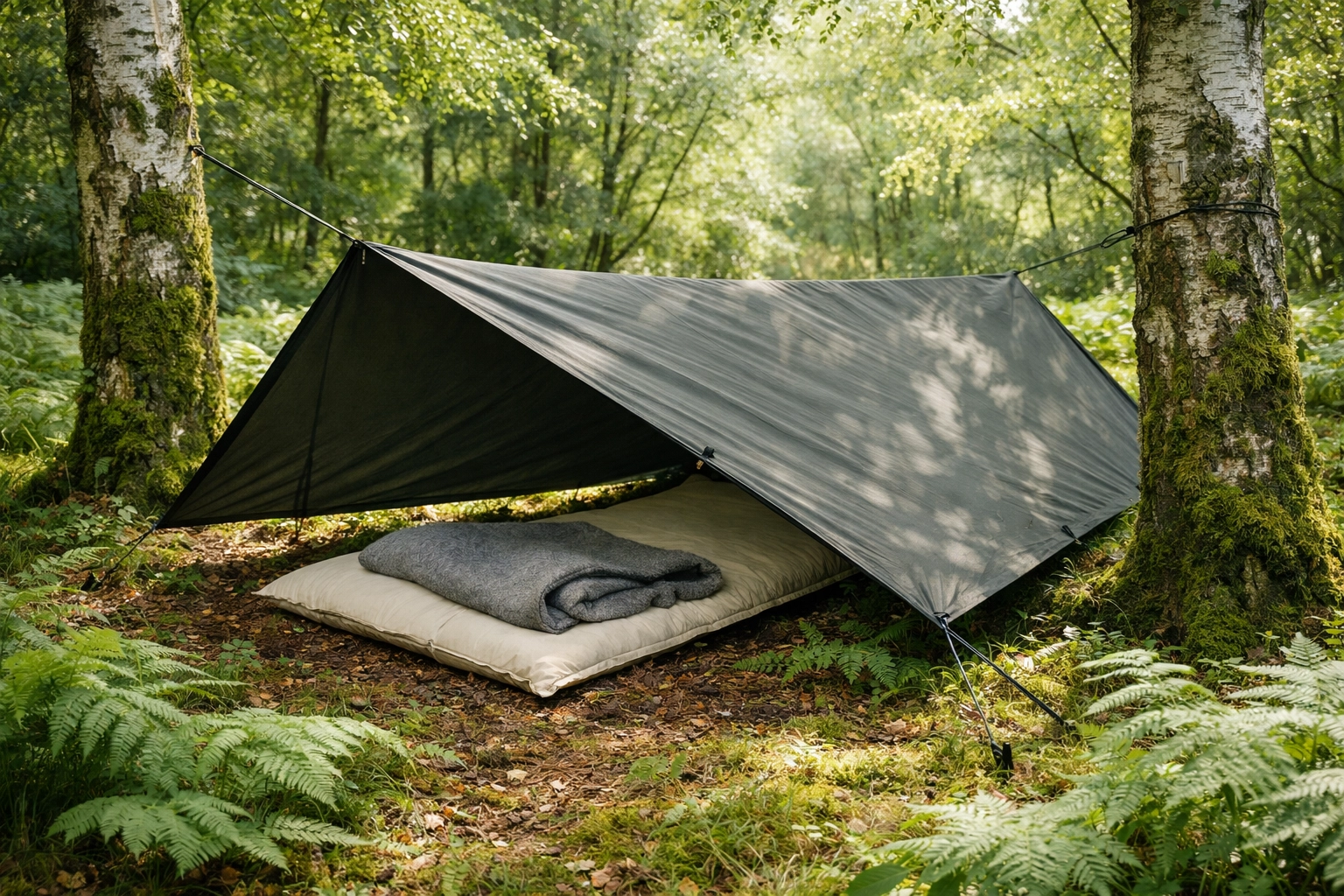
The UK is famous for rain. Your shelter is your sanctuary. Choose your spot wisely. Avoid the bottom of a hill. Water pools there. Avoid the very top. Wind hits hardest there. Look for level ground. Check for "widowmakers." These are dead branches hanging above you. They fall in the wind.
Carry a lightweight tarp. Learn the knots. Use a ridge line. Tie it between two trees. Angle the tarp to deflect wind. Keep your sleeping area dry. If you lack a tent, use natural materials. Lean sturdy branches against a fallen log. Cover them with thick layers of leaves. Use moss for insulation. Always stay off the wet ground. Check out more shelter tips for beginners.
3. Fire-Making Under Pressure
Fire is not just for marshmallows. It dries your clothes. It boosts your mood. It keeps you warm. Gathering wood is a process. Do not just grab big logs. You need three things: tinder, kindling, and fuel.
Find tinder first. Look for dry grass or birch bark. Birch bark burns even when wet. It contains natural oils. Next, find kindling. These are small twigs. They should be as thin as a pencil. Finally, get fuel. These are thick branches.
Keep your wood off the ground to stay dry. Clear a circle of dirt. Build a small teepee of kindling over your tinder. Use a ferro rod. Strike it hard. Aim the sparks into the center. Feed the flame slowly. Do not smother it. Always follow "Leave No Trace" principles. Put the fire out completely before you sleep.
4. Sourcing and Purifying Water
You cannot carry all the water you need. It is too heavy. You must find it. Look for moving water. Streams and rivers are better than ponds. Avoid water near farm fields. Chemicals run off into the stream.
Never drink raw water. It looks clear but hides bacteria. Boil it for at least one minute. Use a portable water filter. Use purification tablets as a backup. They taste like chlorine but keep you safe. Listen for the sound of running water. Follow animal tracks. They often lead to a source.
5. First Aid Fundamentals
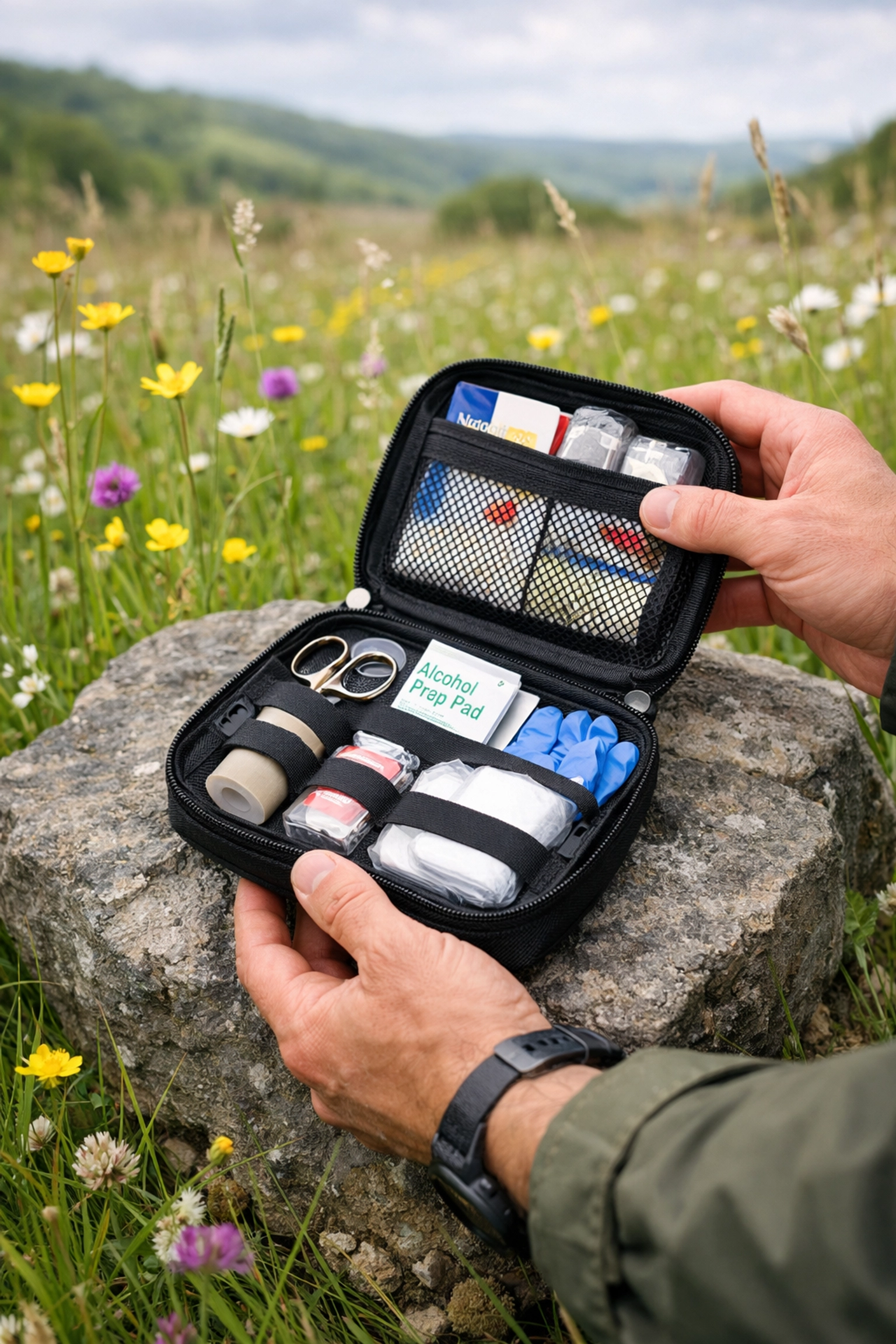
Accidents happen on a camping adventure UK. You might trip. You might cut your finger. Carry a compact first aid kit. Know what is inside it.
Learn the RICE method. Rest. Ice (or cold stream water). Compression. Elevation. Use this for sprains. Carry antiseptic wipes. Clean every cut immediately. Infections spread fast in the wild. Pack tweezers for ticks. Pack painkillers for headaches. If you are new to this, read our guide on survival skills for your first trip.
6. Knife and Tool Proficiency
A knife is your most important tool. Use it to make kindling. Use it to cut cordage. Choose a fixed-blade knife. It is stronger than a folder. Keep it sharp. A dull knife is dangerous. It slips and cuts you.
Learn the "blood circle." This is the area around you where your knife can reach. Make sure no one is inside it. Always cut away from your body. Never put your fingers in the path of the blade. Learn to use a handsaw for larger branches. It is safer than an axe for beginners. Use cordage to secure your gear. Learn the bowline knot and the clove hitch. They are essential for any wild camping guided UK experience.
7. Understanding UK Wildlife
We do not have grizzly bears. We do have livestock and small pests. Respect the farm animals. Give cows a wide berth. They can be protective of calves.
Watch out for ticks. They live in long grass. Wear long trousers. Tuck them into your socks. Check your skin every night. Use a tick tool to remove them. Do not squeeze the body. Pull from the head. Store your food securely. Crows and foxes will tear your bag for a snack. Hang your food from a branch if needed.
8. Signaling for Help
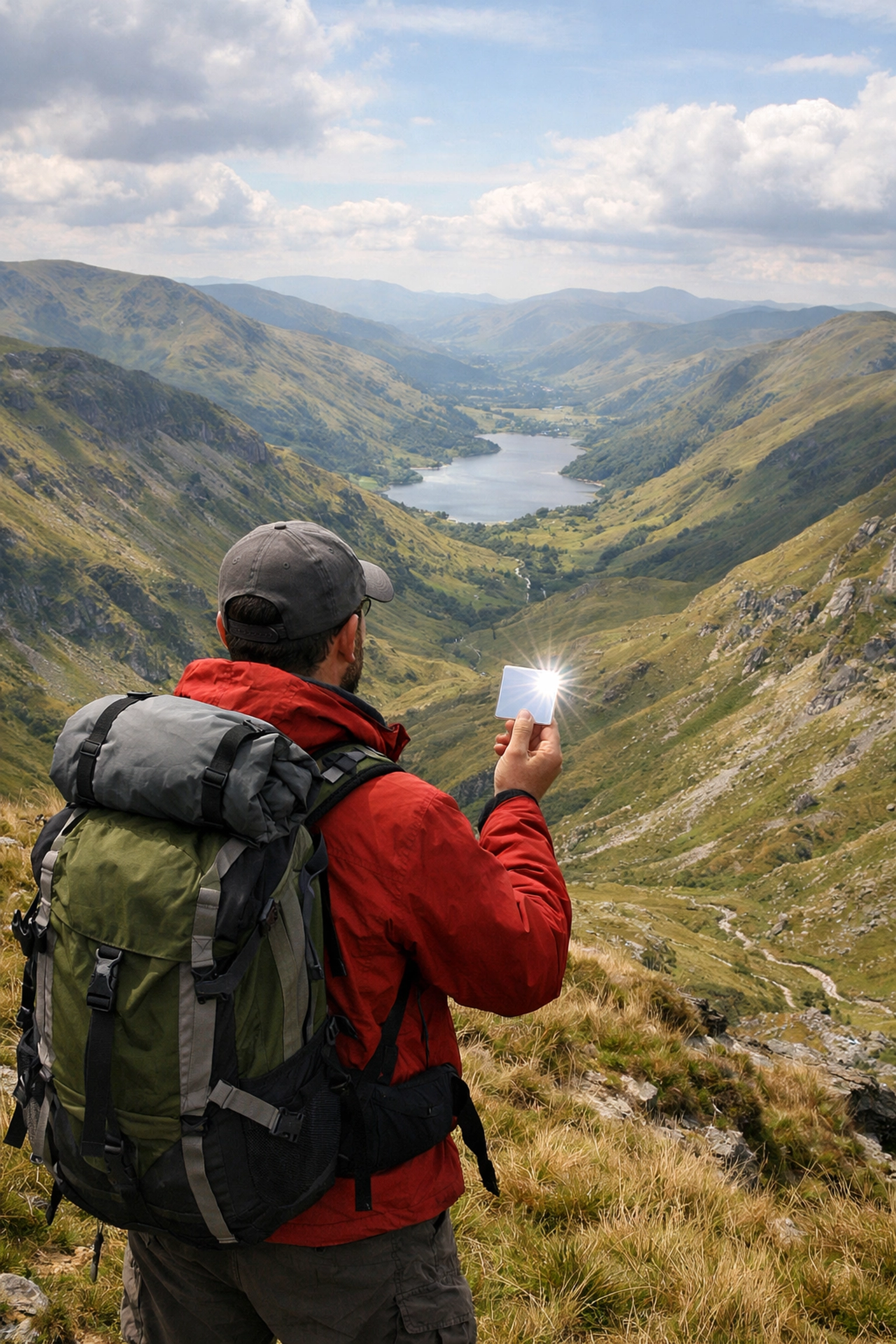
If things go wrong, stay put. Moving makes it harder for rescuers to find you. Use the universal distress signal. Blow a whistle three times. Wait. Blow three times again.
Use a signal mirror. Catch the sun. Aim the flash at the horizon or a passing plane. Even a phone screen works. If you have a torch, use the SOS pattern. Three short flashes. Three long flashes. Three short flashes. Make yourself visible. Wear bright colors. Spread a bright tarp in an open clearing.
9. Foraging for Food
Do not eat anything unless you are 100% sure. Many plants in the UK are toxic. Stick to easy wins. Wild garlic grows in damp woods. It smells like onions. Stinging nettles are everywhere. Boil them to remove the sting. They taste like spinach.
Learn about blackberries in late summer. Avoid red berries unless you know them well. Foraging takes time and energy. It is usually better to carry high-calorie snacks. Nuts, chocolate, and dried meats are best. If you want to learn more about the expert secrets of the trail, see what the experts say.
10. Weather Awareness and Gear Choice
The weather changes fast. You can experience four seasons in one hour. Check the Mountain Weather Information Service (MWIS) before you go.
Dress in layers. Use a base layer to wick sweat. Add a fleece for warmth. Put a waterproof shell on top. Avoid cotton. It holds water and makes you cold. Choose synthetic or wool fabrics. Pack extra socks. Wet feet lead to blisters. Take a hat and gloves, even in summer. The temperature drops fast when the sun goes down. Read more about choosing the right gear and tours here.
Get Out There
Survival skills take practice. Do not wait for an emergency. Try these techniques in your garden first. Start small. Build your confidence. The British wilderness is waiting for you.
Pick a date for your next trip and pack your bag today.